Residential Standby Generators: What are the Different Types?
America's aging utility grid is facing unprecedented strain.
The widespread adoption of relatively recent innovations demanding huge amounts of electricity like EVs, AI and cloud computing data centers, and smart home technology has led to unprecedented power demand.
To top that off, the growing frequency and severity of extreme weather events like heat waves, hurricanes, blizzards, wildfires, and flash floods means that depending on your utility company as your exclusive electricity source is becoming riskier by the day.
The US Department of Energy recently cautioned that "blackouts could increase by 100 times in 2030 if the U.S. continues to shutter reliable power sources and fails to add additional firm capacity." [1]
With federal government tax incentives for the fastest growing new electricity generation sources like wind and solar largely vanishing, infrastructure-level renewable energy project development is forecasted to decelerate significantly.
Fortunately for consumers, more options exist for home backup power, including traditional standby generators, solar generators, and home backup battery systems capable of running every appliance in your house or powering essential circuits.
Whole-home battery systems provide clean, quiet, zero-maintenance backup power, the potential for substantial electricity bill reductions and a significant mid-to-long term return on investment, especially when paired with solar panels and a smart home energy management system.
While traditional natural gas or propane standby generators typically have lower upfront costs and can run indefinitely (provided you have access to fuel and repairs), they also incur ongoing fuel expenses, require regular maintenance, and must be legally installed outdoors at a safe distance from your home.
Which type of standby generator or home backup power system is right for you?
Let's explore.

Home Battery Backup Systems vs. Standby Generators
Whole-home battery backup systems and traditional standby generators typically connect to your home's electrical panel, technically called a Main Service Panel (MSP), enabling automatic switchover to battery or fossil fuel generator power during grid failures.
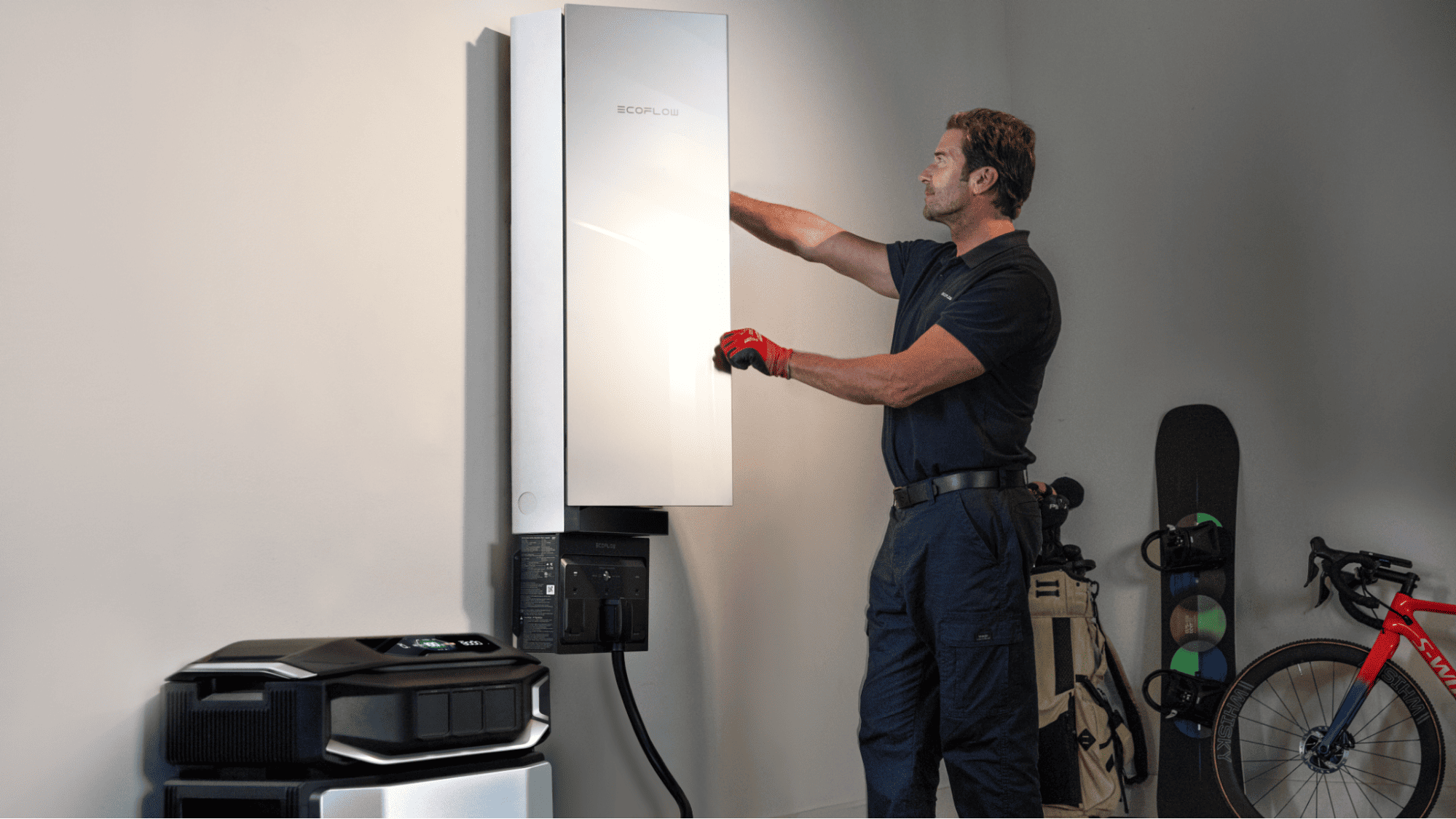
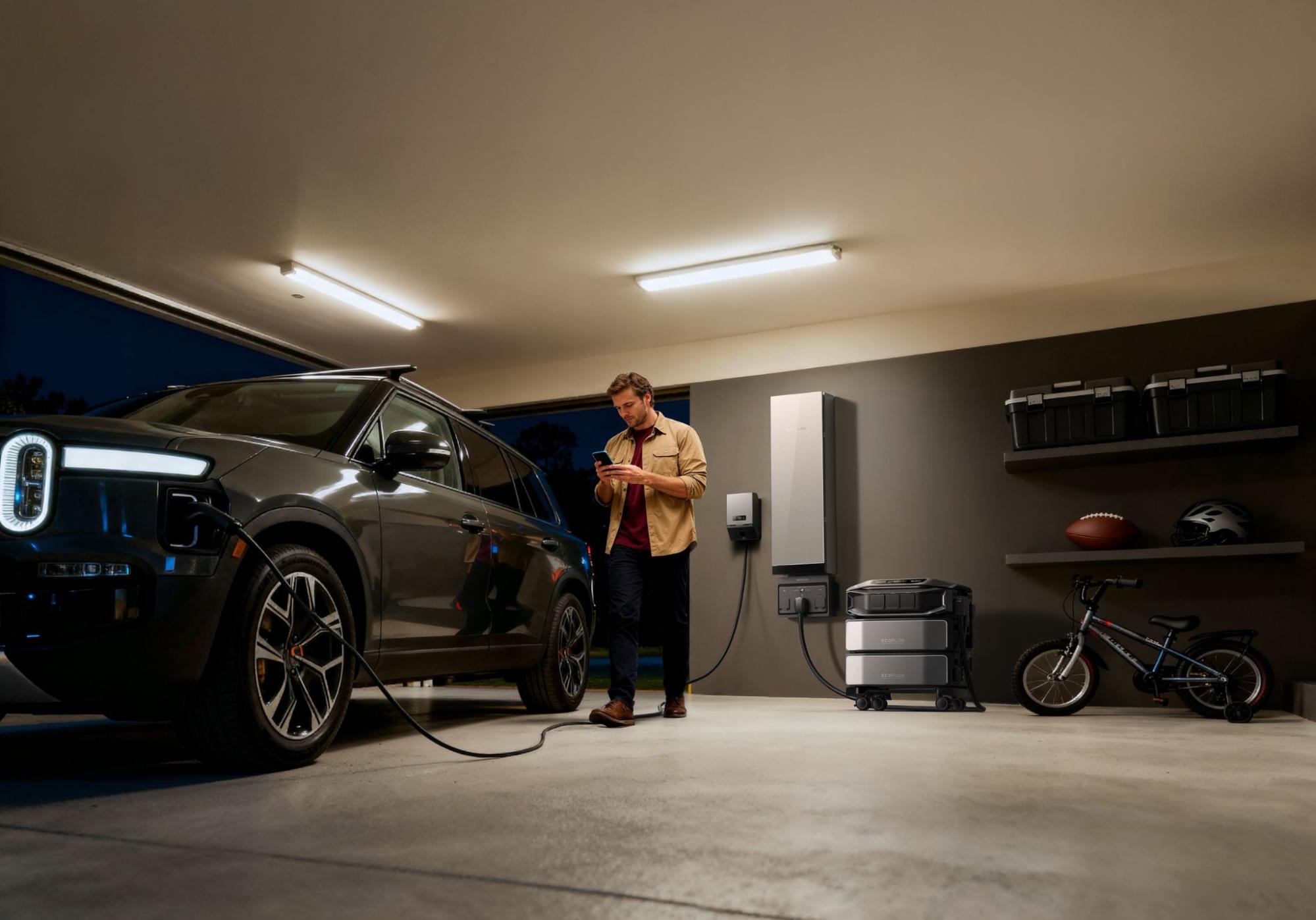
For example, the EcoFlow DELTA Pro Ultra X functions as a standalone home backup generator, delivering data-center-grade uninterruptible power supply (UPS) performance with a switchover time of less than 10ms. When integrated with your home's electrical system via an automatic transfer switch, it completes the transition to battery power in under 20 milliseconds.
You can also enhance your intelligent energy management capabilities by pairing it with EcoFlow Smart Home Panel 3 or Smart Gateway (200A) for maximum utility cost savings.
EcoFlow Smart Home Panel 3 uses artificial intelligence for load management to control circuit priority and balance grid and solar power consumption.
Legacy standby generators frequently depend on a manual transfer switch, while modern homeowners generally select automatic switchover for improved safety and convenience.
Unlike other backup systems such as the Tesla Powerwall 3 and Generac PWRcell 2, the EcoFlow DELTA Pro Ultra X also serves as a standalone portable solar generator permitting direct connection of appliances and critical systems, including central heating and air conditioning (HVAC).
Conventional portable gas and inverter generators do not have the power output capacity to function as whole-home backup systems.
Key Specifications for Standby Generator Selection
When evaluating standby generators for your home, whether conventional fuel-burning models or advanced hybrid solar + battery systems, these essential factors will guide your decision.
Power Output Capacity
Your standby generator must deliver adequate starting and running wattage to support the simultaneous operation of all appliances, electronics, and essential home infrastructure like HVAC systems.
Energy Storage and Expandability
Some modern hybrid standby generators and battery-integrated systems incorporate modular designs enabling you to expand capacity by adding battery modules or inverter units as your power demands increase.
EcoFlow DELTA Pro Ultra X exemplifies this scalability, expanding from its base setup to 180 kWh total storage with 36 kW continuous output (45kW surge per inverter/135kW maximum surge capacity), sufficient power for substantial residential installations or small business operations.
Fuel Source and Efficiency
Standby generators operate using various energy sources: natural gas, propane, diesel, solar energy, or hybrid configurations combining multiple fuel types.
Advanced systems like the EcoFlow DELTA Pro Ultra X support solar charging, grid electricity, and compatibility with conventional fossil fuel generators, delivering unmatched flexibility and energy resilience.
Fuel efficiency and emergency fuel accessibility are paramount considerations when selecting a conventional standby generator.
Solar-powered standby generators with battery storage can operate indefinitely given sufficient solar irradiance (peak sunlight) at your location and the number of solar panels or other PV modules you have installed.
Conventional fuel-dependent standby generators require uninterrupted natural gas service or significant propane (LPG) reserves to keep running throughout extended power failures.
Power Quality (Clean vs. Dirty Power)
EcoFlow solar generators produce consistent, high-quality electricity featuring pure sine wave output that protects sensitive electronics from damage.
Traditional engine-powered standby generators deliver inconsistent electrical output characterized by voltage fluctuations and frequency irregularities, technically termed total harmonic distortion (THD).
Voltage drops and surges can permanently damage desktop computers and other precision electronics and lead to data corruption of internal and external hard drives.
Inverter generators minimize these power quality issues, though you should always verify specifications when operating sensitive equipment or supporting a home office setup.
Automatic Activation
While manual transfer switches and standalone solutions like EcoFlow DELTA 3 Max Plus remain viable solutions for some consumers, many property owners prefer automatic switchover to standby generator or battery backup power when a blackout occurs.
Conventional standby generators engage automatically but typically require 10 to 30 seconds to stabilize output and complete power transfer.
This activation period significantly exceeds the response time of battery-based systems like EcoFlow DELTA Pro Ultra X, which transitions to backup power in under 20 milliseconds when connected via an automatic transfer switch (Microgrid Interconnect Device).
Reliability
Extreme weather events including hurricanes, wildfires, winter storms, and floods routinely cause grid failures. During emergencies, reliable standby generator performance becomes essential.
Whatever whole-home standby generator you choose, confirm it maintains excellent reliability ratings and proven long-term performance, especially if regular operation isn't planned.
Whole-home hybrid standby generators like EcoFlow DELTA Pro Ultra X offer additional value by lowering electricity costs through everyday use.
Traditional standby generators operating on natural gas, diesel, or propane generally remain inactive until grid power fails.
Maintenance Requirements
Conventional standby generators burning fossil fuels require regular maintenance schedules to ensure reliable operation.
Even older solar installations employing flooded lead-acid solar batteries need routine watering and maintenance to preserve functionality.
Modern standby generator systems with battery integration generally demand minimal maintenance.
Backup systems utilizing lithium iron phosphate (LFP/LiFePO4) battery technology rarely need more than periodic firmware updates to maintain optimal performance.
Standby inverter generators consuming fossil fuels typically require professional maintenance once or twice annually to preserve component functionality.
Portability and Indoor Installation
Most standby generators and whole-home backup solutions involve permanent installation, meeting the requirements of many homeowners.
Fuel-burning standby generators must be installed outdoors with minimum 20-foot clearance from structures, typically anchored to a permanent concrete pad.
All standby and portable gas generators that combust fossil fuels emit deadly carbon monoxide. This invisible, odorless toxic gas proves fatal within minutes in confined spaces like garages or basements.
The National Institutes of Health documents that carbon monoxide poisoning from all causes results in 1,200 to 1,300 American deaths yearly, approximately half occurring unintentionally.
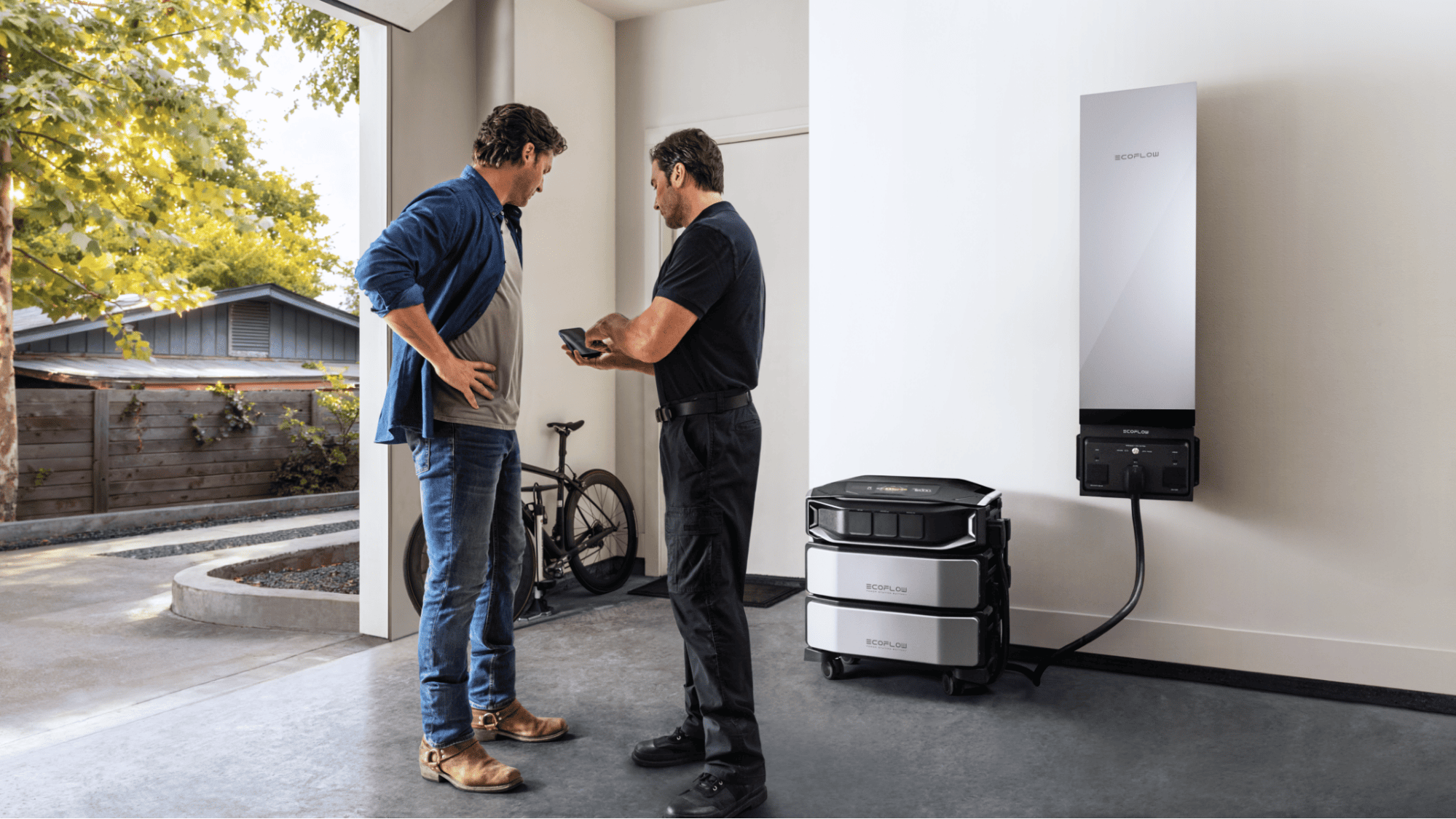
By contrast, EcoFlow's portable power stations and whole-home standby generators carry UL certification permitting safe indoor operation.
While EcoFlow DELTA Pro Ultra X weighs approximately 183 lbs (85 kg), its integrated wheel system delivers substantially greater portability than fixed-installation standby generators and battery systems.
Warranty Coverage
EcoFlow standby generator systems include 5-year warranty protection for both inverter and battery components.
EcoFlow's advanced LFP battery chemistry combined with sophisticated battery management technology demonstrates laboratory-verified performance exceeding 10 years of regular daily operation without significant storage capacity degradation when used according to specifications.
Conventional fuel-powered standby generators commonly provide limited warranty coverage spanning 3 to 5 years.
Battery Chemistry and Longevity
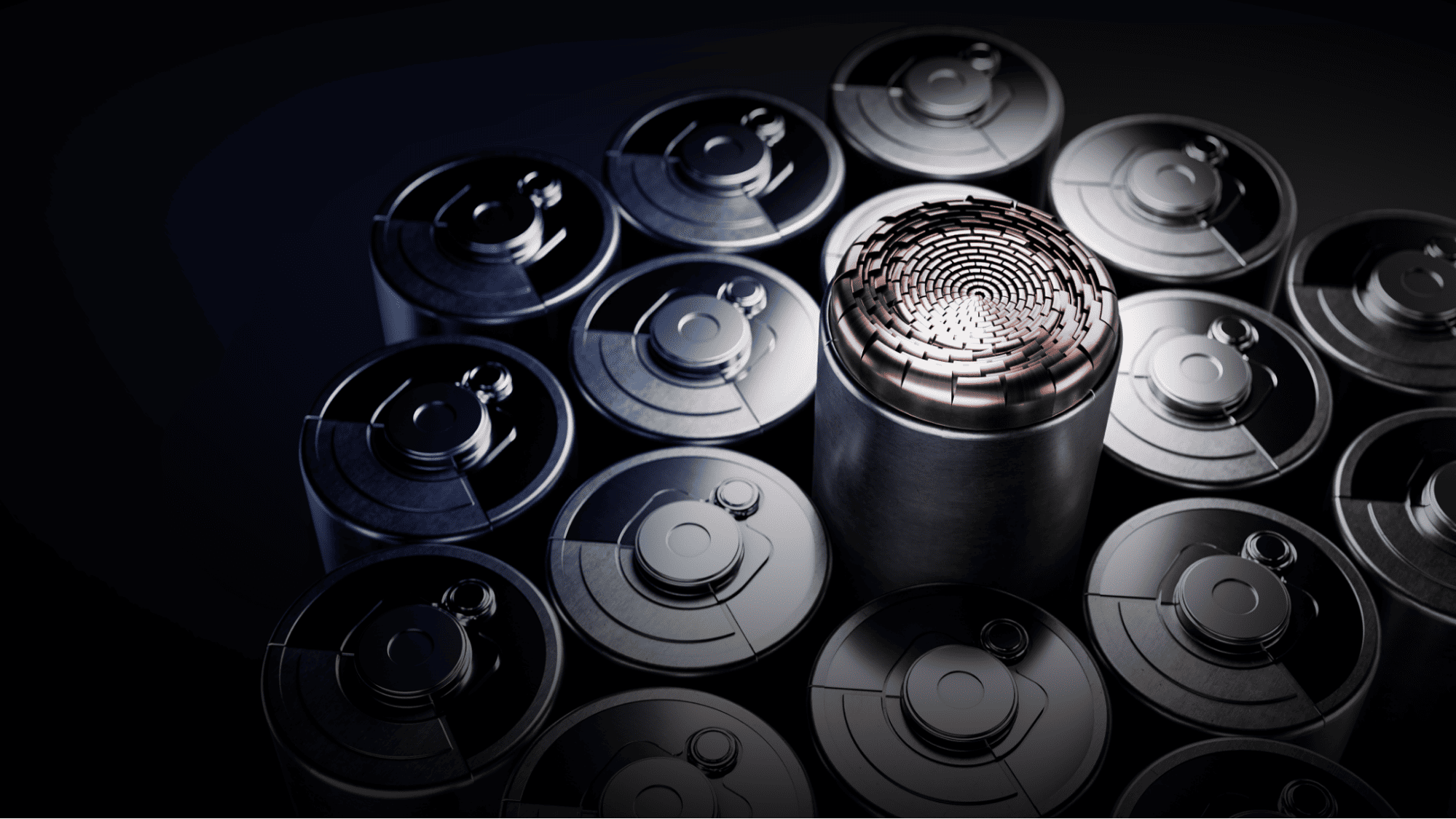
When selecting a standby generator with integrated battery storage rather than a purely conventional fuel-burning model, battery chemistry becomes a critical decision factor.
The chemistry of your battery system fundamentally determines numerous performance characteristics: cycle life (overall lifespan), energy density, operational and storage temperature tolerances, depth of discharge sensitivity, and more.
For instance, every battery chemistry type suffers potential damage and accelerated degradation when subjected to regular complete discharge cycles — a performance metric known as depth of discharge.
The following reference tables illustrate how battery chemistry influences cycle life and overall system performance.
Average Battery Lifespan by Chemistry Type
Chemistry | Average Lifespan (Years) | Primary Factors Affecting Lifespan | Notes |
|---|---|---|---|
Flooded Lead Acid (FLA) | 3-8 | Maintenance (watering), Depth of Discharge (DoD), temperature, cycle life. | Cheap, but requires regular maintenance and has the shortest lifespan. Not frequently used for new solar installations due to maintenance demands and inferior performance |
Gel Cell (SLA/VRLA) | 3-7 | Depth of Discharge (DoD), temperature, overcharging | Commonly referred to as Deep Cycle or Maintenance Free. Sensitive to overcharging. |
Absorbent Glass Mat (AGM) (SLA/VRLA) | 5-10 | Depth of Discharge (DoD), temperature, cycle life | Commonly referred to as Deep Cycle or Maintenance Free.More robust than Gel Cell, good for high discharge applications. |
Traditional Lithium-ion (Li-ion/NCA/NCO) | 5-10 | Temperature, Depth of Discharge (DoD), cycle life, cell quality. | Energy dense, used in many EV/portable device applications. Less suitable for photovoltaic applications than newer Li-ion subtypes like NMC and LFP. |
Lithium Nickel Manganese Cobalt (NMC/NCM/LNMC) | 7-15 | Temperature, Depth of Discharge (DoD), cycle life, cell quality. | Very common in EVs and power tools. Good energy density. |
Lithium Iron Phosphate (LiFePO4/LFP) | 10-20+ | Temperature, Depth of Discharge (DoD), cycle life, cell quality. | Generally considered safer and more stable than NMC. Longer lifespan, but slightly lower energy density. Very popular for solar storage and new EVs. |
Average Battery Cycle Life (Full Charge/Discharges) by Chemistry Type
Chemistry | Approximate Cycle Life (at 80% DoD) | Notes |
|---|---|---|
Flooded Lead Acid (FLA) | 500-1500 | Cycle life is heavily affected by maintenance and DoD. Regular maintenance and shallow discharges are crucial for achieving the higher end of this range. |
Gel Cell (SLA/VRLA) | 500-1000 | More sensitive to deep discharges and overcharging than AGM. |
Absorbent Glass Mat (AGM) (SLA/VRLA) | 800-1500 | Generally more robust than Gel Cell for cycling applications. |
Traditional Lithium-ion (Li-ion/NCA/NCO) | 500-1000 | (Older Li-ion chemistries) Cycle life can vary depending on the specific formulation. |
Lithium Nickel Manganese Cobalt (NMC/NCM/LNMC) | 1000-3000 | Very common in EVs and power tools. Good energy density. Cycle life can vary based on specific formulation and operating conditions. |
Lithium Iron Phosphate (LiFePO4/LFP) | 3000-8000+ | Generally considered safer and more stable than NMC. Significantly longer cycle life, especially at shallower DoD. |
Average Depth of Discharge by Chemistry Type
Chemistry | Recommended Depth of Discharge (DoD) | Notes |
|---|---|---|
Flooded Lead Acid (FLA) | 30-50% | Discharging beyond 50% significantly shortens cycle life. Aim for shallow discharges whenever possible. Regular equalization charging is important. |
Gel Cell (SLA/VRLA) | 50% | More sensitive to deep discharges than AGM. It's best to keep DoD at or below 50% for maximum lifespan. |
Absorbent Glass Mat (AGM) (SLA/VRLA) | 50-70% | Can tolerate deeper discharges than Gel Cell, but cycle life is still improved with shallower DoD. |
Traditional Lithium-ion (Li-ion/NCA/NCO) | 70-80% | Varies depending on specific chemistry and manufacturer's recommendations. Some models might be able to tolerate deeper discharges, but it's generally best to stay within the 70-80% range. |
Lithium Nickel Manganese Cobalt (NMC/NCM/LNMC) | 70-80% | Similar to traditional Li-ion, cycle life is optimized within this range. Frequent deep discharges will accelerate degradation. |
Lithium Iron Phosphate (LiFePO4/LFP) | 80-90% | Can tolerate very deep discharges without significant impact on cycle life compared to other chemistries. However, even with LFP, keeping DoD within the 80-90% range is still recommended for optimal lifespan. |
Average Temperature Ranges by Chemistry Type
Chemistry | Charging Range | Discharging Range | Storage Range |
|---|---|---|---|
Flooded Lead Acid (FLA) | 32°F to 104°F (0°C to 40°C) | -4°F to 122°F (-20°C to 50°C) | 32°F to 77°F (0°C to 25°C) |
Gel Cell (SLA/VRLA) | 5°F to 122°F (-15°C to 50°C) | -4°F to 140°F (-20°C to 60°C) | 5°F to 104°F (-15°C to 40°C) |
Absorbent Glass Mat (AGM) (SLA/VRLA) | 5°F to 122°F (-15°C to 50°C) | -4°F to 140°F (-20°C to 60°C) | 5°F to 104°F (-15°C to 40°C) |
Traditional Lithium-ion (Li-ion/NCA/NCO) | 32°F to 113°F (0°C to 45°C) | -4°F to 140°F (-20°C to 60°C) | 59°F to 77°F (15°C to 25°C) |
Lithium Nickel Manganese Cobalt (NMC/NCM/LNMC) | 32°F to 113°F (0°C to 45°C) | -4°F to 140°F (-20°C to 60°C) | 59°F to 77°F (15°C to 25°C) |
Lithium Iron Phosphate (LiFePO4/LFP) | 14°F to 131°F (-10°C to 55°C) | -4°F to 140°F (-20°C to 60°C) | 14°F to 95°F (-10°C to 35°C) |
Permitting & Compliance
Standby generators with integrated battery storage and solar arrays require standard electrical inspections and approvals.
Fossil fuel-burning standby generators need comprehensive permitting processes to meet building code compliance, fuel line installation standards, and emissions regulations.
According to nyserda.ny.gov, battery energy storage systems must comply with applicable fire codes, which include requirements for safety testing, fire remediation plans, peer review processes, and commissioning procedures.
Careful evaluation of permitting and regulation at your location empowers homeowners to choose the right standby generator solution that optimally balances safety, dependability, and value.
Home Battery Backup Systems vs. Traditional Standby Generators
Property | Home Battery Backup Systems* | Traditional Standby Generator (Natural Gas, Propane, or Diesel) |
|---|---|---|
Energy Source | 1. Sunlight (solar panels) charging a battery, no fuel needed. 2\. Grid power (Charging only - no net metering) 3\. Gas or Inverter Generator (optional backup charging with fossil fuel) | Burns fossil fuel (natural gas, propane, or diesel) to generate power. |
Emissions | Zero emissions from solar charging. Runs on clean renewable energy (no combustion) | Produces exhaust and greenhouse gases through combustion. |
Noise | Silent operation (no engine noise) | Loud engine noise when operating |
Backup Power Capacity | Typically backs up essential circuits. Multiple battery units may be needed to power an entire home | Can support whole-home or partial-home power depending on size and installation |
Runtime & Refueling | Limited by battery capacity. Once the battery is depleted, you must recharge using one of the available charging methods. | Can run indefinitely if fuel is available (continuous natural gas line or refilled tanks). |
Installation | Can be installed indoors or outdoors, often near the main breaker panel. No exhaust, no clearance limits, and no special foundation required. Can also integrate into existing solar or grid systems via a smart home panel or gateway. | Must be installed outdoors only due to carbon monoxide emissions. Requires a level concrete pad, professional installation, fuel connection (natural gas line or propane tank), and local permit/inspection. |
Safety | No fuel, carbon monoxide or gas risk (from solar or grid charging) Safe for indoor use. | Produces carbon monoxide and hot exhaust — must never be used indoors or near doors and windows. |
Maintenance | Minimal maintenance (no oil changes or moving engine parts, periodic software or firmware updates only | Requires regular maintenance (oil and filter changes, tune-ups, and test runs) |
Ease of Use | Automatic, silent switch to battery backup during an outage. No start-up delay when integrated with an automatic transfer switch or home energy management solution like EcoFlow Smart HomePanel 3. No refueling for solar panel or grid charging. | Automatic startup during outages. Detects power loss and turns on within seconds, not milliseconds, and this startup delay can potentially damage sensitive electronics like desktop computers and hard drives. |
Upfront Cost | Higher upfront cost (often $25,000–$30,000 for a complete solar + battery storage system). | Lower upfront cost ($7,000–$15,000 for generator plus installation). |
Ongoing Costs | Very low ongoing costs. Sunlight is free. Minimal maintenance expenses. | Ongoing costs include fuel consumption and scheduled maintenance. |
Return on Investment | Solar payback can be achieved in 3-5 years, saving up to $6,000 a year on electricity bills. (Learn more here). Solar batteries may eventually need replacement after 10–15 years, while solar panels typically last 25-30 years. | No financial return beyond backup security. Ongoing fuel and service costs. |
Incentives | Eligible for federal, state, and local solar and clean energy tax credits or other government incentives. | Not eligible for renewable energy incentives or tax credits. |
Everyday Use | Can be used year-round to store solar power and reduce or eliminate grid electricity use | Primarily for emergency use. Remains idle when grid power is available. |
Smart Features | App monitoring and control, smart home integration, energy optimization, and remote firmware updates | Limited smart features. Basic auto start/stop and system alerts. |
Warranty & Lifespan | Typical battery warranty is 5–10 years; solar panels last 25–30 years. Inverter systems often offer 10-year warranties. | Warranty 3-5 years on average. Engines may last 10-15 years with consistent maintenance. |
Permitting / Code Compliance | Requires electrical inspection and grid interconnection approval** but fewer zoning restrictions. | Requires building, fuel line, and environmental permits. Must comply with setback and ventilation codes. |
Environmental Impact | Runs entirely on renewable solar energy with zero emissions. Produces no noise or air pollution and helps reduce your home’s carbon footprint over time. | Burns fossil fuels and releases CO₂ and NOₓ emissions. Contributes to greenhouse gas output, residential carbon footprint, and local air pollution. |
* Based on EcoFlow DELTA Pro Ultra X with one inverter and two home backup batteries ** Grid-tied systems only (bidirectional connection to the utility grid). Not required for EcoFlow DELTA Pro Ultra X
Properly Sizing Your Standby Generator: What Size Generator Do I Need for My House?
Most American homes need between 5,000W and 8,000W of AC output capacity to power essential appliances and electrical systems during grid failures.
This figure serves only as a baseline estimate.
Your specific starting and running wattage requirements may vary considerably based on the multiple factors covered throughout this guide.
The standby generator capacity your household needs depends primarily on the total electrical load of all appliances, devices, and systems such as heating and air conditioning (HVAC) you intend to operate simultaneously — plus how long you need continuous operation.
In addition to determining your AC output requirements, you must also calculate how long you want backup power available during an outage.
Your standby generator's maximum AC output, energy generation capacity, and storage capability must match your household's electricity demands.
Unfortunately, accurately forecasting the length of future power outages is impossible.
If your budget permits, select a system that surpasses your anticipated worst-case power requirements.
Keep in mind that standby generators and battery backup systems perform optimally when running at 80% capacity or less.
Regularly operating your system at maximum capacity will reduce longevity, efficiency, and overall performance.
How to Calculate Standby Generator Size
Regardless of which standby generator or backup power type you're considering, the basic sizing calculations stay the same.
Add up the starting and running watts of all appliances, devices, and systems you plan to operate or charge at the same time during a power failure.
Select a system providing at least 10% more wattage than your total calculated needs.
Calculate your total household electricity usage in kilowatt-hours based on how long each appliance must run without refueling or recharging during an outage.
For conventional fossil fuel standby generators running on propane, gasoline, fuel oil, or comparable fuels, ensure you have sufficient storage and backup fuel supplies to meet your kWh targets. Obtaining additional gas, LPG, or other fuels frequently becomes difficult or impossible during outage conditions. Additionally, if you're depending on a gasoline-powered portable generator, note that gasoline can have a shelf life as brief as 3-6 months.
For hybrid standby generators and home battery backup systems, verify your storage capacity exceeds your requirements by at least 10%. Choosing an expandable system that supports future expansion is the best strategy. Factor in peak sunlight hours for your area and other variables when estimating potential off-grid power generation from solar panels. The right combination of electricity generation capacity and battery storage allows unlimited home operation during extended outages.
Hybrid standby generators provide an additional advantage: diverse charging options.
EcoFlow DELTA Pro 3, for example, integrates perfectly with the Smart Generator 4000 (Dual Fuel), an inverter generator operating on gasoline or propane (LPG), while also supporting grid power, EVSE charging, and other power sources.
Combining a leading portable power station with solar panels and a hybrid inverter generator for emergency backup delivers the ultimate home energy independence solution.
How Does EcoFlow DELTA Pro Ultra X Compare to Tesla Powerwall 3, Generac PWRcell 2, and Generac 10 kW Standby Generator (Model 7171)?
EcoFlow DELTA Pro Ultra X is a modular, semi-portable lithium iron phosphate (LFP) battery backup system providing versatile installation configurations that supports hybrid charging from AC power, solar panels, and fossil fuel generators, with scalable capacity up to 180 kWh of energy storage and 36 kW of continuous power output.
But how does it measure up against competing solutions from established manufacturers like Tesla and Generac?
The comparison table below presents a direct side-by-side evaluation.
EcoFlow DELTA Pro Ultra X | Tesla Powerwall 3 | Generac PWRcell 2 | Generac 10 kW Standby Generator (Model 7171) Comparison Table*
Category / Specification | EcoFlow DELTA Pro Ultra X | Tesla Powerwall 3 | Generac PWRcell 2 | Generac 10 kW Wi‑Fi‑Enabled Standby Generator (Model 7171) |
|---|---|---|---|---|
Physical / General |
|
|
|
|
Dimensions (inverter) | 26.57 x 18.70 x 9.06 inches (675×475×230 mm) | 43.50 x 23.98 x 7.60 inches (1105×609×193 mm) | 22.8×8.1×24 inches (579.12 x 205.74 x 609.6 mm) | 48 × 25 × 29 in (1218 × 638 × 727 mm) |
Dimensions (battery) | 660×455×204 mm | Integrated (single unit) | 23×10.75×70 in | N/A |
Weight | ≈187 pounds (≈85 kg) combined | 273 lbs (124 kg) | 113 lb (cabinet) + 62 lb (inverter) | 338 lb (153 kg) |
IP Rating | IP54 | NEMA 3R / IP67 | NEMA 3R | NEMA 3R (aluminum enclosure) |
Operating Temperature | −20°C to 50°C | −20°C to 50°C | Charging: −5°C to 50°C; Discharging: −20°C to 50°C | −29 °C to 50 °C (with cold weather kit) |
Noise Level | Low noise during operation (fan-cooled, no engine). No combustion or exhaust noise. | Quiet operation with active cooling fan | Battery Cabinet: Silent (no moving parts) Inverter: Low noise (<50 dB typical, not published) | 61 dB(A) @ full load, 57 dB(A) @ exercise mode (at 23 ft / 7 m distance) |
Mounting / Portability | Portable floor-mount | Wall-mounted (stationary) | Wall mount (with optional floor support) | Stationary pad-mounted outdoor installation |
Battery System |
|
|
|
|
Battery Chemistry | LFP (LiFePO₄) | Lithium-ion | NMC | N/A |
Energy Capacity | 6.14 kWh per module | 13.5 kWh per unit | 9–18 kWh per cabinet (3–6 × 3 kWh) | N/A |
Expandable Capacity | Up to 60 kWh (per inverter) or 180 kWh (3 units) | Up to 81 kWh (4 Powerwall 3 units + 3 expansions each) | Up to 36 kWh (2 cabinets) | N/A |
Battery Replacement | Replaceable modules | Non-replaceable | Replaceable modules | N/A |
Warranty | 5 years | 10 years (4 if offline) | 10 years or 7.56 MWh throughput | 5 years (limited) |
Inverter / Power Output |
|
|
|
|
Continuous Output Power | 12kW, 120/240V, 60Hz (Up to 36kW in 3 parallel units) | 11.5 kW | 11.5 kW (dual cabinet) | 10,000 W (Propane) / 9,000 W (Natural Gas) |
Surge Power | 45 kW (Per Inverter). Peak current can reach 196A at startup, corresponding to a peak power of 240V × 196A = 45 kW | Not stated | Not stated | No surge output beyond 10 kW (LP) / 9 kW (NG) continuous rating |
Output Voltage / Frequency | 120/240 V 60 Hz | 120/240 V 60 Hz | 120/240 V 60 Hz | 120/240 V AC, 60 Hz |
Continuous Current | 50 A | Not stated | 48 A | ~42 A (LP) / ~38 A (NG) at 240 V |
Efficiency | Not stated | High (not specified) | 98.5% CEC | N/A |
UPS / Transfer Time | < 20 ms | Not stated | < 50 ms | ~30 seconds (automatic detection and transfer) |
Communication Interfaces | Wi-Fi, Bluetooth, App | Wi-Fi, Ethernet, LTE/Cellular | Wi-Fi, LTE, CAN | Wi‑Fi enabled; monitored via Generac Mobile Link app |
Solar / Charging Capabilities |
|
|
|
|
PV Input Voltage Range | 80–500 V DC | N/A (AC-coupled only) | AC-coupled PV (~15 kW AC) | N/A |
Max PV Power | 30kW (10 kW per inverter, 2 × 5 kW inputs) | N/A (uses external solar inverter) | 15 kW AC | N/A |
Supported Charging Methods | Solar, AC, EV, generator | AC-coupled solar, grid | Solar, grid, generator | N/A (runs on NG/LPG fuel only) |
Hybrid Charging | Yes (AC + solar or generator + solar) | No | Yes (AC-coupled hybrid) | N/A |
Fossil Fuels |
|
|
|
|
Fuel Type | Gas/Inverter Generator Compatible | N/A | Only with compatible Generac home standby generator | Natural gas (NG) or liquid propane (LP) |
Fuel Consumption (NG / LP @ 50% / 100%) | N/A | N/A | N/A | NG: 101 ft³/h (50%) / 127 ft³/h (100%) / LP: 0.97 gal/h (50%) / 1.48 gal/h (100%) |
Grid / Smart Features |
|
|
|
|
Backup Type | Whole-home or partial backup via Smart Home Panel 3 or Smart Gateway (200 A). EcoFlow App + PowerInsight monitoring. Smart load management. AI and self-powered modes. Recharges from grid but does not support grid export or net metering | Whole-home / partial via Backup Gateway 2 | Whole-home / partial via Smart Disconnect (200A) | Whole-home or partial backup (with ATS) |
Monitoring & App | EcoFlow App, PowerInsight | Tesla App | PWRview App | Yes (Mobile Link remote monitoring) |
Smart Load Management | Yes (AI/self-powered modes) | Yes (via Tesla app, not per-circuit) | Yes (Smart Disconnect + ecobee integration) | Yes (with optional Smart Management Modules) |
Net Metering | No | Supported | Supported | No (backup-only, no grid export) |
Generator Integration | Yes | No | Yes (up to 28 kW) | N/A |
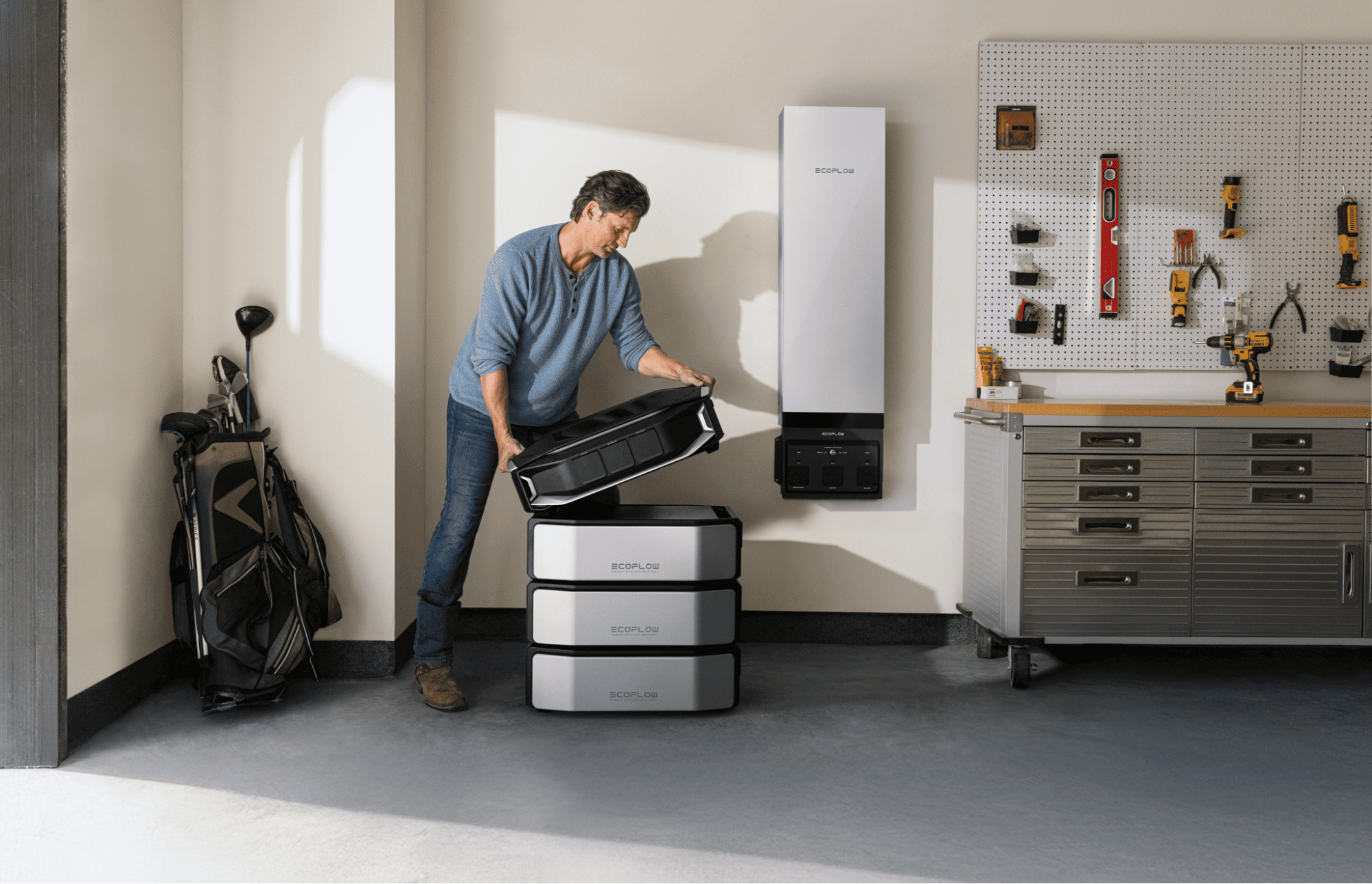
Ready to Explore EcoFlow's Scalable Standby Generator Solutions and Secure Your Family's Energy Independence Today?
Thanks to rapidly advancing battery technology and declining costs, homeowners and renters enjoy unprecedented choice when selecting reliable standby generators and battery backup power systems.
Unlike conventional standby generators burning natural gas, propane, or other fossil fuels, EcoFlow portable power stations and solar generators carry UL certification for safe indoor operation.
Whether you live in a mid-century-modern house in Los Angeles or a Pueblo revival home in Phoenix, you never need to go without electricity during an outage.
EcoFlow DELTA Pro Ultra X delivers numerous advantages compared to traditional standby generators and other home battery backup systems.
That's one reason EcoFlow is the #1 manufacturer and retailer of portable power stations worldwide.
For a limited time, EcoFlow is offering substantial discounts and installation support for EcoFlow DELTA Pro Ultra X.
Looking for off-grid recreational power supplies or home office UPS?
EcoFlow has got your back.
Check out our selection today.
Resources Cited
Energy.gov. “Department of Energy Releases Report on Evaluating U.S. Grid Reliability and Security,” July 7, 2025. https://www.energy.gov/articles/department-energy-releases-report-evaluating-us-grid-reliability-and-security.
Product References
EcoFlow DELTA Pro Ultra X
EcoFlow. DELTA Pro Ultra X User Manual. 2025. https://manuals.ecoflow.com/cn/product/delta-pro-ultra-x?lang=en_US
EcoFlow. DELTA Pro Ultra X Product Page. Accessed October 2025. https://www.ecoflow.com/us/products/delta-pro-ultra-x
Tesla Powerwall 3
Tesla Inc. Powerwall 3 Owner’s Manual & Safety Instructions. 2025. https://energylibrary.tesla.com/docs/Public/EnergyStorage/Powerwall/3/OwnerManual/en-us/Powerwall-3-Owner-Manual-EN.pdf
Tesla, Inc. “Powerwall.” Tesla. Accessed October 24, 2025. https://www.tesla.com/Powerwall.
Tesla, Inc. “Powerwall 3 Datasheet (en-US).” Tesla Energy Library. Accessed October 24, 2025. https://energylibrary.tesla.com/docs/Public/EnergyStorage/Powerwall/3/Datasheet/en-us/Powerwall-3-Datasheet.pdf.
Tesla, Inc. “Powerwall System Design and Installation Guide (North America).” Tesla Energy Library. Accessed October 24, 2025. https://energylibrary.tesla.com/docs/Public/EnergyStorage/Powerwall/3/Installation/en-us/Powerwall-3-Design-and-Installation-Guide.pdf.
Tesla, Inc. “How Powerwall Works.” Tesla Support. Accessed October 24, 2025. https://www.tesla.com/support/energy/Powerwall/learn/how-Powerwall-works.
Generac PWRcell 2
Generac Power Systems, Inc. PWRcell 2 Specification Sheet and Brochure. 2025. https://www.generac.com/globalassets/residential/dealers--installers/generac-installer-programs/solar--battery-installer-support/pc2brochure_specguide.pdf
Generac Power Systems. PWRcell 2 Battery Cabinet and Inverter Technical Specification Guide. Waukesha, WI: Generac, 2024. https://www.generac.com/globalassets/residential/clean-energy/pc2brochure_specguide.pdf
Generac Power Systems. PWRcell 2 Whole Home Power System Product Page. Accessed October 2025. https://www.generac.com/all-products/clean-energy/pwrcell-2
Generac Power Systems. PWRcell 2 Ecosystem Overview (Rev A). Waukesha, WI: Generac, 2024. https://www.generac.com/globalassets/residential/clean-energy/pwrcell/pwrcell2-overview.pdf
Generac Power Systems. Clean Energy Load Management Overview. Waukesha, WI: Generac, 2024. https://www.generac.com/globalassets/residential/clean-energy/pwrcell/clean-energy-load-management-overview.pdf
*Disclosure: All specifications, performance data, and product descriptions in this comparison are drawn directly from manufacturer documentation and public datasheets as of October 2025. Information is provided for factual comparison only and may vary by region, firmware, or configuration.
For press requests or interview opportunities, reach out to our media team
media.na@ecoflow.com