Snowfall vs. Snow Depth: Why the Numbers on the News Don't Match Your Backyard
The forecast says there is 6 inches of snow. But in reality, you step into your yard and see: only 2 inches.
Why the gap? Is the news lying or is the forecast being inaccurate again?
Usually, no. The confusion comes from mixing up two different measurements: Snowfall (the amount that falls) and Snow Depth (the amount that sticks).
What Is the Difference Between Snowfall and Snow Depth?
Snowfall: The amount of new snow that accumulates during a specific time period. This measurement tracks fresh snow before it has time to settle or melt.
Snow Depth: The total vertical height of the snowpack currently on the ground. This value includes both new snow and old snow layers after they have naturally compressed.
Feature | Snowfall | Snow Depth |
Definition | The amount of new snow that falls during a specific period. | The total depth of snow currently on the ground. |
Focus | Rate of accumulation (Action). | Total accumulation (State). |
Includes | Only the newly fallen flakes. | Old snow + New snow (minus melting/settling). |
Equation | New Snow Only. | (Old Snow + New Snow) - (Melting + Compacting). |
Timeframe | Measured over a duration (e.g., "past 6 hours," "past 24 hours"). | Measured at a specific snapshot in time (e.g., "at 7:00 AM"). |
Snowfall > Snow Depth
Fresh snow is not solid; it is mostly just air. When it first lands, it is light and fluffy. However, gravity quickly works to squish it. The weight of the new snow on top presses down on the layers below, squeezing the air out.
For example, if six inches of snow falls from the sky, the bottom layers get crushed before the storm even ends. So, while six inches actually fell, your ruler might only show four inches on the ground. This is why the amount that falls is usually greater than the depth you measure.
How Do They Measure Snowfall?
The official numbers often look different from what is in your yard because meteorologists have a few tricks to keep the data consistent. They use specific tools to stop the ground and the wind from messing up the numbers.
Using a Snowboard
Grass is actually terrible for measuring snow. It is uneven and holds heat from the earth, which melts the bottom layer of snow immediately. Pros solve this by placing a white wooden board on flat ground. This gives the snow a cool, level surface to land on so nothing gets lost to melting or settles into the grass.
Wiping the Slate Clean
This is the biggest difference between their numbers and yours. If snow sits for 24 hours, it shrinks. To stop this, meteorologists measure the board every six hours and then wipe it completely clean. By adding up those shorter measurements at the end of the storm, they capture the total amount that fell before gravity had a chance to squash it down.
Averaging the Drifts
Wind is a nightmare for accuracy because it piles snow up in some spots and strips it away in others. A single measurement is rarely right. Instead, experts stick a ruler into ten different random spots in an open area. They calculate the average of those numbers to cancel out the effects of wind drifts.
The Science of Wet vs. Dry Snow
The "water content" of the snow dictates everything from how much it compacts to how hard it is to shovel.
The 10-to-1 Ratio
In a standard "average" snowstorm, meteorologists use a 10:1 ratio. This means 10 inches of snow equals 1 inch of liquid water. However, this is just a baseline.
The "Dry" Fluff: In very cold temperatures (below 20°F), you might get a 20:1 or even 30:1 ratio. This is the "Champagne Powder" skiers love. It piles up high but contains very little water. It compresses rapidly.
The "Wet" Cement: Near freezing (32°F), the ratio might be 5:1. This snow is heavy, dense, and settles less because it is already packed with water. This is the snow that snaps tree branches and downs power lines.
How Much Snow Is 'A Lot'? (And Why It Matters)
Is it just a messy drive, or is it dangerous? The number of inches tells you how much your plans need to change. Here is the difference between being late for work and being stuck at home.
| Level & Amount | What Happens? | What to Do? |
| 1 to 3 Inches (Nuisance) | • Roads are slushy and slippery. • Commutes take longer. • Sidewalks get messy. | • Drive slowly. • Leave 15 minutes early. • Have a shovel or broom ready. |
| 4 to 11 Inches (Disruption) | • Schools likely to close. • Driving is difficult and risky. • Flights may be canceled. | • Stay home if possible. • Buy groceries beforehand. • Shovel early and often. |
| 12+ Inches (Emergency) | • Roads are impassable. • Risk of power outages. • The city shuts down. | • Do NOT drive. • Prepare an emergency kit (batteries, heat). • Wait for heavy plows. |
How to Prepare for the Big Snow
When they say 8 inches or more of snow is coming, planning changes from "shoveling" to "survival." Heavy snow often leaves people isolated and cuts off the power. Before the first snowflake falls, make sure you have these exact things ready.
Non-Perishable Food and Water
Pipes can freeze and roads may not be passable for days. Keep three days' worth of ready-to-eat, high-calorie foods on hand, such as peanut butter, canned soups, and protein bars. Importantly, keep at least one gallon of water for each person per day in case the water supply runs out. This will keep you hydrated and clean.
Portable Power Station EcoFlow DELTA 3
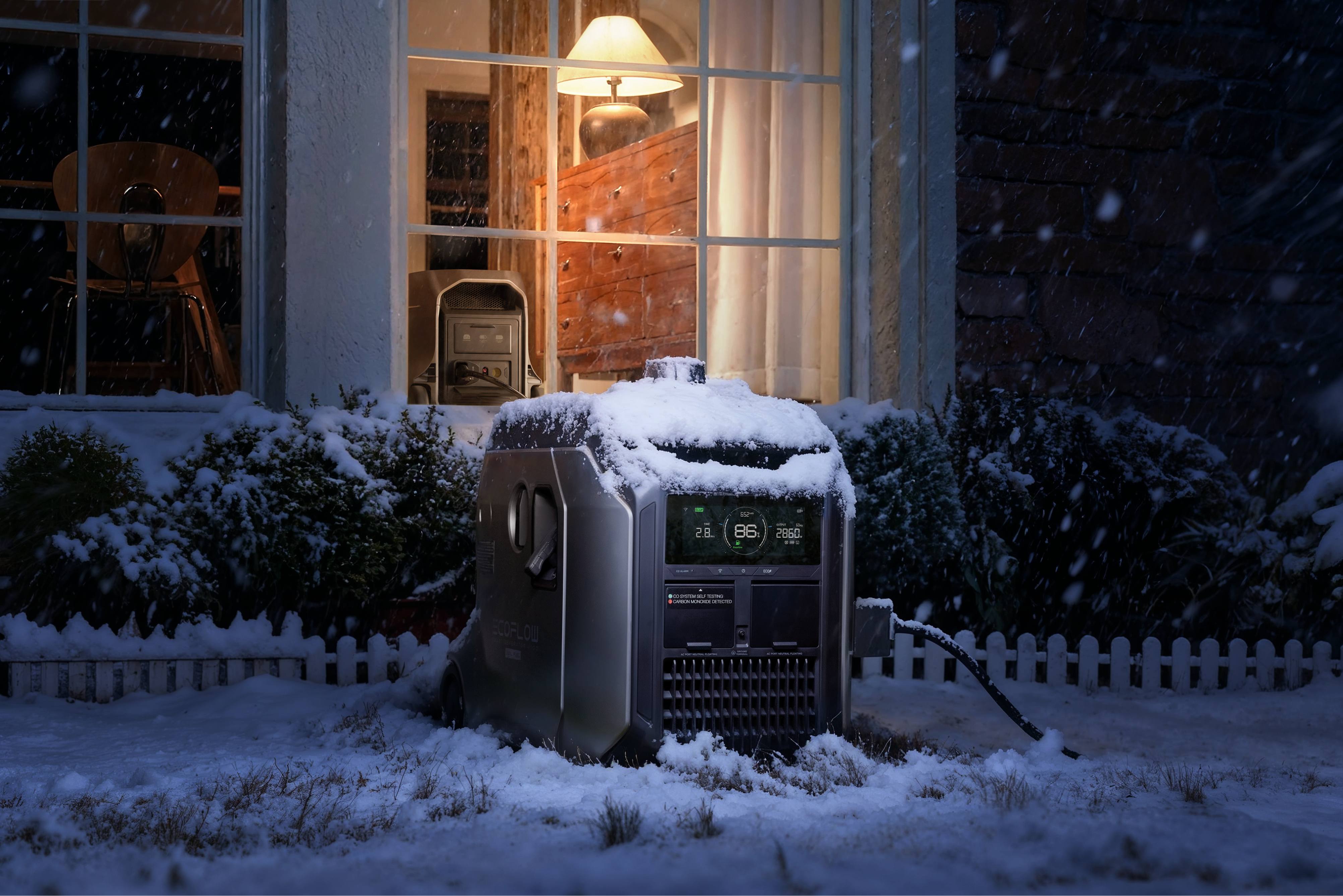
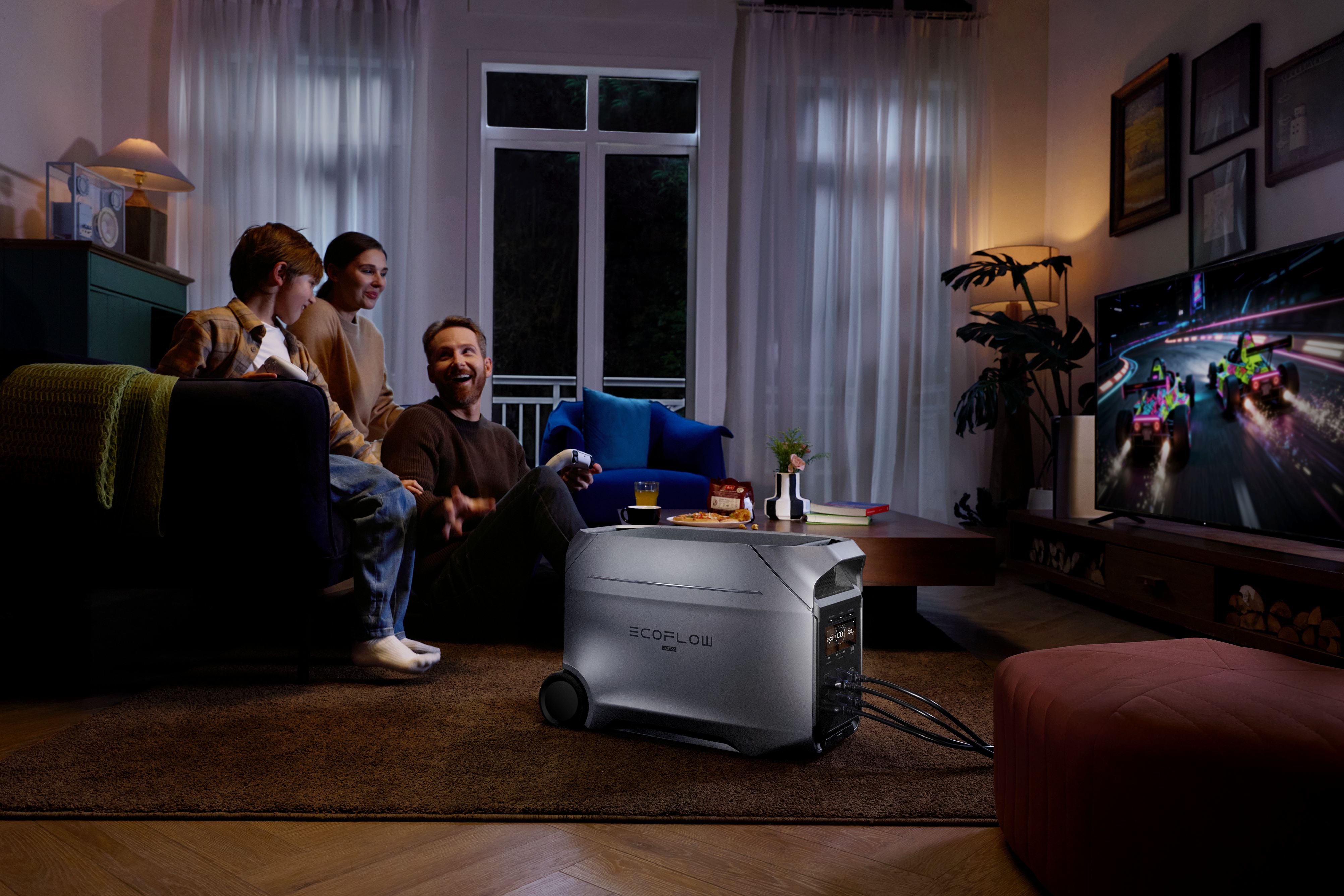
When heavy snow breaks power lines, gas generators are often too loud or dangerous to use indoors. The EcoFlow DELTA 3 is a safe, quiet way to power your home. Before the storm, you can plug it into a wall outlet and charge it from 0% to 80% in just 45 minutes. It can power essential devices like space heaters, microwaves, and Wi-Fi routers with up to 2600W of power, keeping you warm and connected without giving off any fumes.
Cold Weather Sleeping Bags
Your house will quickly freeze if the power goes out and your heater stops working. Most of the time, regular blankets aren't enough. Buy sleeping bags that are rated for 0°F to ensure you can sleep safely even if it's freezing inside. Wear these with wool base layers that wick away moisture to retain body heat.
NOAA Weather Radio
During severe blizzards, cell towers can get overloaded or lose power. Even if your phone doesn't have service, a hand-crank or battery-powered NOAA weather radio will keep you updated on snowfall rates and emergency instructions from the National Weather Service.
Heavy-Duty Rake and Shovel
Wet snow is very heavy and can damage structures. To clear paths without hurting your back, use an adjustable shovel with a metal edge. A roof rake is necessary to remove snow off your roof. This prevents ice dams from forming and reduces the risk of the roof collapsing.
First Aid Kit and Prescription Medications
In deep snow, ambulances might not be able to reach you. Make sure you have everything you need in your first aid kit for minor injuries. More importantly, make sure you have enough of any daily prescription medications to last at least a week, since most pharmacies will be closed.
How Can a Portable Power Station Help During a Snowstorm?
A portable power station like the EcoFlow DELTA 3 acts as a silent, indoor-safe energy bridge during blackouts. Unlike gas generators, it produces no fumes, so you can keep it in your living room. It provides immediate electricity to run critical survival gear: space heaters to prevent hypothermia, pipe-heating tape to stop plumbing bursts, microwaves for hot food, and routers to maintain communication with emergency services and weather tracking.
True Winter Readiness
Next time the news predicts a foot of snow and you only measure eight inches, you will know the science behind the discrepancy. Between compaction, wind drift, and melting, snow measurement is a fluid science. However, while the numbers on the ruler are interesting, the preparation inside your home is vital. Whether it is two inches or two feet, staying safe, warm, and powered is the ultimate goal of winter readiness. With the right knowledge and the reliable power of EcoFlow, you can handle whatever winter throws your way.
FAQs
Q1: Is 2025-2026 Going to Be a Bad Winter?
Long-term forecasts from sources such as the Farmers' Almanac and NOAA call for a "Wild" winter in 2025–2026. The forecast for the Northeast and Great Lakes areas calls for a "wet and white" winter with a lot of snow. In the meantime, frequent mixed rain and ice storms are likely in the southern and central US. Even though temperatures might be close to normal on average, the season is likely to be very changeable, with quick shifts between mild thaws and deep freezes. This makes it more likely that sudden storms will damage infrastructure.
Q2: Which US State Has No Snow?
Technically, no US state is totally free of snow, but Florida and Hawaii are the only ones that come close. Hawaii has high mountain peaks, like Mauna Kea, that often get blizzards, but places at sea level, like Honolulu, have never seen snow. Florida is the only state where most people almost never see snow, though occasionally light snowfall has happened in the northern tip. As far as getting away from the shovel goes, Key West, FL, is the best place to go.
Q3: Does Temperature Affect How We Measure Snow Accumulation?
Of course. The "Snow-to-Liquid Ratio," which significantly affects depth measurements, is based on temperature.
30°F to 32°F (Freezing Range): It makes "Wet Snow" with a low ratio (about 5:1). It's thick, heavy, and sticks together upon falling, which means that depth readings are lower but roofs and power lines are under more structural stress.
Below 20°F (Very Cold): Cold air makes "dry snow" or "powder" with a high ratio (20:1 or more). It accumulates to impressive depths because it is light and airy, but it doesn't hold much water and tends to move around in the wind.
Q4: Why Does Snow Depth Decrease Even if the Temperature Is Below Freezing?
Snow depth can decrease even on cold days without melting. This is due to two invisible physical processes:
Compression: The ice crystals are constantly being pushed down by gravity, which breaks their delicate structures and squeezes the air out of the snowpack. Over time, this makes the layer denser and shallower.
Sublimation: Sunshine and dry air can turn solid snow directly into water vapor (gas), bypassing the liquid phase. The snow essentially evaporates into the air, reducing snow depth without melting.
Q5: What Are the Four Types of Snow?
Scientists have found dozens of different crystal structures, but for practical reasons (like snow removal and safety), snow can be broken down into four main groups:
Powder (Dry Snow): Light and fluffy snow that falls through cold, dry air. It doesn't stick together, which makes it easy to shovel, but it doesn't make good snowballs either.
Wet Snow: Snow that falls through slightly warmer air (near 32°F). The flakes melt a little and stick together, packing densely. While this is great for snowmen, it is hard to move and can strain your cardiovascular system because it is so heavy.
Crust (Ice Layer): This forms when snow melts and then freezes again, or when rain falls on snow. It turns into a hard, icy layer that is dangerous to walk on and hard to remove without salt or an ice pick.
Snirt (Snow + Dirt): This is a familiar sight in late winter or on roads that have been plowed. It is a mix of white snow and dark dirt or grime from the road. Not only does dirty snow look bad, but it also absorbs more solar radiation and melts faster.
For press requests or interview opportunities, reach out to our media team
media.na@ecoflow.com