Quiet Parks Certification: The Quest for True Silence
- What Is Quiet Parks Certification?
- Why Silence Matters in a Noisy World
- Experiencing a Quiet Park: What Visitors Should Know
- Sustainable, Off-Grid Travel and the Role of Technology
- The Future of Quiet Parks
- Preserving Silence as a Shared Responsibility
- Frequently Asked Questions
- Quiet Parks Protect Natural Landscapes
In a world that’s always on, it's getting increasingly difficult to find the silence we all sometimes need. But true silence is still out there if you know where to look. The Quiet Parks Certification, issued by Quiet Parks International, is a designation that allows people to find serene places to spend time away from the noise of modern life.
Let's take a look at what this qualification is, why it matters, and how you can carve out some quiet time for yourself, no matter where you are.
What Is Quiet Parks Certification?
When was the last time you heard true silence? For most of us living in urban environments, it's hard to even remember the last time we heard nothing. Yet noise pollution has been shown to have serious effects on both mental and physical health.
The Quiet Parks Certification is a conservation initiative intended to identify, protect, and promote places where natural soundscape still exists, largely free from human-made noise.
The certification was developed by Quiet Parks International, a nonprofit organization founded in 2019 by filmmaker and acoustic ecologist Gordon Hempton. In his work around the world, Hempton found that natural environments and the soundscapes they contain have come increasingly under threat from encroaching human noise.
These principles have been adopted by the National Park Service to help preserve natural soundscapes in the same way that it protects physical environments.
Ultimately, the certification is about recognizing that sound is an environmental resource. Traffic, airplanes, industrial activity, and electronic noise threaten the natural soundscapes of the world, and the Quiet Parks certification is intended to protect this precious acoustic resource.
Why Silence Matters in a Noisy World
A loud environment is more than just a nuisance. Dozens of studies have shown that it can have a serious impact on our mental and physical health.
For example, the World Health Organization found that long-term exposure to road traffic noise increases the risk of heart disease. Other studies have shown that environmental noise can trigger chronic stress, impair long-term memory in children, and cause disturbances in mental health, including anxiety, neurosis, and psychosis.
It's not just humans that are affected by noise. A loud environment can affect various wildlife species and may be harmful to their reproductive success and long-term survival. Noisy environments stress animals out, make it harder for them to communicate with one another, and make it more difficult for them to avoid predators.
With that in mind, it's more important than ever to reduce our acoustic footprint on the world around us.
Experiencing a Quiet Park: What Visitors Should Know
The Quiet Parts Certification makes it easy to find places where the natural soundscape can be enjoyed free of human interference. QPI publishes a map of quiet places where you can experience the positive health benefits of nature.
When visiting a quiet park, it's important to do what you can to maintain the natural soundscape. Here are some ways to do it:
Silence electronic devices or keep them on airplane mode
Speak softly
Avoid noisy equipment like drones, speakers, or motorized tools
Use silent equipment like EcoFlow power stations to keep your electronics charged
Respect wildlife by observing quietly from a safe distance
Stick to designated trails to reduce environmental and acoustic disturbance
Travel on foot or by bicycle wherever possible.
Use headphones if you really need to listen to an electronic device
Time in a quiet park encourages a shift in mindset. Preserving the natural soundscape encourages you to slow down, observe, and reconnect with the real world. That's the value of true silence.
Sustainable, Off-Grid Travel and the Role of Technology
Technology is a significant contributor to the growing problem of noise pollution. But the right technology can also be a solution. If you're camping in the backcountry or hiking a trail through a National Park, you can stay connected while respecting the environment.
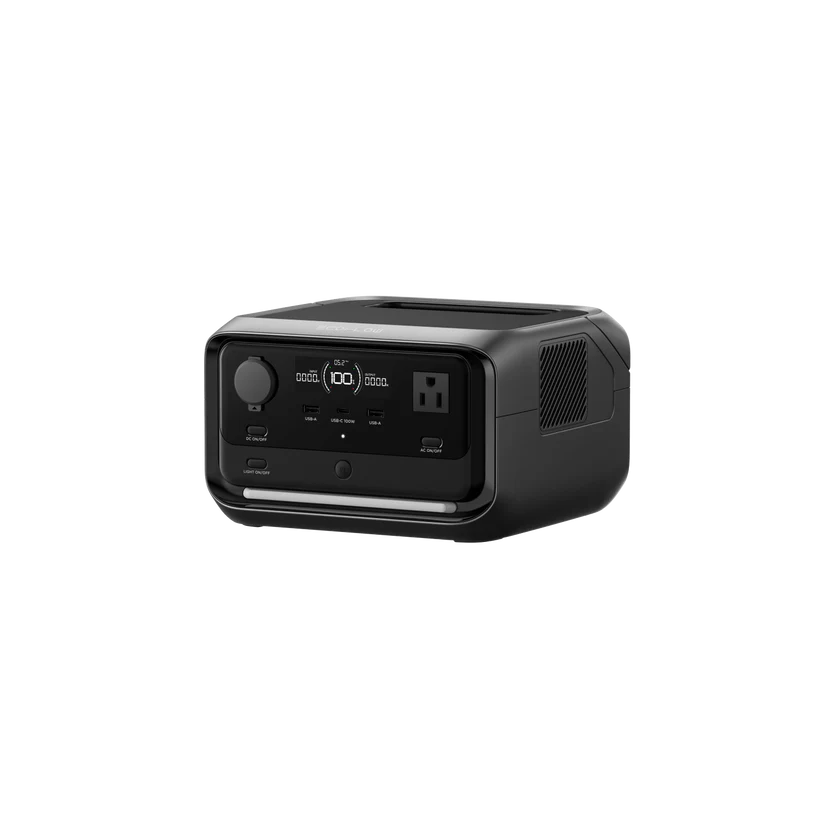
For example, power sources like the EcoFlow RIVER 3 Plus Portable Power Station can keep your devices charged without requiring a noisy generator.
Low-energy personal electronics can run longer on minimal power, reducing the need for charging. Passive navigation tools like paper maps limit your reliance on devices, as well as improve your navigation skills. Coolers and other storage equipment with soft-close lids reduce noise when you're accessing your gear, and soft fabric backpacks and pouches help you move more silently.
The Future of Quiet Parks
By now, we all know the dangers of pollution and habitat loss. However, thanks to the work of organizations like Quiet Parks International, we’re becoming increasingly aware of the threat to the natural world and human health posed by noisy environments. Alongside dark sky and air quality initiatives, the movement toward soundscape protection is gathering momentum.
International organizations like the World Health Organization and the European Environment Agency are starting to recognize access to quiet places as a public health issue. Protecting silence is finally becoming a measurable and enforceable part of conservation strategy.
Preserving Silence as a Shared Responsibility
It's becoming increasingly difficult to escape the modern world and all its distractions. Even in previously isolated places, electronic devices are becoming increasingly common, and the noise of aircraft and traffic continues to encroach on the modern world.
Just as too much noise can have a damaging effect on your health, getting away from it can make you feel better.
It's up to all of us to preserve the natural soundscape we encounter as much as possible. And with the right technology, it's easier than ever to enjoy the comforts of home without disturbing wildlife, other visitors, and the nature all around you.
The Quiet Park Certification can help you find places where you can experience the sacred silence of the natural world. It's on all of us to protect these threatened spaces so that future generations can find peace in a noisy world.
Frequently Asked Questions
What Makes a Park Eligible for Quiet Parks Certification?
A park must meet strict scientific standards to demonstrate minimal human-made noise. Certification is based on long-term acoustic monitoring. It evaluates how often unnatural sounds like aircraft or traffic intrude on the natural soundscape.
Are Quiet Parks Completely Silent?
No. The goal is to preserve the natural soundscape and reduce human noise. Natural sounds like flowing water, birdsong, wind, and rain are part of the experience.
Why Do We Need To Protect Natural Silence?
Research shows that chronic noise harms wildlife behaviour, human health, and mental well-being. Protecting quiet spaces supports biodiversity and preserves these natural areas as places for people to escape the modern world.
Can the Public Visit Quiet Parks?
Most Quiet Parks allow visitors. However, you should follow low-impact guidelines, including minimizing noise, avoiding motorized equipment, and respecting wildlife to preserve the park's unique soundscape.
Quiet Parks Protect Natural Landscapes
Quiet Parks Certification highlights a simple but increasingly important truth: silence is essential. By identifying and protecting places where natural soundscapes still thrive, Quiet Parks International helps preserve both ecological balance and human wellbeing in an increasingly noisy world. Next time you head out for a spot of solitude, remember to pack your EcoFlow RIVER 3 Plus Portable Power Station to ensure your devices stay juiced up.
For press requests or interview opportunities, reach out to our media team
media.na@ecoflow.com