Power Recliner Battery Pack vs. Continuous Power Solutions: Which is Right for You?
- The Power Behind Your Cordless Power Recliner
- The Standard Power Recliner Battery Pack Explained
- What Continuous Power Solutions Bring to the Table
- Direct Comparison: Battery Pack for Reclining Furniture vs. Portable Power
- Matching Solutions to Your Lifestyle
- A Practical Example for Cordless Power Recliner Users
- How to Choose Your Ideal Power Solution
- Ready to Power Your Comfort
- FAQs
Modern recliners offer freedom from outlet placement constraints. Two main options power these comfortable furniture pieces. Standard battery packs provide basic mobility. Continuous power solutions deliver extended operation and versatility. Your choice depends on usage patterns, backup needs, and comfort priorities.
The Power Behind Your Cordless Power Recliner
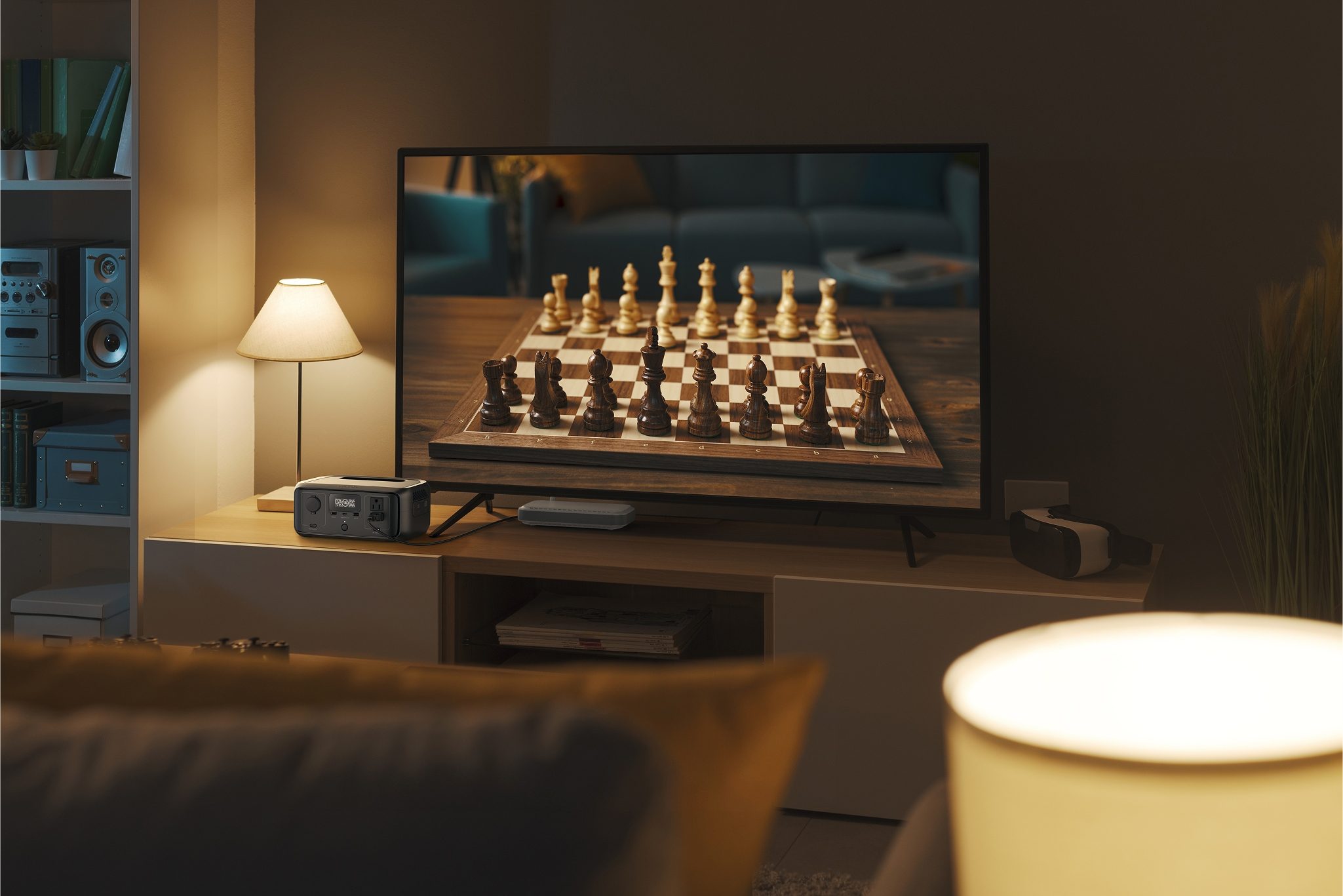
Electric recliners need reliable energy sources to function smoothly. The traditional approach uses manufacturer-supplied battery packs designed specifically for furniture applications. These compact units attach directly to your recliner's frame. An alternative approach uses portable power stations originally designed for camping and emergency backup purposes. Their high capacity and multiple outputs make them suitable for furniture power needs as well.
The gap between these solutions is significant in both capacity and application.
The Standard Power Recliner Battery Pack Explained
Standard furniture battery packs represent the baseline solution most manufacturers provide with their cordless models.
How Furniture Battery Pack Systems Work
Most standard battery packs for recliners range from 2000mAh to 5000mAh capacity. This translates to approximately 20 to 80 reclining cycles per charge. The exact number varies based on motor efficiency and adjustment frequency.
A single recline-and-return cycle typically consumes 50-100mAh of power. Light users might recharge monthly while heavy users need weekly charging sessions. The compact rectangular design tucks neatly under seat cushions or against frames with mounting brackets that ensure stable positioning during movement.
Installation and Daily Use
Connection involves simple plug-and-play interfaces that most users complete in minutes without tools. The battery pack for reclining furniture typically weighs 2-4 pounds, adding minimal bulk to your chair. Furniture manufacturers optimize these packs for seamless integration with their specific models.
Charging requires plugging the pack into a standard wall outlet using the included adapter. Full recharge takes 4-8 hours depending on capacity and charger specifications.
The Limitations You Should Know
Standard packs serve their intended purpose but have clear boundaries that become apparent with regular use. Once depleted, they require hours of recharging before use resumes. No secondary functions exist beyond powering your recliner.
Temperature sensitivity affects performance noticeably. Cold environments reduce available capacity by 20-30%. Hot conditions accelerate degradation over time, shortening the overall lifespan.
Replacement costs add up since these specialized units often carry premium pricing. Availability can be limited to specific manufacturers or authorized dealers. Some discontinued furniture models face compatibility issues when battery technology updates occur.
What Continuous Power Solutions Bring to the Table
Portable power stations represent a different approach that prioritizes capacity and versatility over furniture-specific design.
Massive Capacity Differences
Entry-level portable power stations offer 150Wh to 300Wh capacity while mid-range options reach 500Wh to 1000Wh. Premium units exceed 2000Wh for extended operation.
This capacity difference is dramatic when compared to standard furniture battery packs. A 500Wh power station provides roughly 4-5 times the energy of a 5000mAh furniture battery pack when accounting for voltage differences. Your recliner might operate for a month on a single charge with a mid-sized unit. Larger stations could power furniture through extended outages lasting days or weeks.
Beyond Just Powering Your Recliner
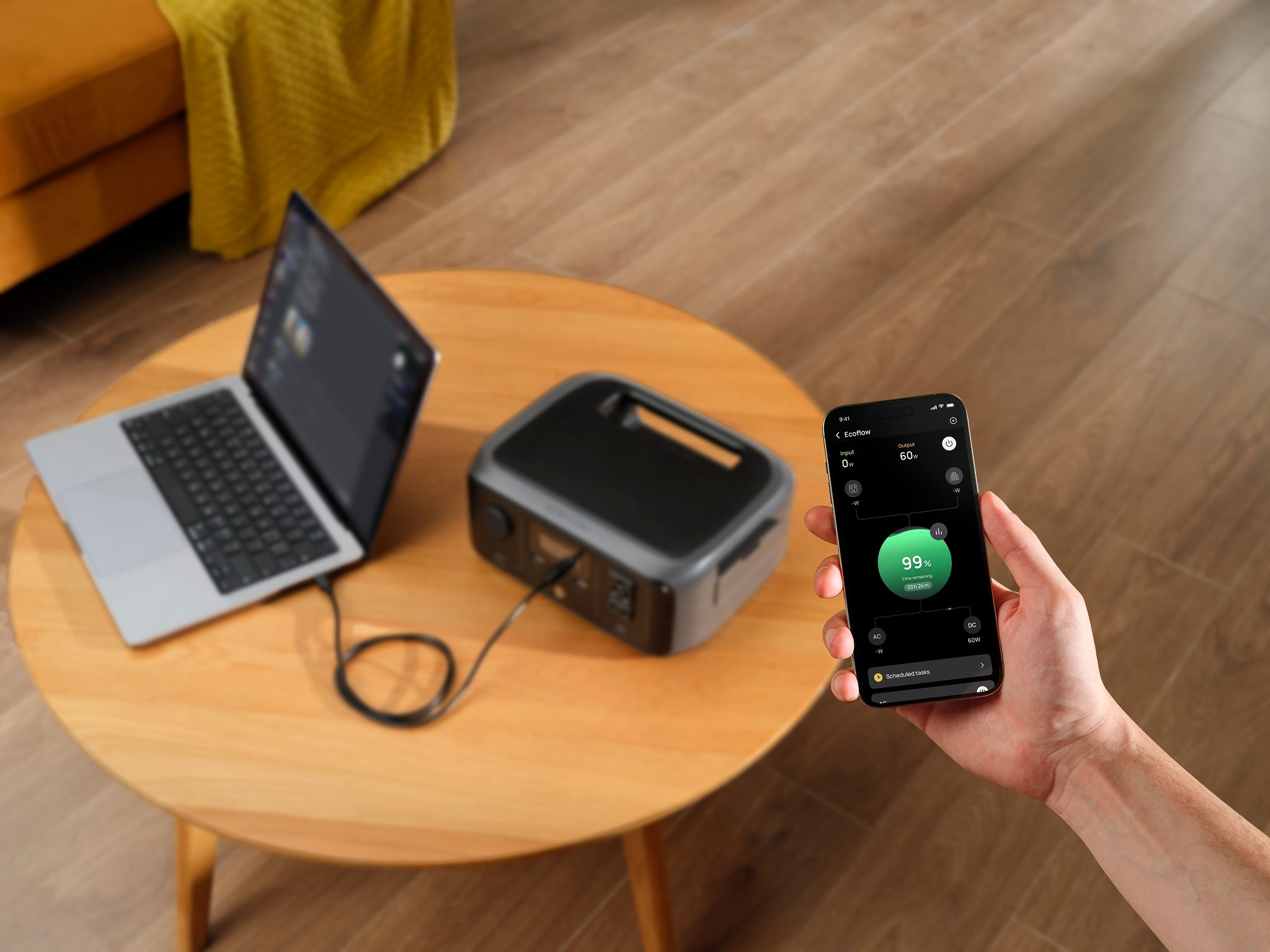
These devices feature various ports and outlets that expand their utility considerably. AC outlets match standard wall plugs. USB ports charge phones and tablets. DC outputs connect to compatible devices.
One power station can serve multiple purposes simultaneously without compromising performance. Charge your devices while powering your recliner. Add a reading lamp or heated blanket to your comfort setup. This versatility extends beyond furniture applications to camping trips, outdoor events, or emergency backup scenarios.
Smart Technology Integration
Modern portable stations include battery management systems that protect against overcharge, overdischarge, and short circuits. Temperature monitoring prevents damage from extreme conditions. LCD displays show remaining capacity, input/output wattage, and runtime estimates so you know exactly how much power remains available.
Some models offer solar charging capabilities that pair with solar panels for renewable energy input. This creates a truly independent power system for your furniture that operates off-grid indefinitely.
Direct Comparison: Battery Pack for Reclining Furniture vs. Portable Power
The practical differences between these two approaches become clear when examining specific use scenarios.
Key Specifications at a Glance
The table below summarizes the core technical differences between standard battery packs and continuous power solutions.
| Feature | Standard Battery Pack | Continuous Power Solution |
| Typical Capacity | 2000-5000mAh | 150-2000Wh |
| Reclining Adjustments per Charge | 20-80 cycles | 200-2000+ cycles |
| Weight | 2-4 lbs | 5-50 lbs |
| Recharge Time | 4-8 hours | 3-12 hours |
| Additional Outputs | None | AC, USB, DC ports |
| Typical Lifespan | 2-4 years | 5-10 years |
| Price Range | $50-$150 | $150-$2000+ |
These specifications highlight why power stations excel for demanding users who need extended runtime and versatility.
Investment and Long-Term Value
A standard power recliner battery pack typically costs between $50 and $150 with replacement occurring every 2-4 years depending on usage intensity. Continuous power solutions range from $150 for basic models to $2000+ for premium units. The higher initial investment brings expanded capabilities and longer lifespan that often exceeds 5-10 years.
Cost per watt-hour favors portable power stations significantly. You pay more upfront but receive substantially more energy storage and functionality that serves multiple purposes.
Real-World Performance Scenarios
Standard battery packs excel at their specific task of powering recliners efficiently without complexity. They work well for users who adjust their furniture occasionally throughout the day. A typical pack handles 3-5 adjustments daily for several weeks before requiring recharge.
Power stations handle demanding scenarios better where frequent adjustments would drain standard packs quickly. Users who adjust positions 10-20 times daily find continuous power solutions maintain consistent performance. High-capacity units can support unlimited adjustments when plugged into wall power while simultaneously providing backup during outages.
Emergency Preparedness and Outages
Power outages reveal stark differences between the two options. A furniture battery pack might last through a few-hour disruption if fully charged. The limited capacity depletes quickly when you rely on your recliner for mobility assistance or medical positioning.
A continuous power solution keeps your recliner operational for days during extended outages. A 500Wh station powers a typical recliner for 50-100+ hours of active use. Larger models extend this to weeks of normal operation, providing genuine emergency backup capability.
Size, Weight and Placement
Furniture battery packs win on weight and size with their lightweight design adding minimal bulk. Moving furniture remains manageable when the battery stays attached. Their compact profile disappears completely under cushions or within furniture frames.
Portable power stations vary widely in portability. Smaller units around 5-10 pounds offer decent portability for occasional relocation. Larger models weighing 30-50 pounds function more as semi-permanent installations positioned near your furniture. Most users place power stations on nearby tables or floors rather than attaching directly to recliners, allowing easy access to other ports and controls.
Matching Solutions to Your Lifestyle
Different usage patterns and household needs favor one solution over the other.
When Standard Battery Packs Make Sense
Light to moderate recliner users find standard packs adequate for their needs. You adjust your furniture 3-8 times daily for reading, watching television, or brief relaxation periods. Weekly or monthly charging fits your routine comfortably without feeling burdensome.
Budget-conscious buyers appreciate the lower entry cost when cordless functionality is a nice-to-have rather than essential. You need basic functionality without extra features. Simplicity matters more than versatility or extended runtime.
Space-limited situations favor compact battery packs in apartments or tight furniture arrangements. You lack floor space for additional equipment. The minimal footprint of integrated battery packs suits your environment better.
When Continuous Power Solutions Excel
Heavy recliner users require an extended runtime that conventional batteries cannot offer. You switch through positions at least 15-30+ times throughout an awake day. Losing battery life during a relaxing session annoys you and breaks your relaxing process.
For multi-device homes, efficiency can be achieved using centralized charging solutions. You already possess or own devices such as tablets, phones, laptops, among others that require continuous charging. A power station will solve this problem.
Medical necessity circumstances demand uninterrupted power backup systems for lift chairs and medical recliners. You rely on the use of power furniture for mobility. When power goes down in your area, it becomes more of a health and safety issue.
Those who focus on emergency preparation realize that it is very useful to have a substantial backup power available in case of widespread power outages in their region. It is highly important to be able to live with a comfortable level of mobility in case of a blackout.
Living situations whether remote or off-grid benefit immensely from high storage capacity and solar charging. Poor electrical infrastructure makes high storage capacity a necessity. Integration of solar charging makes your furniture self-sufficient in terms of energy needs.
A Practical Example for Cordless Power Recliner Users
For those considering the transition from standard battery packs to continuous power solutions, the EcoFlow RIVER 3 represents a balanced option worth examining. This 245Wh portable power station weighs just 7.8 pounds, making it reasonably portable while delivering substantially more capacity than furniture-specific battery packs.
The RIVER 3 can power a typical cordless power recliner for 200-400 adjustment cycles on a single charge. That translates to weeks or even months of normal use depending on your adjustment frequency. The 600W AC output handles recliner motors comfortably while leaving capacity for simultaneous device charging through USB-C and USB-A ports.
Fast charging capability stands out as a practical advantage. The unit recharges fully in approximately one hour, compared to the 4-8 hours required by most furniture battery packs. This quick turnaround means less planning around charging schedules.
Long-term value comes from the 3000+ charge cycle lifespan. While a standard furniture battery pack typically lasts 2-4 years, this power station can serve your needs for 5-10 years with proper care. The competitive pricing positions it well against replacing furniture-specific batteries multiple times over the same period.
Solar charging capability adds flexibility for outdoor furniture setups or emergency preparedness scenarios. Pair the unit with compatible solar panels to create a self-sustaining power system for your recliner that operates independently of grid power.
How to Choose Your Ideal Power Solution
To make the correct decision, there is a need for self-assessment on your situation and future needs.
Calculate Your Actual Usage
Keep a record of how many changes are made in a week in order to get a basis for comparison. There will be some variation based on usage patterns. Frequent users can range between 5-10 changes each day. Casual users can average 15-25 changes each day. Frequent users can go beyond 30.
To give you a rough approximation of your daily cycles multiplied by 30 days in a month, compare it to the specifications of the battery pack. If your usage patterns approach or exceed standard capacities of a battery pack, then solutions involving continuous power might be a better choice for your requirements. Keep in mind that these are rough approximations rather than ironclad guidelines because your specific use in a recliner will also play a part in the ultimate determination.
Think About Tomorrow
The furniture layout will keep evolving as your household keeps growing. You may end up having more battery-powered recliners in the future or even those that include features such as warming or massage. The bigger power solution will keep expanding with you.
The pace of technology adoption speeds up as wireless technologies proliferate in residences each year. A versatile power station finds uses in emerging needs beyond mere furniture. Healthcare aspects also count here since seniors and people with mobility problems may become more reliant on recliners in the years to come.
Environmental Factors Matter
Frequent power outages make continuous power solutions necessary if your region or locality has regular issues related to power instability. The value of storm power backup solutions cannot be overstated. Measure the number of annual power outages in your location as a risk factor.
Outdoor living spaces also benefit when you have portable power that will allow you to enjoy your patio set without putting up wiring for electricity in the area. Flexibility also comes in handy since you are able to relocate your recliner to various spots depending on the season.
Ready to Power Your Comfort
Your seating comfort depends on choosing reliable power delivery matched to your needs. Standard battery packs serve basic requirements affordably for occasional users. Continuous power solutions provide extensive capability and extended runtime for demanding applications. Evaluate your usage patterns honestly, consider future needs, and select the option that keeps your cordless power recliner ready whenever relaxation calls.
FAQs
Q1: How Long Does a Typical Furniture Battery Pack Last Before Replacement?
The average battery pack used in recliners will last for 2-4 years depending on usage and environmental factors. Better-quality battery packs will last longer – up to 5 years. A noticeable reduction in capacity will occur when the runtime declines to below 50% of the original capacity.
Q2: Can I Use Any Portable Power Station With My Recliner?
Compatibility relies on your recliners' power requirements and input capabilities. Check voltage and type of connectors prior to buying. Commonly used power stations have standard AC outlets that will connect to a recliner power plug. Ensure the output power does not fall below your furniture's usage rate.
Q3: What Happens When the Battery Dies During Use?
A recliner will halt in its position when the battery runs out completely. There are release mechanisms that enable position change by manual means. There are recliners that contain backup batteries in case the user intends to go back upright. It is wise to reserve some battery power.
Q4: Are Continuous Power Solutions Safe for Indoor Furniture Use?
Latest portable power stations are equipped with sophisticated safety mechanisms, especially when used indoors. Certified portable power stations are safe for use in the home, considering electrical home safety standards. Guard the portable station from water sources to avoid any danger related to water or electricity.
Q5: How Much Does It Cost to Recharge Either Option?
The cost of electricity for charging is very low for both types of solutions. A typical furniture battery pack charging requires about $0.02-$0.05. A 500Wh portable power station charging requires about $0.06-$0.15 depending on the rate of electricity in the country. The cost of charging on a yearly basis is well under $10 for both solutions.
For press requests or interview opportunities, reach out to our media team
media.na@ecoflow.com