Portable Power for Mobile Businesses: Groomers, Repair Pros, Coffee Carts
- What Is Portable Power for Mobile Businesses?
- How Do You Right-Size a Portable Power Supply for Your Gear?
- Can Your Portable Power Source Handle Start-Up Surges?
- How Long Will a Portable Power Pack Run Coffee Carts, Groomers, and Repair Vans?
- Battery Portable Power vs. Inverter Portable Power Generator: Which Fits Your Use Case?
- Keep Your Business On Wheels Running With Portable Power
- FAQs
Running a business on wheels demands calm, clean, and dependable electricity. Appointments change, parking varies, and each site brings different outlets or none at all. A practical portable power plan lets you open on time, run pro-grade tools, and keep payments flowing without drama.
This guide turns real field needs into checklists and simple math. You will size a portable power setup, verify surge headroom, estimate run time, and choose between a battery solution and an inverter-type portable power generator. No brands, only the decisions that matter.
What Is Portable Power for Mobile Businesses?
Mobile operators use portable power to deliver AC and DC energy anywhere jobs happen. The core building blocks are simple. A battery-based unit stores energy and inverts it to pure-sine AC for appliances, while DC ports support lighting and pumps. An inverter generator creates AC from a compact engine through an inverter stage that stabilizes frequency and voltage.
Key terms you will see in spec sheets:
Capacity measured in watt-hours or kilowatt-hours. Think of this as the size of your tank.
Continuous Power measured in watts. This is your steady work rate.
Peak or Surge Power for short bursts during motor starts.
Ports such as 120 V AC outlets, 12 V DC outputs, and high-power USB for POS tablets and routers.
Recharge Paths including wall charging, vehicle alternator charging, and solar input.
Use portable power for three common mobile setups. Coffee carts need stable heat for boilers and hot water, plus grinders and a small fridge. Groomers depend on a high-draw dryer and a modest pump. Repair vans cycle between saws, grinders, chargers, and an air compressor. Each scene pushes power in a different way, which is why the sizing method below matters.
How Do You Right-Size a Portable Power Supply for Your Gear?
Good sizing begins with clarity on the loads you will run at the same time. Once you know the simultaneous watts and the biggest surge, you can select the portable power supply that holds steady through a full work block.
List Every Load with rated watts and flag items that can coincide.
Add Simultaneous Watts then apply a comfort margin for heat and long duty cycles.
Budget Energy in watt-hours for a full shift, including idle draws such as lighting and Wi-Fi.
Quick Load Worksheet
| Device | Rated Watts | Duty Cycle | Runs At Same Time | Surge Factor | Notes |
| Espresso Machine | 1,800 | 50 percent | Yes | 1.2 | Boiler cycles during service |
| Grinder | 350 | Intermittent | Yes | 1.5 | Short bursts |
| Mini Fridge | 120 | 80 percent | Yes | 6 | Compressor starts |
| High Velocity Dryer | 1,800 | 70 percent | Yes | 1.2 | Grooming peak draw |
| Small Pump 12 V | 80 | 60 percent | Yes | 1 | Low surge |
| Circular Saw | 1,500 | Intermittent | No | 3 | Plan around it |
Tally the simultaneous items first. Then compare that number to the continuous rating of your portable power supply. Reserve headroom for heat, altitude, and long duty cycles. Keep a record of every spec so you can revisit math when your menu or tool set changes.
Can Your Portable Power Source Handle Start-Up Surges?
A portable power source that sails through steady loads can still stumble on the first second of a motor start. Compressors, pumps, and some power tools draw a short spike that is several times the running wattage. The cure is to check peak ratings, add a realistic surge factor, and manage sequencing.
Match Peak Ratings To Real Loads. If your fridge lists 120 watts running and a six-times compressor start, plan for roughly 720 watts of instantaneous draw on top of anything already on.
Sequence High Spikes. Grind before the boiler fires. Run the dryer after the pump stops. Give the portable power source breathing room, and you lower the trip risk.
Use Soft Starts Where Available. Many tools and pumps offer electronics that reduce inrush, which keeps the AC waveform clean and makes small systems feel bigger.
Short Cords, Right Gauge. Voltage sag can make a healthy surge look like a fault. Keep cords short and sized for the current you expect.
If you cannot measure surge with a meter, assume conservative factors for compressors and universal motors. Your portable power plan works best when peaks are predictable.
How Long Will a Portable Power Pack Run Coffee Carts, Groomers, and Repair Vans?
Run time comes from one line of math. Estimated hours equal usable watt-hours divided by average watts. Average watts reflect the duty cycle of each device. A portable power pack with a listed capacity rarely delivers one hundred percent to AC loads, so apply a practical efficiency factor in your math.
Simple formula: Estimated Hours ≈ Usable Wh × Efficiency / Average W
Coffee Cart
The boiler cycles through the hour. Grinder runs in short bursts. The fridge draws lightly with occasional starts. Many carts see an average of one kilowatt during service. A larger morning rush pushes higher for short periods. Increase capacity if you plan to steam continuously or add a second group.
Mobile Grooming
Dryer dominates the draw while clippers, pumps, and lighting add modest watts. Many groomers manage peaks by toweling first and drying in focused intervals. That habit lowers the average and stretches a portable power pack across several appointments before a recharge.
Repair Van
Power tools spike then rest. Chargers sip during travel. The compressor defines the ceiling. Plan around the compressor cycle and charge batteries while you drive between jobs. That rhythm keeps the average lower than it looks at first glance.
To tighten estimates, log a week of real work with a plug-in meter or an inline monitor. Your own data beats any generic table.

Battery Portable Power vs. Inverter Portable Power Generator: Which Fits Your Use Case?
Each approach solves a different problem. Battery systems shine where silence, indoor use, and air quality matter. An inverter-type portable power generator favors long days with continuous high draw in open air. Many operators combine both so the battery handles the craft while the generator refills the tank during off hours.
Factor | Battery Portable Power | Inverter Portable Power Generator |
Noise | Very low | Noticeable engine sound |
Emissions | No on-site exhaust | Engine exhaust outdoors only |
Placement | Indoors or outdoors with ventilation | Outdoors with clear air path |
Maintenance | Minimal | Engine maintenance and fuel |
Run Time | Limited by capacity, extend with charging | Long with fuel on hand |
Power Quality | Pure-sine, steady frequency | Inverter stabilized AC |
Best For | Coffee service near guests, grooming in vans, tool charging | Remote builds, multi-day events, high continuous draw outdoors |
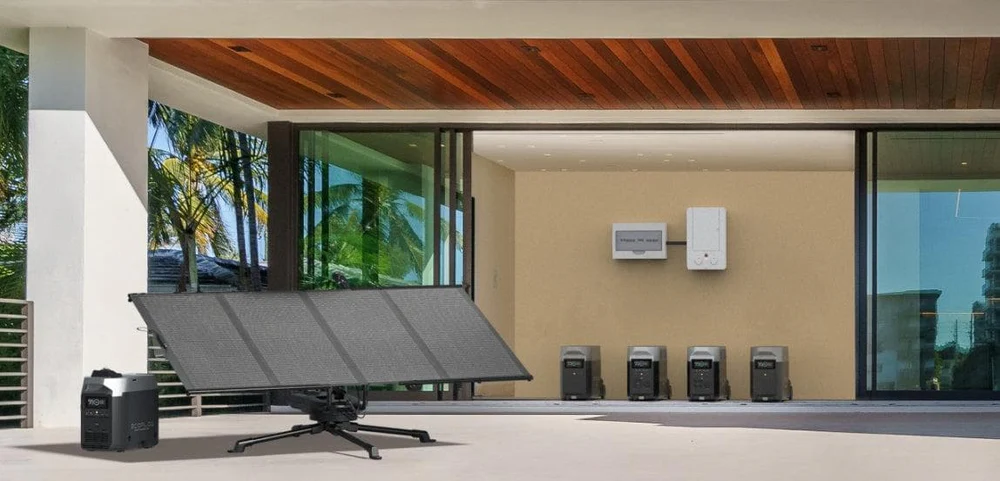
EcoFlow DELTA Pro Portable Power Station provides high AC output for espresso machines, grooming dryers, and power tools, keeping mobile setups reliable during busy shifts.
Many teams use a hybrid plan. The portable battery power pack runs the booth or van quietly. During breaks, an inverter generator replenishes the battery through an AC charger. That way, the guest experience remains calm, and you still secure long-duration coverage.
Keep Your Business On Wheels Running With Portable Power
A measured comfort margin, short right-gauge cords, and outdoor placement for engine equipment prevent nuisance trips, while GFCI in damp areas adds a layer of safety. With a portable power supply sized to your space and hours, plus a brief weeklong check of real usage, run time becomes predictable, and surges stop being a surprise. Coffee stays consistent, grooming finishes on schedule, and repairs move without stalls. Carry these habits from site to site, and portable power becomes a steady partner that keeps service calm anywhere.
FAQs
Q1. Can I rely on venue power instead of bringing my own system?
Yes, if the venue can provide dedicated circuits with headroom. Ask for breaker labels, amperage, and outlet locations in writing. Test outlets with a plug-in tester before setup. Add a clause to your agreement covering power quality and interruptions. Keep a small backup pack for POS and lighting.
Q2. How do I keep payments and Wi-Fi alive if power blips?
Put your router and POS on a small DC or AC UPS with at least thirty minutes of runtime. Enable cellular failover or a phone hotspot. Turn on offline authorization in your POS and schedule batch uploads. Use a separate low-draw circuit to reduce trips during heavy tool use.
Q3. What are safe practices for transporting and storing battery units in a van?
Mount the unit securely to prevent movement, and keep clear airflow around vents. Avoid direct sun and heaters. Store at a mid-state of charge for long parking periods. Follow the recommended charge and temperature ranges. Stop using the unit if you notice swelling, odor, or unusual noise.
Q4. How can I reduce generator noise complaints at events?
Place the generator downwind and away from guests, with the exhaust facing away. Use antivibration pads and a simple acoustic screen that maintains airflow. Schedule refueling during slow periods. Whenever possible, run on quiet battery power during service hours and use the generator for off-peak recharging.
Q5. What belongs to an electrical go-bag for mobile work?
Carry a receptacle tester, clamp meter, short 12-gauge extension cords, cord ramps, spare fuses, a GFCI pigtail, zip ties, electrical tape, labels, heat-resistant gloves, and a Class C-rated fire extinguisher. Inspect the kit monthly and replace worn items. A tidy go-bag prevents delays and hazards.
For press requests or interview opportunities, reach out to our media team
media.na@ecoflow.com