Outdoor Classroom Setup and Management for Teachers: A Complete Guide
Traditional classrooms have four walls, but learning doesn't have to stop there. Research shows outdoor spaces lend students to creative, hands-on learning activities that drive higher student engagement. Whether transforming a playground corner or using a nearby field, creating an effective outdoor classroom requires thoughtful planning. From furniture selection to weather preparedness, this guide covers the essentials of designing and managing an outdoor learning environment that works.
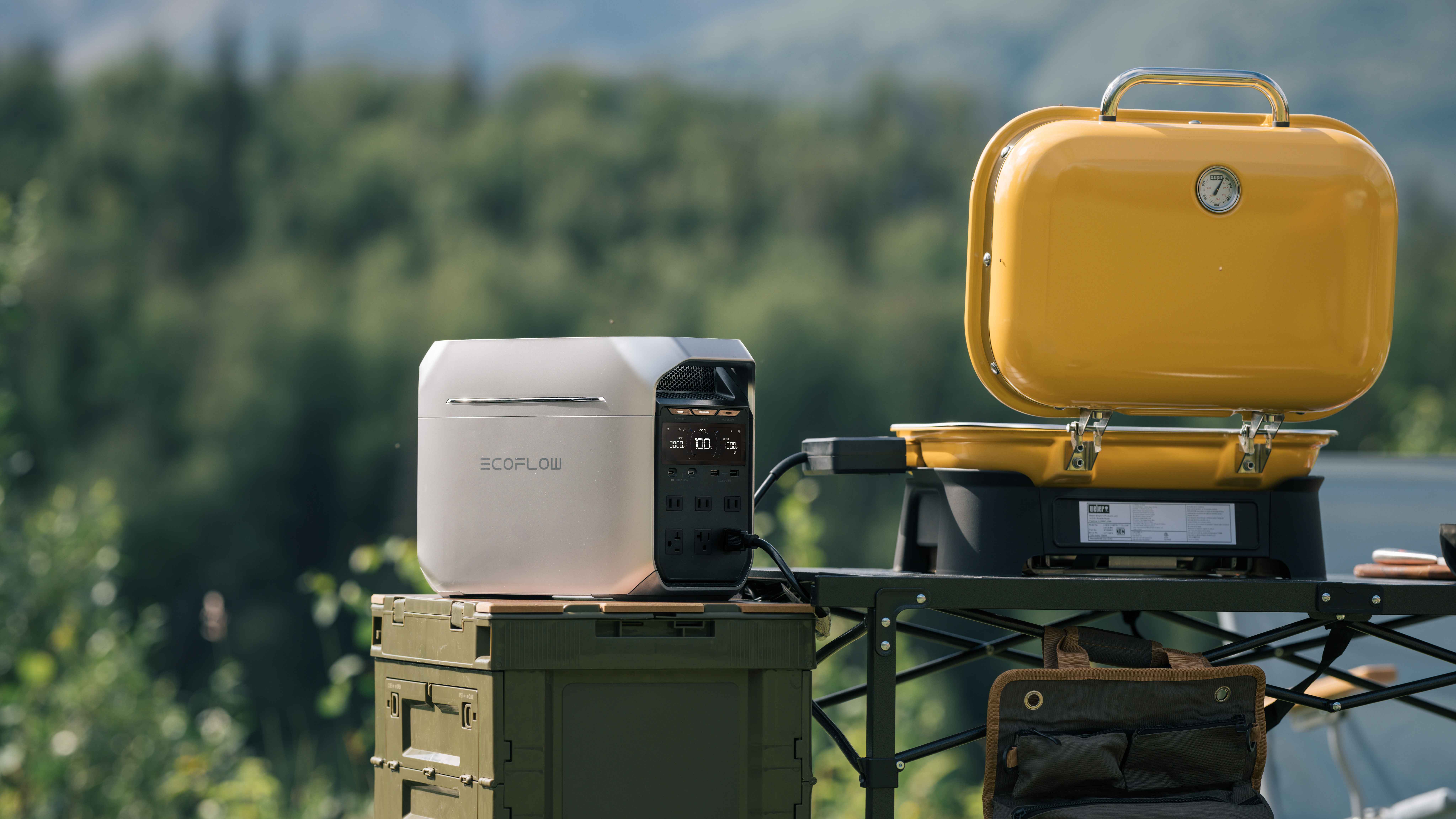
How to Design Your Outdoor Classroom Space
Before purchasing furniture or planning lessons, you need a well-designed space that supports learning. Thoughtful site selection and layout create the foundation for everything that follows.
Select the Ideal Location for Your Outdoor Classroom
Location determines success. Walk your school grounds at different times to observe sunlight patterns. Choose spots with natural shade during peak heat hours to keep students comfortable. Check drainage after rainfall. Avoid low-lying areas where puddles form, as soggy ground creates slip hazards. Pick locations close enough for easy transitions but far enough to feel distinct from indoor classrooms.
Key location factors:
Clear sightlines for supervision
Distance from parking lots or roads
Absence of hazardous plants
Semi-enclosed areas with natural boundaries
Organize Learning Zones for Different Activities
Divide your area into distinct zones supporting different learning modes. Create a central teaching zone where the whole class gathers, positioned to minimize sun glare on visual materials.
Designate an activity zone for hands-on work and group collaboration. This area needs space for movement and multiple small groups working simultaneously. Use natural features like rocks or logs to define boundaries.
Include a quiet zone for individual reading or reflection. This could be a shaded corner with cushions or tree stumps. Strategic placement creates natural traffic flow and reduces disruptions.
Bridge Indoor and Outdoor Learning Environments
Your outdoor classroom should complement indoor instruction. Maintain consistent behavioral expectations across both environments so students understand outdoor learning still means focused work.
Store outdoor materials in weatherproof bins near exits. Develop quick setup routines where students help as equipment monitors or zone organizers. This makes transitions faster and builds responsibility.
Seasonal flexibility keeps your space functional year-round. Fall and spring might host full lessons outdoors, while winter or extreme heat works better for shorter sessions. Design curriculum to flow between environments based on weather and learning objectives.
Outdoor Classroom Furniture and Power Solutions
Once your space design is complete, equipping it with appropriate furniture and technology support brings your outdoor classroom to life.
Select Essential Outdoor Classroom Furniture
Weather-resistant furniture forms the backbone of any outdoor classroom. Recycled plastic lumber benches and powder-coated metal tables offer durability with minimal upkeep.
Natural seating options cost nothing. Tree stumps, large rocks, and logs provide rustic seating that blends into the environment. Many students prefer these for their texture and connection to nature.
Essential furniture categories:
Seating: benches, tree stumps, ground cushions, movable stools
Work surfaces: picnic tables, lap desks, clipboards
Storage: weatherproof deck boxes, mobile carts
Shelter: pop-up canopies, shade sails, umbrellas
Shade structures extend usability during sunny weather. Pop-up canopies offer portable coverage, while permanent shade sails provide long-term solutions. Plan for both sun protection and rain coverage.
Power Outdoor Technology with Portable Power Stations
Modern outdoor teaching incorporates technology, but outdoor spaces lack accessible power outlets. Tablets enhance research projects, portable projectors bring documentaries into nature, and speakers amplify lessons. Without reliable power, these tools remain locked indoors.
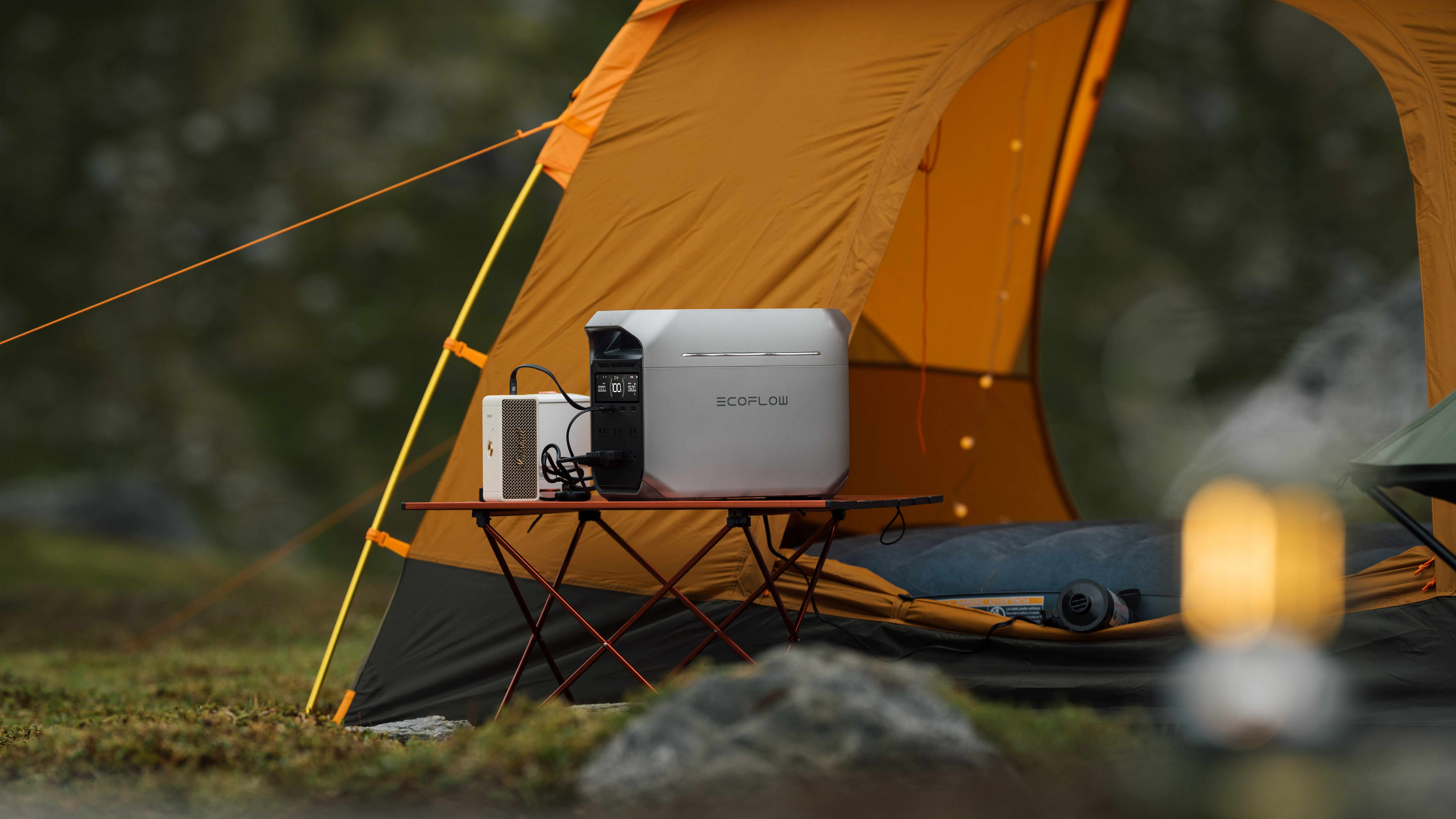
Portable power stations solve this challenge. These battery-powered units provide multiple USB ports and AC outlets, letting you run several devices simultaneously. Unlike noisy generators, portable power stations operate silently while delivering consistent electricity.
A quality portable power station with 500 to 1000 watt hours capacity supports three to five hours of continuous teaching. That's enough for charging tablets, running projectors, and powering speakers from a single compact unit. Teachers can easily carry these stations between zones, positioning power exactly where lessons happen.
Real classroom applications:
Science classes: tablets photograph specimens, projectors display microscopic images
Language arts: speakers play audiobooks for shared listening
STEM lessons: power for coding robots and electronic kits
Charging hub: centralized device charging during breaks
When choosing a portable power station, consider capacity, outlet types, weight, and recharge options. Units supporting solar panel charging offer sustainable power and reduce costs. Look for safety features like overload protection and temperature monitoring.
For outdoor classrooms, the EcoFlow DELTA 3 Plus Portable Power Station offers 1024Wh capacity that comfortably powers a full day of teaching activities. Its multiple AC outlets and USB ports handle simultaneous device charging for an entire class, while the compact design remains portable enough for teachers to transport between zones. The fast solar charging capability means you can recharge between lessons using renewable energy, making it both cost-effective and environmentally responsible for school settings.
Classroom Management Techniques for Outdoor Learning
Equipment and space design matter, but successful outdoor teaching depends on strong management strategies.
Set Clear Boundaries and Behavior Expectations
Establish three to five core rules: stay within marked boundaries, use quiet voices, respect nature, and follow teacher signals immediately.
Physical and communication strategies:
Use rope, traffic cones, or natural landmarks to define boundaries
Implement sound signals: whistle for freeze and listen, bell for return to zone
Practice signals during first outdoor session until automatic
Assign student roles: equipment manager, safety monitor, time keeper
These responsibilities distribute management tasks while building leadership skills.
Adapt Your Lessons for Outdoor Learning Success
Most indoor lessons translate outdoors with creativity. Math lessons move to measuring tree circumference or using natural objects for counting. Science transforms to observing real insects, plants, and weather patterns.
Subject-specific adaptations:
Language arts: descriptive writing about seasonal changes, nature poetry
Social studies: community walks, mapping exercises
All subjects: use photographs as indoor discussion materials
Maintain curriculum continuity by designing projects that flow between environments. Students might collect outdoor data in the morning, then analyze and graph it indoors during afternoon sessions.
Prepare for Weather Changes and Safety Challenges
Sunny day protocols:
Schedule learning during cooler morning hours
Provide water breaks every thirty minutes
Keep sunscreen available and encourage hats
Rainy day adjustments:
Light rain: use rain ponchos and waterproof clipboards, shorten lessons
Heavy rain or thunderstorms: implement backup indoor plans
Daily safety routine:
Walk space each morning for broken glass, protruding roots, wasp nests
Document student allergies with emergency medications accessible
Send seasonal reminders to parents about appropriate clothing
When parents understand the educational purpose, they become partners in preparation.
Take Learning Beyond Four Walls
Building an effective outdoor classroom doesn't require massive budgets. Start with one lesson per week in a simple outdoor space, gradually expanding as you refine your systems. Outdoor learning offers improved student engagement and memorable lessons. Identify your location this week, then add one element at a time. Your students are waiting to learn under open skies.
FAQs
Q1. What Permits or Permissions Do I Need Before Starting an Outdoor Classroom Program?
Most schools need administrative approval before using these facilities on a regular basis. You should check with your school principal on usage and liability considerations. You may be required to have parents sign a permit form, particularly if it will be outside your school. You should check with your insurance coordinator on whether your facilities and liability insurance include outside locations for teaching.
Q2. How Can I Address Parent Concerns About Reduced Academic Time in Traditional Classrooms?
Provide research articles on ways that outdoor education leads to better testing and participation.Invite parents to watch an outside class so they can experience high-quality teaching. Point out that outside classes focus on the same standards as inside classes but with alternative methods. Focus on outside time as an addition, not a substitute.
Q3. What Strategies Work for Schools in Regions With Extreme Climates or Limited Outdoor Seasons?
Prioritize outdoor learning opportunities within optimal weather conditions, no matter how limited they be, perhaps just two months a year. Utilize covered pavilions or overhead structures which will allow learning outside with proper ambiance. Spend money on appropriate equipment such as insulated learning mats or misting fans. Find collaborative learning with indoor facilities that have large windows, taking advantage of solar benefits during inclement weather.
Q4. How Do I Evaluate Whether My Outdoor Classroom Is Actually Improving Student Outcomes?
Reports on behavior incidents, rate completion, and levels of participation for outdoor compared with indoor classes. Also, survey student involvement and preferences for learning either indoors or outdoors. Record student academic progress on tests after an outdoor unit. Also, examine student attendance on an optimal day and on a normal school day.
For press requests or interview opportunities, reach out to our media team
media.na@ecoflow.com