Farmers Market Vendor Power: Running Your Stall Off-Grid
- Why Do Farmers Market Vendors Need Reliable Power?
- What Equipment Needs Power at a Market Stall?
- Why Are Gas Generators a Problem at Farmers Markets?
- How Do Portable Power Stations Solve Off-Grid Power Needs?
- How Do You Size a Power Station for a Full Market Day?
- How Can Solar Panels Keep Your Stall Powered All Day?
- How Do You Plan Power for Weekly or Multi-Day Market Circuits?
- Frequently Asked Questions
- Off-Grid Power Keeps Farmers Market Vendors Selling Without Interruption
Most farmers market stalls sit far from any outlet, yet vendors still need to charge card readers, run coolers, and light up displays for hours at a stretch. A dependable off-grid setup keeps every device running so a dead battery never costs you a sale.
Why Do Farmers Market Vendors Need Reliable Power?
A card reader dying mid-swipe can cost you a sale and frustrate a waiting customer. Markets often run 5–8 hours straight, and shade, wind, and foot traffic can all interfere with a phone hotspot or an undersized battery.
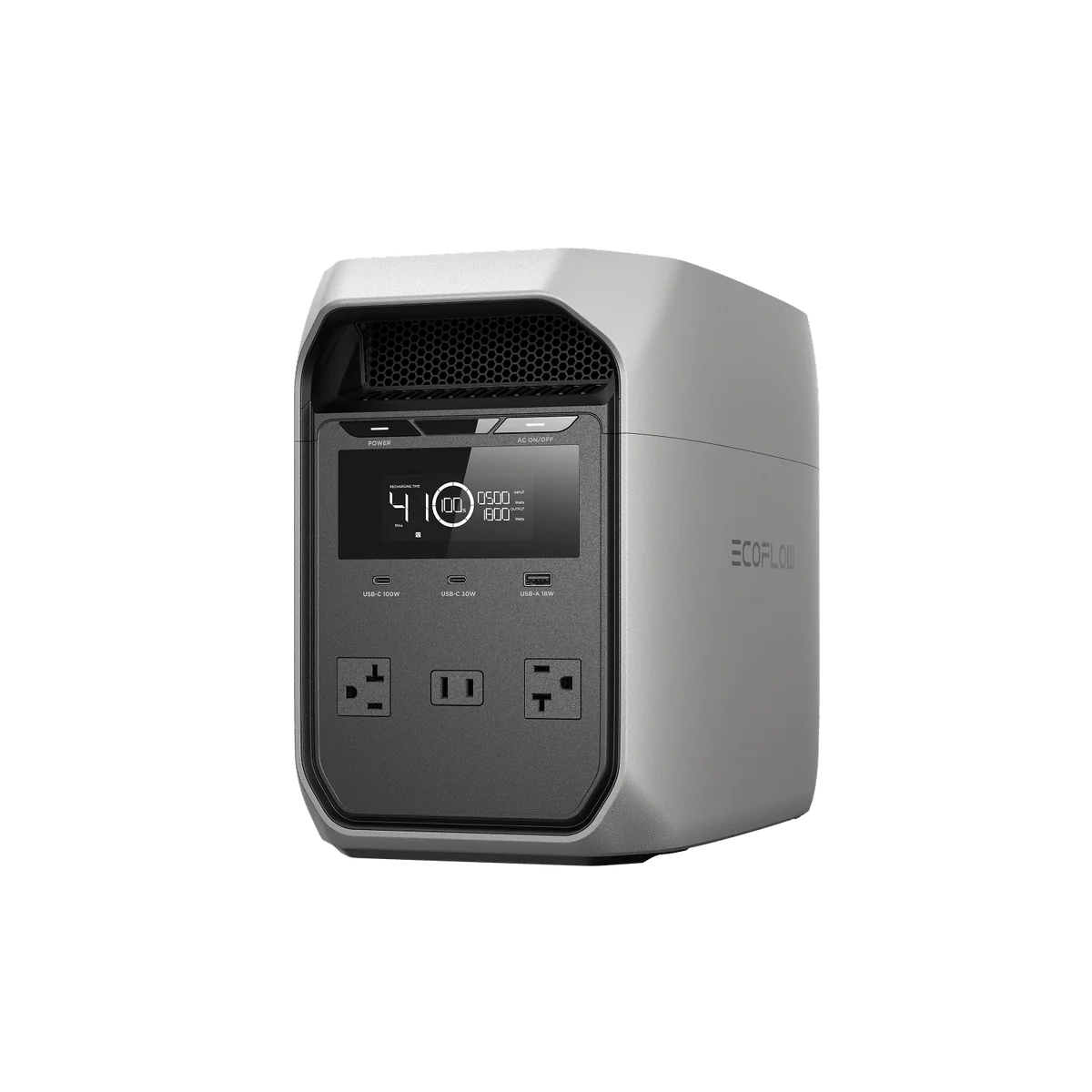
Cellular coverage can be a factor, too. The FCC's most recent broadband deployment report found that roughly 28% of people in rural areas still lack access to high-speed fixed broadband, so a stable power source for connectivity gear matters as much as the connection itself. The EcoFlow DELTA 3 Classic (1024Wh), for example, gives vendors one quiet power source for card readers, lighting, and refrigeration, without needing a nearby outlet or a fickle generator.
What Equipment Needs Power at a Market Stall?
A typical stall runs several devices at once, and each one draws power differently across a market day.
Card Readers and POS Systems
Card readers and tablets draw very little power, but they need to stay charged all day, since a dead reader means cash-only sales for the rest of the market.
Lighting and Product Displays
String lights, spotlights on baked goods, or LED signage pull continuous power, especially at early or evening markets when natural light isn't enough.
Refrigeration and Coolers
Vendors selling dairy, meat, or prepared foods often run a 12V cooler or small fridge, drawing power steadily all day to keep products at a safe temperature.
Speakers, Signage, and Phone Charging
A small speaker for music, digital signage, and steady phone charging for staff round out the load most stalls need to plan for.
Why Are Gas Generators a Problem at Farmers Markets?
Gas generators solve the power problem but create new ones. They're loud enough to disrupt conversation at neighboring stalls, they emit exhaust next to food sold for consumption, and they require storing and hauling fuel to every market.
Many organizers restrict or ban them for exactly these reasons, and municipal noise ordinances are common. An academic review of nearly 500 U.S. noise ordinances found most communities already regulate when loud equipment can run, putting a generator-dependent vendor at odds with local rules before the day starts.
How Do Portable Power Stations Solve Off-Grid Power Needs?
A portable power station stores energy in a battery and delivers it through standard AC outlets and USB ports, so your card reader, cooler, and lights plug in exactly as they would at home. There's no fuel, exhaust, or noise, so you can set up next to any vendor without complaint.
Charge it the night before, and it arrives ready to run your entire setup from open to close — a shift more vendors are making as portable power for outdoor markets replaces fuel-based setups at more stalls each season.
How Do You Size a Power Station for a Full Market Day?
Add up the watt-hours each device needs across a market day:
A 12V cooler typically uses 300–400Wh over eight hours.
Lighting adds another 100–200Wh, depending on setup.
POS systems and phone charging draw a modest, steady amount throughout the day.
A station in the 1,000Wh range, like the EcoFlow DELTA 3 Classic (1024Wh), covers most single-vendor setups running this combination, while heavier refrigeration or multiple lighting rigs call for sizing up. Build in a buffer for a long day or cold weather that pushes a cooler harder.

How Can Solar Panels Keep Your Stall Powered All Day?
Pairing a power station with a portable solar panel lets you recharge throughout the day instead of relying solely on your overnight charge, which matters most for vendors running multiple markets in a row without a chance to plug in at home.
A panel angled toward the open sky above your canopy can offset the day's draw, particularly for lighting and phone charging, and more vendors now treat portable solar power for market stalls as a standard part of the daily setup rather than a backup plan.
How Do You Plan Power for Weekly or Multi-Day Market Circuits?
Vendors working several markets a week need a charging routine, not just one full battery:
Recharge fully between markets so you always start the day at full capacity.
Track which devices draw the most power so you can adjust as the season changes.
Watch for outdoor speakers quietly draining a battery if left running between customers.
Treat power planning as a recurring task, like inventory, to keep every market day consistent.
Frequently Asked Questions
Are Generators Banned at Farmers Markets?
Many farmers markets restrict or ban gas generators due to noise, exhaust fumes near food vendors, and fire risk. Rules vary by market and municipality, so it's worth checking with the market organizer directly. Battery-powered stations are generally allowed everywhere since they're silent and emission-free, making them a safer default choice for vendors unsure of local policy.
How Long Will a Portable Power Station Last at a Market?
Runtime depends on your total load and the battery's capacity. A 1,000Wh-class station typically covers a full market day for a single stall running lighting, a POS system, and light refrigeration. Heavier loads, like a full-size cooler or multiple lighting fixtures, will draw down the battery faster, so match capacity to your actual equipment list before market day.
What Happens If Your Power Station Runs Out Mid-Market?
If the battery runs low, non-essential devices like speakers or signage should be the first to go, keeping the card reader and refrigeration running as long as possible. Pairing your setup with a solar panel or bringing a smaller backup battery for one or two devices prevents this scenario from ending your sales early for the day.
Off-Grid Power Keeps Farmers Market Vendors Selling Without Interruption
A market day only goes smoothly when your card reader, cooler, and lights stay on from setup to teardown, and that reliability comes down to choosing the right power source before you load the truck.
For vendors tired of hauling fuel or hoping a generator won't draw complaints, EcoFlow's portable power stations offer a quiet, ready-to-go alternative that fits under a table and keeps every device running through the last sale of the day.
For press requests or interview opportunities, reach out to our media team
media.na@ecoflow.com