The "Mud Season" Survival Guide: Power Washers and Cleanup Without Outlets
- What Mud Season Does to Your Driveway, Yard, and Gear
- Why a Power Washer Is the Right Tool for Mud Season
- The Real Problem: Mud Everywhere but No Outdoor Outlets
- Power Washer Options When You Can’t Plug into the Wall
- Step-by-Step Mud Season Cleanup Routines for Different Areas
- Low-Tech Tricks That Make Mud Season Easier
- Take Control of Mud Season Mess
Late winter introduces a messy transition period commonly called mud season. Snow melts while the ground thaws and creates sludge. Homeowners encounter dirty driveways and muddy gear. Traditional cleaning methods frequently fail where outdoor electricity remains unavailable. A power pressure washer, along with a portable power station, offers a robust solution.
What Mud Season Does to Your Driveway, Yard, and Gear
The arrival of spring brings a geological shift, transforming solid ground into a semi-liquid state. The weeks between winter and true spring create specific challenges for property maintenance. It is not merely a matter of aesthetics; physical changes in the environment pose risks to infrastructure and vehicles.
When Winter Melt Turns Your Property into a Mud Pit
Mud pits form because soil layers thaw at different rates. As temperatures rise, the surface layer known as the active layer begins to thaw. Deeper soil layers remain frozen and impermeable. The frozen sublayer acts as a barrier, preventing water from draining downward. Melted snow and rain saturate the topsoil because the water has nowhere to go. Soil pores fill completely with liquid.
In that state, soil loses structural integrity. Friction between particles diminishes and renders the ground unstable. Vehicles or footsteps displace the saturated soil and cause sinking. Deep ruts damage driveways and landscapes. The freeze-thaw cycle makes the issue worse. Temperatures often drop below freezing at night and rise during the day. Water expands as it freezes and pushes soil particles apart. Constant shifting creates a landscape difficult to traverse. The ground becomes a viscous suspension waiting to adhere to anything touching it.
Salt, Slush, and Tire Tracks on Concrete and Asphalt
Road salt and deicers accumulate on vehicles and driveways throughout winter. These agents usually consist of sodium chloride, calcium chloride, or magnesium chloride. While effective at melting ice, chemicals pose a threat to concrete and asphalt surfaces. They function by lowering the freezing point of water to create a brine solution.
The resulting brine possesses a lower surface tension than pure water, allowing it to penetrate porous concrete deeply. When water eventually refreezes, it expands and creates internal pressure, causing surface scaling. The top layer of concrete flakes away and exposes the aggregate underneath. Chloride ions can penetrate deep enough to reach steel reinforcement bars. Steel corrodes and expands while occupying greater volume than the original metal. Internal pressure cracks the surrounding concrete from the inside out.
Asphalt suffers as well. The binder holding the aggregate together can weaken under prolonged exposure to deicers. Chemical bonds degrade and lead to potholes. Tire tracks press salt-laden slush into driveway pores. Vehicle weight forces contaminants deeper into the pavement matrix. Swift removal becomes necessary to prevent permanent pitting.
Muddy Paws, Boots, and Backyard Trails into the House
Transporting mud indoors occurs rapidly during the thaw. Soil composition during mud season often contains high levels of clay and silt. Fine particles create a sticky substance adhering to boot treads and animal fur. As mud dries, it turns into fine dust, degrading indoor air quality.
Abrasive grit ruins hardwood finishes and embeds in carpets. Particles act like sandpaper underfoot and scratch wood floor sealants. Once inside carpet fibers, sharp sand edges cut fibers during normal walking, leading to wear. Pet paws present a specific challenge. Spaces between pads trap mud and moisture. The environment promotes bacterial growth if paws remain wet. Transferring soil brings outdoor pathogens and lawn chemicals into the living space. Constant cleaning becomes a repetitive chore requiring an efficient system to manage dirt at the threshold.
Why Quick Cleanup Matters for Safety and Long-Term Damage
Immediate removal of mud and slush serves multiple purposes beyond aesthetics. Safety stands as the primary concern. Wet mud on walkways creates a slip hazard comparable to ice. The coefficient of friction drops low, and increases fall risks.
Accumulated organic matter on wooden decks traps moisture against wood fibers. Constant dampness encourages mold, mildew, and algae growth. Fungi make the surface slippery and accelerate wood rot. Lignin in the wood degrades, causing fibers to detach. Leaving mud caked on vehicles traps moisture against metal. The combination of moisture, oxygen, and road salts accelerates rust formation on the undercarriage. Mud acts as a poultice holding corrosive agents against the frame long after roads dry. Regular cleaning interrupts the corrosion cycle. A proactive approach preserves property value and reduces injury risk.

Why a Power Washer Is the Right Tool for Mud Season
A standard garden hose often lacks the force to dislodge sticky clay. A power pressure washer amplifies water cleaning potential through mechanical means. The device pressurizes water to high levels measured in pounds per square inch or PSI. Kinetic energy physically knocks dirt off surfaces. Water volume measured in gallons per minute or GPM flushes debris away. Pressure combined with flow creates a cleaning unit rating determining machine efficiency.
The tool is particularly effective for mud season because it utilizes less water than a garden hose to achieve better results. A garden hose typically flows at ten gallons per minute at low pressure. A pressure washer might use only two gallons per minute, but at significantly higher pressure. High-velocity spray penetrates the concrete texture to lift embedded salt and silt. It allows rapid cleaning of large areas like driveways. Switching nozzles changes spray patterns from a pinpoint jet to a wide fan. Versatility allows users to clean delicate items or robust stone walls without damage. Mechanical force replaces intense physical scrubbing. It renders spring cleanup manageable.
The Real Problem: Mud Everywhere but No Outdoor Outlets
The primary obstacle to utilizing electric cleaning tools involves a lack of accessible power. Mud accumulates in areas far from the main structure. The infrastructure of many properties was not designed with remote power cleaning in mind.
Long Driveways, Barns, and Side Yards with Zero Power Access
Many properties feature driveways extending hundreds of feet from the house. Barns, sheds, and equipment storage areas often sit at the lot perimeter. These locations frequently lack electrical service. Running multiple extension cords to reach these areas creates significant issues. Voltage drop occurs over long cable runs. Resistance in the wire reduces the voltage available to the motor. The motor runs hot and may burn out.
Connecting multiple cords introduces safety hazards. Connections can pull apart or become submerged in mud. Water ingress causes short circuits. A standard circuit may not support the current draw of a powerful machine at the end of a long cord due to resistance. Users face a dilemma where dirt is located far beyond the power grid's reach.
Older Homes with Only One Exterior GFCI Outlet
Homes built before modern electrical codes often feature limited outdoor power access. A single exterior outlet usually sits near the front door. The location rarely aligns with areas requiring cleaning. Users must drag hoses and cords around the house perimeter.
The single circuit often shares a load with indoor appliances. Plugging in a high-draw electric power pressure washer can trip the breaker if someone inside uses a vacuum. Older GFCI outlets may be sensitive to inductive loads. Frequent tripping interrupts workflow. Inconvenience discourages regular maintenance.
Cabins, RV Pads, and Rural Properties Off the Main Grid
Recreational properties often operate with limited grid connection. Cabins and RV pads may rely on solar setups or small generators. Mud accumulation in rural settings is often severe due to unpaved roads. Lack of a robust electrical grid makes maintaining cleanliness difficult. Users need a self-contained cleaning solution. They cannot rely on plugging a machine into a wall socket that does not exist.
Cleaning vehicles prevents the transport of invasive species and protects equipment from deterioration. Off-grid living requires independent tools. Reliance on grid power limits the capability to maintain property standards.
Short Blackouts During Late Winter Storms
Mud season often coincides with late winter storms, bringing heavy wet snow. These weather events frequently cause power outages. Outages may last for hours. The immediate aftermath of a storm involves the greatest need for cleanup. Branches and slush cover walkways. Homeowners need to clear areas to keep the passage safe. Reliance on grid power leaves homeowners unable to perform maintenance when the need is greatest. An independent power source provides resilience regardless of grid status.
Power Washer Options When You Can’t Plug into the Wall
Several alternatives exist for powering a pressure washer without a wall outlet. Each option presents specific advantages and drawbacks.
Gas Power Washers: Pros, Cons, and When They Make Sense
Gasoline engines provide the traditional solution for off-grid power. A gas power pressure washer delivers high PSI and GPM, equating to superior cleaning speed. The engine operates independently of electricity. Users can take the machine anywhere. Portability is a significant advantage for large properties.
However, gas units come with disadvantages. Engines generate significant noise. A loud operation can disturb neighbors. They emit exhaust fumes, prohibiting use in enclosed spaces like barns. Maintenance requirements are higher. Users must manage fuel, oil changes, and spark plugs. Ethanol in modern fuel can gum up carburetors if machines sit idle. Units are typically heavier than their electric counterparts. Starting a gas engine often requires a pull cord. Gas models suit heavy-duty tasks where raw power is the priority.
Corded Electric Power Washers: Quiet but Tied to an Outlet
Electric models utilize a universal motor or an induction motor. They run quietly and start instantly. They produce zero emissions. Maintenance is minimal. Users do not worry about oil or fuel stabilizers.
The primary limitation involves the power cord. The machine must remain tethered to an outlet. The tether restricts movement. While extension cords extend reach, they introduce voltage drop issues. Electric units generally offer lower PSI compared to gas models. They excel at cleaning cars and smaller decks but may struggle with large, heavily soiled driveways. They represent a convenient option for areas near the house, but fail to address remote cleaning needs.
Battery Power Washers: Where They Shine and Where They Fall Short
Manufacturers have introduced cordless pressure washers powered by lithium-ion batteries. These units offer ultimate portability. Users can carry the device anywhere. They are compact and often draw water from a bucket.
The trade-off involves power and runtime. Battery technology limits pressure output. Most cordless units produce significantly lower PSI than corded or gas models. They act more like powered hoses than true pressure washers. Runtime is often short. Heavy cleaning tasks deplete the battery quickly. Users may need multiple expensive batteries to complete a single job. They work well for quick rinses but lack the capacity for full driveway spring cleanup.
Using a Portable Power Station to Run an Electric Power Washer
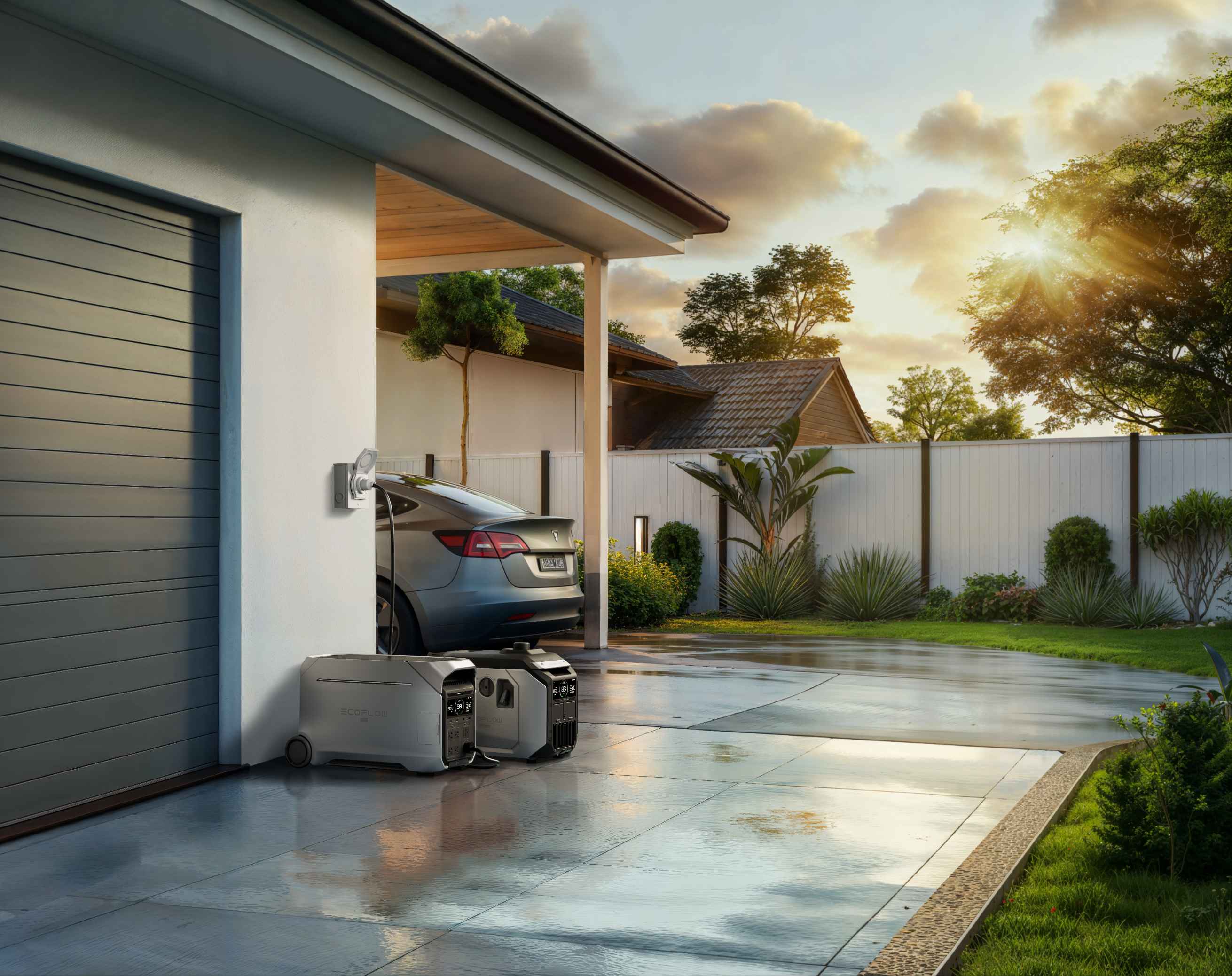
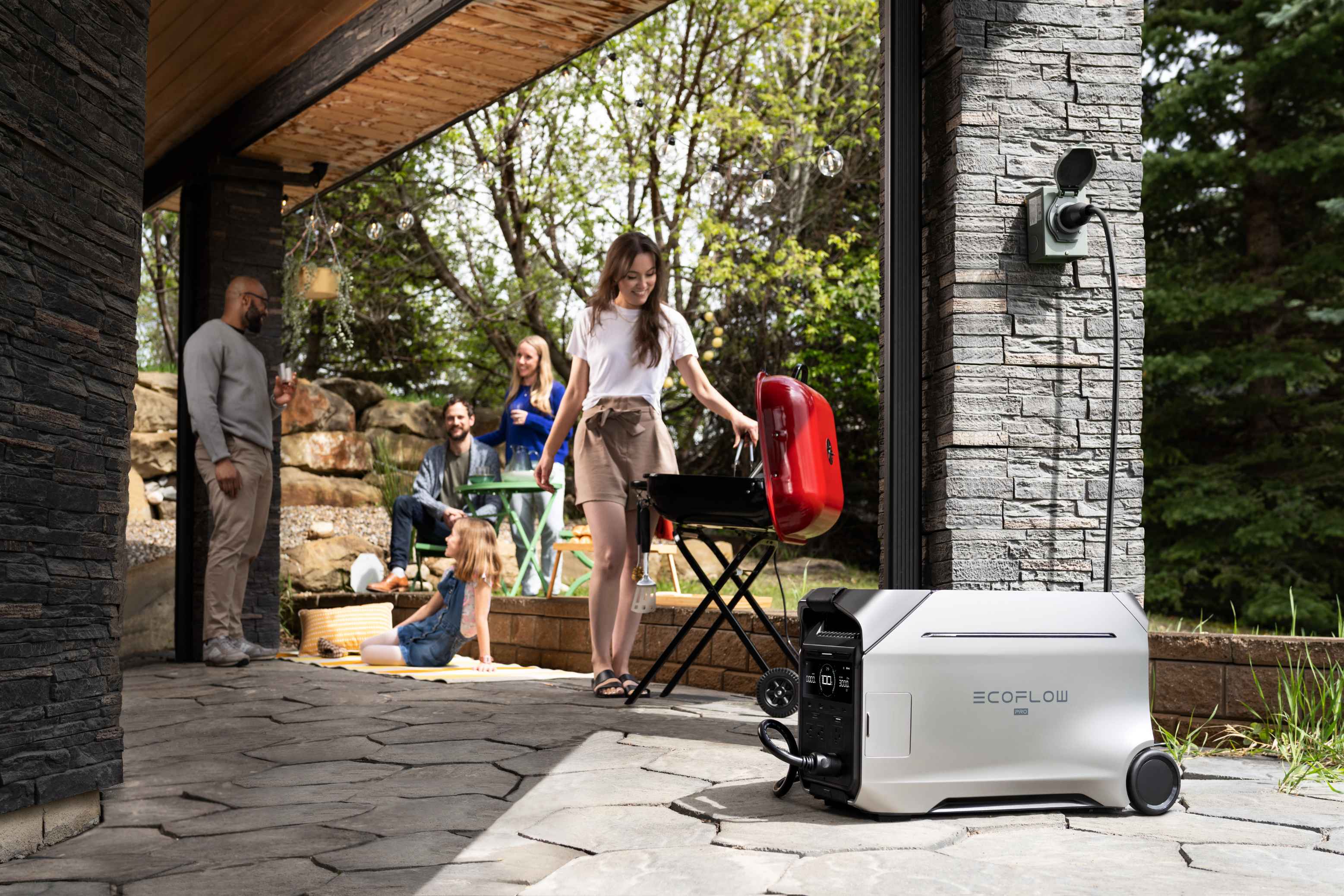
A hybrid approach combines the power of a corded electric pressure washer with the portability of a battery generator. A high-capacity portable power station acts as a mobile wall outlet. The EcoFlow DELTA Pro 3 Portable Power Station exemplifies the technology required for the task. The unit offers a robust 4000W AC output sufficient to handle the startup surge of a powerful electric pressure washer. Electric motors require a spike of power to start, known as an inductive load. The DELTA Pro 3 features X-Boost technology supporting surges up to 6000W, which helps the washer start reliably. Users can plug a standard electric washer into the unit and clean anywhere on the property.
The device operates silently compared to a gas generator. It produces no fumes, allowing use inside a garage or barn. The 4kWh base capacity provides ample runtime for extended cleaning sessions. The unit supports 120V and 240V appliances, adding versatility for other high-power tools. It recharges quickly via solar panels or a wall outlet. Integrating the station with a power wash pressure washing machine creates a system delivering high cleaning power without noise or tethering restrictions. It bridges the gap between gas power and electric convenience while providing backup power during storms.
| Specification | EcoFlow DELTA Pro 3 Detail | Benefit for Pressure Washing |
| AC Output | 4000W (120V/240V) | Runs heavy-duty washers without tripping |
| Surge Power | 6000W (X-Boost) | Handles motor startup inductive loads |
| Capacity | 4096Wh (Expandable) | Long runtime for large driveways/decks |
| Charging | 4000W Multicharge | Fast recharge between cleaning jobs |
| Portability | Wheeled Design | Moves easily to remote barns or docks |
Step-by-Step Mud Season Cleanup Routines for Different Areas
Effective cleaning requires a systematic approach. Different surfaces demand specific techniques to avoid damage and achieve the best results.
Driveway and Walkway Cleanup without Nearby Outlets
Cleaning a driveway far from the house starts with preparation. Sweep away loose debris and large clumps of mud before applying water. Using a surface cleaner attachment is highly recommended. The attachment uses rotating nozzles inside a housing to clean a uniform path. It prevents "zebra striping," often caused when using a wand alone.
Begin at the highest point of the driveway to allow dirty water to drain away from the clean area. Connect the pressure washer to the portable power station and a water source. If a spigot is unavailable, a gravity-fed water tank on a truck bed can supply the washer. Move the surface cleaner in a slow overlapping pattern. A rinse pass with a forty-degree nozzle clears dislodged dirt. For salt removal, a post-wash application of a salt-neutralizing agent helps protect concrete. The method restores traction and prevents salty mud from tracking indoors.
Porch, Deck, and Stairs: Keeping Entryways Slip-Resistant
Wood and composite decks require a gentle touch. High pressure can raise wood grain or strip finishes. A power wash pressure washing machine should be set to lower PSI, typically around 1200 to 1500. A wide fan tip, such as twenty-five or forty degrees, distributes force.
A cleaning solution plays a vital role. A mixture of water and mild deck cleaner helps loosen algae. Apply the solution and let it dwell for a few minutes. Washing motion should follow the wood grain. Keep the wand at a consistent distance, roughly six to twelve inches from the surface. Overlapping strokes prevent visible lines. Cleaning stairs demands extra attention to remove slime, causing slips. A thorough rinse removes soap residue. Allowing wood to dry completely before applying sealer protects it from moisture damage.
Washing Cars, Trucks, and Trailers After Muddy Roads
Vehicles suffer greatly during mud season. Clay packs into wheel wells and salt coats the chassis. An undercarriage wash is essential. Use a water broom or angled wand extension to reach under the vehicle.
Begin with a low-pressure rinse to soften heavy mud. Blasting dry mud with high pressure can scratch paint as grit moves across the surface. A foam cannon attachment applies a thick layer of soap, encapsulating dirt particles. After soap dwells, a high-pressure rinse clears contamination. Pay special attention to brake calipers and suspension components where mud accumulates. A final rinse with deionized water can prevent water spots. The portable setup allows users to clean the vehicle at the end of the driveway before mud enters the garage.
Barns, Kennels, and Pet Zones: Faster Rinse-Downs with Portable Power
Animal areas require frequent sanitation to prevent disease. Mud mixes with manure to create unhealthy conditions. A pressure washer serves as a powerful sanitizing tool. Remove bedding and solid waste manually first.
The pressure washer blasts away dried organic matter from floors and walls. Using a detergent specifically designed for barns helps break down biofilms. The portable power station allows users to bring the machine directly to the coop or kennel. Hot water pressure washers offer increased cleaning efficacy if available. Apply disinfectants after the surface is visibly clean. High-pressure spray reaches into cracks that a brush misses. Regular cleaning reduces odors and keeps pests away. The ability to clean remote shelters keeps animals healthy during wet months.
Low-Tech Tricks That Make Mud Season Easier
Technology offers powerful solutions, but simple, low-tech methods also play a crucial role. Prevention and containment are key strategies.
Installing a boot scraper near every entrance significantly reduces dirt entering the home. A high-quality scraper features stiff bristles on the bottom and sides to clean the sole and welt. Combining a scraper with a boot tray inside the door creates a designated zone for wet footwear. The tray catches melting snow and mud, protecting the floor.
Modifying landscaping helps manage traffic. Laying down a path of crushed gravel or wood chips over high-traffic muddy areas creates a floating bridge. The material allows water to drain through while keeping boots above muck. Straw is a cheap temporary fix for dog runs. It covers mud and can be composted later. Creating a "paw cleaning station" with a bucket of warm water and a towel near the door encourages a routine of cleaning pets before they enter. These simple habits, combined with heavy-duty cleaning power, form a comprehensive defense against the thaw.
Take Control of Mud Season Mess
Mud season presents a formidable challenge to maintaining a clean property. The combination of saturated soil, road salts, and limited drainage creates a mess tracking everywhere. While a lack of outdoor power often hinders cleanup efforts, modern solutions bridge the gap. The EcoFlow DELTA Pro 3 Portable Power Station enables the use of effective electric power pressure washer tools in remote locations. Adopting a mix of high-tech equipment and low-tech preventive measures transforms the overwhelming task of spring cleanup into a manageable routine. Keeping mud at bay preserves the home and welcomes spring with a fresh start.
For press requests or interview opportunities, reach out to our media team
media.na@ecoflow.com