Microgrids vs. The Main Grid: How Communities Are Going Independent
Microgrids let communities produce and manage their own power. They are small-scale localized systems that can “island” during outages, so they can keep running when the main grid goes down. With more US communities adopting microgrids for energy independence and stability, understanding how they work and their benefits helps explain why they’re becoming a major part of the energy landscape.
What Is a Microgrid?
A microgrid is a relatively small power system made of one or more small power generation plants, connected to nearby users. It may be independent of the main grid or may be transferred into it via a local high-voltage transmission system, sometimes called the macrogrid.
Microgrids are a form of distributed power generation since the energy is used close to where it’s generated. While historically they used fossil-fuel plants, microgrids are increasingly using solar, wind, energy storage, and natural gas.
What Is Islanding?
Islanding is one of the main benefits of a microgrid. Since they’re localized energy systems, they can disconnect (island) from the main grid, allowing them to continue functioning even if the primary grid goes down.
This is also one of the benefits of having your own whole-home backup system. The EcoFlow DELTA Pro Ultra X, with its 12-180kWh of capacity, will run even the largest home. It can be set up as an island system that automatically disconnects from the grid during an outage. It can even act as an Uninterruptible Power Supply (UPS) for sensitive electronics.

Benefits of Microgrids
Let’s examine the primary benefits of operating a microgrid in your community.
Continues supplying power even if the primary grid goes down by disconnecting (islanding) from the main grid.
They enable more renewable energy sources, reducing greenhouse gas emissions.
They can be used to efficiently combine non-controllable renewable power like solar or wind, with controllable generation like natural gas for 24/7 production.
They can use battery storage to balance production, including drawing energy from EVs and batteries in a virtual power plant (VPP) to create a more efficient and resilient grid.
They can make use of on-site energy that would otherwise be lost, including capturing heat that is too inefficient to use elsewhere and using it locally to heat water or homes.
They reduce energy loss during transmission since the energy is produced close to where it’s used.
Increase local control over power supply and demand.
They can save money on electricity.
Easy to export excess electricity to or import imbalances from the surrounding grid.
You can connect and coordinate multiple microgrids for better resilience.
Enhances resilience against extreme weather and cyberattacks.
It can help the macrogrid recover from outages by providing services to crews working on the lines or by exporting energy to the grid.
Challenges of Microgrids
Since microgrids often incorporate multiple energy projects of various sizes into a single system, they can be complicated for investors. Each project will be situated in a distinct location with its own unique set of government regulations, weather variability, and other factors. A further complication is that tax credits can vary with technology, region, and other factors. This means that each microgrid will need its own custom financial solution.
Microgrids also face legal uncertainty, as most states lack a definition of what it is, and regulations vary across states. Some states may have laws that prohibit or limit certain activities. Additionally, uncertainty about future laws may lead to unanticipated future costs.
Microgrids and Community Independence
Microgrids provide energy independence by allowing your community to stay powered up even when the main grid goes down. This also protects you from price volatility and supply chain issues that affect the primary grid. They also give communities more control over their own power generation and use, which can ultimately save you money. Finally, they can also be used to help power underserved or marginalized communities, ensuring equitable access to affordable power.
Microgrids in the USA
At the beginning of 2023, the US had 692 microgrids installed, largely in Alaska, California, Georgia, Maryland, New York, Oklahoma, and Texas, supplying nearly 4.4GW in total. The fact that almost a third of those with a capacity of more than 419MW came online in the last four years shows the growing trend of microgrids in the USA.
Success Story: Resilience to Extreme Weather: Adjuntas, Puerto Rico
Adjuntas, Puerto Rico, went without power for 6 months in 2017 after Hurricane Maria devastated the island. The local community partnered with a nonprofit foundation to install microgrids, ensuring residents would have access to power in the event of future catastrophes.
In 2022, when Hurricane Fiona struck, a microgrid kept them powered for 9 days after other parts of the island went dark. Researchers are working to extend the system's capacity to operate as long as possible during future outages.
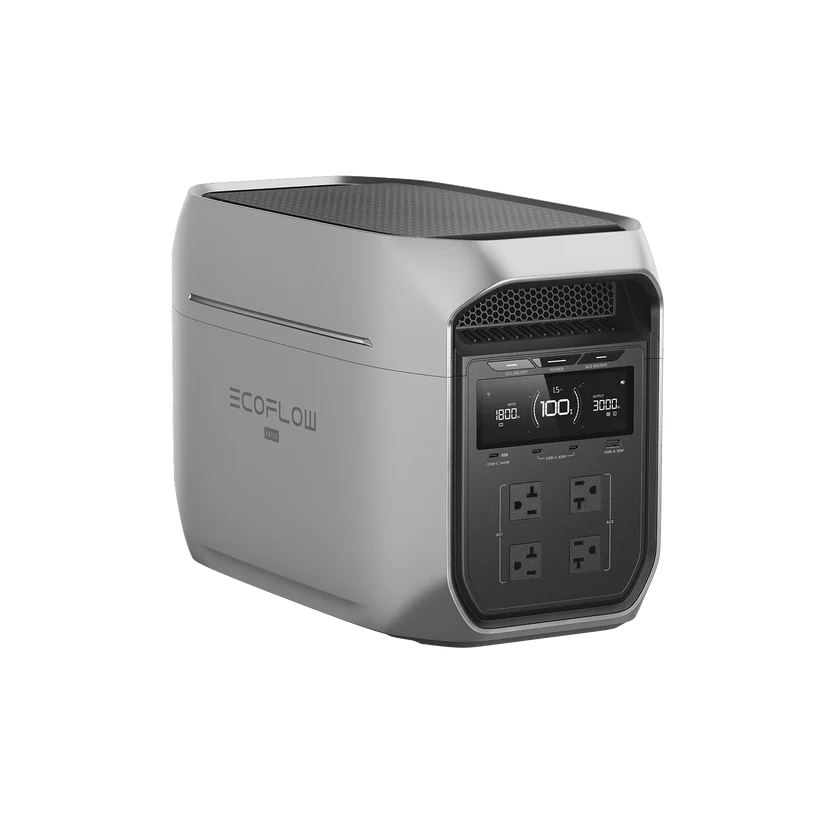
You can use a home backup solar battery like the EcoFlow DELTA 3 Max to increase your resilience to extreme weather. It's powerful enough to run almost any household appliance and can easily be recharged with solar panels to stay powered up indefinitely.
Power For Critical Infrastructure: Healthcare Campus
Campus microgrids are small-scale systems that supply power to multiple buildings within a single organization, such as a university or hospital.
The Bellen and Gundersen Health Systems (Emplify) and Xcel Energy are developing a renewable energy-powered health care campus in La Crosse County, Wisconsin. It will come online in 2026 and will use rooftop solar combined with biogas from the La Crosse County landfill to generate about 4.5 million kW of power annually. This will create a resilient hospital energy source that will never have to rely on the grid for power.
Microgrids Strengthen Community Energy Independence
Microgrids are growing in popularity because they give communities control, stability, and a buffer against aging infrastructure and extreme weather. While not every neighborhood may be ready for microgrids, homeowners can still boost their own resilience with backup power. A modular home battery system like the EcoFlow DELTA 3 Max, especially when paired with solar, keeps essentials running even when the grid fails.
For press requests or interview opportunities, reach out to our media team
media.na@ecoflow.com