Hurricane Preparedness Kit 2026: The Complete Checklist Including Backup Power
- What a Hurricane Preparedness Kit Needs to Do in 2026
- The Complete Hurricane Kit Checklist for Home and Go-Bags
- Backup Power for Hurricanes: What to Include and How to Use It Safely
- Home Preparation and Logistics to Do Before the Storm Forms
- Frequently Asked Questions
- Safer, Stay Powered, and Recover Faster
Hurricane season runs June through November, and the time to prepare is before a storm is named. A solid hurricane preparedness kit goes beyond water and flashlights — it accounts for multi-day outages, limited emergency services, and medical device needs. This checklist covers everything your household needs, including backup power, so you're not scrambling when conditions deteriorate.
What a Hurricane Preparedness Kit Needs to Do in 2026
Modern hurricane preparedness means planning for 3–7 days of grid outages, road closures, and limited cell service. FEMA recommends preparing to be self-sufficient for at least 72 hours, but recent major storms have left communities without power for two weeks or longer. Use 3–7 days as your baseline, and let that drive every decision about what to stockpile and how much.
The Complete Hurricane Kit Checklist for Home and Go-Bags
Whether you're sheltering in place or evacuating, your supplies fall into two categories: what stays home and what goes with you.
Water and Food
1 gallon of water per person per day (7 days at home, 3 in a go-bag)
7 days of non-perishable food, a manual can opener, and a portable water filter
First Aid and Medical
Stocked first aid kit, 30-day supply of prescriptions, and copies of medical records
Extra batteries or charging cables for medical devices
Hygiene, Tools, and Safety
Hand sanitizer, wet wipes, toilet paper, and feminine hygiene products
Battery-powered weather radio, flashlights, work gloves, and waterproof matches
Cash, Documents, Kids, and Pets
Small bills, and a waterproof container with copies of IDs, insurance policies, and home deeds
Formula, diapers, or comfort items for young children; pet food, water, medications, and carriers
If you’re in a suburban area, the essentials are largely the same.
Backup Power for Hurricanes: What to Include and How to Use It Safely
Power outages are nearly guaranteed during a major hurricane. The question isn't whether you'll lose grid power, it's how long, and what you need to keep running: phones, LED lights, CPAP machines, and a refrigerator running intermittently to preserve food.
A portable power station is the safest way to run these essentials indoors. Unlike gas generators, which produce carbon monoxide and must be used outside, a power station operates silently and cleanly with zero emissions.
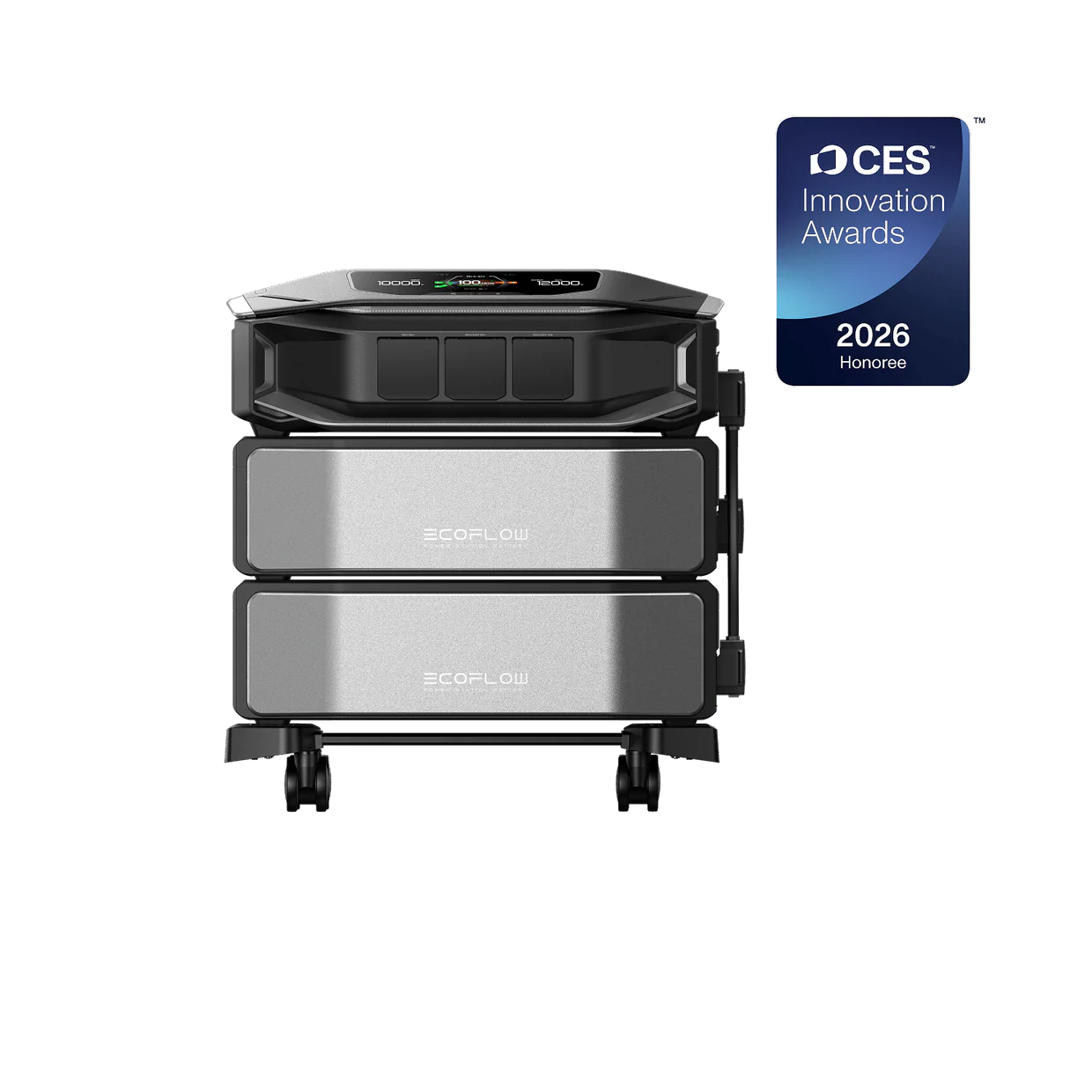
The EcoFlow DELTA Pro Ultra X is built for households that need extended, whole-home resilience. With expandable capacity up to 21.8 kWh and support for whole-home circuits via your electrical panel, it can keep your refrigerator, medical devices, and lighting running for days. It recharges via solar, AC, or car outlet, and uses LFP (lithium iron phosphate) chemistry for long-term safety. For whole-home hurricane coverage, it connects to EcoFlow's whole home backup power solutions.
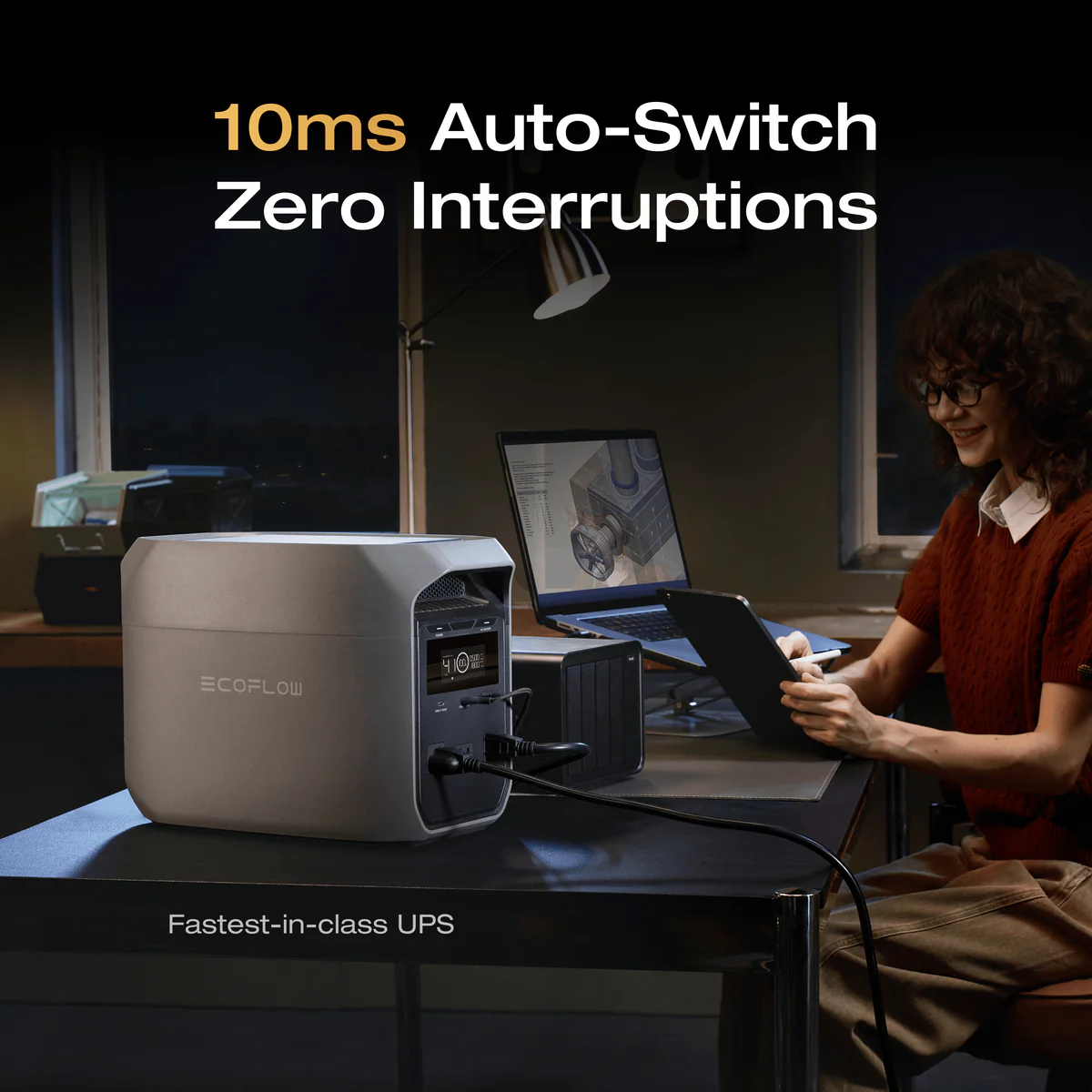
For a portable option that fits in a go-bag or works across rooms, the EcoFlow DELTA 3 Classic delivers 1,024Wh of capacity and 1,800W of AC output at 26.5 lb (12 kg). Pair it with solar panels and you're not dependent on finding fuel during a supply disruption.
One non-negotiable safety rule: never run a gas generator or propane heater indoors or in an attached garage, the carbon monoxide risk is severe. See EcoFlow's guide to building a power outage emergency supply kit for more on sizing backup power to your household.
Home Preparation and Logistics to Do Before the Storm Forms
Supplies alone aren't enough, you also need a plan before conditions deteriorate.
Evacuation vs. shelter-in-place: Know your local evacuation zone and review it each May. NOAA recommends monitoring National Hurricane Center forecasts 5–7 days out and deciding to evacuate early, before roads become congested.
Family communication plan: Designate an out-of-state contact all household members can reach if local lines are overloaded, and agree on two meeting points in advance.
Home hardening: Install hurricane shutters or pre-cut plywood for windows, clear gutters, bring in outdoor furniture, and trim branches within fall distance of your home.
Insurance and financial prep: Standard homeowner's policies exclude flood damage. According to FEMA, just 1 inch (2.54 cm) of floodwater can cause $25,000 in damage. Do a video walkthrough of your home's contents and back it up to cloud storage.
For a full pre-storm action plan, review EcoFlow's hurricane preparedness checklist: essential steps.
Frequently Asked Questions
What Should Be in a 72-Hour Hurricane Preparedness Kit?
A 72-hour kit should include at least 3 gallons of water per person, three days of non-perishable food, a first aid kit, prescription medications, copies of critical documents, cash, a battery-powered weather radio, and a portable power station for phones and medical devices. Pack separate supplies for pets and young children based on their specific needs.
How Can I Keep Phones, Medical Devices, and Small Appliances Powered During an Outage?
A portable power station is the safest way to run devices indoors during a hurricane outage. The EcoFlow DELTA 3 Classic Portable Power Station provides 1,024Wh of capacity and 1,800W of AC output. That’s enough to charge phones, run a CPAP machine, and power small appliances for hours, with no fuel or exhaust required.
When Should I Evacuate Versus Shelter in Place for a Hurricane?
Evacuate if local authorities issue a mandatory evacuation order for your zone, if your home is in a flood-prone or surge-risk area, or if the storm is forecast as a Category 3 or higher. Shelter in place only if your home is structurally sound, supplies are stocked, and your location falls outside the projected storm surge zone.
How Do I Protect Important Documents and Make Insurance Claims Easier After a Storm?
Store physical copies of IDs, insurance policies, deeds, and medical records in a waterproof, portable container. Back them up digitally on a USB drive and in cloud storage. Before each storm season, do a video walkthrough of your home's contents as this documentation makes the insurance claims process significantly faster.
Safer, Stay Powered, and Recover Faster
A hurricane preparedness kit isn't a one-time purchase, it's a system you build and revisit each May. Rotate expired supplies, update your documents, and test your power stations before the season gets active.
The EcoFlow DELTA Pro Ultra X and the EcoFlow DELTA 3 Classic cover different scales of need, so whatever the storm brings, you have clean, safe, indoor-ready power to see you through it.
For press requests or interview opportunities, reach out to our media team
media.na@ecoflow.com