How to Stay Powered at Navarre Beach Camping Resort
- Why Power Planning Matters for a Navarre Beach Camping Resort Stay
- What Power You Can Expect On Site at Navarre Beach Camping Resort
- How to Estimate Your Camping Electricity Needs Before You Pack
- How to Stay Powered All Day Without Tripping Breakers or Draining Batteries
- How to Choose a Portable Power Setup That Fits Your Camping Style
- Frequently Asked Questions
- Power Your Navarre Beach Trip With Less Stress and More Comfort
Whether you’re looking to pitch a tent or enjoy the comfort of your RV, staying powered at Navarre Beach Camping Resort is crucial to enjoying your stay.
From mini-fridges and coolers to fans and speakers, keeping your devices running requires thorough planning.
Find out what power options you can expect at the resort and how to stay powered throughout your trip.
Why Power Planning Matters for a Navarre Beach Camping Resort Stay
Guests at Navarre Beach Camping Resort spend most of their days enjoying the white sand and emerald water just minutes away from the campsite.
Days on the beach and evenings at camp introduce constant power demands, such as coolers and mini fridges running all day, portable fans offering a cooling breeze, and string lights to set the mood. Not to mention, essential devices must be recharged after a day of capturing photos and videos.
Whether you’re tent camping or staying in an RV with full hookups, power management is crucial.
Even if you’re plugged into shore power, you must respect circuit limits to avoid overloading the grid with high-power appliances, such as air conditioners, space heaters, or electric grills. Overloading a campground circuit can trip breakers and inconvenience your neighbors.
Portable power helps manage the load, but repeatedly discharging power stations can shorten their lifespans or leave you vulnerable the moment they run out of juice.
Power planning requires you to recognize your campsite’s limitations, know how much storage capacity you need, and invest in sufficient output to handle all your devices.
What Power You Can Expect On Site at Navarre Beach Camping Resort
Navarre Beach Camping Resort offers a wide range of accommodations, each with different levels of power access.
Vacation House: The vacation house features full residential electrical service with standard 120V outlets, central air conditioning, kitchen appliances, and lighting. This option essentially mimics the same setup you have at home, allowing you to plug in essential devices without worrying about limited capacity.
Cabins: Cabin options range from one-room studios equipped with basic amenities to family rooms with a fully stocked kitchen. Depending on your room’s amenities, you’ll need additional power stations to accommodate supplementary appliances.
RV Sites: RV sites offer full hookups, accommodating 20, 30, or 50 amp electric, water, and sewage connections. These sites give you enough power to run air conditioning, kitchen appliances, and entertainment systems simultaneously.
Tent Camping: Tent campsites offer water and electric hookups, though power limitations are an area of concern. Because capacity and range are issues, tent campers will likely rely on portable power stations, battery banks, and even solar panels to keep devices and appliances running.
How to Estimate Your Camping Electricity Needs Before You Pack
Estimating your power needs is essential to packing enough juice to last for your trip.
Start by taking inventory of every device you plan to run and its wattage.
Then multiply the wattage by the amount of time you expect them to run daily. For instance, if you’re powering a 50W mini-fridge 24 hours a day, you’ll need 1,200Wh of capacity per day to support that one appliance. Charging a phone that draws 20W can add 40Wh if you charge it twice daily for an hour.
Once you have a daily watt-hour total, add about a 25% buffer to account for inefficiency or emergencies. If your daily watt-hour total landed at roughly 1600Wh, aim for at least 2048Wh of capacity.
For multi-day trips, multiply your daily need by the number of days if you don’t have a reliable way of recharging your power station.
Estimating your total power needs prevents overpacking a massive power station that only takes up space and underpacking a unit that leaves you without energy halfway through your trip.
How to Stay Powered All Day Without Tripping Breakers or Draining Batteries
Running high-draw appliances, such as air conditioners, microwaves, and electric kettles, simultaneously can trip breakers. Run these appliances at different times if possible, and ensure the pedestal you’re hooked up to can support your energy needs. Otherwise, you’ll need supplementary energy solutions.
To avoid overloading your portable stations, practice load balancing. Stagger device charging throughout the day rather than plugging in multiple devices at once.
If you’re using solar panels to recharge your unit, charge devices during peak solar hours and save battery-intensive tasks for early evening when the station is near full.
Monitor your unit’s battery using the station’s app or display, and recharge before you hit 20% to preserve battery health.
Prevent draining your power station by unplugging devices when they’re not in use. Even if turned off, devices can draw a trickle that can add up over days.
How to Choose a Portable Power Setup That Fits Your Camping Style
Your camping style determines the power station’s output, capacity, weight, and features.
Tent campers typically prioritize portability and enough capacity to charge essentials and power small devices. The EcoFlow DELTA 3 Plus offers a 1024Wh capacity, 1800W output, and weighs roughly 28 pounds. It’s portable enough to carry from the parking area to the campsite, and paired with an EcoFlow 220W Solar Panel, can power appliances for multiple nights.
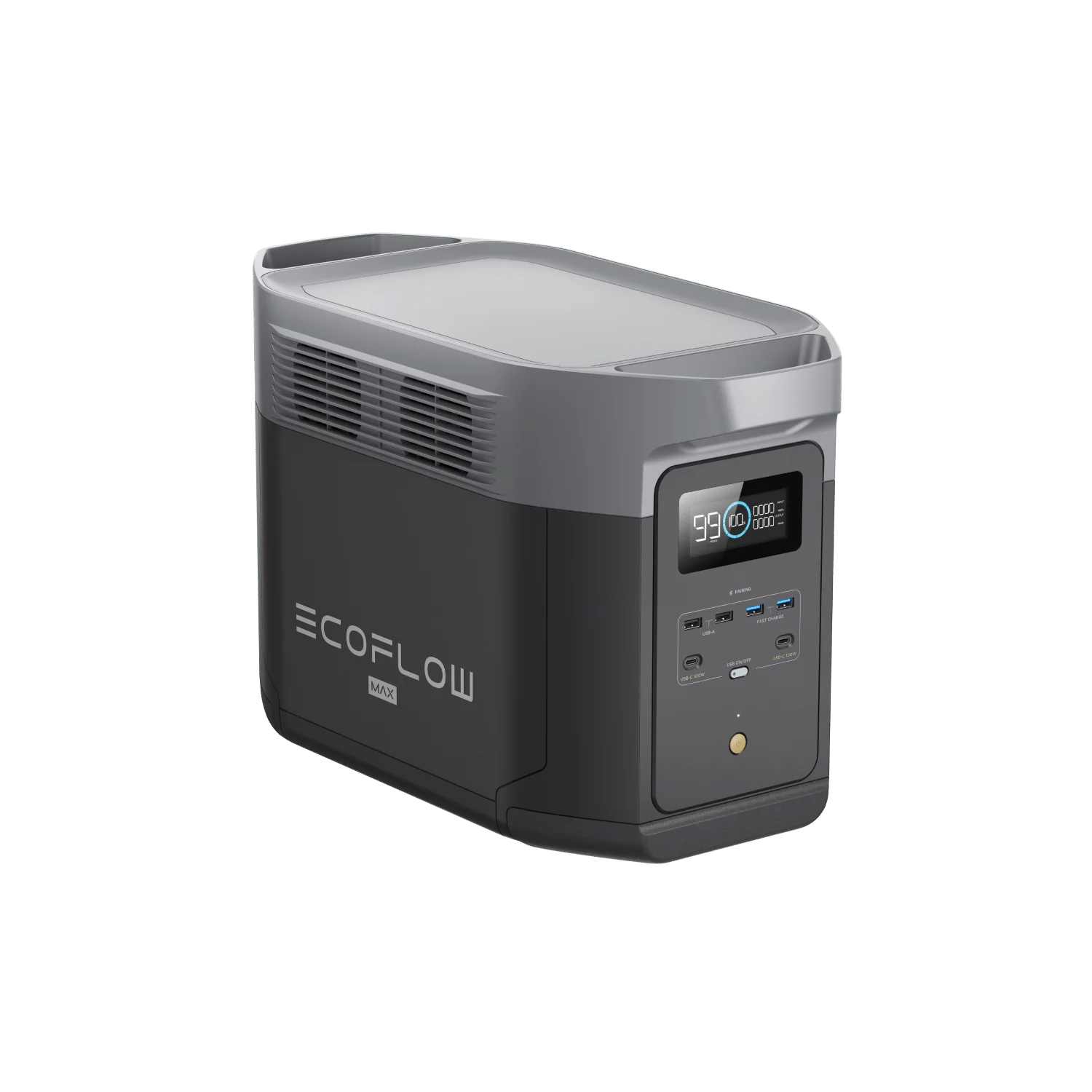
RV campers with access to shore power typically use portable power as backup. The EcoFlow DELTA 2 Max has a 2048Wh capacity and 2400W output to support high-drain appliances when needed.
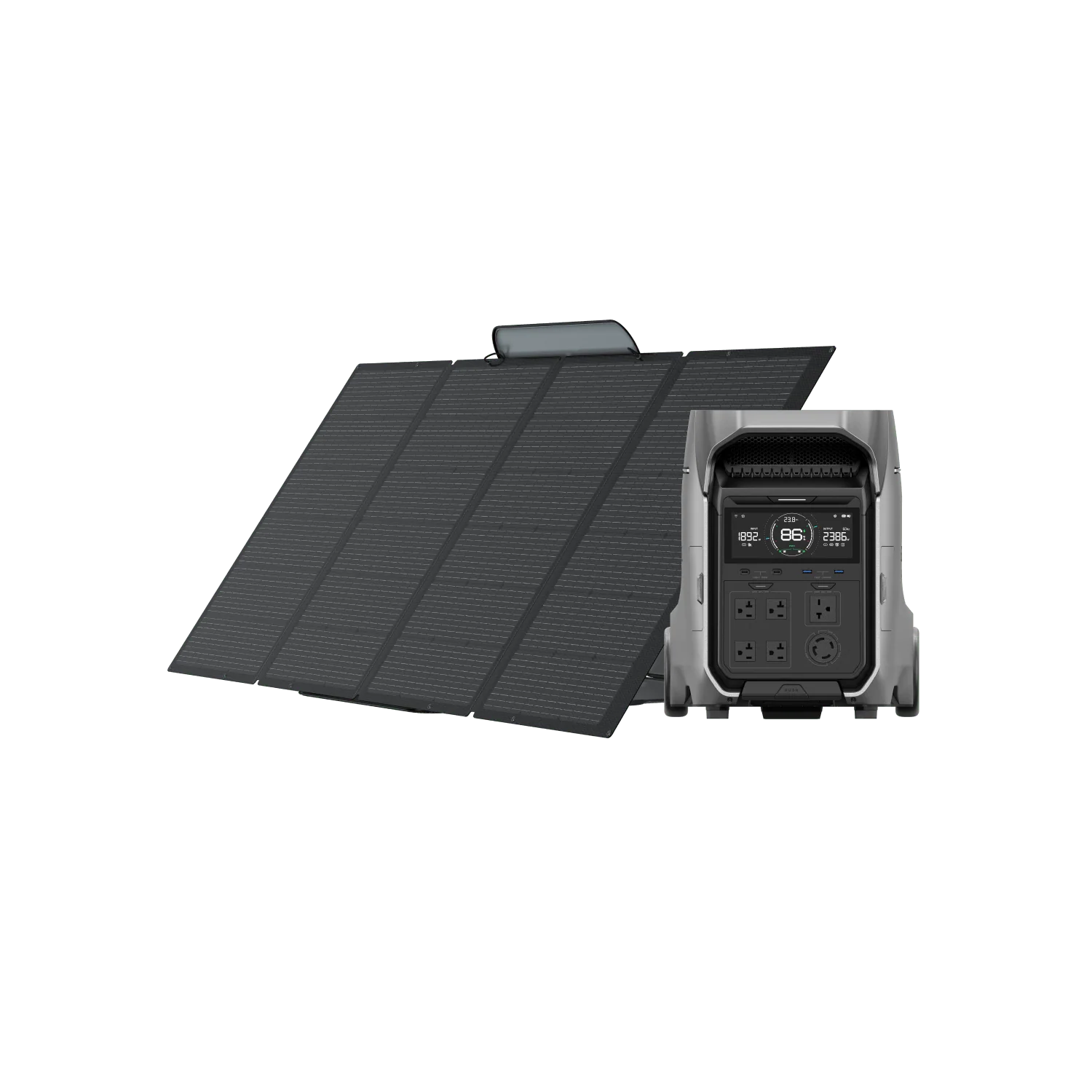
For higher energy needs or backup during outages, the EcoFlow DELTA Pro 3 + 400W Solar Panel provides a high-capacity solution capable of running multiple essential appliances for extended periods.
Frequently Asked Questions
Do RV Sites at Navarre Beach Camping Resort Support 20a, 30a, and 50a Service?
Yes, RV sites at Navarre Beach Camping Resort typically offer 20, 30, and 50 amp service. However, campers should confirm available service types with the resort before booking to ensure their electrical needs are covered.
How Long Will a Portable Power Station Run a Mini Fridge, Phones, and Lights at the Campground?
Running a 50W mini fridge all day requires 1,200Wh, charging two phones that draw 20W each requires 40Wh, and powering 10W LED lights for six hours requires 60Wh for a total daily need of 1300Wh. A 1,000Wh power station can run for up to 18 hours before needing a recharge.
What’s the Easiest Way to Recharge a Power Station During a Beach Camping Trip?
If you have access to shore power, plug the power station into a standard AC outlet for the most convenient recharge. If you’re camping without hookups, solar panels can be used to recharge your unit throughout the day. Vehicle charging is another option to charge the unit while driving to your campsite.
Power Your Navarre Beach Trip With Less Stress and More Comfort
Planning your power needs before your Navarre Beach camping trip ensures you get the most out of the experience. Know what your site offers and pack enough power to accommodate your energy demands.
The EcoFlow DELTA series — from compact units like the DELTA 3 Plus to higher-capacity systems like the DELTA 2 Max and DELTA Pro 3 — offers flexible options to match your camping needs, allowing you to focus on the beach, sunset, and the reason you went camping in the first place.
For press requests or interview opportunities, reach out to our media team
media.na@ecoflow.com