Holiday Hosting Without Tripping Breakers: How to Handle Ovens, HVAC & More
- The Holiday Power Crisis
- Understanding Your Home's Electrical System
- Managing Your Oven Without Overloading Circuit Breakers
- Controlling Your HVAC System During Holiday Gatherings
- Practical Steps to Holiday-Proof Your Home
- The Ultimate Solution: A Home Battery System
- Putting It All Together Into A Perfect Power Plan
- Frequently Asked Questions About Household Electricity
The Holiday Power Crisis
Your home smells amazing, lights are twinkling, and your favorite people fill the rooms with laughter. You're hosting the perfect holiday party. Then—click. The oven shuts off, the music dies, and half the house goes dark. A tripped circuit breaker just brought the fun to a halt.
This year, you can keep that from happening. Here's why circuit breakers trip during the holidays and what you can do to keep the lights on and the celebration going strong.
Understanding Your Home's Electrical System
How Do Circuit Breakers Work?
Your circuit breaker panel is the security guard for your home's electricity. It's that metal box in the basement or garage, and its only job is to watch the power flowing through your wires. The switches inside are labeled with numbers like "15" or "20"—these represent the amps, or the maximum amount of electrical current that circuit can safely handle.
Every wire in your walls can only handle so much electricity. If you push too much power through a wire, it gets dangerously hot and can start a fire. Your circuit breakers stop this from happening by monitoring the electrical flow constantly. When circuit breakers detect an unsafe power level, they trip automatically, instantly cutting the power to that part of your home. So, a tripped breaker, while annoying, shows the system is working to keep you safe.
Why Do Circuit Breakers Trip During the Holidays?
During the holidays, you ask your home's electrical system to work overtime. Circuit breakers trip when they sense danger from two main causes: overloads and short circuits. An overload happens when you simply plug in too many things at once. A short circuit occurs when faulty wiring creates a dangerous electrical path.
A single kitchen circuit, usually rated for 15 or 20 amps, can only supply about 1,800 to 2,400 watts of power. Look how quickly your holiday activities consume that budget:
Electric Oven (while heating): 2,000 - 5,000 watts
Microwave Oven: 1,000 - 1,500 watts
Coffee Maker: 800 - 1,200 watts
Slow Cooker or Roaster: 150 - 300 watts
Refrigerator: 150 - 400 watts (surges higher when compressor kicks on)
Just running the microwave while the coffee maker is brewing can push a 15-amp circuit over its limit. Add in a furnace that kicks on and the festive lights, and you create a power demand that your home's circuits simply cannot meet. It's the combination of all these things running at once that pushes circuit breakers past their limit and causes that dreaded click.
Managing Your Oven Without Overloading Circuit Breakers
Your oven is the biggest power consumer in your kitchen. Here's how to use it strategically without tripping circuit breakers:
Create a Cooking Timeline
Schedule your oven use to avoid conflicts with other appliances. For example:
- 1:00 PM - 4:00 PM: The electric oven is the star, roasting the main dish.
- 4:00 PM - 4:30 PM: The oven is off and the dish is resting. Now is the perfect time to use the microwave to heat up side dishes and the electric kettle for hot drinks.
- 4:30 PM onward: Use warming trays or slow cookers to keep food hot, as they use very little power.
Spread Kitchen Appliances Across Circuits
Don't plug all your kitchen appliances into outlets next to each other. Use your circuit map to your advantage. Plug your coffee maker into a dining room outlet and the mashed potato warming tray into a living room outlet. This distributes the electrical load across different circuit breakers, so no single one gets overloaded.
Controlling Your HVAC System During Holiday Gatherings
Your furnace is a major power hog that can compete with your cooking appliances for electrical capacity and cause circuit breakers to trip. Here's a smart strategy:
Tame Your Thermostat: About an hour before guests are scheduled to arrive, set your thermostat a few degrees warmer than usual. Once the house is full of people, their collective body heat will help keep the space warm. You can then lower the thermostat by a few degrees. This prevents the furnace from cycling on as frequently during the peak of your party, freeing up electrical capacity and performing load shedding on your circuit breaker.
Practical Steps to Holiday-Proof Your Home
1. Map Your Circuit Breakers
A few days ahead of your party, grab a notepad and ask a family member for help. Go to your electrical panel and flip one breaker to the "OFF" position. Then, walk through the house together and test every outlet, light switch, and appliance. Write down everything that lost power next to that breaker's number. Flip it back on and move to the next one. After 30 minutes, you'll have a complete map of your home's electrical zones. Labeling the circuit breakers panel itself will help you for years to come.
2. Schedule Your Appliances
Use the cooking timeline strategy mentioned above to spread out the use of your most powerful appliances throughout the day. This prevents multiple high-wattage devices from overloading your circuit breakers simultaneously.
3. Spread Out the Power Hogs
Avoid plugging multiple heat-producing appliances into a single power strip; plug them directly into the wall instead. Use different circuits for different appliances based on your circuit breaker map. This simple strategy significantly reduces the chances of tripping circuit breakers.
4. Light Up Smarter
Swap your old incandescent holiday lights for modern LEDs. A string of 100 old incandescent mini lights uses about 40 watts. A similar string of LEDs uses only 5 watts. You can run eight strings of LED lights for the same power cost as one old string. This frees up a surprising amount of capacity on your circuit breakers for other things.
5. Pre-Plan Your HVAC Strategy
Use the thermostat strategy to reduce furnace cycling during peak party hours and minimize the load on your circuit breakers.
The Ultimate Solution: A Home Battery System
Following these tips helps you manage your home's power and avoid tripping circuit breakers. But what if a winter storm knocks out the grid entirely? For true peace of mind, you can power your entire home with a home battery.
EcoFlow DELTA Pro Ultra X: Power Everything Without Worrying About Circuit Breakers
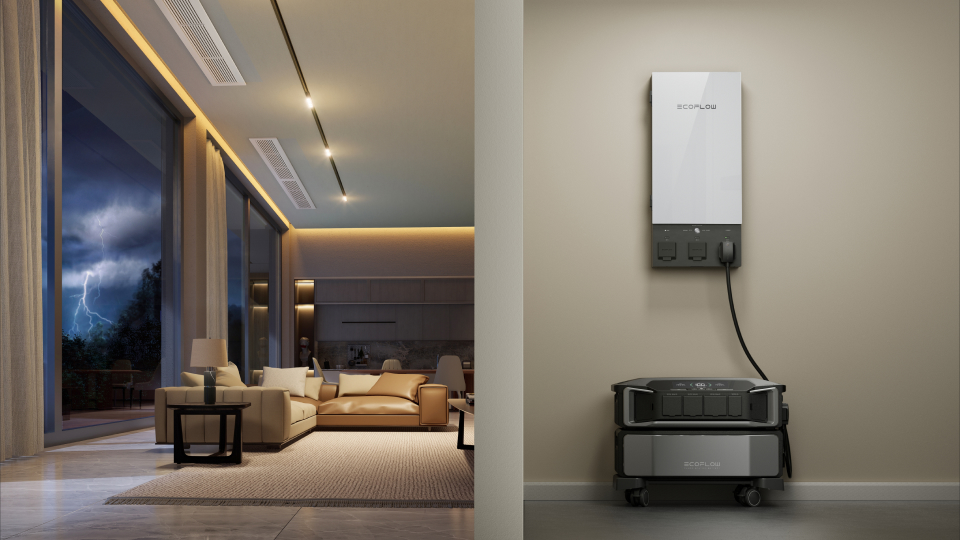
With the EcoFlow DELTA Pro Ultra X home battery, you stop managing power and start commanding it. It's a complete power station for your house that lets you live without limits—no more worrying about which appliances will trip your circuit breakers.
Run Everything at Once, Worry-Free: The DELTA Pro Ultra home battery pumps out a massive 12kW of power. With that kind of capability, you can run your big furnace to keep the house warm, have the oven roasting, and keep the refrigerator humming all at the same time. You never have to compromise or schedule your appliance use again. Unlike traditional circuit breakers that limit what you can run simultaneously, this home battery provides the capacity you need.
Be the House with the Lights On: If a winter storm hits mid-party, your neighbors' homes may go dark and their circuit breakers become useless, but yours won't. The DELTA Pro Ultra home battery takes over instantly. The oven finishes cooking, the furnace keeps the house toasty, and the kids can still watch their holiday movie. You're not just continuing the party; you're providing a safe, warm haven for your family and guests.
Control Your Home's Power from Your Phone: The EcoFlow app puts you in complete control of your home battery system. You can see what's using the most energy and even turn circuits on or off with a tap. It's the smartest, easiest way to manage your home's power without constantly worrying about tripping circuit breakers.
Putting It All Together Into A Perfect Power Plan
With a circuit map, a smart cooking timeline, and a few strategic adjustments to your thermostat and lighting, you can host the perfect holiday gathering without a single breaker tripping. And if you want to stop worrying about power altogether, a home battery like the EcoFlow DELTA Pro Ultra X means you'll never have to choose between running the oven and keeping the lights on again.
Frequently Asked Questions About Household Electricity
Q1: My circuit breaker won't reset. What should I do?
A: If you flip a circuit breaker back on and it immediately trips again, it's warning you of a problem. First, unplug everything on that circuit. If the breaker stays on, one of your devices is faulty. If it still trips when nothing is plugged in, the problem could be in your home's wiring. That's a job for a pro, so call a licensed electrician right away.
Q2: What's the difference between overload and short circuit?
A: Understanding why circuit breakers trip helps you prevent future issues. An overload is the most common party-crasher—it's when you simply ask a circuit to do too much work by plugging in too many things. A short circuit is more serious; it happens when faulty wiring in an appliance or wall creates a dangerous path for electricity. Circuit breakers trip instantly in both cases to prevent a fire.
Q3: Is it safe to use extension cords for all my holiday lights?
A: Yes, as long as you use them correctly. If you're decorating outside, make sure your cord is rated for outdoor weather. Don't plug too many light strings into a single cord—check the packaging to see how many you can safely connect. Never plug one power strip or extension cord into another one, as this can overload circuit breakers and create a fire hazard.
Q4: Can a home battery like the DELTA Pro Ultra X really save me money?
A: Yes, a home battery can actually cut your electricity bills. If you have solar panels, you can store the free energy you make during the day in your home battery and use it to power your home at night. Even without solar power, you can charge the home battery when electricity rates are low (usually overnight) and use that cheap, stored power during peak hours when grid electricity is most expensive.
Q5: How do I know what size home battery I need?
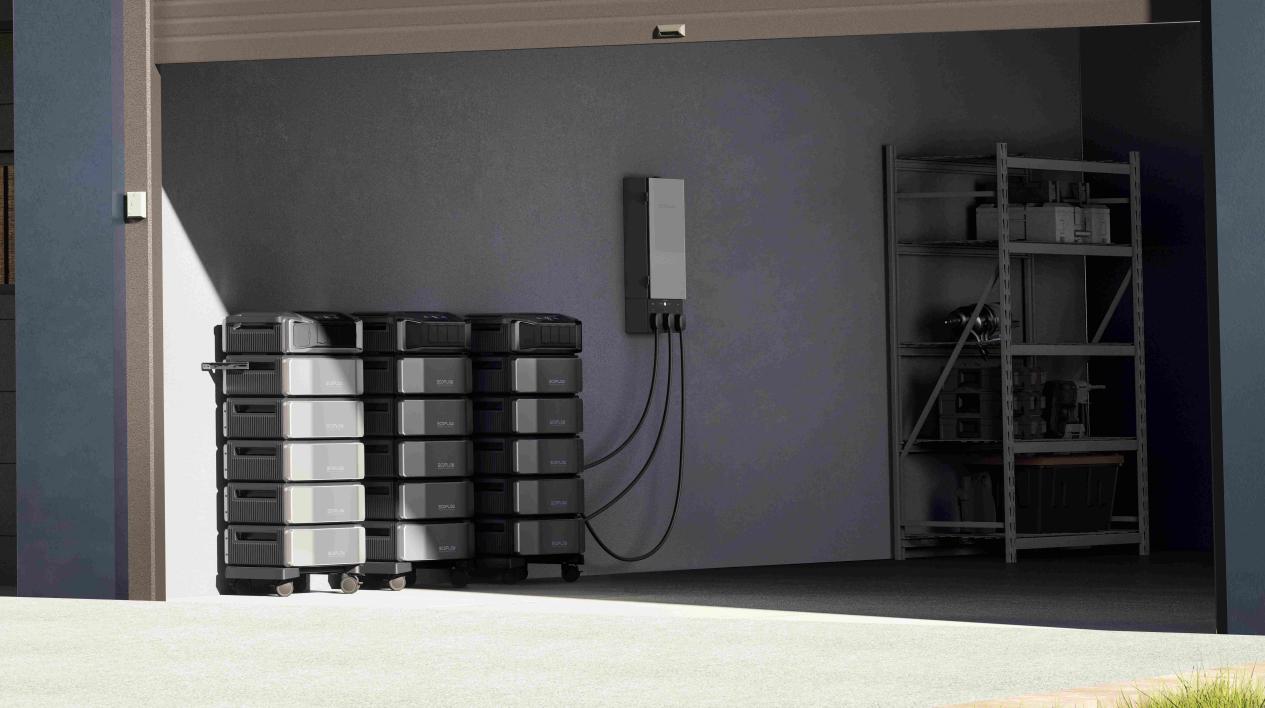
A: Consider what you absolutely need to keep running during an outage. Do you just want to keep the fridge cold and the lights on, or do you want to run your entire house without worrying about circuit breakers? Look at your past utility bills to see how much power you typically use. The EcoFlow DELTA Pro Ultra X home battery is great because you can start with one battery and add more later, building a system that's the perfect size for you.
For press requests or interview opportunities, reach out to our media team
media.na@ecoflow.com