A Guide to Green Architecture and Sustainable Architecture with Smart Energy Systems
- What is Green Architecture And Sustainable Design?
- What Is the Difference Between Green Architecture and Sustainable Architecture?
- Why a "Passive House" Isn’t a Finished House
- What Are the Most Common Green Building and Sustainable Building Certifications in the U.S.?
- What Incentives Support Sustainable Architecture in the U.S.?
- How Can Homeowners Start a Green Architecture or Sustainable Building Project?
- Conclusion
- FAQ
Building a home in the U.S. today isn’t just about square footage or curb appeal anymore. It’s also about how that home interacts with the environment, and honestly, how much it costs you to live in it over time. Whether you're planning a modern build in Austin or a quiet, energy efficient home somewhere in the Pacific Northwest, the expectations have changed. People want homes that are comfortable, efficient, and a little more future-proof.
This guide breaks down what green architecture and sustainable architecture actually mean in real life, not just theory. We’ll walk through how smart energy systems are turning regular homes into high efficiency, energy independent spaces, what certifications actually matter, and where the real savings come from. You’ll also see how newer tech, like portable power and home energy storage, fits into all of this without overcomplicating things.
What is Green Architecture And Sustainable Design?
Green architecture is really about making smarter building choices from the start. Using materials that are better for the environment, cutting down on construction waste, and making sure the air inside your home actually feels clean, not stale or full of chemicals. And this isn’t a small impact. Buildings in the U.S. account for close to 40% of total energy use. That’s huge. The upside? Energy-efficient homes can cut that usage by around 20% to 50%, which shows up pretty quickly on your utility bills.
In everyday terms, green architecture is about reducing harm, both to the environment and to the people living inside the home. Things like low-VOC paints, better insulation, and smarter material choices all add up. You might not notice each one individually, but together they change how a home feels.
Sustainable design takes that idea a step further. It’s less about the materials you choose today and more about how the house performs over time. Think long term like 10, 20, even 50 years down the line. According to the U.S. Department of Energy, many homeowners can recover the cost of energy efficient upgrades within about 5 to 10 years. After that, it’s mostly savings.
In the U.S., this also means building homes that can handle real conditions, hot summers pushing past 90℉, colder winters in some regions, and energy demand that keeps shifting. A well designed home doesn’t just use less energy. In some cases, it can produce enough to cover what it consumes.
What Is the Difference Between Green Architecture and Sustainable Architecture?
People use these two terms like they mean the same thing, and in everyday conversation, that’s usually fine. But there is a difference, and it actually matters when you’re planning a home. Green architecture is more focused on the immediate choices you make during construction. Things like recycled insulation, low-VOC paints, better materials overall. It’s about making the building itself cleaner and less harmful from day one.
Sustainable architecture looks at the bigger picture. It’s not just about what goes into the house, it’s about how the house performs over time. Energy use, long term costs, durability, even how it holds up as climate conditions shift. A sustainable home is designed to keep working efficiently year after year, not just look good on paper at the start.
One way to think about it, green architecture is a good decision at the moment. Sustainable architecture is a system that keeps paying off over time. They overlap, but they’re not exactly the same. To make it more practical, here’s how a traditional home compares to a green or sustainable one:
| Aspect | Traditional Home | Green / Sustainable Home |
|---|---|---|
| Energy Consumption | 100% baseline | ↓ 20%-50% |
| Electricity Cost | High & volatile | ↓ 30%-70% savings |
| ROI | None | 5-10 years |
| Carbon Emissions | None | Significantly reduced |
Why a "Passive House" Isn’t a Finished House
A lot of homeowners assume once you’ve added thick insulation, upgraded windows, and covered the roof with solar panels, that’s it. Job done. But that’s really just the outer layer. The part that usually gets overlooked is how the home actually uses energy day to day.
Here’s where things don’t quite line up. Your solar panels are producing the most energy around midday, right when you’re not home. Meanwhile, your real usage kicks in later. Evening time. Cooking dinner, running laundry, turning on the AC after a long day (especially when it’s still around 85-95℉ outside). That mismatch is what people call the “timing gap.”
Without a way to store that extra energy, your home ends up pulling from the grid at night anyway. So even if everything looks efficient on paper, you’re still relying on traditional power when you actually need it most.
To get closer to true net-zero, a home needs more than good insulation and solar panels. It needs a system behind it. Something that manages when energy is used, where it goes, and how it’s stored. Otherwise, you’re only solving part of the problem.
Closing the Loop with Smart Storage
To actually fix that timing gap, your home needs a way to hold onto energy, not just produce it. Think of it like a buffer. Your solar panels are doing their job during the day, but instead of sending that extra energy back to the grid for a small credit, you store it and use it later when your home actually needs it. That’s where the idea of a home microgrid comes in. Instead of relying on the grid as your backup, you’re creating your own small energy system. One that captures power when it’s available and delivers it when it matters.
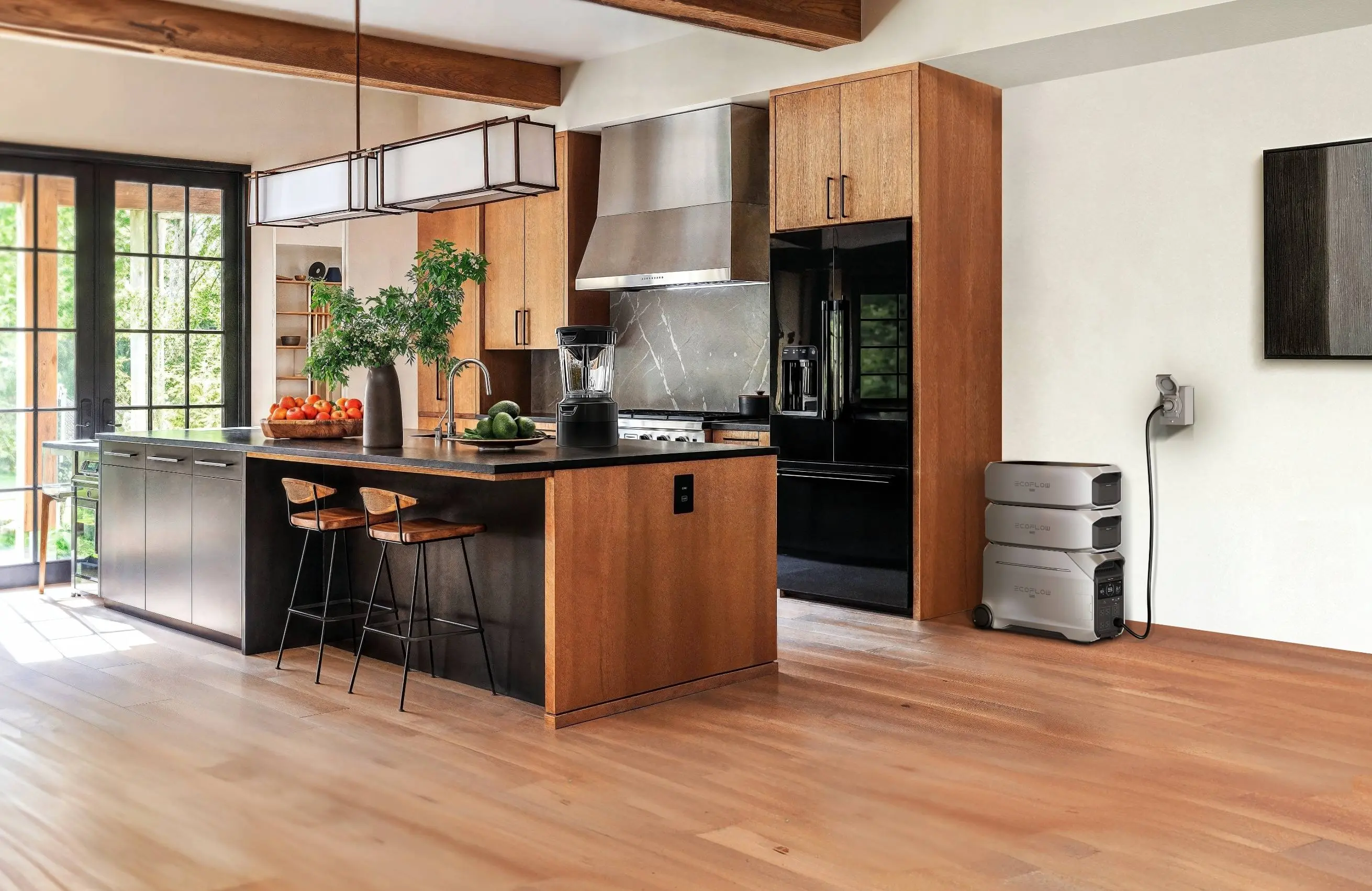
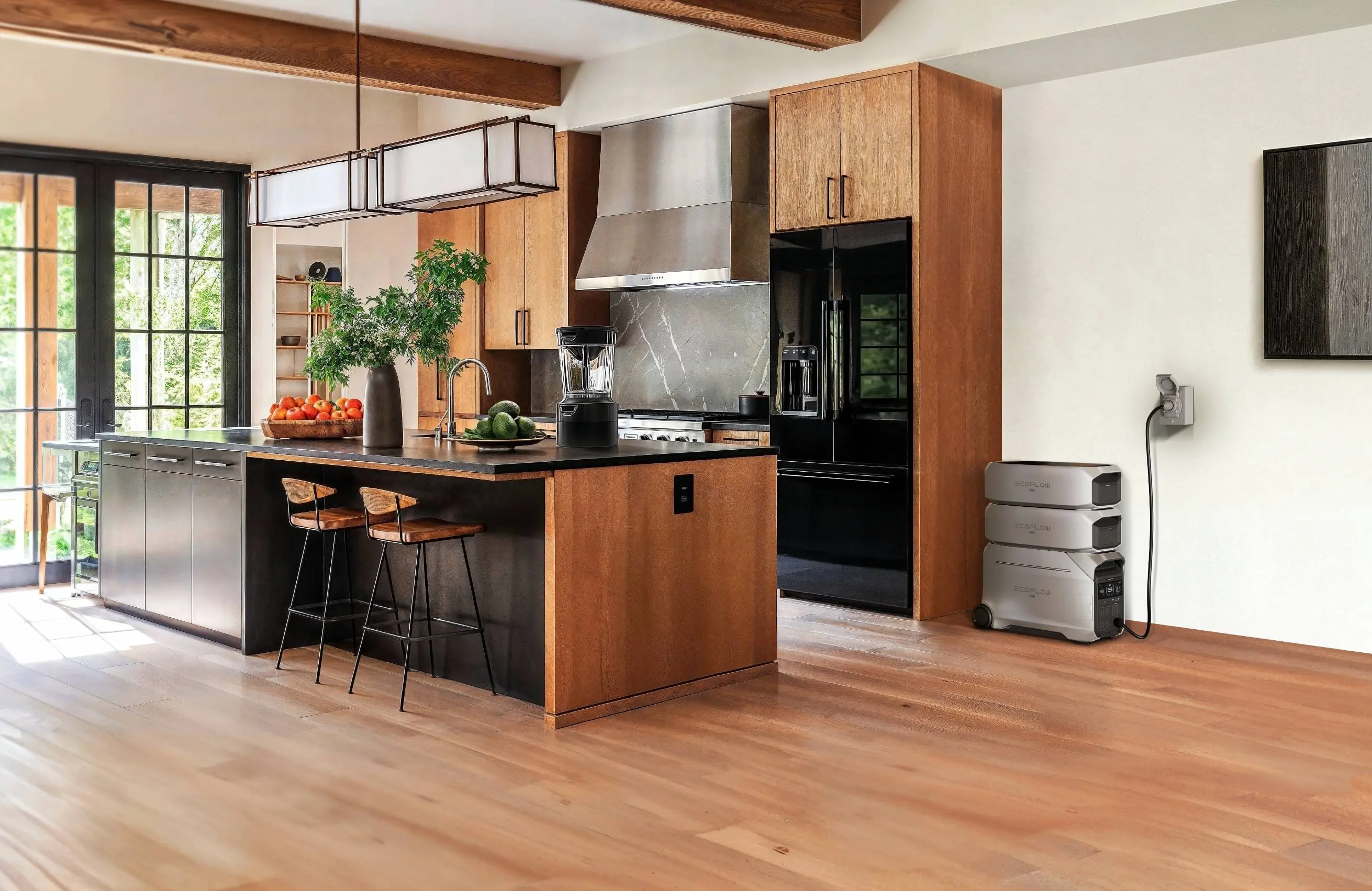
Systems like the EcoFlow DELTA Pro 3 Portable Power Station fit into this setup pretty naturally. It stores solar energy during peak production hours, then powers your home in the evening, things like running the dishwasher, charging your EV, or just keeping everything going after sunset. Once you have that in place, the whole setup starts to feel different. You’re not just generating clean energy, you’re actually using it on your own terms.
Power You Can Actually Count On
Saving energy is one thing. Being able to rely on it when you need it, that’s a different story. Because in real life, outages happen. Heat waves in Texas, wildfire seasons in California, storms knocking out power for hours, sometimes days. And when that happens, efficiency alone doesn’t help much if everything shuts off. That’s where resilience comes in. A truly well-designed home should still function when the grid goes down. Not just barely, but comfortably.
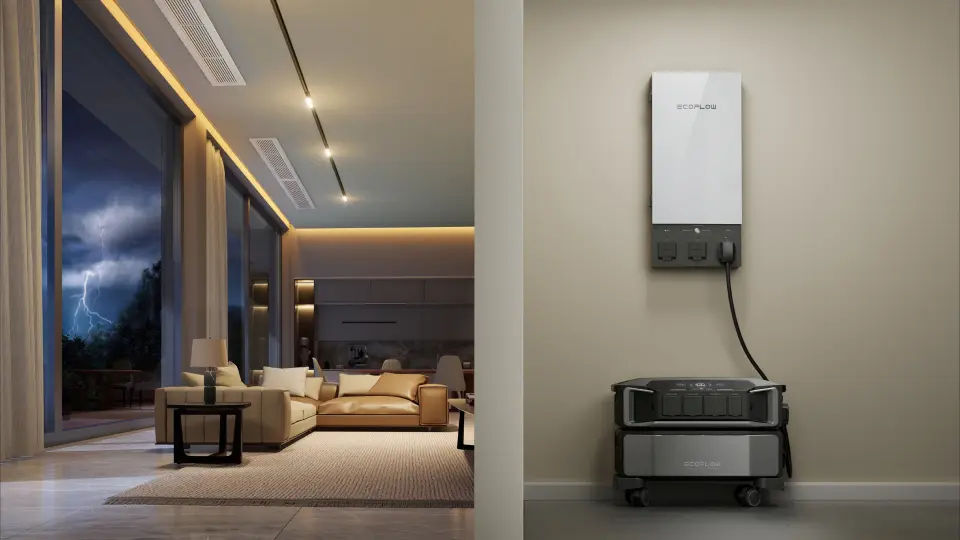
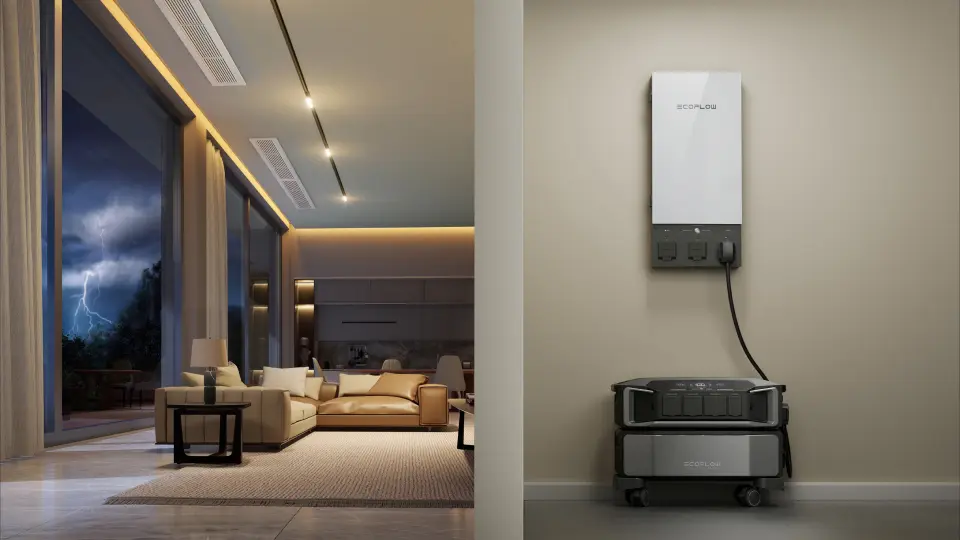
This is where the idea shifts from a “green home” to something more like a smart microgrid. Systems like the EcoFlow DELTA Pro Ultra Whole-Home Backup Power are built for that kind of situation. Instead of only powering a few essentials, it can handle the bigger loads, keeping your HVAC running when it’s still 90℉ outside, powering your kitchen so you can cook normally, even running laundry if needed. It changes the experience completely. You’re not sitting around waiting for the power to come back, you just keep going.
And once you have that level of backup in place, your home starts to feel less dependent on the grid altogether. More stable. More self sufficient. Because at the end of the day, sustainable living shouldn’t mean giving anything up. It should mean having more control, especially when things don’t go as planned.
The Invisible Standard: Acoustic Comfort
When people think about sustainable homes, they usually focus on what they can see, solar panels, insulation, smart systems. Or what they can feel, like temperature and air quality. But there’s another part that doesn’t get talked about as much: noise. Traditional gas generators are loud. Not just background noise, you hear them constantly. They vibrate, they smell, and they completely change the atmosphere of what’s supposed to be a calm, comfortable space. It doesn’t really match the idea of a “green” home.
Newer energy systems approach this differently. Products in the EcoFlow DELTA Pro series, for example, are designed to operate quietly while still delivering high output, something that used to be hard to balance. Some systems run at around 30dB, which is about as quiet as a calm room or leaves moving outside. It’s the kind of sound you barely notice unless you’re listening for it. And that makes a bigger difference than people expect. Early mornings, late evenings, sitting outside with a coffee, those moments stay quiet.
It’s also part of a broader idea in sustainable design, comfort isn’t just about efficiency. Standards like WELL look at things like sound, light, and overall living experience, not just performance numbers. Because at the end of the day, a sustainable home should feel good to live in. Not just efficient, but actually peaceful.
What Are the Most Common Green Building and Sustainable Building Certifications in the U.S.?
If you’ve ever looked into sustainable building, you’ve probably seen a bunch of certifications thrown around. It can feel a bit overwhelming at first, almost like learning a new language. Here are the main ones that actually matter in the U.S., and what they really mean in practice:
LEED Green Building Certification:
This is the one most people recognize. LEED looks at the overall environmental impact of a building, things like energy use, water efficiency, materials, and emissions. If a home or building is LEED-certified, it usually means it’s been designed with efficiency in mind from multiple angles, not just one.
WELL Healthy Building Standard:
This one shifts the focus from the building, to the people inside it. WELL measures things like air quality, lighting, water, and overall comfort. It’s less about saving energy and more about how the space affects your daily life, how you sleep, breathe, and feel at home.
Phius Passive House Certification:
If energy efficiency is the priority, this is one of the toughest standards out there. Phius-certified homes are built to be extremely airtight, which means they need very little heating or cooling to stay comfortable. It takes more planning upfront, but the long-term energy savings can be significant.
ENERGY STAR Building Efficiency Program:
This is the most practical and easy-to-recognize one. ENERGY STAR is backed by the U.S. government and helps identify homes and appliances that meet higher efficiency standards. You’ve probably seen the label before, it’s one of the simplest ways to spot better performing products.
Living Building Challenge Standard:
This is on a different level. To meet this standard, a building has to give back more than it takes, producing its own energy, managing water on-site, and minimizing environmental impact across the board. It’s not common, but when you see it, you know the project went all in.
What Incentives Support Sustainable Architecture in the U.S.?
One of the biggest reasons people move toward sustainable building? It saves money. Upfront costs can look high at first, but once you factor in tax credits and rebates, the numbers usually start to make a lot more sense. Here are the main incentives homeowners in the U.S. can take advantage of:
Residential Clean Energy Credit Programs
This is the big one. Under the Inflation Reduction Act, homeowners can claim up to 30% of the total system cost as a federal tax credit. So if you install a solar system for around $20,000, you could get back roughly $6,000. That alone changes the math quite a bit. For detailed information on eligibility requirements and the step-by-step process for claiming these incentives, please refer to our detailed guide to solar power incentives and tax credits in the U.S..
Energy Efficient Home Improvement Credits
These apply to smaller upgrades, but they add up. Things like better windows, doors, insulation, or sealing leaks in your home can qualify for credits. It’s not as flashy as solar, but improving how “tight” your home is can lower your energy use right away, especially during hot summers or colder months.
State and Utility Rebate Programs
This part depends on where you live. Many states and even local utility companies offer rebates for installing energy efficient systems like smart thermostats or heat pumps. In places like Colorado or Massachusetts, these rebates can come instantly at purchase, which helps reduce the upfront cost. It’s always worth checking locally. The incentives can be surprisingly good.
Net Metering and Commercial ITC Incentives
If you generate more solar energy than you use, net metering lets you send that extra power back to the grid in exchange for credits. It’s not always a perfect return, but it still helps offset your electricity costs over time. For larger or commercial projects, the Investment Tax Credit (ITC) offers even bigger financial support, making large-scale sustainable builds more realistic.
How Can Homeowners Start a Green Architecture or Sustainable Building Project?
Starting a green home project can feel like a lot at first. There are so many terms, systems, and decisions, it’s easy to get stuck before you even begin. But once you break it down, it’s actually pretty manageable. You don’t need to figure everything out at once. Just take it step by step.
Build the Right Team First
This part matters more than most people expect. Working with professionals who understand energy efficient design, like Phius-certified builders or consultants, can save you a lot of trial and error. They look at how your home will perform before it’s even built, not just how it looks on paper. Instead of guessing, you’re working with real data, how much energy the house will use, where heat might escape, and what can be improved early on. It helps avoid expensive fixes later.
Pay Attention to Your Location
Before getting into design details, take a step back and look at the site itself. Where does the sun hit during the day? How does the wind move through the area? These things actually affect how your home feels year-round. A well-positioned home can stay warmer in the winter and cooler in the summer without relying as much on HVAC. Even small adjustments here can make a noticeable difference.
Focus on the “Envelope” First
This is basically the outer shell of your home, walls, windows, insulation. If this part isn’t done right, everything else becomes harder (and more expensive). Heat escapes, air leaks in, and your system has to work overtime to keep things comfortable. Better insulation, tighter construction, and high quality windows like triple-pane options, help keep temperatures stable inside, whether it’s freezing or pushing past 90℉ outside.
Connect Everything with Smart Energy
Once your home is efficient, the next step is making it self sufficient. That usually means combining solar with some form of energy storage, typically in the form of a high-performance solar battery. During the day, your system generates power. Later, when demand goes up, you use what you’ve already stored instead of pulling from the grid. This is what ties everything together. It’s not just about saving energy anymore, it’s about controlling how and when you use it. And in situations like outages or extreme weather, that setup can make a big difference in how your home actually performs.
Conclusion
Green and sustainable architecture is quickly becoming the standard for how homes are built and lived in across the U.S. It’s not just about being environmentally conscious anymore, it’s also about comfort, long-term savings, and having more control over how your home runs.
When you combine solid design choices with smart energy systems, like those in the EcoFlow DELTA Pro series, you start to see the bigger picture come together. Your home becomes more stable, more efficient, and a lot less dependent on outside factors like rising energy costs or grid issues. And the interesting part is, once everything is set up, it doesn’t feel complicated at all. It just works in the background.
FAQ
1. What are the 5 C's of sustainability?
The 5 C’s stand for Continuity, Community, Connection, Conservation, and Culture. In simple terms, they’re about building in a way that lasts over time, supports local communities, respects natural resources, and fits into the surrounding environment. It’s not just about energy, it’s about creating something that works long-term on multiple levels.
2. Why are green buildings and sustainable architecture important?
They matter because they reduce energy use, lower long-term costs, and make homes healthier to live in. With energy prices going up and weather becoming less predictable in many parts of the U.S., having a home that’s efficient and resilient just makes life easier. Beyond the building’s structure itself, adopting some practical green living tips can help you ensure your sustainable architecture performs at its best. You spend less, and you’re less affected by external problems.
3: How does green architecture impact the environment?
Green architecture helps cut down waste, reduce water usage, and lower greenhouse gas emissions. By using better materials and more efficient systems, buildings put less pressure on the environment overall. It’s a gradual shift, but across thousands of homes, the impact adds up pretty quickly.
4: What are 5 examples of sustainability?
Some common examples include:
Solar energy systems
Rainwater collection
Recycled or low impact building materials
Native landscaping (plants that don’t need much water)
Energy efficient lighting like LEDs
These are small changes on their own, but together they make a big difference over time.
5: What are the biggest threats to sustainability?
The main challenges are overconsumption, climate change, habitat loss, and continued reliance on fossil fuels. Fixing these isn’t something that happens overnight, but shifting toward renewable energy and more efficient homes is a big part of the solution.
For press requests or interview opportunities, reach out to our media team
media.na@ecoflow.com