EV Tax Credit News: Latest Updates and What They Mean for EV Buyers in 2026
- What’s Changed With EV Tax Credits in 2026
- Updated Federal EV Tax Credit Rules Buyers Should Know
- Income Limits, Vehicle Eligibility, and Sourcing Requirements
- Used EV Tax Credits and What’s New for 2026
- EV Charger Tax Credits and Home Energy Incentives in 2026
- How These Changes Impact EV Buyers’ Total Cost of Ownership
- Why Home Energy Storage Matters More for EV Owners in 2026
- Frequently Asked Questions
- Smart Energy Planning Helps EV Buyers Get More Value in 2026
Electric vehicle incentives in the United States continue to shift in 2026. Recent updates tied to federal policy changes, including provisions from the Inflation Reduction Act of 2022, have introduced new eligibility rules, stricter sourcing requirements, and evolving income thresholds that directly affect which vehicles qualify for the full tax credit.
As automakers adjust supply chains and more models enter the market, understanding the latest EV tax credit updates has become essential for buyers hoping to maximize incentives.
What’s Changed With EV Tax Credits in 2026
EV tax credits in 2026 remain more restrictive and detailed than earlier EV incentive programs, largely due to updated rules under the Inflation Reduction Act of 2022.
Eligibility now depends more heavily on factors like battery sourcing, final assembly location, income limits, and vehicle price caps, which means fewer models qualify for the full credit without additional verification.
At the same time, more incentives are being applied at the point of sale. Support for charging infrastructure also remains a key benefit, including programs tied to the EV charger tax credit, subject to location-based eligibility requirements, which helps reduce the cost of installing home EV charging equipment.
Updated Federal EV Tax Credit Rules Buyers Should Know
Federal EV tax credit rules in 2026 continue to emphasize stricter eligibility, with requirements tied to vehicle price caps, income limits, and North American assembly standards.
Battery sourcing rules remain a key factor, often determining whether a vehicle qualifies for the full credit or a reduced amount.
Buyers should also note the growing use of point-of-sale credits, which apply savings directly at purchase rather than through tax refunds. Eligibility verification has become more important than ever, as qualifications can vary significantly by model, trim, and manufacturer.
Income Limits, Vehicle Eligibility, and Sourcing Requirements
EV tax credit eligibility in 2026 continues to be shaped by income caps, vehicle price limits, and strict sourcing rules under the Inflation Reduction Act of 2022.
Buyers must fall under specific income thresholds ($150,000 for single households, $225,000 for head of household, $300,000 for joint), and qualifying vehicles must meet assembly requirements in North America, along with battery mineral and component sourcing standards.
These rules significantly impact which models qualify for the full credit, thus making pre-purchase verification essential.
Many of the same income-based restrictions also follow similar income-based eligibility frameworks in some cases, including certain solar energy incentives, tied to household income and project requirements.
Used EV Tax Credits and What’s New for 2026
Used EV tax credits in 2026 continue to offer an affordable entry point into electric driving, with eligibility rules under the Inflation Reduction Act of 2022 remaining focused on vehicle price limits, age requirements, and buyer income caps. These credits are designed specifically for lower-cost EV purchases.
Recent updates have improved clarity around qualifying dealerships and VIN verification, while point-of-sale application options make the credit easier to access at the time of purchase rather than waiting for tax filing.
EV Charger Tax Credits and Home Energy Incentives in 2026
In 2026, federal incentives continue to support home EV charging installation through credits tied to the Inflation Reduction Act of 2022.
These benefits are often paired with broader home energy upgrades aimed at improving efficiency and lowering long-term electricity costs.
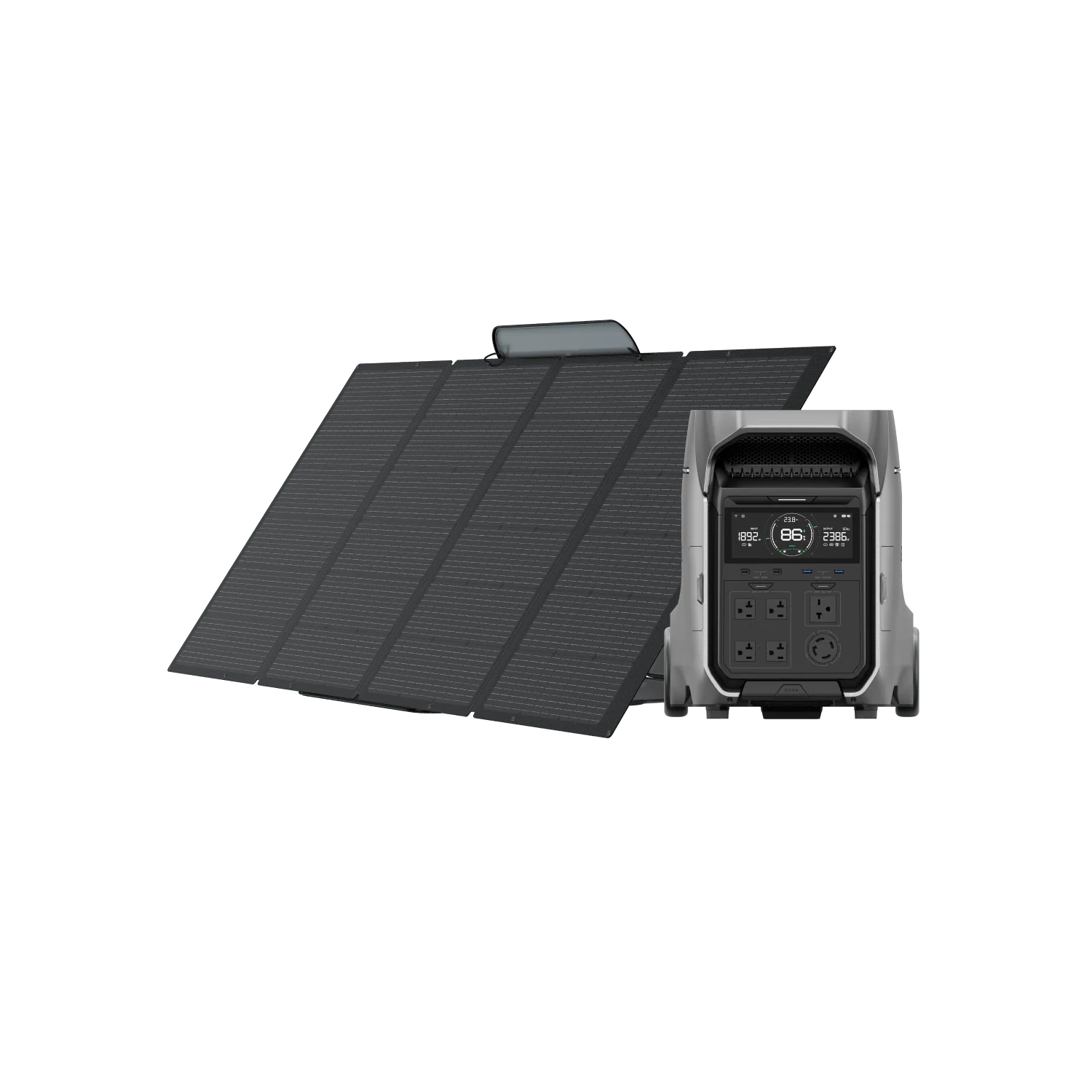
Many homeowners also explore backup and portable energy solutions alongside charging setups, including options like the EcoFlow DELTA Pro 3 portable power station, which, when paired with an EcoFlow 400W Solar Panel, can provide added flexibility during outages or off-grid use.
How These Changes Impact EV Buyers’ Total Cost of Ownership
With stricter eligibility rules and point-of-sale credits becoming more common, the total cost of purchasing an EV can vary widely depending on the model and buyer qualifications.
These incentives also influence ongoing ownership costs by reducing initial expenses and making home charging more affordable. Some buyers also consider backup power options like a whole-home generator as part of a broader energy and reliability strategy.
Why Home Energy Storage Matters More for EV Owners in 2026
As EV adoption grows, home energy storage helps EV owners charge more efficiently, cut electricity costs, and stay powered during outages. It’s becoming a key part of reliable, cost-effective EV ownership.
By storing energy for use during peak-rate hours or grid disruptions, EV owners can maintain more consistent access to charging while reducing reliance on the grid.
Flexible EV Charging and Backup Power With EcoFlow Systems
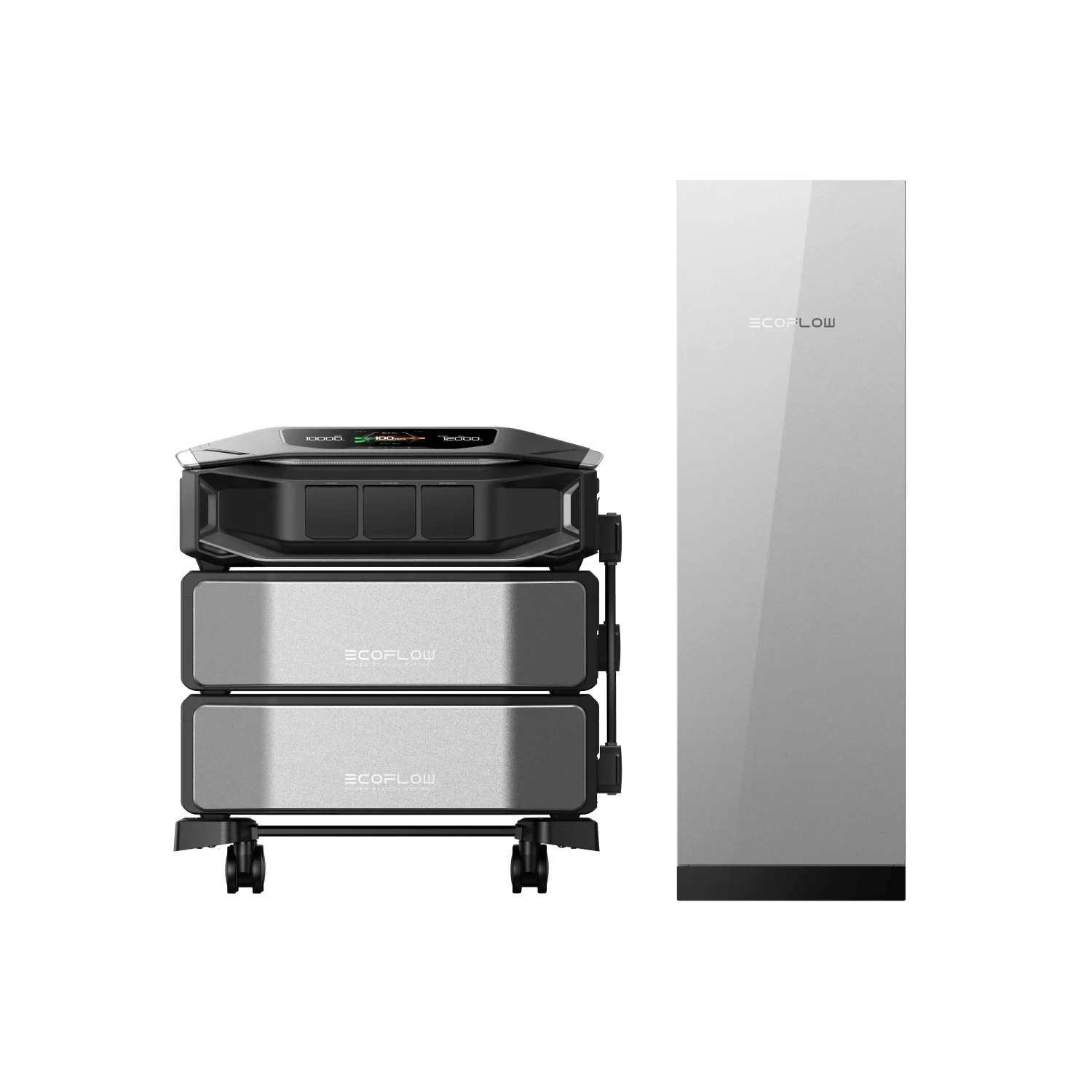
Home energy systems like the EcoFlow DELTA Pro Ultra X + Smart Home Panel 3 are designed to support whole-home energy needs, including EV charging setups, while providing automatic backup during outages.
For more flexible or portable setups, the EcoFlow DELTA Pro 3 + 400W Solar Panel offers backup power for charging equipment, helps offset peak electricity costs, and can provide limited EV charging when needed.
Together, these solutions give EV owners more control over how and when they charge, especially in areas with variable electricity pricing or grid instability.
Frequently Asked Questions
What Is the EV Tax Credit Amount in 2026?
In 2026, the federal EV tax credit can be up to $7,500 for qualifying new electric vehicles, while eligible used EVs may qualify for up to $4,000. The exact amount depends on the vehicle’s eligibility, battery sourcing rules, and whether it meets federal requirements at the time of purchase.
Do All EVs Still Qualify for the Full Tax Credit?
No. Not all EVs qualify for the full credit in 2026. Eligibility depends on factors like final assembly location, battery material sourcing, price caps, and buyer income limits. Some vehicles may qualify for a partial credit or none at all.
Can You Combine Federal and State EV Incentives?
Yes. In many cases, federal EV tax credits can be combined with state and local incentives, such as rebates, utility discounts, or HOV lane benefits. Availability and stacking rules vary by location, so total savings depend on where you live.
Are Home Batteries Eligible for Tax Credits in 2026?
Yes, many home battery systems may still qualify for federal clean energy tax credits in 2026 if they meet installation and performance requirements. Eligibility often extends to systems installed alongside solar or used for home energy storage.
Smart Energy Planning Helps EV Buyers Get More Value in 2026
In 2026, EV ownership is increasingly tied to smarter home energy decisions. With evolving tax credits and higher demand for residential electricity, buyers who plan ahead can maximize savings through efficient charging, backup systems, and integrated energy storage.
Whole-home backup power solutions can help reduce reliance on the grid while improving charging flexibility and long-term energy resilience.
Explore whole-home-generator and portable energy solutions to find the right setup for your EV charging and home energy needs.
For press requests or interview opportunities, reach out to our media team
media.na@ecoflow.com