Cruising the Great Loop: A Beginner’s Guide
- What Is the Great Loop and Why Does Cruising the Great Loop Attract Beginners?
- How Does the Great Loop Route Work for First-Time Loopers?
- How Long Does Cruising the Great Loop Usually Take?
- Which Boats Are Best for Cruising the Great Loop?
- When Should You Start the Great Loop Route and What Seasonal Factors Matter Most?
- What Should Beginners Prepare Before Cruising the Great Loop, From Navigation to Onboard Power?
- Start Cruising the Great Loop with Confidence
- FAQs
Cruising the Great Loop appeals to boaters who want a long trip with real variety, yet still want a route that stays manageable for a well-prepared crew. The Great Loop is a continuous waterway through the eastern United States and part of Canada, and most completed trips end up in the 6,000-mile range, depending on route choices and side trips. For a first-time Looper, the biggest questions usually center on the same core issues: what is the Great Loop, how the Great Loop route comes together, how long it takes, what kind of boat fits the trip, and how to stay comfortable once shore power is not always there.
What Is the Great Loop and Why Does Cruising the Great Loop Attract Beginners?
Great Loop is a full-circle boating journey that links the Atlantic and Gulf Intracoastal Waterways, the Great Lakes, Canadian canals, and the inland rivers of America’s heartland. Anyone who completes it earns the title of “Looper.” That built-in identity is part of the appeal. The trip feels ambitious, but it also has a known rhythm, established stopovers, and a strong community around it.
For beginners, cruising the Great Loop often feels less intimidating than an offshore dream because large parts of the route are protected, and service infrastructure is widespread. Marinas, fuel docks, repair yards, and boating towns are part of the experience. At the same time, the scenery keeps changing. Canal towns, river stretches, Great Lakes crossings, and coastal runs all show up in one journey.
How Does the Great Loop Route Work for First-Time Loopers?
The Great Loop route gets easier to understand once you stop looking for one exact line. A common run follows the East Coast north, moves through the New York canal system, crosses into the Great Lakes, heads down the inland rivers, then returns along the Gulf Coast and Florida. Route options inside New York and Canada can shift the details, and side trips can add many miles.
Route Sections Matter Most
Thinking in regions helps far more than trying to memorize the whole route at once. Each section has its own personality. The East Coast brings tides, bridges, and long ICW stretches. The Great Lakes demand respect for weather and open water. Inland rivers add current, commercial traffic, and lock routines. That structure turns a huge trip into a sequence of smaller planning decisions, which is exactly how most successful first-timers handle it.
How Long Does Cruising the Great Loop Usually Take?
Time is one of the first pain points for people planning on cruising the Great Loop, especially if retirement dates, work schedules, or family obligations are still in play. The trip has been done in as little as 12 days and as long as 12 years, yet the traditional pace is about one year because the route is seasonal. Summer fits the northern waters, fall suits the inland rivers, winter is commonly spent in Florida, and spring pulls boaters north again.
A fast schedule can look attractive before departure, then turn stressful once weather delays, lock waits, maintenance, and favorite stopovers enter the picture. Many first-time Loopers enjoy the trip far more when they leave room for weather days and resist the urge to treat every leg as a race. Cruising the Great Loop works best when the calendar supports the route instead of fighting it.
Which Boats Are Best for Cruising the Great Loop?
There is no single perfect Loop boat, but there are clear technical limits that narrow the field. The lowest unavoidable fixed bridge on the route is currently charted at 19.6 feet on the Illinois River. A draft not much greater than 5 feet is recommended for the full trip, and one fuel stretch runs about 200 miles between Kimmswick, Missouri, and Paducah, Kentucky.
Specs That Shape the Shortlist
| Priority | Practical Target | Why It Matters |
| Air draft | Under 19.6 feet | Clears the lowest fixed bridge |
| Draft | Around 5 feet or less | Improves access on inland sections |
| Fuel range | About 200 miles | Covers the longest fuel gap |
| Slow-speed control | Predictable handling | Helps in locks, current, and marinas |
| Liveaboard layout | Storage and ventilation | Reduces daily friction on a long trip |
Boat type comes after those limits. Trawlers, cabin cruisers, express cruisers, and some trailerable pocket cruisers all appear in Great Loop conversations because they can be set up for overnight life and long days underway. For many buyers, the best boat is the one that feels calm at idle speed, gives easy access to systems, and stays comfortable after dark. Fancy performance matters less once you are docking in current or cooking dinner aboard for the fourth week in a row.
When Should You Start the Great Loop Route and What Seasonal Factors Matter Most?
Seasonality shapes almost every good Great Loop plan. The traditional one-year rhythm follows climate and operating windows, with northern sections in summer, inland rivers in fall, Florida in winter, and the eastern return in spring. Some northern facilities and locks close during winter, which is why launch timing depends heavily on where the boat enters the route.
The stronger approach is to match your departure month to the next major region on your route. Once that piece falls into place, daily runs, marina bookings, and fuel strategy tend to make much better sense. Cruising the Great Loop becomes easier when the seasons lead the plan.
What Should Beginners Prepare Before Cruising the Great Loop, From Navigation to Onboard Power?
A long route exposes small weak points quickly. Poor chart habits, missing spare parts, weak line handling, and a casual approach to power management can all turn ordinary days into frustrating ones. Current nautical charts, a NOAA radio, and close attention to draft, bridge clearance, and fuel range all deserve attention long before departure day.
Daily Readiness on Board
A first-time Looper usually benefits from tightening up these basics before committing to the trip:
Updated charts and route references for each cruising region
A weather routine that drives go or no-go decisions
Core spares such as belts, filters, fluids, impellers, fuses, and tools
Dock lines and fenders arranged for locks, fuel docks, and unfamiliar marinas
A realistic power plan for phones, tablets, lights, laptops, fans, and essential personal devices
Power Planning for Marinas and Anchorages
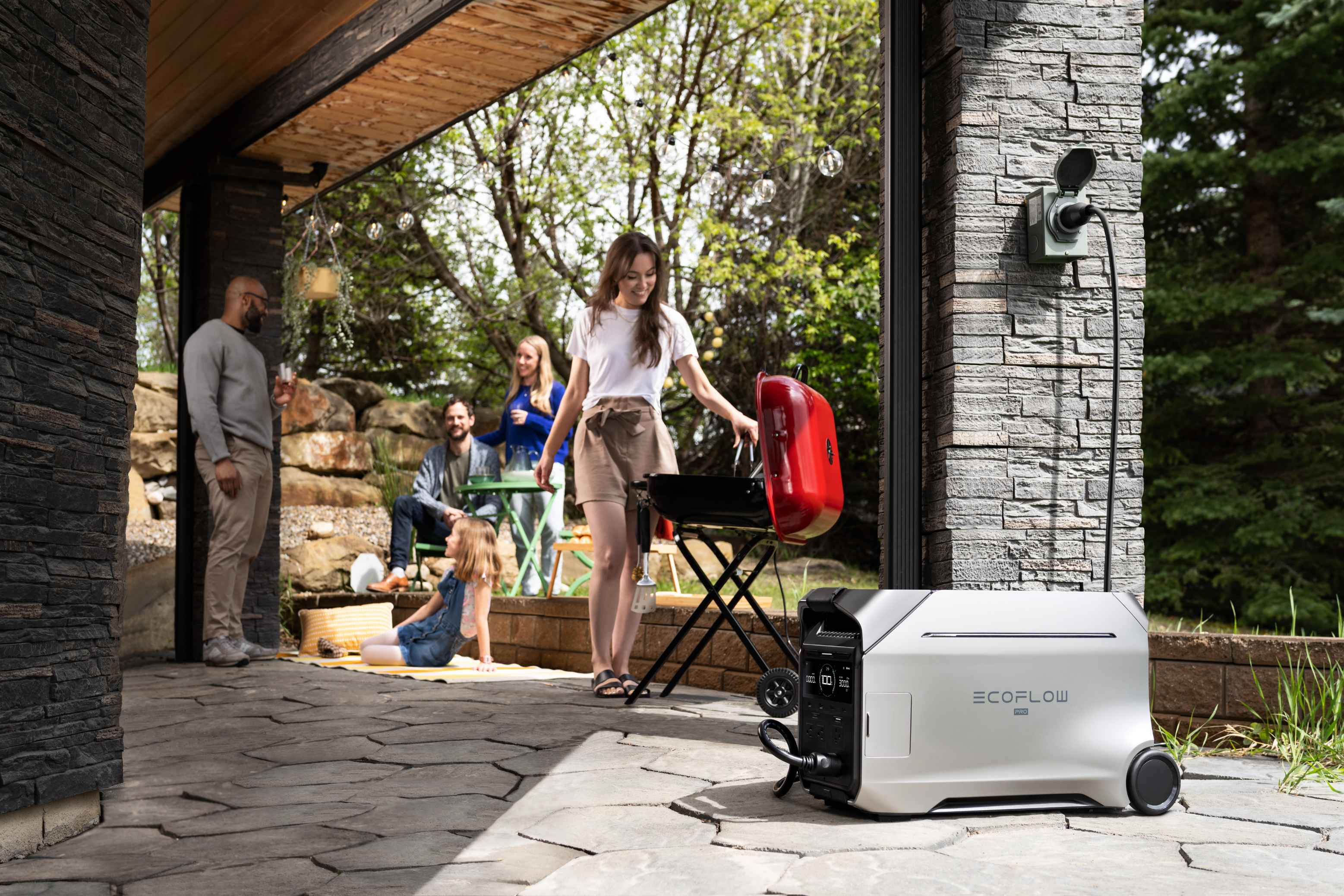
Life on the Loop does not happen under shore power every night. Some evenings end at a dock, while others end at anchor, where keeping phones, laptops, lights, and small essentials running can feel a lot more important than it did at the planning stage. For boaters who want a higher-capacity backup option for those in-between moments, a setup like the EcoFlow DELTA Pro 3 with a 400W Solar Panel fits naturally as supplemental onboard power for marina stays and short anchoring periods.
A portable power station can make daily life aboard easier by supporting personal electronics, small appliances, and basic comfort needs, but it should be seen as a complement to a properly designed marine electrical system. Cruising the Great Loop gets easier when your power plan reflects the way you actually live aboard, especially once charging routines, work devices, and simple end-of-day comfort all become part of the trip.
Start Cruising the Great Loop with Confidence
A successful Loop usually comes down to a few smart decisions made early. Know what the Great Loop involves, break the route into manageable regions, choose a boat that suits the trip, and plan around the seasons instead of forcing the calendar. From there, the smaller details matter just as much, especially fuel planning, navigation habits, and dependable onboard power. The challenges do not disappear, but the trip becomes far more manageable and rewarding from the moment you cast off.
FAQs
Q1. Can beginners cruise the Great Loop without years of long-distance boating experience?
Yes. Many first-time Loopers begin without years of passagemaking experience. The bigger requirement is not elite boating skill, but a willingness to build habits before departure, stay flexible on the water, and make conservative decisions when conditions change. Confidence usually comes from repetition, preparation, and steady daily routines rather than from one big milestone.
Q2. Is the Great Loop practical for boaters traveling with pets?
Yes, for many crews it is. Pets can adapt well to Loop life when daily routines stay consistent and the boat has enough room for sleeping, feeding, and safe movement. The real planning points are shore access, hot weather, veterinary care, and keeping pets calm during locks, marina traffic, and longer cruising days.
Q3. Can you work remotely while cruising the Great Loop?
Yes, but only with realistic expectations. Many stretches offer strong enough connectivity for email, calls, and light online work, especially near towns and marinas. Still, remote work on the Loop works best when schedules stay flexible. Weather delays, moving days, and limited signal in some areas can interrupt a normal office rhythm.
Q4. Should you reserve marinas in advance on the Great Loop?
Yes, in many cases that is a smart move. Popular stops can fill up during busy migration windows, holiday periods, and regional events. At the same time, reserving every stop too far ahead can make the trip feel rigid. A balanced approach usually works best: book high-demand areas early and leave room elsewhere for weather and pace changes.
Q5. How do Great Loop boaters handle mail, prescriptions, and everyday deliveries?
Most Loopers solve this with a mail-forwarding service, digital billing, and pickup options in towns along the route. Prescription refills are usually easier when handled through national pharmacy networks or transfer-friendly providers. The key is to reduce anything that depends on one fixed address, because daily life on the Loop moves much more often than many first-time cruisers expect.
For press requests or interview opportunities, reach out to our media team
media.na@ecoflow.com