Canoe Camping Guide: Gear, Routes & Power Tips
- Explore How Canoe Camping Blends Paddling With Camping
- Plan a Canoe Camping Trip With Smart Routing
- Find Beginner-Friendly Spots With Developed Facilities
- Pack Smart: Gear, Safety, and Packing Strategy
- Power on the Go: EcoFlow Portable Power Stations for Canoe Camping
- Winter Canoe Camping: A Unique Cold-Weather Adventure
- Canoe Setup: Balance Weight and Secure Storage
- Frequently Asked Questions
- Get Powered Up with EcoFlow Portable Power Stations
Canoe camping isn’t for the faint-hearted. Traveling solely by canoe can be a daunting thought; it’s a tiring process (if you’re a newbie, that is), and if you’re not familiar with your route, it could be dangerous. However, when done right, it’s a great way to soak up the hiking experience from a new perspective—on the water, enjoying the scenery, and taking in all the peace and quiet that nature has to offer.
Our guide breaks down everything you need to know about canoe camping, from planning your excursion to packing tips and mastering your canoe setup.
Explore How Canoe Camping Blends Paddling With Camping
Canoe camping combines the joy of paddling with the thrill of backcountry camping. Whether you’re an avid on-foot hiker, a beginner canoeist, or an experienced off-grid camper, canoe camping blends all of those wonderful things into one. Your canoe becomes your main mode of transport, while also doubling as your equipment carrier. Traveling by canoe allows you to see new sights, enjoy meandering rivers and lakes, and explore hidden landscapes.
Plan a Canoe Camping Trip With Smart Routing
Preparation is key; it doesn’t matter if you’re a seasoned canoeist or a total newbie. Research waterways that match your specific skill level. It’s important not to exaggerate your capabilities, as this can lead to dangerous, potentially life-threatening situations if you find yourself out of your depth. If you’re a beginner, look for calm rivers or lakes, and preferably somewhere with marked campsites along the way. Having campsites nearby will put you more at ease for your first canoe camping trip. If you’re more experienced, you can explore more remote locations and even go off-grid camping.
Find Beginner-Friendly Spots With Developed Facilities
You can explore National and State Parks to find suitable beginner-friendly locations. You can search for a stop-off that offers amenities such as toilets, picnic setups, fire pits, or designated camping areas. These areas will often have safety measures to follow, such as not lighting fires in certain places or rules regarding wildlife and waste. Make sure you’re aware of the rules before setting up camp. For beginners, find a location with accessible launches; this will make your canoeing life so much easier, trust us.
Pack Smart: Gear, Safety, and Packing Strategy
Packing for your canoe camping trip is pretty tactical, after all, you need to ensure your mode of transport remains stable at all times. You want to avoid overpacking, since you’ll be limited on space anyway. Here are some essentials to include:
Camping gear: This includes a tent, sleeping bag, or mat.
Dry bags: These will keep your clothes and gear dry and protected from the elements.
Food and water supplies: Some experienced canoeists bring dehydrated meals, others prefer to cook on an open fire when camp is set up.
Cooking equipment: If you plan on cooking, you’ll need a stove and cooking utensils.
Safety equipment: Lifejackets, torches, a whistle, GPS, and a first-aid kit should be among your non-negotiables.
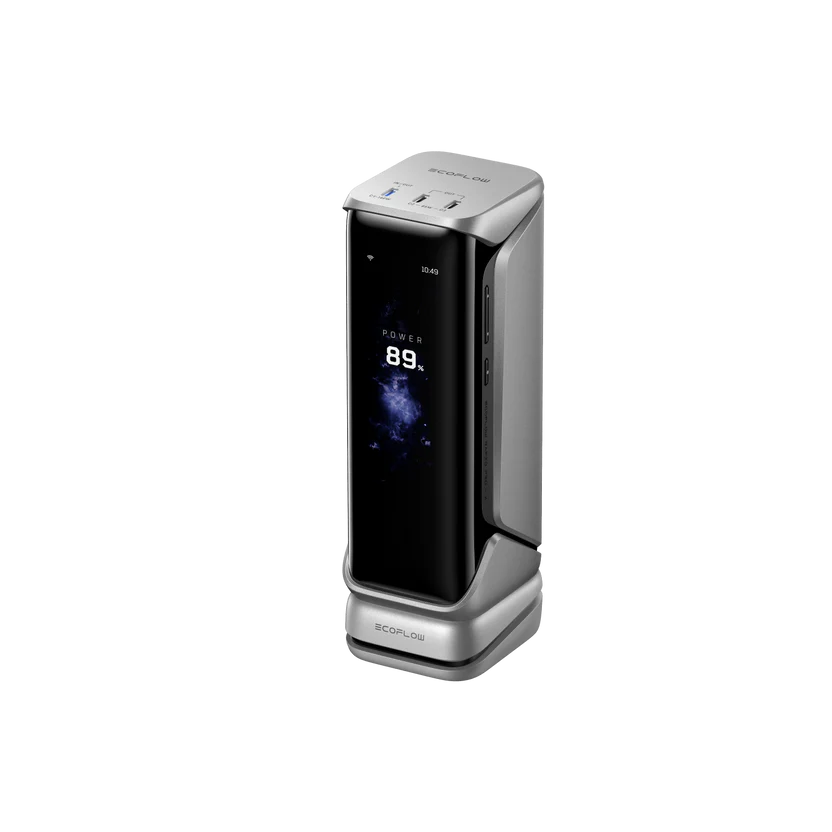
Power bank: A high-quality power bank, such as the EcoFlow RAPID Pro X, will keep your phones and other essential devices charged during your trip. It can charge multiple devices simultaneously, and its compact design allows it to easily fit among your packing essentials.
Tip: When packing our canoe, keep important items, such as safety equipment, within reach in case of an emergency.
Power on the Go: EcoFlow Portable Power Stations for Canoe Camping
Camping can be a great way to disconnect from the real world and enjoy the natural world. However, camping in the wilderness or off-grid can be risky, especially if you’re a solo traveler. One way to stay safe is to make use of a portable power station that’ll keep you connected throughout your camping and canoeing adventures.
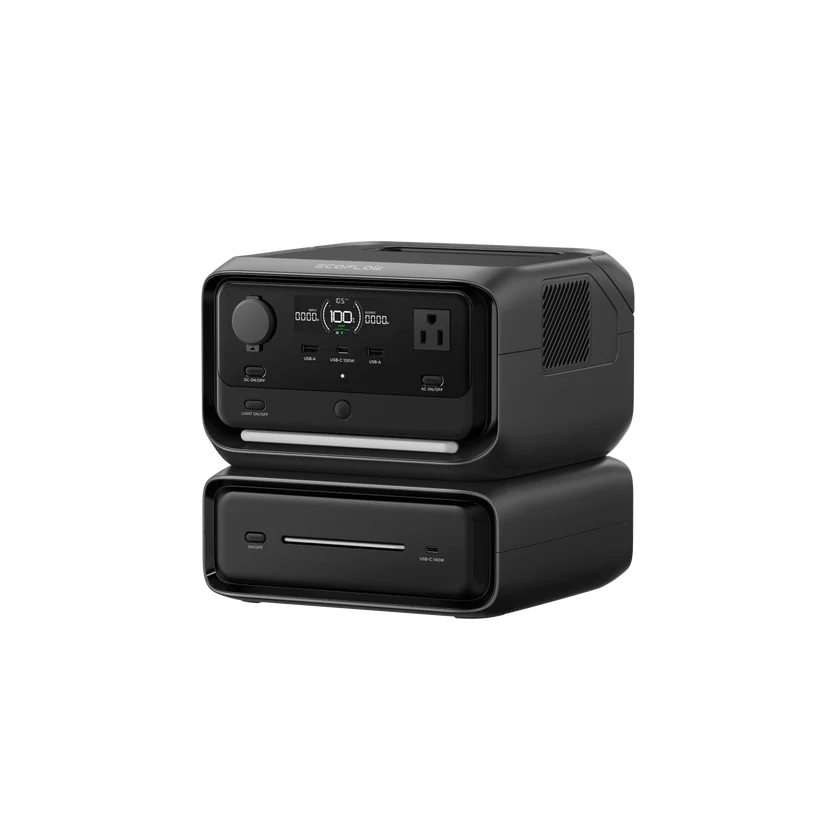
A portable power station like the EcoFlow RIVER 3 Max provides reliable, stable power, even while you’re camping under the stars. It provides an extra layer of safety and peace of mind, allowing you to always keep your phone and GPS powered when you need them. It’s also robust enough to power cooking equipment, lighting, and other small camp devices. For longer camping trips, you can pair it with solar panels for uninterrupted, clean energy.
Winter Canoe Camping: A Unique Cold-Weather Adventure
Heading off on a winter canoe-camping adventure can be incredibly rewarding, from seeing scenic landscapes to icy shorelines. But if you’re not adequately prepared, it could turn into a cold stone disaster. Don’t underestimate the cold. While in a canoe, you won’t be moving as much muscle as you would on foot, so it’s crucial to pack well, wear thermal layers, and have a good quality tent and bedding to keep you warm and dry each night. Camping during the winter months means dealing with shorter daylight hours, and temperatures can drop dramatically at night. Consider all of these aspects before you take off on your adventure, and you’ll have an exhilarating (and safe) trip.
Canoe Setup: Balance Weight and Secure Storage
If you’re a rookie, you mightn’t be aware of how vital a good packing routine is. When canoeing, a stable and steady setup is everything. You’ll want to ensure that you distribute the weight evenly to avoid any unwanted dips into the water. Store heavier items, such as food, water, and power stations, towards the back of the canoe. Lighter items can be spaced out after, bearing in mind to keep things relatively even from bow to stern and side to side. Strap down whatever you can using lines to secure your items.
Frequently Asked Questions
What Do I Need for Canoe Camping?
The basics include a reliable canoe and paddle, a life jacket, a sleeping bag, and a good-quality tent. Other essentials may include wet gear, such as extra clothing and socks, dry bags, camp cooking equipment, a GPS device, lighting, a first aid kit, and a power bank or portable power station.
What Do You Call Canoe Camping?
It’s sometimes referred to as “canoe tripping” or “canoe touring”. This describes the adventure of using your canoe as your mode of travel for your few days and nights camping in the wilderness.
What Is the Bare Minimum You Need for Camping?
The bare minimum should include shelter, such as a tent, sleeping bag, or sleeping mat. Next is food and water, including a method of cooking, whether it’s dinner over the fire or you’ve traveled with pre-made cold meals. The final necessity is safety, so a light source, a first-aid kit, a GPS, and a power source such as a power bank or backup battery system.
Get Powered Up with EcoFlow Portable Power Stations
Canoe camping is an amazing alternative to on-foot hiking and a great way to explore and see the sights from a new lens. If you’re a newbie, careful planning and preparation are key to a successful trip. Follow our packing recommendations, and use a power bank like the EcoFlow RAPID Pro X Power Bank or a portable power station to stay safe and keep connected even while adventuring. EcoFlow has an entire range of off-grid and whole-home backup solutions so you can keep the power flowing day and night without interruption.
For press requests or interview opportunities, reach out to our media team
media.na@ecoflow.com