Are Wireless Chargers Safe? Things You Need to Know
You may have found yourself wondering: Is your wireless charger overheating? And does it really matter to your battery to not leave your phone on the charger overnight? Now that wireless charging is being incorporated into everything from coffee shop tables to car dashboards, all these questions have become anything but academic. You may be astonished at what science already knows definitively concerning your safety while using wireless charging.
What Makes Wireless Charging Safe
Before addressing safety concerns, it's essential to understand how wireless charging actually works. This knowledge helps clarify why safety concerns exist and how manufacturers address them.
How This Technology Works
Wireless charging uses electromagnetic induction—a process where an electric current is generated through a magnetic field, discovered by scientist Michael Faraday in the 1830s. Here's the simple process: a copper coil in the charging pad generates an electromagnetic field (EMF), which is the invisible energy field created when electricity flows through the coil. Your phone's receiver coil converts this into electrical current to charge the battery.
Wireless Charging Standards
The Qi standard developed by the Wireless Power Consortium (WPC) is an international organization that sets wireless charging standards, ensuring your wireless charger works with your phone. Modern standards include Qi2.0 and Qi2.2, ensuring perfect coil positioning for maximum efficiency and safety, regardless of whether you're using an iPhone, Samsung, Google Pixel, or any other compatible device.
Why Wireless Charging Is Safer Than You Think
The key safety advantage of wireless chargers lying in emiting extremely weak electromagnetic fields, which is much weaker than the signal from your phone during a call or your home Wi-Fi router. If you're comfortable using Wi-Fi or talking on your phone, wireless charging poses even less exposure. You can even sleep next to a wireless charger without concern.
How Wireless Charging Protects Your Battery and Device Safety
Beyond personal health, the second major concern is whether wireless charging harms your expensive devices. Modern technology has evolved significantly to address these risks.
Battery Health and Lifespan
The common worry: does wireless charging damage batteries faster than wired? The short answer is no, when using quality products.
Wireless charging operates at 70-80% efficiency compared to 90-95% for wired charging, meaning more energy converts to heat. However, lithium-ion batteries (the rechargeable batteries in smartphones and most portable electronics) are protected through:
Thermal management systems: Real-time temperature monitoring that adjusts charging speed
Charge cycle optimization: Automatic shutoff preventing overcharging at 100%
Intelligent algorithms: Smart charging patterns that extend battery lifespan
Built-In Safety Mechanisms
Certified wireless chargers include multiple protection layers:
- Overheat Protection: Temperature sensors automatically reduce power or stop charging when heat thresholds are reached
- Foreign Object Detection (FOD): Smart sensors detect metal objects like coins or keys and halt operation immediately to prevent dangerous heating
- Overcurrent/Overvoltage Protection: Circuits prevent electrical surges that could damage devices
- Fire-Resistant Materials: V0-rated materials—the highest flammability rating that indicates materials self-extinguish flames within 10 seconds
The Critical Role of Certifications
Not all wireless chargers meet the same safety standards. Always look for:
- Qi2.2 or Qi2.0 certification: It ensures compliance with latest Wireless Power Consortium safety standards
- MagSafe certification: Apple's official approval for magnetic wireless charging compatibility
- Safety compliance marks: Look for official regulatory approval symbols on the product packaging. These confirm the charger passed government safety testing for electromagnetic emissions and hazardous materials.
- Uncertified wireless chargers often lack essential safety features, dramatically increasing risks of overheating, device damage, or fire.
Wireless vs Wired Charging Safety
Figuring out how wireless compares to traditional wired charging helps put safety into proper perspective. Both wireless and wired charging methods are fundamentally safe when using certified products, but each has distinct safety characteristics.
Safety Factor | Wireless Charging | Wired Charging |
EMF Exposure | Low, within safety standards | Virtually zero |
Charging Port Wear | No physical contact damage | Repeated plugging causes wear |
Cable Safety Hazards | None | Fraying cables, tripping risks |
Heat Generation | Slightly higher, but managed | Generally lower |
Electrical Shock Risk | No exposed metal contacts | Potential with damaged cables |
Fire Risk | Very low with certified products | Very low with quality cables |
Overcharge Protection | Smart automatic shutoff | Smart automatic shutoff |
The data shows both methods excel in different areas. Wireless charging eliminates port wear and cable hazards, while wired charging offers marginally cooler operation and higher efficiency.
Best Practices for Safe Wireless Charging
Following proven safety practices maximizes the inherent safety of wireless charging technology while protecting your investment.
Select Quality Certified Products
The foundation of safe wireless charging starts with product selection. Prioritize wireless battery chargers with Qi2.2/Qi2.0 certification, MagSafe approval, and established brand reputation.
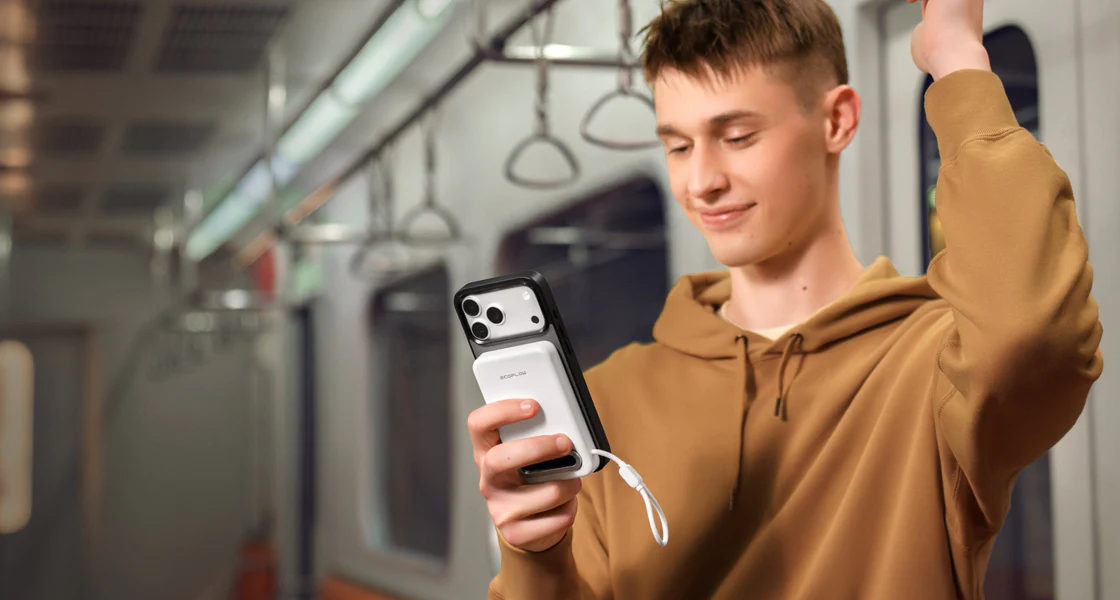
What does real safety look like in practice? Quality wireless chargers should keep your device cool during charging, automatically detect and stop when something goes wrong, and use materials that won't catch fire. The best products combine cutting-edge charging speeds with safety features that work invisibly in the background. Take the EcoFlow RAPID Mag Power Bank (Built-in USB-C Cable) as an example of what to look for:
Official Certifications: World's Qi2.2 certified power bank with official MagSafe approval from Apple
Advanced Temperature Control: Monitors temperature 5 million times daily, keeping surface below 42°C even during fast charging
Fire-Resistant Design: Aircraft-grade fireproof materials that self-extinguish flames within 10 seconds, drop-tested from 1 meter
Smart Protection Systems: Foreign object detection, surge protection, and safe simultaneous charging and recharging
The device maintains at least 80% battery capacity after 300 charges, proving that safety doesn't sacrifice longevity. This combination of user-friendly safety features and official certifications represents the gold standard for wireless charging protection.
Adopt Safe Charging Habits
Creating the right charging environment is just as important as choosing quality equipment. Always remove thick phone cases over 1.6mm that trap heat, and keep metal objects away from the charging pad to prevent interference. Place your charger on hard, flat surfaces with good ventilation rather than soft materials like beds or couches. Regular cleaning of charging surfaces removes dust and debris that can affect performance.
Environmental factors matter significantly for safe charging. Charge in temperature-controlled environments and avoid direct sunlight, as extreme temperatures affect both charging efficiency and safety. Never charge while running intensive apps like gaming or video recording, which generate additional heat. Most importantly, don't ignore device overheating warnings. They're designed to protect your equipment. Avoid charging in environments exceeding 35°C or below 0°C for optimal safety and battery health.
Regular Equipment Maintenance
Check your wireless battery charger for any signs of physical damage every month for things such as cracks or warping of plastic components or discoloration or frayed cables. A charger displaying any of these signs should be replaced right away.
Your Next Step Toward Safer Charging
Here's what matters: Wireless charging products will never hurt your health, destroy your battery, or go up in flames while using approved products. But don't skimp on approved products to cut cost. Start trusting your charging experience instead of wondering what's happening to your devices every time you charge them. You deserve safe and convenient technology for your devices' and your own benefit
FAQs
Q1. Can I Use Wireless Charging Overnight Safely?
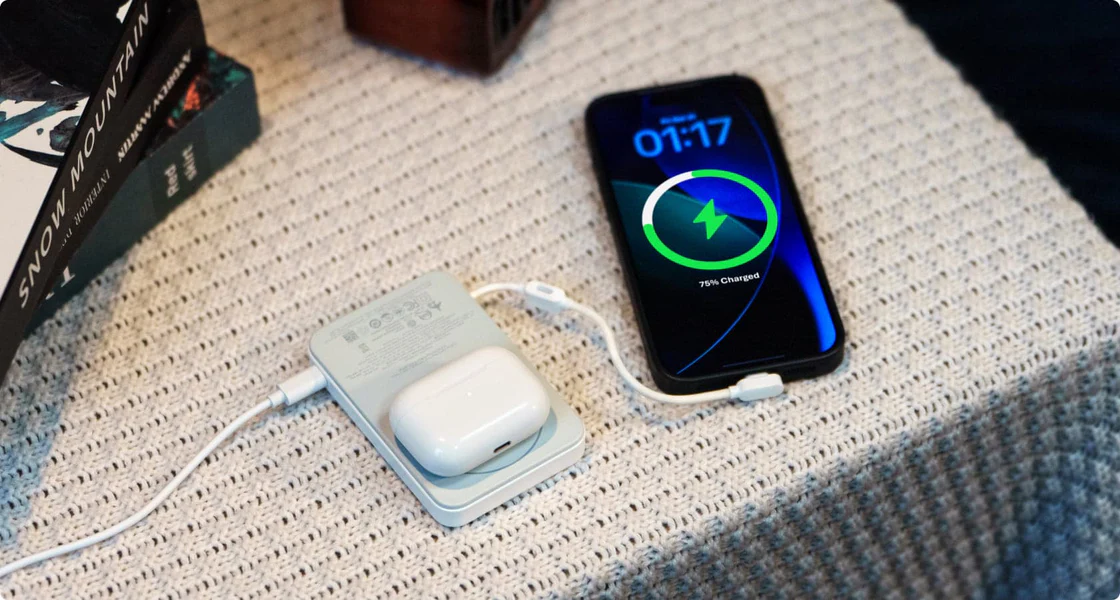
It is safe to say that having your devices charged wirelessly while sleeping is perfectly safe thanks to modern charging technology. Modern wireless charging is designed to automatically cut off at 100% battery and is capable of constantly checking temperatures continuously. Heat safety can also be achieved by ensuring good ventilation and avoiding any flammable objects while charging your devices.
Q2. Does Wireless Charging Ruin My Battery Faster?
No, It does not damage your battery faster to use wireless charging with qualified products. A good-quality wireless battery charger will result in no faster degradation than wired charging if it is designed to have heat management. It is vital to select qualified products and understand heat does not speed up battery degradation. Research shows qualified wireless charging products retain 80% battery power or better at 300 cycles.
Q3. Can Wireless Chargers Cause Fires?
It is highly unlikely to experience any fire risks while using legitimate wireless charging devices. Good-quality wireless charging devices come equipped with temperature sensors, foreign object detection capabilities, and fire-resistant material rated V0, which self-extinguish in seconds. It is mainly unhealthy or unlicensed fire-risk-prone devices posing threats to buyers while ignoring safety measures and compatibility certifications such as Qi, MagSafe, or CE or FCC.
For press requests or interview opportunities, reach out to our media team
media.na@ecoflow.com