240V vs. 120V Generators: What Are the Differences
Before you can pick the right generator, you need to know how voltage outputs work. A 120V generator runs everyday electronics and small appliances. A 240V generator powers heavy-duty items like air conditioners and water heaters. You decide which devices you can use during outages or off-grid trips.

What Is a 120V Generator?
A 120V generator makes 120 volts, which is the same power that most wall outlets use. This runs most of the electronics and small appliances we use every day.
Power Output
Most 120V generators give off a steady 1,000W to 3,000W of power. You can use a microwave, turn on lights, charge your phone, and run a refrigerator all at the same time. This amount is usually doubled by surge capacity. This extra electricity helps when things start up.
Main Features
Normal plugs can be used in standard three-prong outlets; you don't need any special adapters. These units are small, so they are easy to take camping, tailgating, or when the power goes out to move from room to room.
Newer types that use batteries improve this basic design by giving more power and charging faster. Some units have a continuous output of 1,800W and a surge capacity of 3,600W. They also have technology that makes them compatible with products that use up to 2,600W. With battery cells made for cars and a noise level of about 30dB, these types provide a quiet, long-lasting backup that can be charged from 0% to 80% in 45 minutes through a wall outlet.
What Is a 240V Generator?
A 240V generator gives off 240 volts, which is the higher voltage that big machines need. This gives off a lot more power than 120V units.
Split-Phase Power
A lot of 240V generators give off split-phase power, which is two 120V lines that work together to make 240V. Large machines can plug into 240V outlets, while small devices can plug into 120V outlets. You don't have to pick between running your air conditioner and leaving your electronics on.
Power Capacity
These generators can usually put out 5,000W to 15,000W or more. Central air conditioning, electric water heaters, and other heavy-duty appliances that 120V units can't handle can be put to use.
These days, systems can produce up to 12kW of split-phase electricity, which can power anything from smartphones to 5-ton air conditioners. Through smart load matching (technology that changes power instantly), they can handle sudden demand of up to 45kW. These systems expand up to 60kWh, and it takes about 70 minutes for the batteries to be charged to 80% with solar input.
120V vs. 240V: Key Differences
| Feature | 120V Generator | 240V Generator |
| Voltage | 120 volts | 240 volts or 120/240V |
| Power | 1,000W - 3,000W | 5,000W - 15,000W+ |
| Outlets | Standard plugs | L14-30, L14-50, or hardwired |
| Best For | Electronics, small appliances | AC units, water heaters, whole-home |
| Portability | Very portable | Heavier |
| Setup | Plug and play | May need electrician |
| Cost | $500 - $1,500 | $1,000 - $4,000+ |
Efficiency
Less current is needed to get the same amount of power from a higher voltage. This cuts down on heat and makes things work better. For instance, 3,600W at 120V takes 30 amps through heavy wire. You only need 15 amps through lighter wire at 240V.
Compatibility
Your appliances must work with the voltage from the generator. A 120V generator can't power a 240V device, so the motors get too hot and the compressors won't start. If you plug a 120V gadget into a 240V outlet, it will break right away.
Dual-voltage setups have both types of outlets. You can use 120V outlets to power small electronics and 240V outlets for high-power appliances at the same time.
What Can a 120V Generator Power?
Essential Electronics:
Smartphones and tablets (10W - 20W)
Laptops (50W - 200W)
LED lights (10W - 60W)
Wi-Fi routers (10W - 30W)
Kitchen Appliances:
Refrigerators (100W - 800W running, 1,200W startup)
Microwaves (600W - 1,200W)
Coffee makers (800W - 1,400W)
Comfort:
TVs (100W - 400W)
Fans and portable heaters (500W - 1,500W)
CPAP machines (30W - 60W)
Small Tools:
Drills and sanders (300W - 900W)
Circular saws (1,200W - 1,800W)
A normal 2,000W unit can power a microwave (1,000W), a fridge (600W), lights (100W), and devices (150W) all at the same time. This takes care of basic needs and keeps food fresh during short power outages.
What Can a 240V Generator Power?
Climate Control:
Central AC: 2-ton (3,000W), 3-ton (4,000W), 5-ton (5,000W+)
Heat pumps (2,000W - 5,000W)
Electric furnaces (10,000W - 20,000W)
Water and Laundry:
Electric water heaters: 40-gal (3,500W), 80-gal (4,500W)
Electric dryers (3,000W - 5,000W)
Well pumps (1,000W - 3,000W)
Cooking:
Electric ranges and ovens (2,000W - 5,000W)
Induction cooktops (1,800W - 3,600W)
Workshop:
Table saws (1,500W - 3,000W)
Air compressors (1,500W - 4,000W)
EV chargers (3,600W - 11,500W)
A 12kW dual-voltage system powers a 5-ton AC (5,000W), an 80-gallon water heater (4,500W), a refrigerator (600W), lights (200W), Wi-Fi (30W), and an induction cooktop (1,800W) all at the same time.
How to Choose the Right Voltage for Your Needs
Which one you choose will depend on your budget, your appliances, and how you plan to use the generator.
Check Your Appliances
Make a list of the things you need most during power outages. Check your electrical panel. 240V circuits are shown by double-pole breakers, which are switches with two slots. Electric water heaters, dryers, ranges, and heat pumps are all common 240V appliances.
If your list only has lights, a fridge, electronics, and small kitchen appliances, a 120V generator will work. If you use electric heat, air conditioning, or hot water, you need 240V.
Match to Your Situation
Pick 120V for:
Weekend camping and outdoor activities
Apartment backup
Small job site tools
Emergency kits
Budget under $1,500
Pick 240V or Dual-Voltage for:
Whole-home backup
Homes with electric HVAC
Properties with well pumps
EV charging
Calculate Power Needs
Add up the power of all the things you want to use at the same time. Include the motor's starting surge, which is usually two to three times the running wattage. A fridge that runs at 600W needs 1,800W to start.
Small units can handle 120V needs that are less than 2,500W. Get higher-capacity dual-voltage systems for appliances that use more than 5,000W or 240V.
Think About Costs
120V Systems:
Lower cost ($500 - $1,500)
Easy setup
Fuel or recharging costs
May need future upgrades
240V Systems:
Higher cost ($1,500 - $4,000 for portable)
Professional setup ($2,000 - $8,000 for traditional)
Daily savings through solar and rate optimization
No future capacity concerns
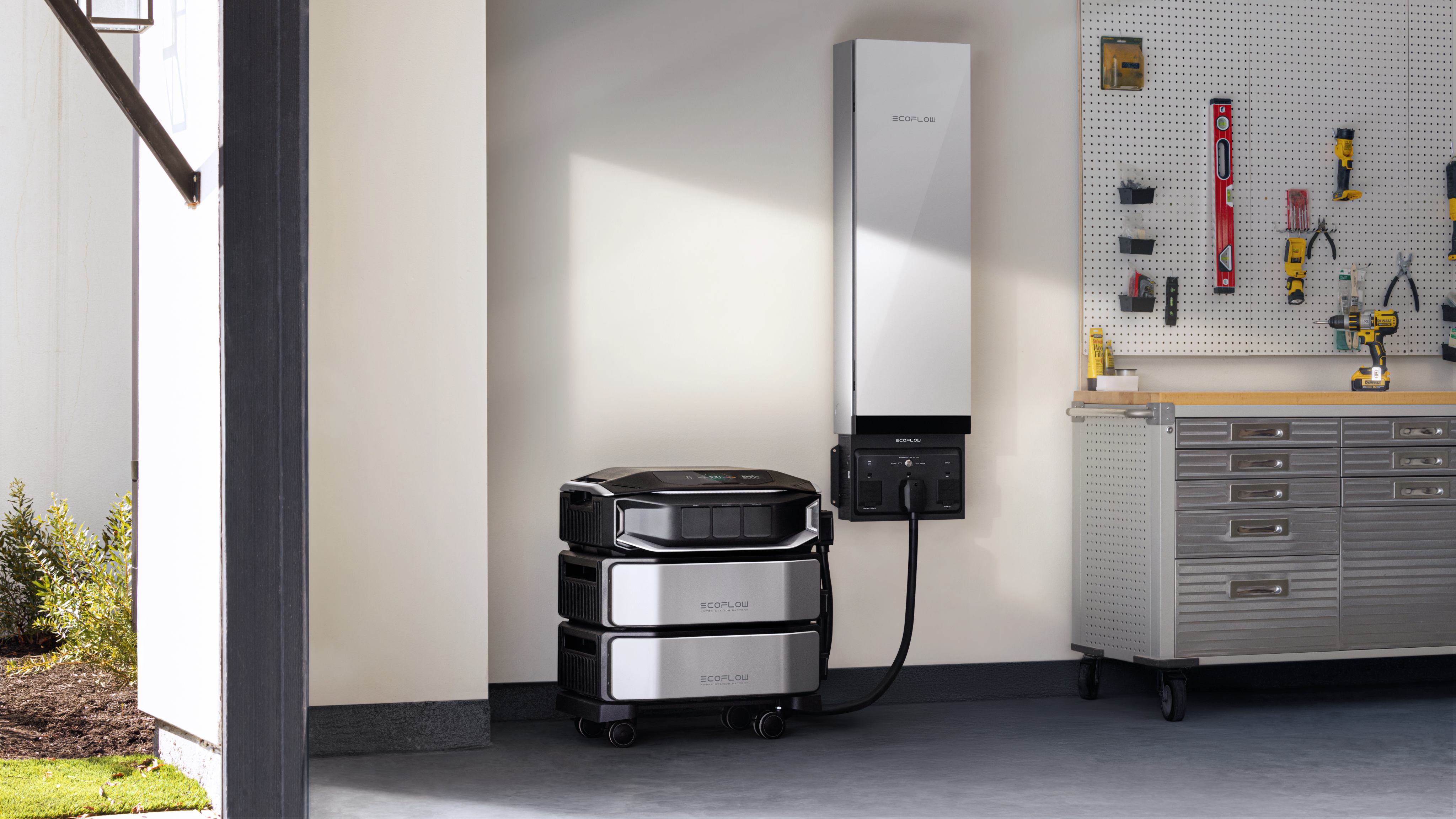
For simple 120V backup needs, the EcoFlow Delta 3 Classic can handle up to 3,600W of surge power and 1,800W of continuous output. Devices up to 2,600W can be used with X-Boost technology, a feature that helps the unit handle heavier loads. It is 30dB quiet and lasts for 10 years, making it a good backup. Through a wall outlet, the unit charges from 0% to 80% in 45 minutes.
For complete backup for the whole house, the EcoFlow Delta Pro Ultra X has a 12kW split-phase 120V/240V output and can power anything from smartphones to 5-ton air conditioners. Smart load matching lets it handle sudden demand of up to 45kW. The system can hold up to 60kWh, and it only takes 10kW of solar power to charge two batteries to 80% in 70 minutes. The plug-and-play design means that it doesn't need installation. You get quick backup for your whole home without having to pay over $8,000 for installation. These days, battery systems like these also save money on power costs. In California, a 10kW solar system with DPUX saves about $6,570 a year, which means it pays for itself in three years while providing unlimited backup.
Power Your Home with Confidence
Which one you choose will depend on your appliances and your long-term goals. For simple backup, 120V systems work. Complete protection for the whole house is provided by dual-voltage systems. Check your important devices, figure out how much power they need, and choose options that can be expanded. When the power goes out, EcoFlow's portable power stations keep your home going. They are quiet, have a high output, and are easy to set up.
Note:
Price ranges mentioned are approximate industry estimates. Savings calculations are based on specific assumptions and actual results may vary. Always consult with a professional for personalized recommendations.
For press requests or interview opportunities, reach out to our media team
media.na@ecoflow.com