Tent Camping in the UK: Best Places, Gear & Expert Tips
Tent camping in the UK provides a refreshing way to explore the outdoors while keeping your travel simple and flexible. With a mix of scenic landscapes, from rolling hills to coastal views, it provides plenty of options for every type of camper. The experience is not just about the destination, but also about enjoying fresh air, quiet surroundings, and a slower pace of life. With the right preparation and mindset, camping can turn into a comfortable and rewarding outdoor adventure. Bringing practical gear, such as solar batteries, can also help ensure a steady power supply for lighting, charging devices, and staying connected in more remote locations.
In this article, we'll explore the best places for tent camping, essential gear you'll need, and practical tips to help you plan a smooth and enjoyable trip.
Top 7 places for tent camping in the UK
If you want to go camping in the UK but aren't sure where to start, these destinations provide some of the best landscapes for pitching a tent and enjoying the outdoors. From peaceful lakes and mountains to coastal views and forests, each place provides a different type of tent and camp experience.
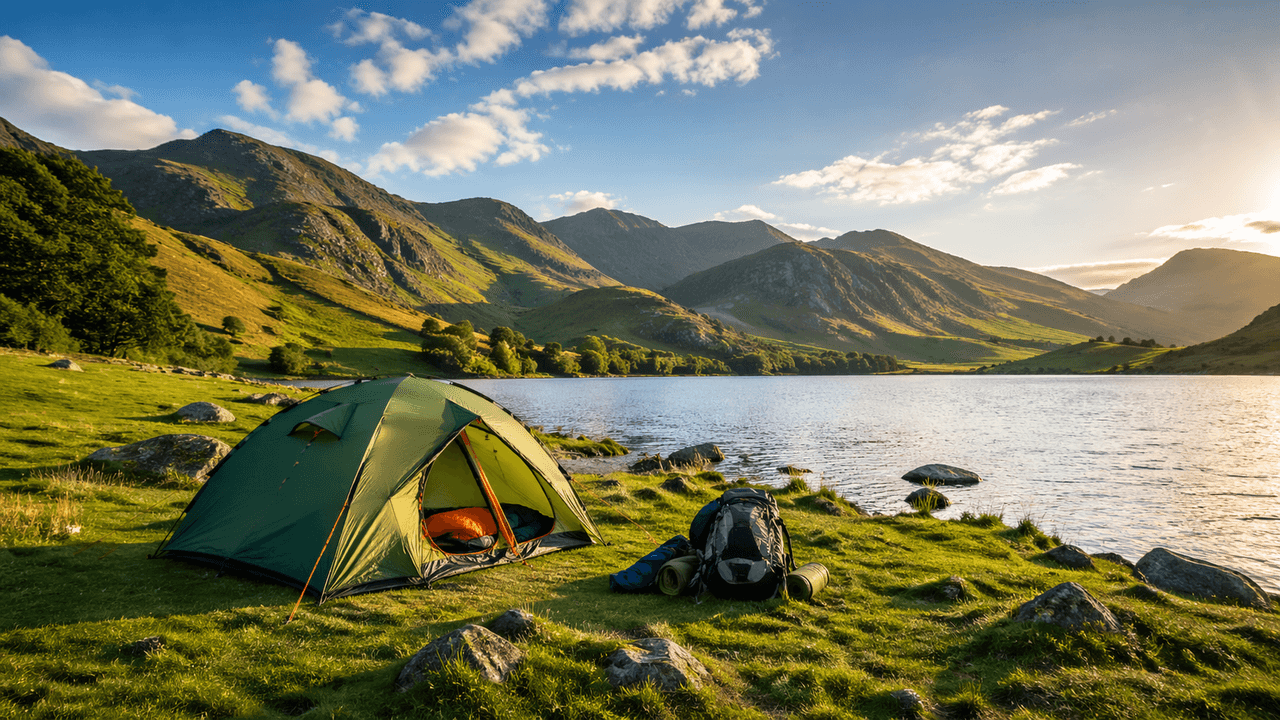
Lake District National Park
The Lake District is one of the most popular places for tent camping in the UK because of its stunning views and outdoor activities. The area is filled with beautiful lakes, rolling hills, and well-known hiking trails such as those around Windermere and Derwentwater. Many campsites are located close to the water, which allows campers to wake up to peaceful lake views. It's a great place for hiking, kayaking, and relaxing in nature after a long day outdoors.
Snowdonia National Park
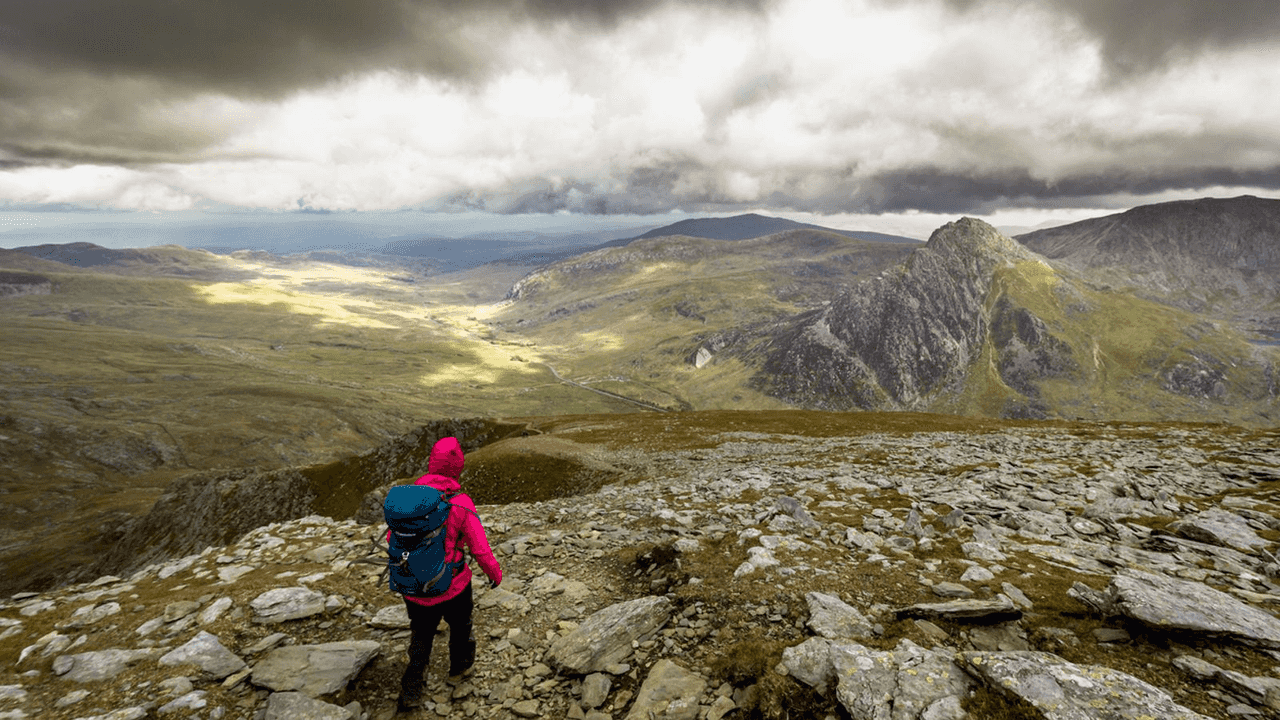
Snowdonia stands out for its dramatic mountain scenery and adventurous outdoor activities. Campers often choose this park to experience the challenge of hiking Mount Snowdon, the highest peak in Wales. Many campsites are located near lakes and valleys, offering beautiful natural surroundings. The combination of rugged landscapes and quiet camping areas creates a memorable outdoor experience.
Cairngorms National Park
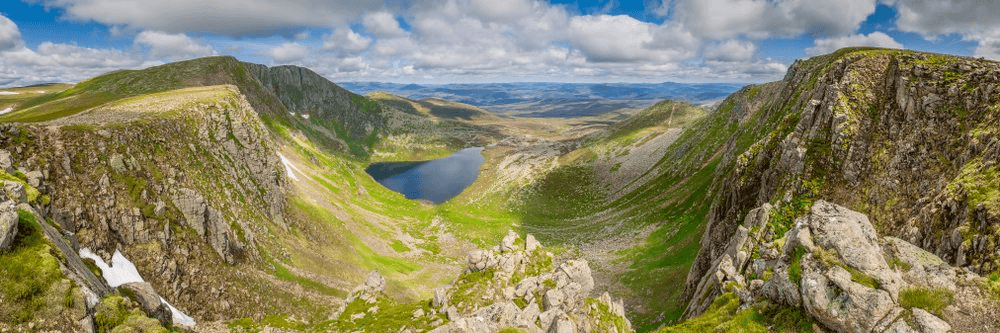
Cairngorms National Park provides a vast and wild landscape that is ideal for campers who want a quieter and more remote experience. The park includes ancient forests, rivers, mountains, and wide open moorlands. Tent campers can enjoy long walks, wildlife watching, and peaceful nights under the stars. It's a great place to spot animals such as red deer, golden eagles, and other native wildlife.
New Forest National Park
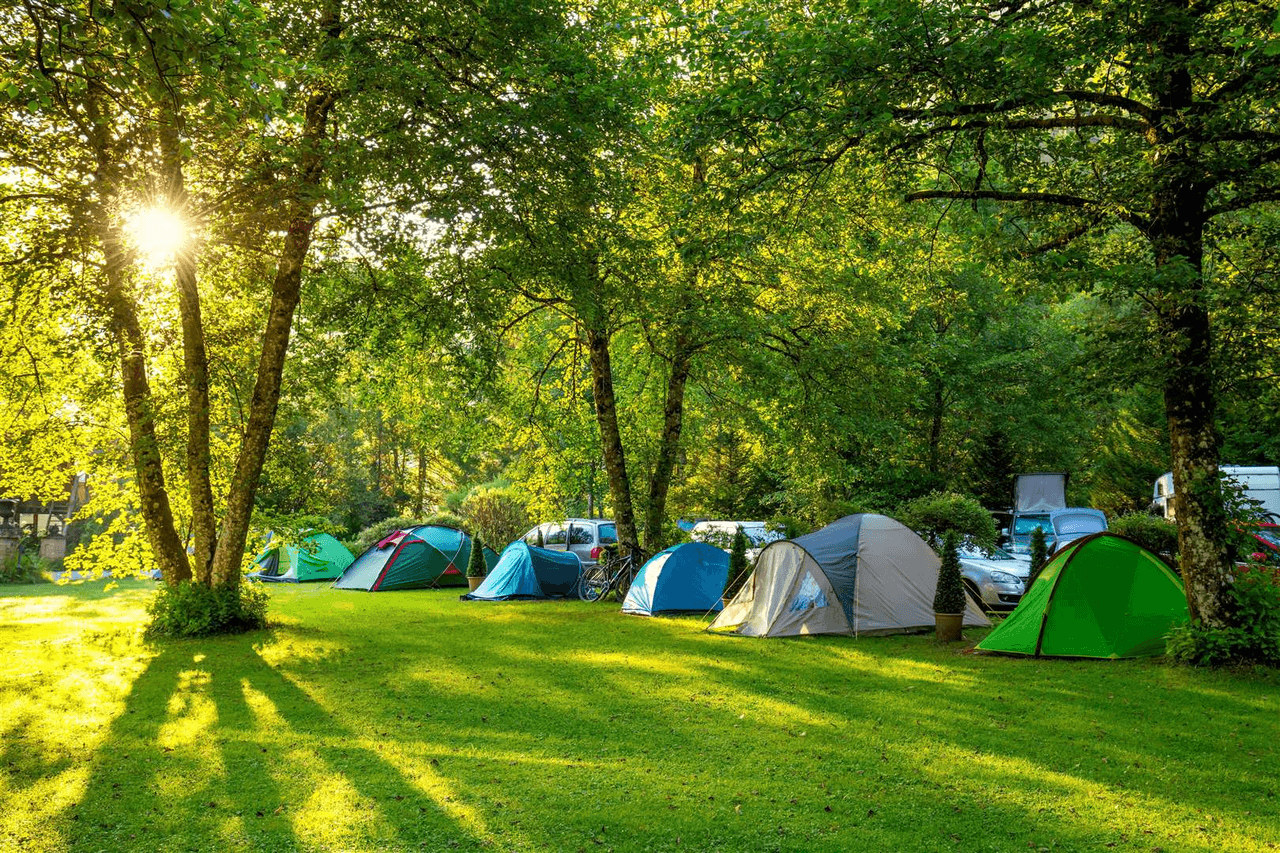
The New Forest is known for its relaxing countryside atmosphere and rich natural beauty. Ancient woodland, open heathlands, and small streams create a calm setting for tent camping. Visitors often see wild ponies, deer, and cattle roaming freely across the landscape. Spending a few days here feels like stepping into a peaceful and timeless part of England.
Pembrokeshire Coast National Park
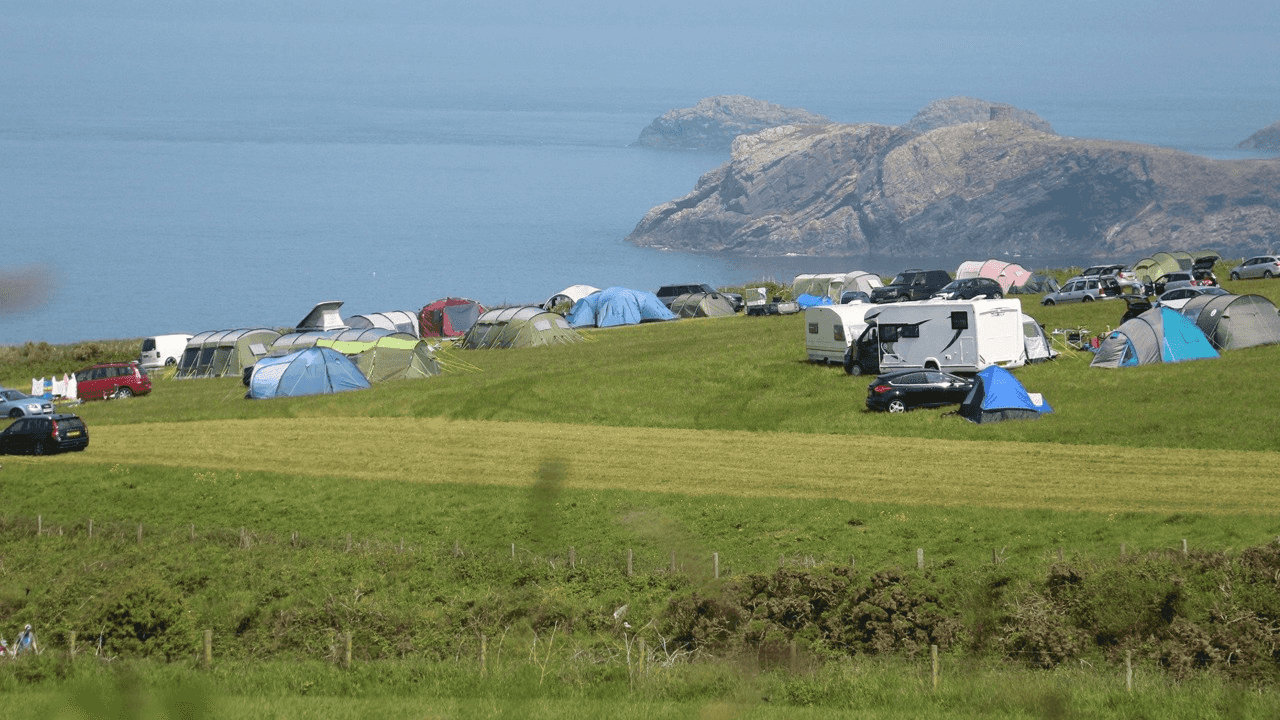
Pembrokeshire Coast National Park is perfect for campers who enjoy sea views and coastal walks. The area is famous for its dramatic cliffs, sandy beaches, and the long Pembrokeshire Coast Path. Visitors can explore hidden coves, watch seabirds, or spend time relaxing by the shoreline. The fresh ocean air and the sound of waves create a refreshing camping adventure.
Peak District National Park
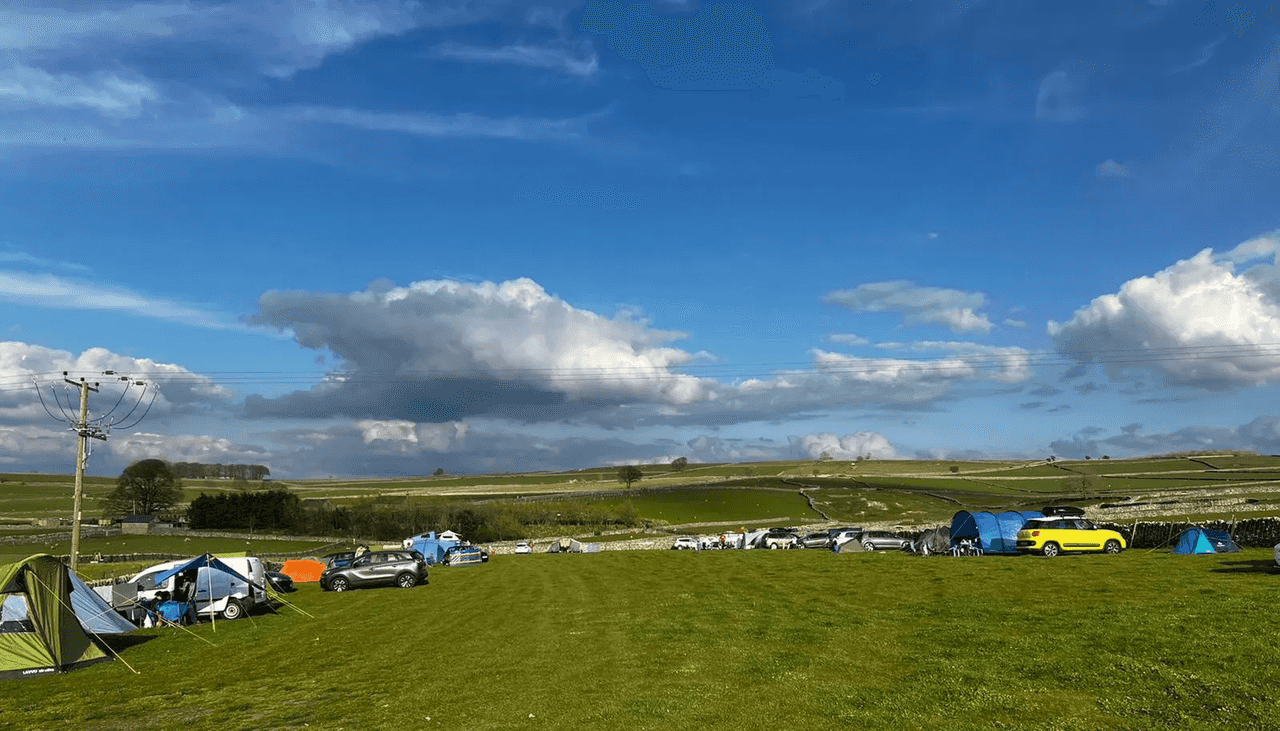
The Peak District is one of the most accessible national parks in England, which makes it a famous tent camping spot for weekend trips. The area features rolling hills, limestone valleys, and picturesque villages that give it a classic countryside charm. Tent campers can explore famous walking areas such as Kinder Scout and Mam Tor. With plenty of campsites and outdoor activities, it's a convenient place for both beginners and experienced campers.
Isle of Skye
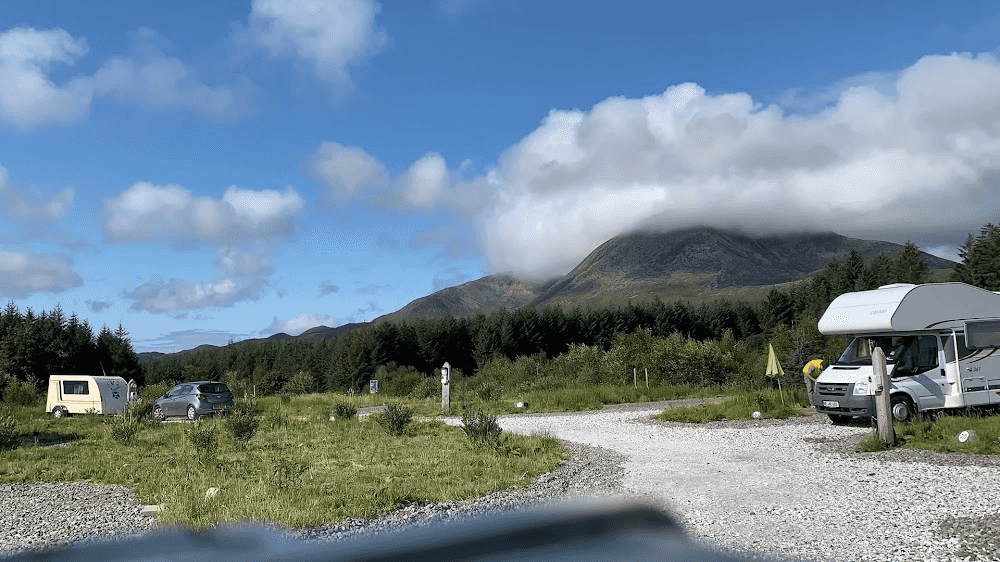
The Isle of Skye is known for its dramatic terrain, including towering cliffs, waterfalls, and unique rock formations. Outdoor enthusiasts visit the island to see landmarks such as the Old Man of Storr and the Fairy Pools. Camping allows visitors to spend more time exploring Skye's remote and scenic locations. The island's striking landscapes make it one of Scotland's most remarkable travel destinations.
How to choose the right tent for camping
Choosing the right tent is about matching the tent with your environment, travel style, and comfort expectations. A well-chosen tent for camping improves sleep quality, protects your gear, and reduces setup stress, especially in unpredictable outdoor conditions.
Weather and season suitability
Beyond basic season labels, look at structural strength and weatherproofing details. A reliable tent should have a sturdy pole system (aluminum poles are stronger than fiberglass), a full-coverage rainfly, and a proper ventilation design to reduce condensation inside. For windy or rainy regions, check features like reinforced seams and a high hydrostatic head rating (e.g., 2000mm+ for moderate rain, higher for heavy conditions).
Tent size and capacity needs
Tent capacity ratings are often based on maximum occupancy, which means space can feel limited in real use. To improve comfort, consider the actual floor dimensions and peak height instead of just the "person" rating. Extra space allows you to store gear inside and move around easily.
Material and waterproof rating
The tent's material directly affects its durability and performance. Fabrics such as ripstop, nylon, or polyester are commonly used because they offer a good balance of strength and weight. The waterproof rating, measured in millimeters, indicates how much water pressure the fabric can withstand. Higher ratings provide better protection in heavy rain. Also, pay attention to the groundsheet quality, as it prevents moisture from entering from below.
Weight and portability for travel
Weight and packability are especially important if you plan to hike or move frequently between campsites. Lightweight tents are easier to carry and take up less space in your backpack, which makes them ideal for long trips. However, they should still provide enough stability to handle wind and uneven terrain. Features like compact folding, simple pole systems, and instant setup designs help save time and effort.
Essential gear for tent camping in the UK
Below are several essential gear items that can help you stay prepared and organized during a tent camping trip in the UK.
Weatherproof tent setup
Effective weatherproofing in UK camping relies on both material quality and proper setup. A rainfly with a hydrostatic head of around 3000mm, combined with a durable groundsheet, helps withstand prolonged rain exposure. Seam sealing is essential, as stitching points are the most vulnerable to leaks, while controlled ventilation reduces internal condensation caused by humidity. Proper tensioning of the rainfly and secure anchoring ensure water runoff and maintain structural stability in wet and windy conditions.
Element | Recommended Setup | Why It Matters |
Rainfly | Hydrostatic head ~3000mm waterproof rating | Protects against prolonged UK rainfall |
Groundsheet | Durable, waterproof footprint | Prevents ground moisture from entering the tent |
Seams | Fully seam-sealed stitching | Reduces leakage at vulnerable connection points |
Ventilation | Adjustable vents or mesh panels | Minimizes condensation inside the tent |
Anchoring | Strong pegs + guylines | Improves stability in wind-prone UK conditions |
Tensioning | Properly tightened rainfly structure | Ensures rain runoff and prevents water pooling |
Cooking and food storage
Cooking outdoors in damp conditions requires better control rather than more equipment. A stove with adjustable flame helps manage heat in windy weather, while compact, high-energy meals keep things simple. Using dry bags or sealed containers protects food from moisture, and separating cooking gear from food keeps your setup cleaner and more organized.
Category | Essential Items | Why It Matters |
Cooking System | Wind-resistant stove with adjustable flame | Ensures stable cooking in coastal or windy conditions |
Fuel & Heat Control | Gas canisters or compact fuel supply | Provides a reliable energy source for cooking |
Meals | High-energy, lightweight camping meals | Reduces preparation time and simplifies storage |
Food Storage | Dry bags, airtight containers | Prevents moisture and contamination |
Organization | Separate cooking and food storage bags | Improves hygiene and campsite efficiency |
Cleaning | Biodegradable wipes, small sponge | Helps maintain cleanliness in limited-water environments |
Lighting and safety tools
In UK camping conditions, visibility is often affected by low light, fog, or overcast skies rather than complete darkness. Lighting should therefore support clarity and depth, not just brightness. A focused beam is useful for navigation, while a diffused light source reduces eye strain in closed spaces like inside a tent. From a safety perspective, preparedness is more about response time than equipment quantity. Keeping essential safety tools within easy reach ensures you can respond rapidly to sudden weather changes or low-visibility situations.
Category | Essential Items | Why It Matters |
Primary Lighting | Headlamp, handheld flashlight | Ensures clear visibility for navigation at night |
Ambient Lighting | Lantern or diffused tent light | Reduces eye strain and improves campsite comfort |
Power Source | Spare batteries or portable power supply | Keep lighting reliable throughout the trip |
Navigation Tools | Map, compass, GPS device | Helps maintain orientation in remote areas |
Emergency Tools | Whistle, multi-tool, emergency blanket | Supports quick response in unexpected situations |
Weather Preparedness | Waterproof pouch, backup light | Ensures functionality during rain or fog conditions |
Power solutions for long camping trips
Reliable energy is an important part of modern camping, especially during longer stays where lighting, phone charging, and small devices are used daily. In UK campsites where power access can be limited or inconsistent, portable energy systems become a practical solution for maintaining comfort and safety. Options such as solar charging systems and portable power stations from EcoFlow provide flexible and dependable energy support, helping campers stay powered even in remote or off-grid locations. These systems are especially useful for extended trips, ensuring that essential devices remain functional regardless of weather or site facilities.
DELTA 3 Plus + Alternator Charger 800W
The EcoFlow DELTA 3 Plus paired with the 800W Alternator Charger is a practical power solution for tent camping in the UK, especially for campers moving between multiple sites or setting up in remote countryside locations. With a 1024Wh battery capacity, it provides reliable energy for essential camping needs such as tent lighting, mobile devices, cooking equipment, and small appliances.
The system delivers 1800W AC output (3600W surge), allowing multiple devices to run simultaneously at the campsite. It also includes 11 output ports, including high-speed USB-C, fast-charging USB-A, and a 12.6V car output, making it suitable for a wide range of camping electronics and accessories.
When paired with the 800W Alternator Charger, the unit can be recharged directly from a vehicle in around 1.3 hours, making it especially useful for campers travelling between locations or arriving at campsites after long drives. This ensures power is quickly restored without needing fixed charging infrastructure.
Its compact design and lightweight build (≤12.5 kg) make it easy to store in a tent setup or vehicle, while expandable capacity up to 5kWh provides flexibility for longer camping stays or group trips where higher energy demand is required.
DELTA 3 Plus + 220W Solar Panel
The EcoFlow DELTA 3 Plus with a 220W solar panel offers a sustainable and quiet energy solution for tent camping in the UK, particularly in remote or off-grid locations. With a 1024Wh capacity and durable LFP battery technology, it is designed for long-term outdoor use, supporting up to 4000 charge cycles for extended reliability.
The system delivers 1800W AC output with 3600W surge, making it capable of powering essential campsite equipment such as lighting systems, portable cooking devices, and electronic gear. Its 11 output ports, including 140W USB-C and fast-charging USB-A, ensure compatibility with multiple modern devices commonly used during camping trips.
The included 220W solar panel allows campers to generate clean energy during daylight hours, reducing dependence on vehicle or grid charging. In suitable weather conditions, the system supports up to 1000W solar input when additional panels are connected, enabling faster recharging and greater energy independence during extended stays.
Built for outdoor environments, the battery pack includes IP65-rated protection against dust and water, making it suitable for unpredictable UK weather conditions. With expandable capacity up to 5kWh, this setup is well-suited for longer tent camping trips where consistent and reliable off-grid power is essential.
Tips for tent camping in the UK
Here are some simple tips to guide you during your tent camping trip in the UK.
Check the weather forecast carefully
UK weather can change rapidly, so reviewing the forecast helps you prepare for rain, wind, or temperature drops. This allows you to pack suitable clothing and adjust your gear for better comfort and safety.
Choose campsites that allow tents
Not all outdoor areas permit tent camping, so checking tent camping places near me in advance is important. Designated campsites provide proper facilities and safer conditions for setting up your tent.
Bring waterproof and windproof gear
Reliable gear is essential for handling a wet and windy climate. Waterproof layers and wind-resistant equipment protect both you and your belongings during sudden weather changes.
Arrive early to set up camp
Reaching the campsite early provides enough daylight to choose a flat and safe spot. It also gives time to set up your tent properly without rushing.
Follow the Leave No Trace principle
Keeping your campsite clean helps protect the natural environment. Proper waste disposal and minimal impact ensure the area remains safe and enjoyable for others.
Know basic campsite rules and safety tips
Campsite rules are designed to maintain order and safety for everyone. Being aware of these guidelines reduces risks and maintains a smooth and respectful camping experience.
Conclusion
In conclusion, tent camping in the UK can be a truly enjoyable experience when you plan it well and choose your spot wisely. From scenic national parks to coastal escapes, each location provides a different outdoor journey worth exploring. Having the right equipment and following basic security and campsite rules helps you stay calm and prepared in changing weather. A portable power solution like EcoFlow DELTA 3 Plus makes camping more convenient by keeping essential devices charged during your trip. It is especially useful for longer stays outdoors.
FAQs
Is tent camping suitable for beginners?
Tent camping can work well for beginners if the learning curve is managed properly. Choosing places to tent camp near me with maintained campsites, drainage systems, and basic supervision reduces common risks like waterlogging or poor setup conditions. Beginners benefit from such environments because they allow you to focus on practical skills, like efficient setting up, moisture control, and gear organization, without dealing with extreme terrain or isolation.
What's the best tent for UK weather?
The best tent for camping in the UK is one that performs consistently in prolonged moist conditions rather than just short exposure. While searching for a camping tent near me, prioritize technical features like a higher hydrostatic head (3000mm+), a double-wall structure for condensation management, and a stable frame that resists wind deformation. These factors assure the tent maintains internal dryness and structural integrity over extended use.
How do I choose the right size tent?
Selecting the right size involves understanding usable space rather than just capacity labels. When planning for places to camp with a tent, consider internal layout, floor dimensions, peak height, and storage areas like vestibules. A slightly larger tent improves airflow, reduces internal moisture buildup, and allows better gear separation, which is important for maintaining comfort and streamline setup during multi-day camping trips.