Top 10 Places for Fishing and Camping in the UK Right Now
- 10 best fishing and camping sites in the UK
- Snowdonia, Wales
- New Forest, Hampshire
- Sumners Ponds, West Sussex
- River Teifi, Wales
- What to know before you go?
- What to pack for a fishing and camping trip?
- Camping gear for UK weather
- Food and water planning
- Safety items to never skip
- How to stay powered at remote campsites?
- Tips for a better fishing and camping trip
- Conclusion
- FAQs
Fishing camping continues to attract outdoor enthusiasts who seek a more flexible and self-directed way to spend time away from structured routines. Instead of following fixed itineraries, this approach lets individuals shape their experience based on personal interests, pace, and comfort level. It appeals to those who value a balance between quiet reflection and light activity without the pressure of rigid planning.
Modern gear, including portable power stations, has also made fishing camping more convenient by supporting basic needs in remote lakeside locations. Over time, it has evolved into more than just a hobby, becoming a preferred lifestyle choice for people looking to disconnect and reset in their natural surroundings. In this article, we'll explore the top 10 places for fishing lakes with camping and some tips to make this journey memorable.
10 best fishing and camping sites in the UK
Exploring the right destination can significantly shape your overall outdoor experience. Across the UK, certain locations stand out for their balance of accessibility, scenery, and fishing quality. Currently, there are 10 best places for fishing and camping in the UK.
Lake District, Cumbria
With its network of glacial lakes and varied depths, the Lake District supports a wide range of freshwater species throughout the year. Anglers benefit from clearly managed waters, while nearby campsites provide direct shoreline access in many areas. It's often considered among the most reliable camping and fishing sites for those who want both accessibility and consistent results. Local regulations and permits vary by lake, so checking ahead is important.
Location: Northwest England
Best for: Trout, pike, perch
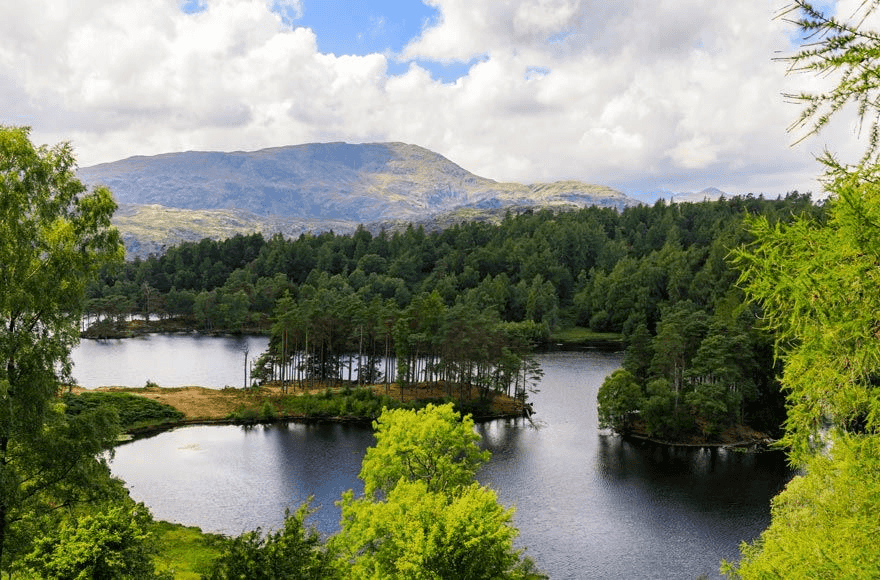
Loch Lomond, Scotland
Loch Lomond's scale allows for multiple fishing techniques, including bank fishing and controlled boating zones. The loch is divided into areas with different species concentrations, which helps anglers plan more targeted sessions. Many visitors set up a structured fishing camp here to explore different sections over several days. Facilities around the national park are well-developed, but weather conditions can shift quickly, requiring proper preparation.
Location: West Central Scotland
Best for: Salmon, trout, pike
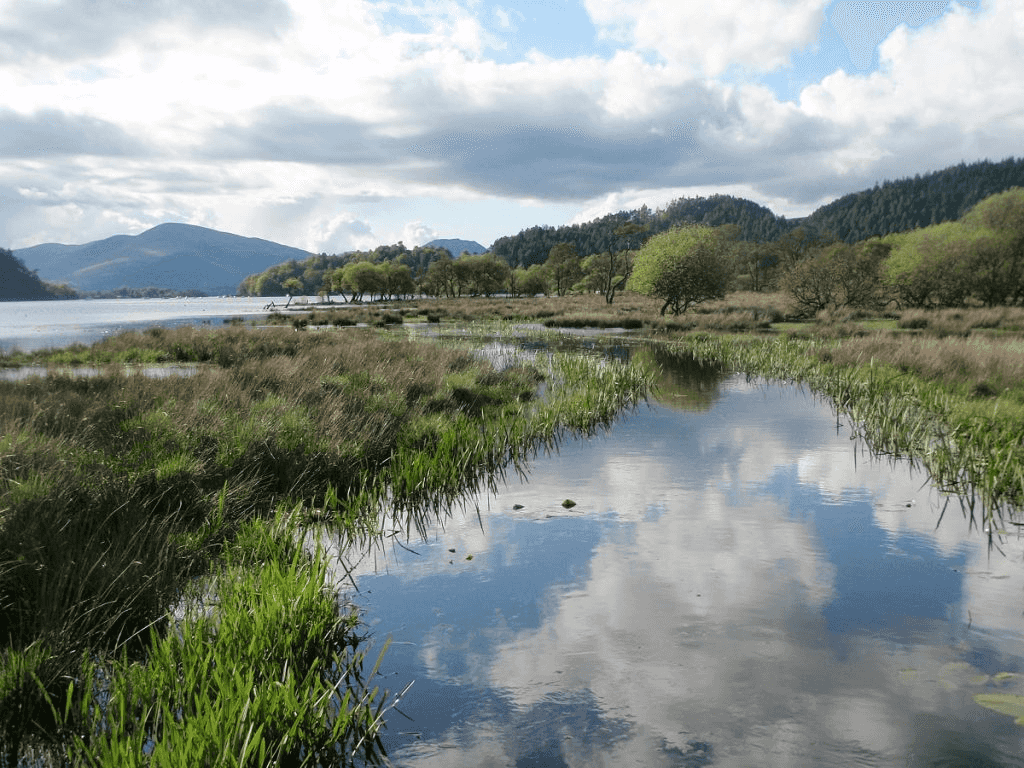
Snowdonia, Wales
Snowdonia is characterized by smaller, upland lakes and fast-flowing rivers that favor wild trout populations. These waters are less commercialized, which means anglers frequently rely more on skill and local knowledge. For those interested in camping and fishing, the region offers basic but well-placed campsites close to remote fishing spots.
Location: North Wales
Best for: Wild brown trout, salmon
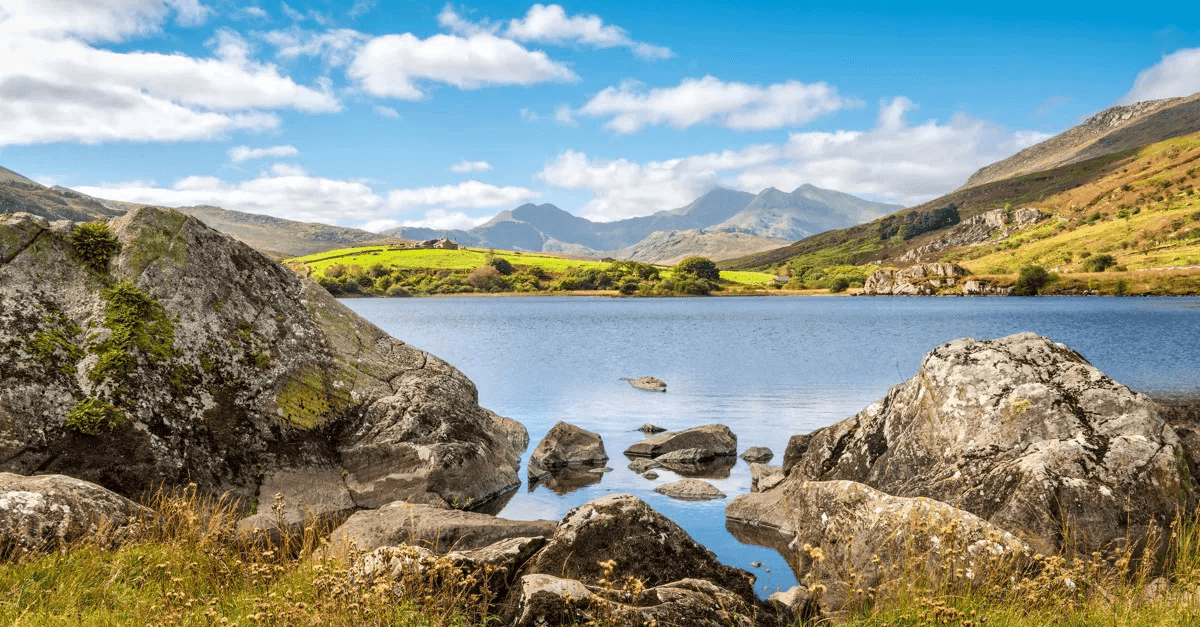
The Norfolk Broads, East Anglia
The Broads consist of interconnected rivers and lakes, creating a controlled environment ideal for steady coarse fishing. Water flow is slower here, which supports species including bream and tench in large numbers. Due to its infrastructure and ease of navigation, it's often recommended for those searching camping and fishing places near me within a well-serviced area.
Location: Norfolk and Suffolk
Best for: Roach, bream, pike, tench
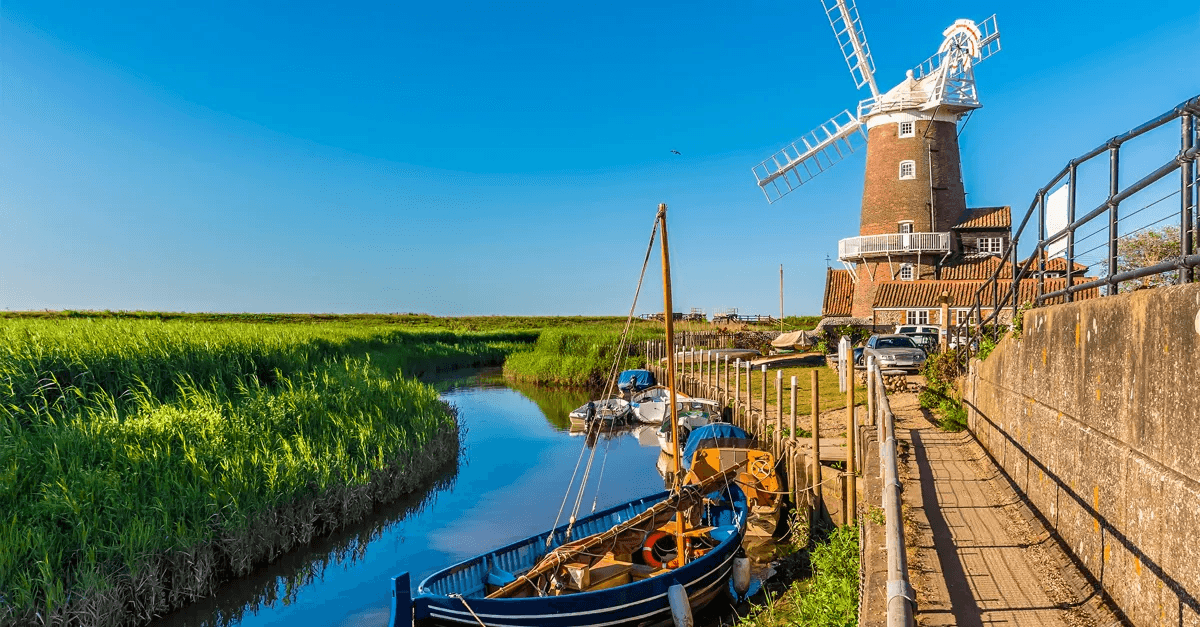
River Wye, Wales and England
The River Wye is known for its long stretches of accessible bank fishing combined with regulated salmon runs during specific seasons. Flow rates and depth vary significantly along its course, allowing for diverse fishing strategies. While not a lake environment, nearby setups resemble fishing lakes with camping, with organised pitches close to key fishing zones. Permits and seasonal rules are strictly enforced, particularly for salmon fishing.
Location: Wye Valley, Welsh borders
Best for: Salmon, chub, barbel
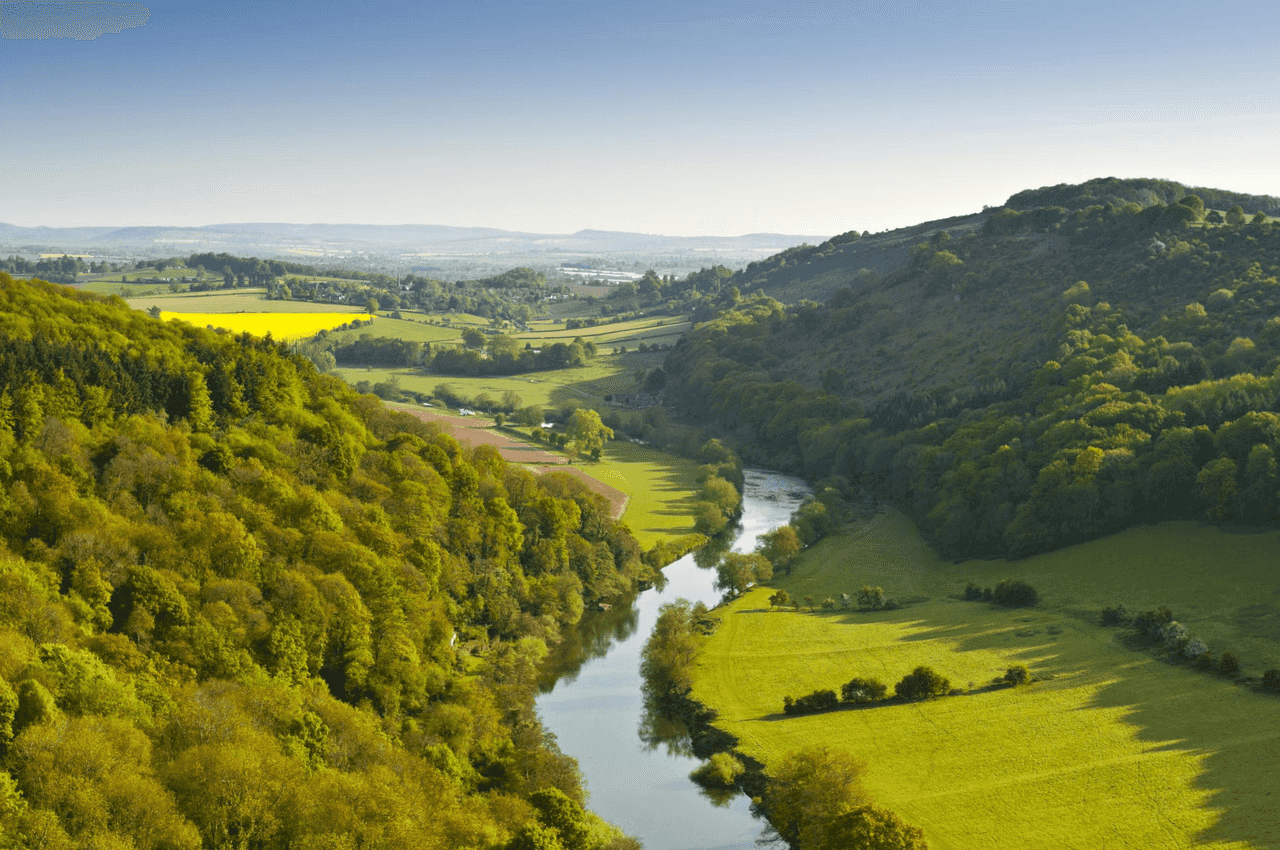
Cairngorms National Park, Scotland
If you're after a raw, untamed outdoor escape, Cairngorms National Park delivers an experience that feels far removed from crowded tourist spots. The rivers here demand patience and skill, which makes every catch feel earned rather than routine. It is less about convenience and more about immersion, where a true fishing camp setup becomes part of the adventure itself.
Location: Northeast Scotland
Best for: Wild brown trout, salmon
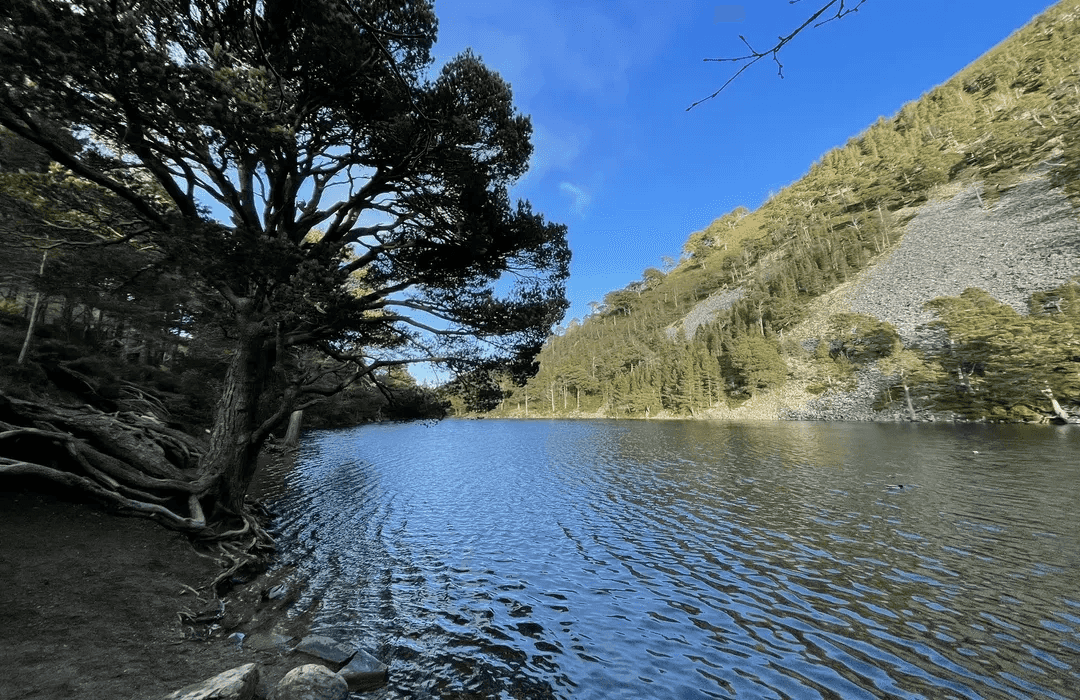
New Forest, Hampshire
In contrast, New Forest offers a softer, more approachable setting where fishing blends naturally with relaxed countryside living. The waters are calmer and more forgiving, making it a great place to unwind rather than challenge your limits. Many camping and fishing sites here are well-integrated into the landscape and let you enjoy both leisure and light angling without pressure.
Location: Southern England
Best for: Coarse fish, perch, roach
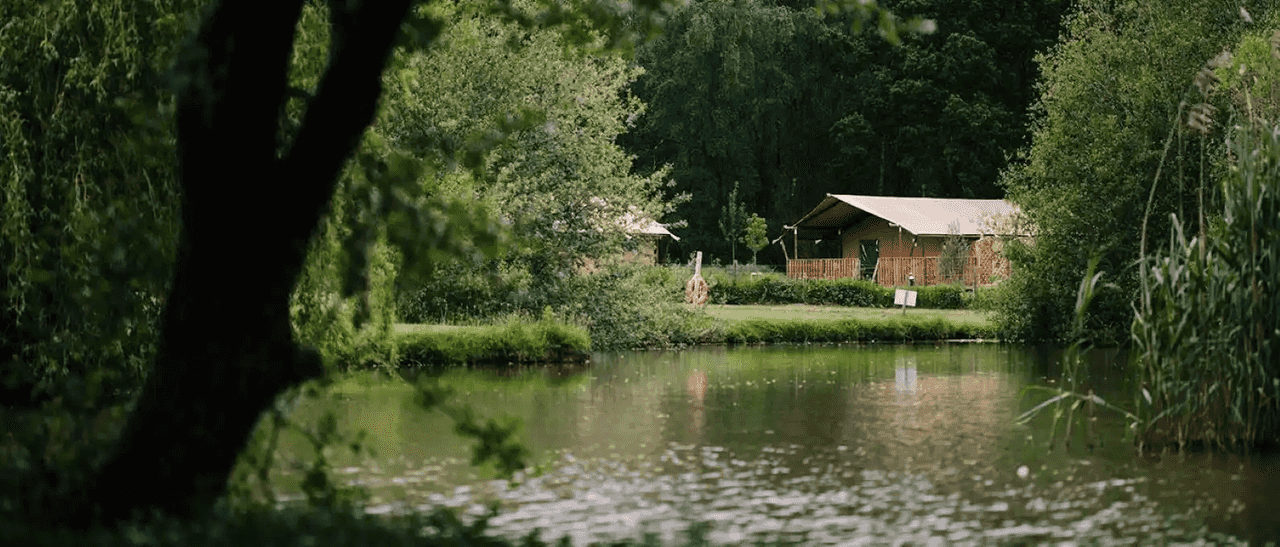
Sumners Ponds, West Sussex
For those who prefer structure and predictability, Sumners Ponds feels more like a curated experience than a wild outing. The lakes are carefully maintained, and everything from pitches to fishing spots is thoughtfully arranged. This makes camping with fishing feel organized and comfortable, especially for families or beginners who value ease over exploration.
Location: Barns Green, West Sussex
Best for: Carp, tench, bream
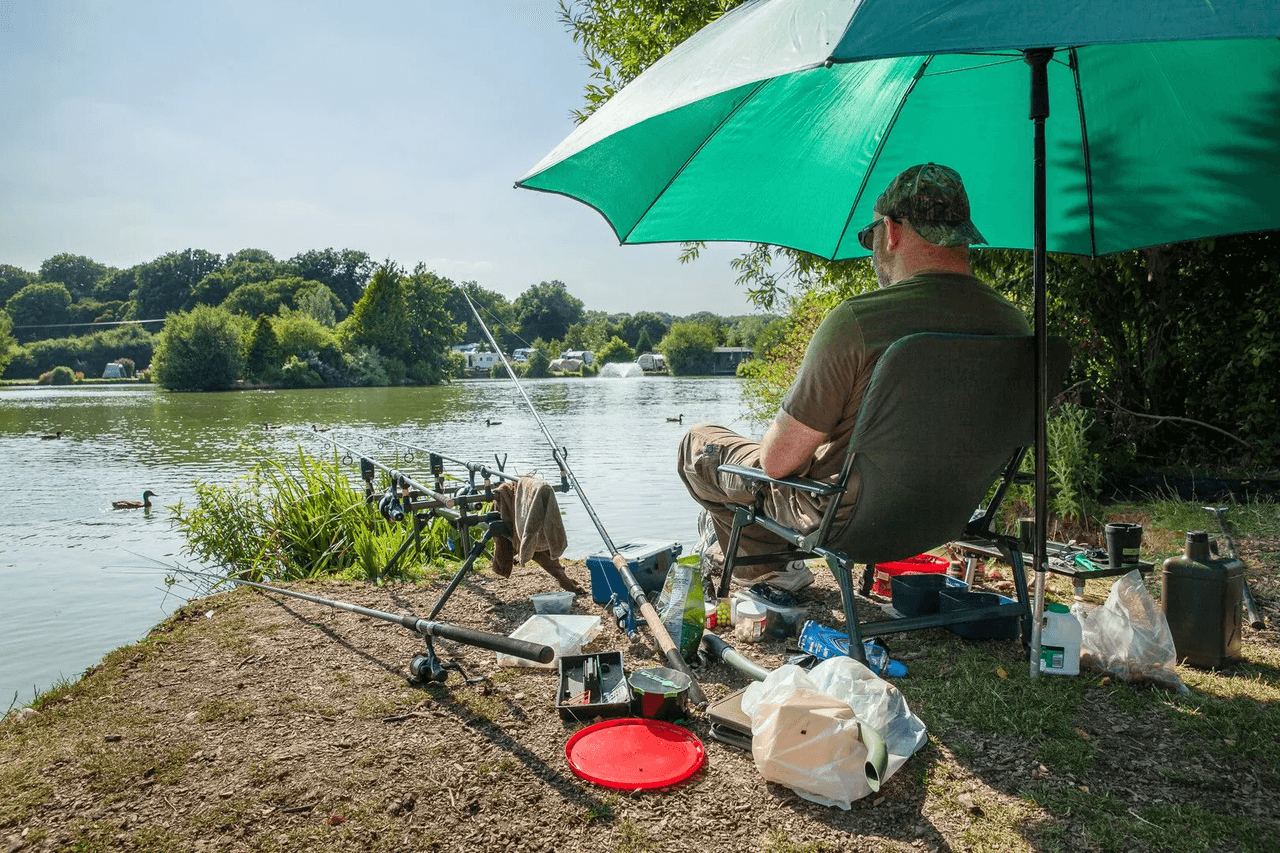
Loch Ness, Scottish Highlands
Fishing at Loch Ness carries a sense of scale that few places can match, where the vast waterbody changes how you approach the entire activity. Instead of staying fixed in one spot, many visitors combine movement and exploration through boating, fishing, and camping, turning the trip into something more dynamic. The setting feels expansive, almost cinematic, rather than purely functional.
Location: Inverness, Scotland
Best for: Salmon, trout, pike
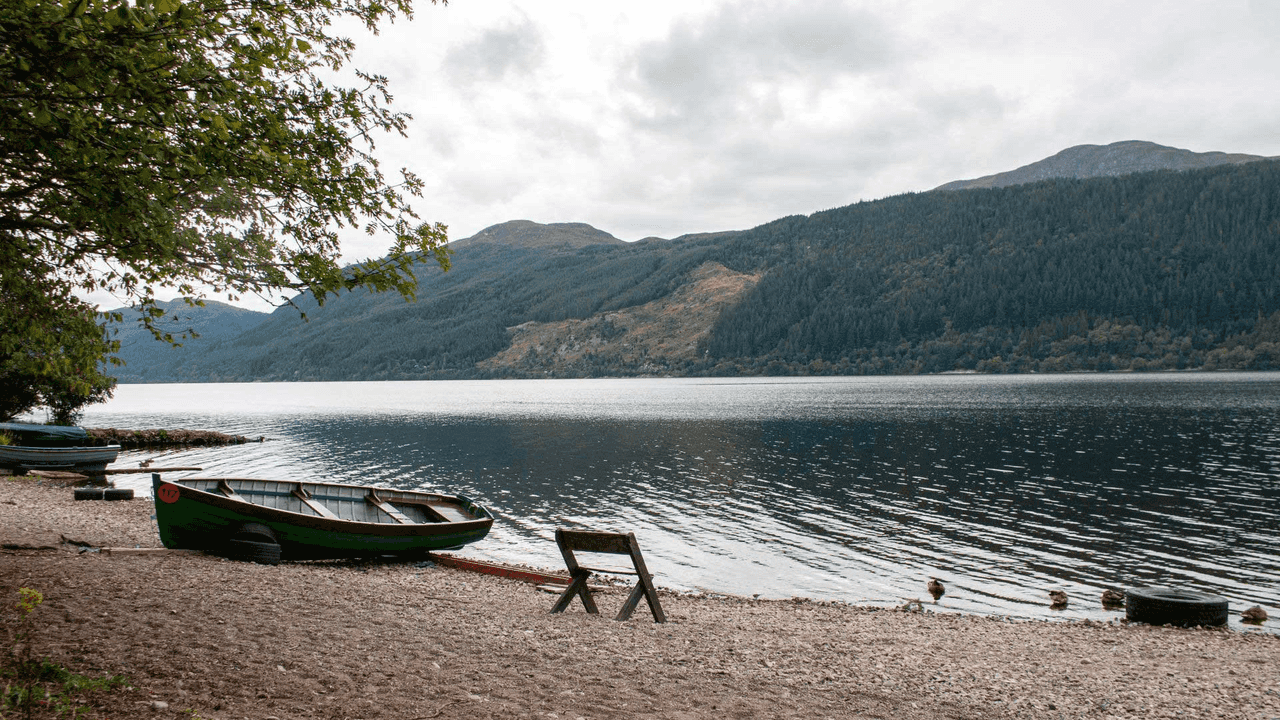
River Teifi, Wales
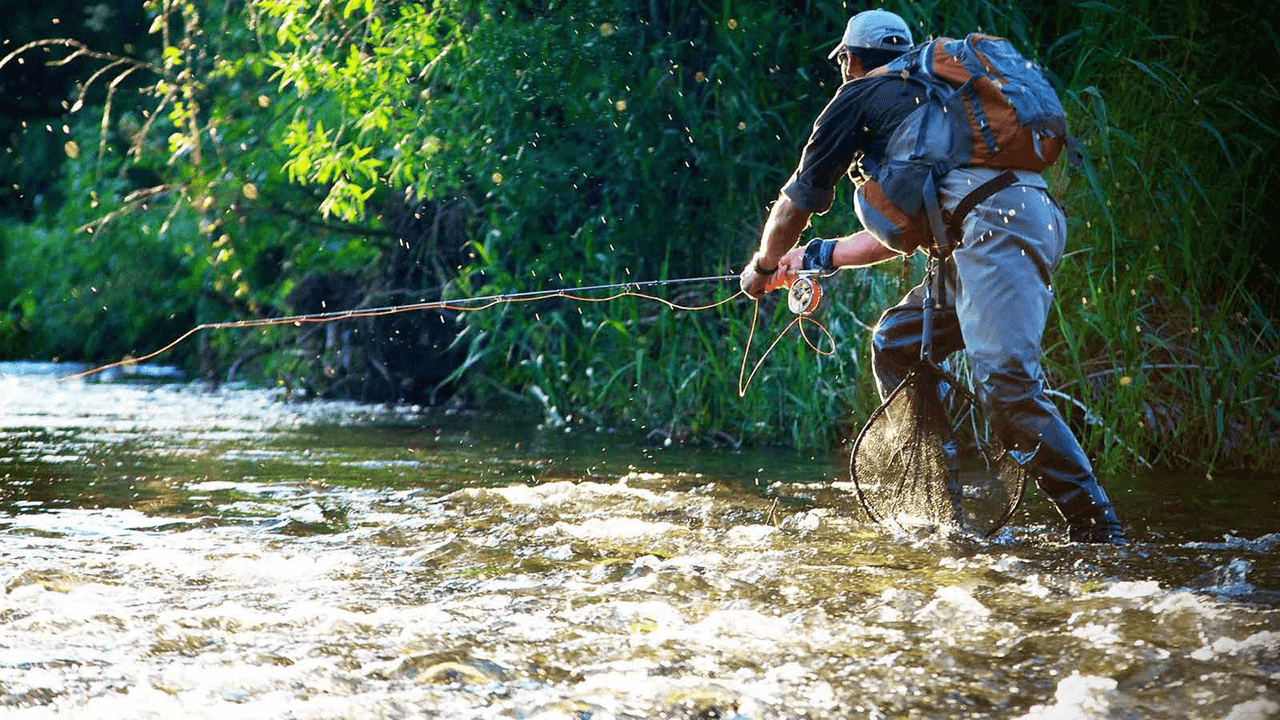
Along the River Teifi, the focus shifts toward rhythm and technique, where success often depends on timing. The flowing water encourages a more attentive style of angling, especially during seasonal runs. Nearby camping and fishing sites tend to be quieter and less commercial, creating an atmosphere that feels rooted in tradition.
Location: West Wales
Best for: Wild salmon, sea trout
What to know before you go?
Before setting out, a bit of preparation can make the difference between a smooth trip and unexpected challenges. Understanding regulations and seasonal factors helps you plan with greater confidence.
Rod license requirements in the UK
Before heading out, it's essential to secure a valid Environment Agency rod license, as fishing without one can lead to fines. The license type depends on how many rods you plan to use and the duration of your trip. This applies across most freshwater locations, especially popular fishing lakes with camping, where regulations are strictly monitored.
Best seasons by region
Fishing conditions vary significantly across the UK, so timing your trip can make a noticeable difference. Spring and early summer are generally productive in southern regions, while northern areas often perform better slightly later in the year. Weather patterns, water temperature, and species behavior all influence success during camping and fishing in the UK. Planning around these factors improves both catch rates and overall experience.
Booking campsites in advance
Many well-known spots that combine camping with fishing tend to fill up quickly, particularly during weekends and holiday periods. Securing your pitch early not only guarantees space but also gives you better choices in terms of location and facilities. Some sites even offer direct access to lakes, which adds convenience. Last-minute bookings can limit options and affect the overall trip quality.
Coarse fishing vs. fly fishing access
Different waters across the UK cater to specific fishing styles, so it's crucial to know what's permitted before arrival. Coarse fishing is more widely available in lakes and canals, while fly fishing is usually restricted to designated rivers or stocked waters. Certain boating, fishing, and camping locations may also have additional rules depending on the method used.
What to pack for a fishing and camping trip?
Having the right equipment ensures you're prepared for both comfort and efficiency during your stay. Follow these guidelines before proceeding with your fishing and camping trip.
Fishing essentials
Packing the right equipment ensures you're prepared for varying conditions rather than relying on guesswork. Essentials typically include rods, reels, bait, tackle boxes, and a landing net suited to your target species. For longer camping and fishing trips, having spare lines and tools can prevent disruptions.
Item | Recommended Quantity | Why It's Important | Practical Tips |
Fishing Rod | 1–2 rods | Allows flexibility if one setup fails | Bring a spare rod for multi-day trips |
Reel | 1–2 reels | Ensures smooth casting and retrieval | Match reel size to target fish species |
Fishing Line | 2–3 spare spools | Prevents trip disruption from line breaks | Use different strengths (e.g., 6–12 lb test) |
Bait or Lures | 5–10 types | Adapts to changing fish behavior | Pack both live bait and artificial lures |
Tackle Box | 1 medium box | Organizes hooks, weights, and swivels | Use waterproof tackle boxes |
Landing Net | 1 | Helps safely land fish | Choose foldable models for easy transport |
Multi-tool or Pliers | 1 | Removes hooks and cuts the line | Stainless steel tools resist rust |
Fish Finder (optional) | 1 | Improves catch efficiency | Useful for larger lakes |
Camping gear for UK weather
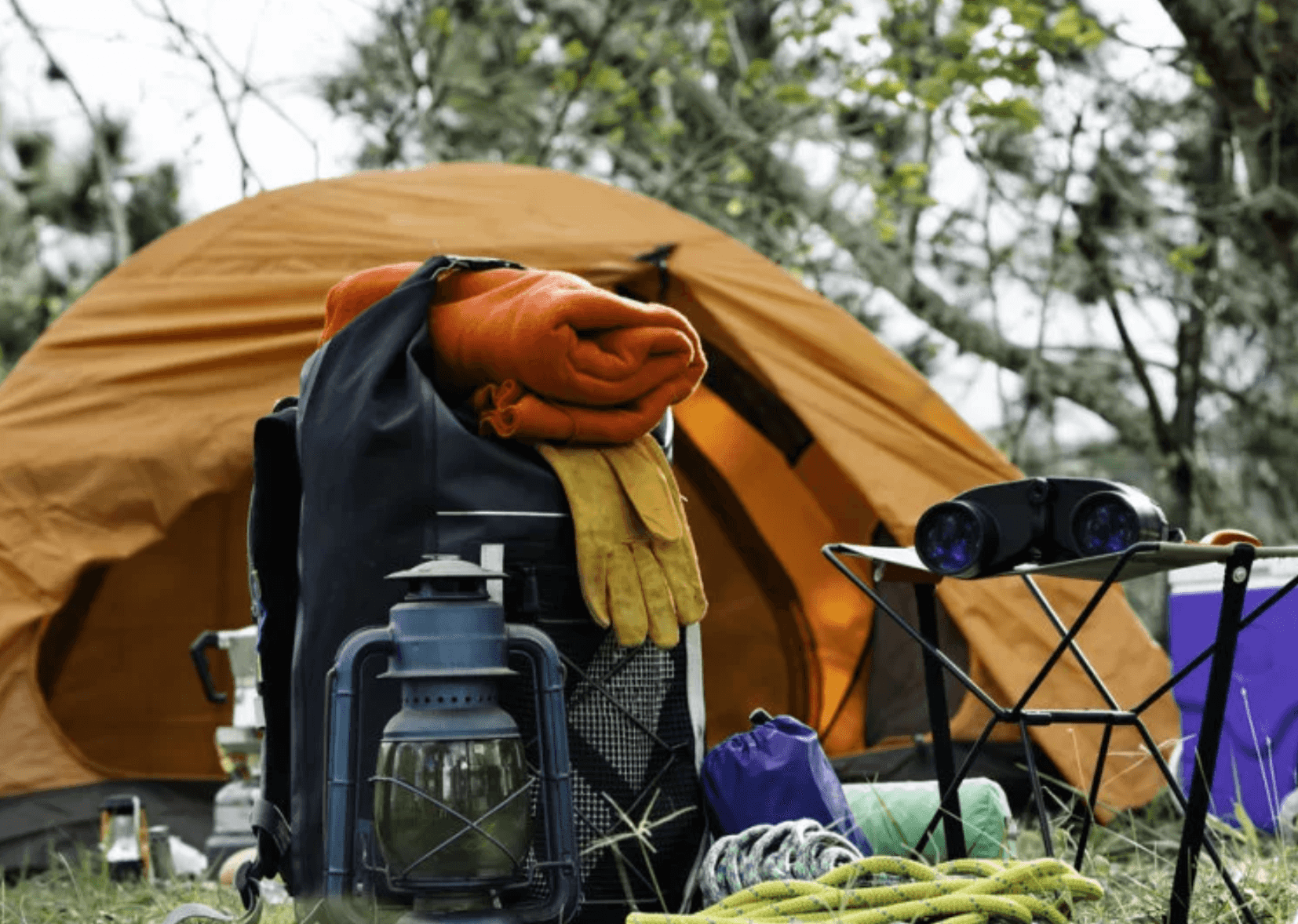
The UK's weather is famously unpredictable, so reliable gear is non-negotiable. A waterproof tent, an insulated sleeping bag, and layered clothing help you stay comfortable through sudden changes in temperature or rain. When planning camping and fishing in the UK, durability matters more than lightweight convenience.
Item | Recommended Specification | Why It's Important | Practical Tips |
Tent | Waterproof rating 3000mm+ | Protects against heavy rain | Choose double-layer tents |
Sleeping Bag | 0°C to 5°C comfort rating | Keeps you warm overnight | Use insulated liners for colder nights |
Sleeping Mat | Foam or inflatable | Adds insulation from the ground | Reduces heat loss significantly |
Waterproof Jacket | Fully sealed seams | Protects against rain and wind | Always pack even in summer |
Layered Clothing | Base, mid, outer layers | Adapts to temperature changes | Avoid cotton; use quick-dry fabrics |
Headlamp or Torch | 200–400 lumens | Provides reliable night visibility | Bring spare batteries |
Portable Power Station | 1 unit | Power lighting, phones, and small gear | Useful for multi-day lakeside camping |
Food and water planning
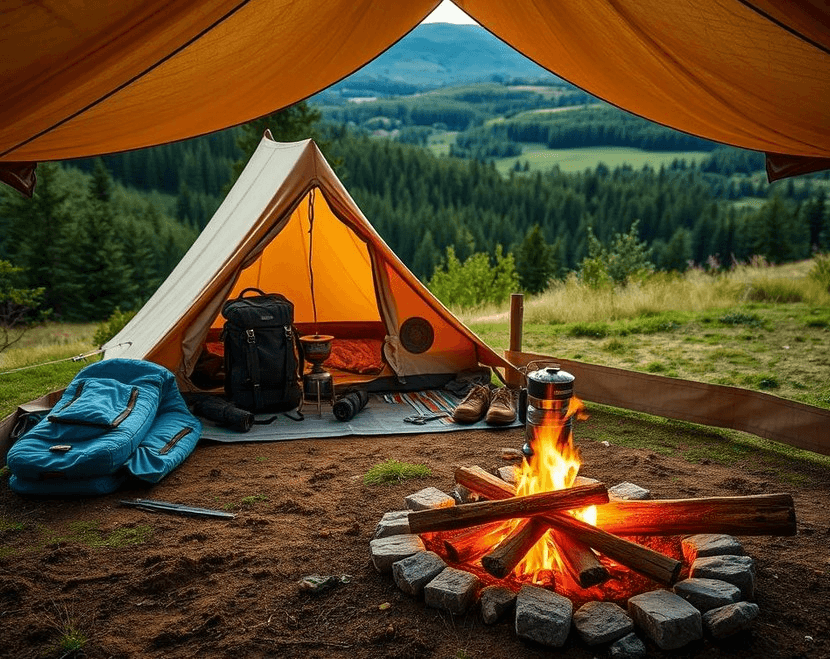
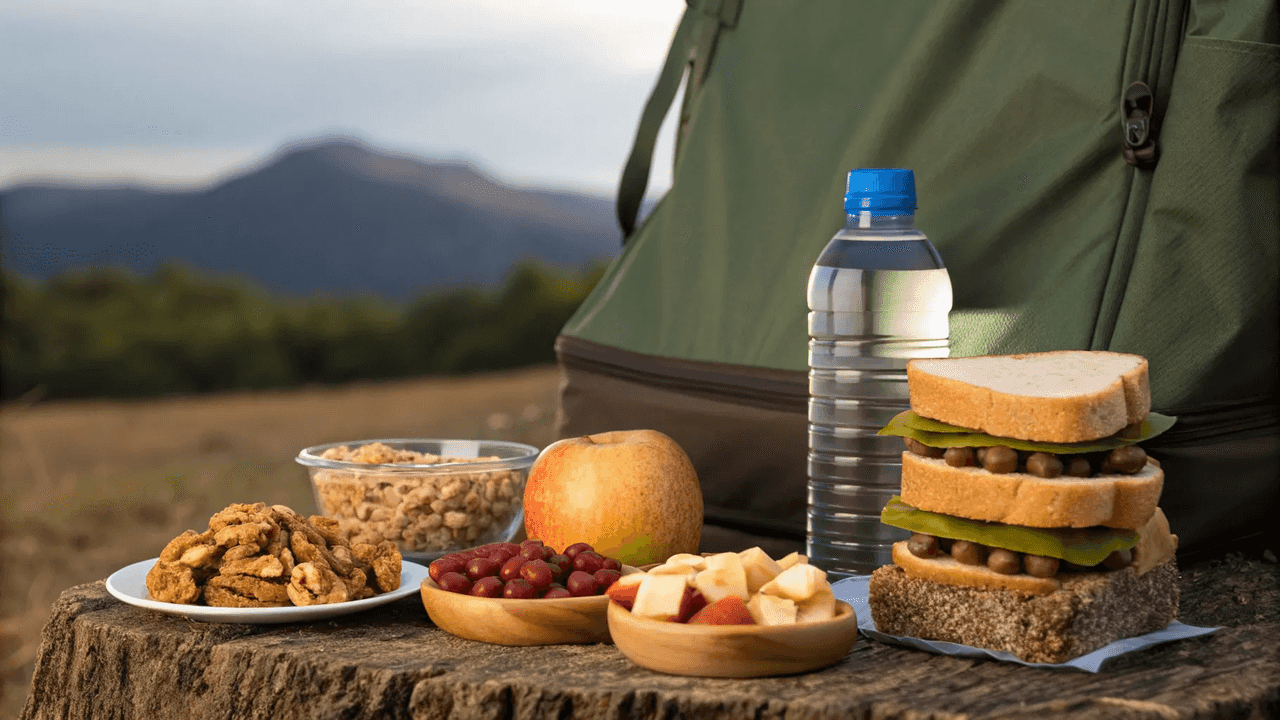
Careful planning around meals ensures you stay energized without overpacking unnecessary supplies. Non-perishable food, easy-to-cook items, and sufficient drinking water should be prioritized. In remote fishing lakes with camping areas, access to shops may be limited, so self-sufficiency becomes essential. Balancing nutrition and portability helps maintain both convenience and efficiency.
Item | Recommended Amount | Why It's Important | Practical Tips |
Drinking Water | 2–3 liters per person/day | Prevents dehydration | Bring water purification tablets |
Non-perishable Food | 2–3 days supply | Ensures reliable meals | Include canned or vacuum-packed food |
Easy-to-Cook Meals | 1–2 per day | Saves time and fuel | Choose instant rice or pasta |
Snacks | 3–5 packs | Maintains energy levels | High-protein snacks work best |
Portable Stove | 1 | Allows hot meal preparation | Compact gas stoves are reliable |
Cooler Box | 1 | Keeps fresh food safe | Use ice packs for longer trips |
Reusable Utensils | 1 set per person | Reduces waste | Pack lightweight sets |
Safety items to never skip
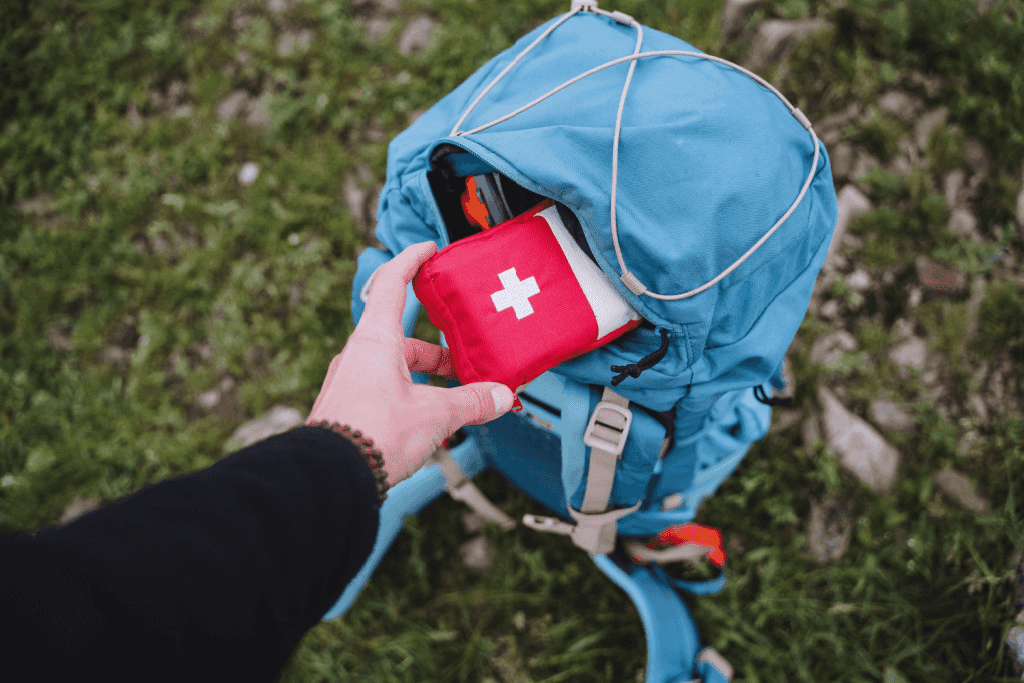
Safety should never be treated as optional, especially in outdoor environments where conditions can change quickly. Items such as a first aid kit, torch, power bank, and weather-appropriate gear are fundamental. For those combining boating, fishing, and camping, additional precautions like life jackets are equally important.
Item | Recommended Quantity | Why It's Important | Practical Tips |
First Aid Kit | 1 kit | Handles minor injuries | Include bandages and antiseptics |
Torch or Headlamp | 1 per person | Ensures safe movement at night | Headlamps free your hands |
Power Bank | 1–2 units | Keeps phones charged | Useful for emergency contact |
Portable Power Station | 1 unit | Supports lighting and emergency gear | Ideal for multi-device charging |
Emergency Whistle | 1 | Helps signal for help | Lightweight but critical |
Life Jacket | 1 per person (if boating) | Prevents drowning accidents | Mandatory near deep water |
Weather Radio | 1 | Provides weather updates | Important in remote areas |
Map and Compass | 1 set | Backup navigation method | Do not rely only on phones |
How to stay powered at remote campsites?
Maintaining a reliable power source in remote locations requires a combination of preparation and efficient energy use. Portable power stations and solar panels—such as those offered by EcoFlow—are commonly used to keep essential devices running without relying on grid access. Managing consumption, such as limiting high-drain appliances, helps extend available power throughout your stay. Additionally, having backup options ensures continuity, especially in areas where weather conditions can affect solar charging.
RIVER 3 Plus suits solo anglers and lightweight fishing camping trips
The RIVER 3 Plus Portable Power Station is designed as a compact and flexible power solution, offering a 286Wh base capacity expandable up to 858Wh with additional battery options. Its LiFePO4 battery supports up to 3000 cycles, ensuring long-term reliability, while the lightweight 4.7 kg design makes it easy to carry between fishing spots and campsites.
With a fast AC recharge time of about 60 minutes and solar charging available for outdoor use, it offers fast and convenient recharging for fishing and camping trips. Additionally, its quiet operation below 30 dB and UPS support under 10 ms make it suitable for both indoor and outdoor environments.
In terms of output, the system includes three AC outlets delivering 600W total power with a surge capacity of 1200W, alongside USB-A, USB-C, and car output options for versatile device support. It supports stable charging and discharging across varying outdoor temperatures, while multiple input methods—including AC, solar, car, and generator charging—add to its adaptability in remote fishing locations.
DELTA 3 Plus handles heavier power needs for group or caravan-based fishing camps
The DELTA 3 Plus Portable Power Station steps up in capacity with a 1024Wh battery and expandable storage of up to 5kWh, making it suitable for more demanding fishing and camping applications. Despite its higher capacity, the unit remains relatively portable at under 12.5 kg, featuring a durable and weather-resistant design for outdoor environments.
The unit supports fast charging, reaching about 80% in around 45 minutes via AC, while solar input options provide efficient renewable charging during extended outdoor stays. Smart app integration further enhances usability with features such as time-of-use optimization and weather alerts.
Performance-wise, it delivers strong output with four AC outlets providing 1800W total power and a surge capacity of 3600W, along with multiple USB-A and USB-C ports for fast device charging. The X-Boost feature allows support for devices up to 2400W, expanding its practical use cases for larger camping equipment.
With a cycle life of up to 4000 cycles and quiet operation below 40 dB, it combines durability with comfort during overnight fishing trips. Backed by a 5-year warranty, the DELTA 3 Plus provides a powerful and versatile energy solution for both home backup and extended fishing and camping use.
Tips for a better fishing and camping trip
Even small adjustments in approach can elevate the quality of your trip. The strategies given below help you make the most of both your time and surroundings.
Fish early, set up before dark
Starting your fishing at sunrise often gives you a better chance of catching active fish, as many species feed during cooler hours. At the same time, setting up your campsite before nightfall helps you avoid unnecessary stress and allows you to settle in comfortably with proper visibility.
Check local fishing rules and catch limits
Before heading out, take a moment to review local regulations, as they can vary widely across different regions in the UK. Understanding limits, permitted methods, and protected species not only keeps you compliant but also supports sustainable fishing practices.
Follow leave-no-trace principles
Respecting the environment is essential when enjoying camping and fishing outdoors. Make sure to clean up all waste, avoid disturbing natural habitats, and leave the area exactly as you found it so others can enjoy the same unspoiled experience.
Watch the UK weather before you head out
Weather conditions in the UK can change quickly, so checking forecasts in advance is crucial for both safety and comfort. Being prepared for rain, wind, or temperature drops ensures your trip remains enjoyable rather than unexpectedly challenging.
Conclusion
Ultimately, successful camping and fishing in the UK comes down to combining the right location with thoughtful preparation and realistic expectations. Each destination offers a different rhythm, whether it's quiet rivers, managed lakes, or expansive natural parks, and adapting to those conditions makes a noticeable difference.
Practical elements such as gear selection, local rules, and reliable power sources all contribute to a smoother and more efficient experience. At the same time, respecting the environment and planning responsibly ensures these locations remain enjoyable for others as well.
FAQs
Is wild camping legal in the UK?
Wild camping laws in the UK vary by region, with Scotland being the most flexible due to its right-to-roam policy. In England and Wales, it is generally restricted unless you have landowner permission. However, some national parks allow it in designated areas under specific guidelines. It's always wise to check local rules before planning your stay.
Do you need a boat to fish at UK campsites?
In most UK campsites, fishing can be done directly from the bank, making a boat unnecessary for many anglers. Lakes, rivers, and stocked fisheries are designed for easy access from the shore. However, certain larger waters may permit or benefit from boat use, depending on site regulations.
Do UK campsites provide fishing gear?
Not all campsites provide fishing equipment, though some well-equipped fishing sites do provide rentals or on-site tackle shops. Many campers prefer bringing their own gear to ensure familiarity and quality. If equipment is available, it's usually limited to essentials rather than specialized setups.