What is Paddle Boarding? Everything You Need to Know
- What is paddle boarding?
- Types of paddle boarding
- How to choose your first paddle boarding kit?
- Essential power solutions for paddle boarding & outdoor use
- Why portable power matters for paddle boarding
- RIVER 3 Plus Portable Power Station (Lightweight Outdoor Companion)
- How to paddle board for the first time?
- Tips for a safe paddle boarding session
- Conclusion
- FAQs
Paddle boarding has quickly become one of the most popular water activities for beginners and adventure lovers alike. But many people still ask, "What is paddle boarding, and why is it gaining so much attention?" It's a fun and versatile sport where you stand on a board and use a paddle to move across the water, whether on calm lakes, rivers, or the sea. Easy to learn and suitable for all skill levels, paddle boarding offers a great mix of relaxation, fitness, and exploration. Bringing practical gear such as solar batteries can also be useful for longer outdoor sessions, helping keep phones, action cameras, and other small devices powered while you're out on the water or exploring the shoreline. In this guide, you'll learn everything you need to know to get started with confidence.
What is paddle boarding?
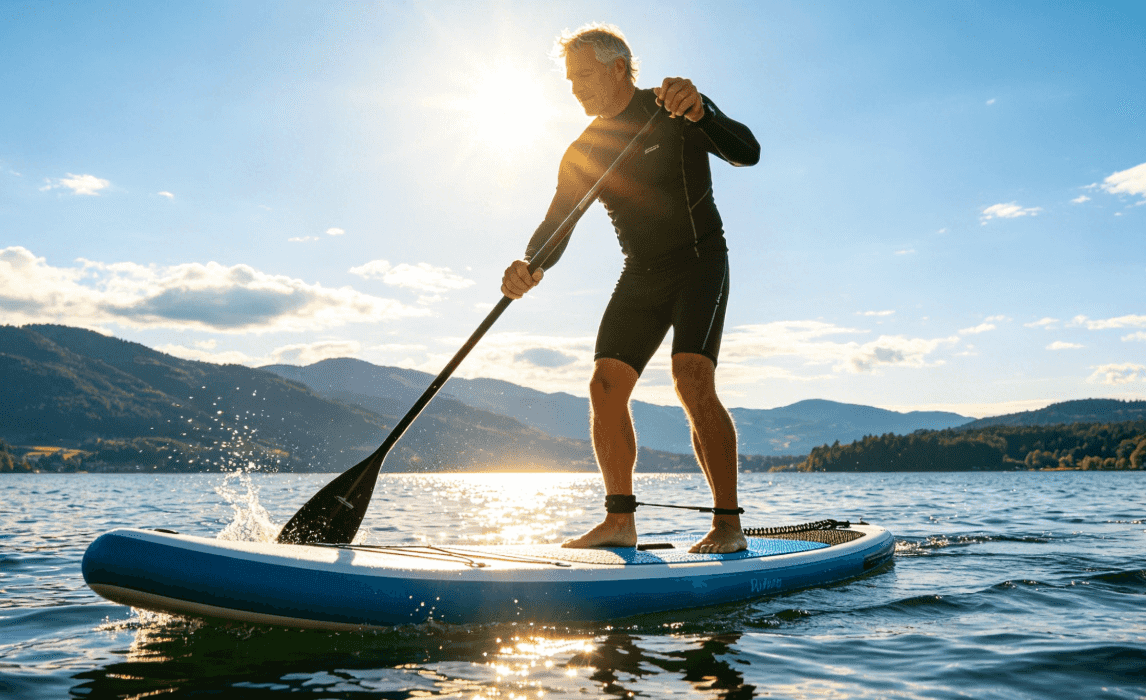
Paddle boarding is a water sport where you stand or kneel on a large, stable board and use a long paddle to move across the water. It can be done on oceans, lakes, rivers, and calm coastal areas, making it a very flexible outdoor activity. The board is designed to provide balance and stability, which makes it easier to control, even for beginners.
It is popular because it can be both relaxing and active at the same time. Some people enjoy slow paddling for sightseeing, while others use it for fitness or exploring waterways. Paddle boarding is suitable for most skill levels and does not require advanced training to get started.
Types of paddle boarding
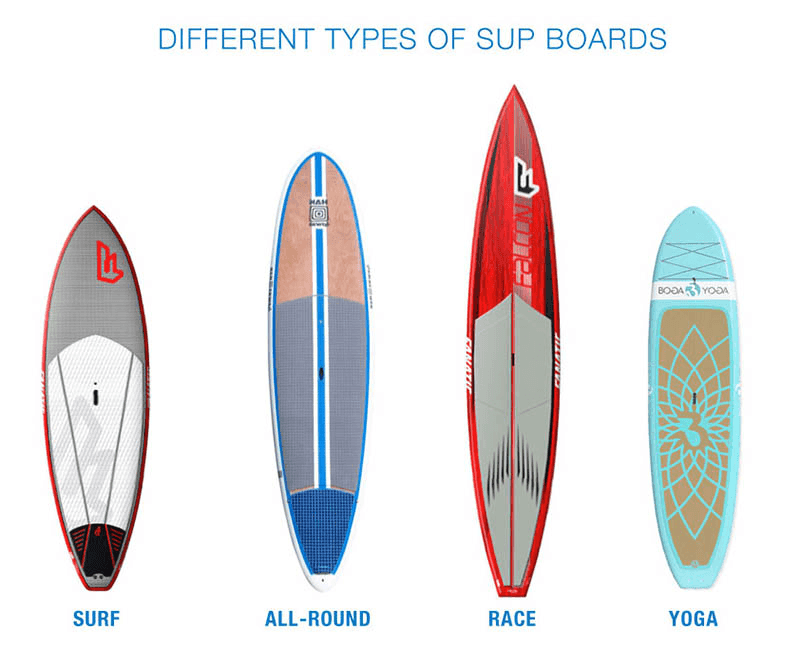
Paddle boarding is a versatile activity that can be enjoyed in different ways depending on your interests and skill level. From relaxing sessions on calm water to more active and specialized styles, there are several options to explore. Below are the most common types of paddle boarding and what they are best suited for.
Type | Description | Best for |
Recreational paddling | Casual paddling on calm waters like lakes or slow rivers with stable boards | Beginners and relaxed outings |
SUP touring | Long-distance paddling using streamlined boards designed for efficiency | Exploring and endurance trips |
SUP yoga | Practicing yoga on a paddle board in calm water environments | Balance, flexibility, relaxation |
SUP fishing | Paddle boarding with fishing gear, often using wider and more stable boards | Fishing enthusiasts |
SUP racing | High-speed paddling using narrow, lightweight boards | Competitive and advanced users |
SUP surfing | Riding waves on a paddle board, similar to traditional surfing | Wave riding and ocean activities |
How to choose your first paddle boarding kit?
Getting started with paddle boarding is exciting, but choosing the right kit can make a big difference in your overall experience. If you're wondering what paddle boarding is and how to begin, selecting the right gear is the first step toward building confidence on the water. The tips below will help you pick a setup that suits your needs and skill level.
Choose the right board type for beginners
Beginners should start with a stable and wide board designed for easy balance. Recreational or all-around boards are the most suitable because they offer better control and comfort. These boards perform well on calm waters and are forgiving for first-time users. Choosing the right type helps you learn faster and enjoy the experience.
Consider board size and weight capacity
Board size plays a key role in stability and performance. A longer and wider board provides better balance, which is ideal for beginners. It's also important to check the weight capacity to ensure the board can support you and any extra gear. A properly sized board improves safety and comfort in the water.
Decide between inflatable and hard paddle boards
Inflatable boards are lightweight, portable, and easy to store, making them a popular choice for beginners. Hard boards, on the other hand, offer slightly better performance and speed but require more storage space. Your choice depends on convenience versus performance. Many beginners prefer inflatable boards for their flexibility.
Look for essential paddle boarding accessories
A good starter kit should include key accessories like a paddle, leash, pump (for inflatables), and a carry bag. Safety gear, such as a personal flotation device, is also important. These accessories make your paddle boarding experience safer and more convenient. Having a complete kit saves time and effort.
Check the quality of materials and construction
Durability is important, especially if you plan to use your board regularly. Look for strong materials like reinforced PVC for inflatable boards or solid construction for hard boards. Good build quality ensures better performance and a longer lifespan. It also provides more stability while paddling.
Think about storage and transportation needs
Before buying, consider how you will store and transport your board. Inflatable boards can be deflated and packed into a bag, making them ideal for small spaces. Hard boards require racks or larger storage areas. Choosing a board that fits your lifestyle makes usage more convenient.
Set a realistic budget for your first kit
As a beginner, you don't need the most expensive setup. Focus on a reliable and well-balanced kit that meets your basic needs. Many entry-level packages offer good quality at a reasonable price. Setting a budget helps you avoid overspending while still getting a dependable board.
Essential power solutions for paddle boarding & outdoor use
When you're spending time on the water or near the shore, having access to reliable power can make your experience more convenient and enjoyable. From charging phones and GPS devices to running small accessories, portable power ensures you stay prepared even in remote locations. It's especially useful for longer trips where access to electricity is limited.
Why portable power matters for paddle boarding
Paddle boarding often takes you to places without direct power access, such as lakes, rivers, or coastal areas. Having a portable power station—such as solutions from EcoFlow—allows you to keep essential devices charged, including phones, cameras, and safety equipment. It also adds convenience for longer sessions or group outings. Below are the two most reliable power solutions for outdoor and paddle boarding use.
RIVER 3 Plus Portable Power Station (Lightweight Outdoor Companion)
The EcoFlow RIVER 3 Plus Portable Power Station is a compact and reliable power solution designed for outdoor activities like paddle boarding, where access to electricity is limited. Paddle boarding often takes you to remote lakes, rivers, or coastal areas, making a lightweight and portable energy source especially useful for keeping essential devices powered throughout your trip.
With an expandable capacity from 286Wh up to 858Wh, it can easily support small electronics such as smartphones, action cameras, GPS devices, and portable lighting. This makes it ideal for short paddle boarding trips, photography sessions on the water, or casual outdoor adventures.
Weighing only around 4.7 kg, it is easy to carry to beaches, lakesides, or rivers without adding unnecessary bulk to your gear. Built with durable LiFePO₄ battery technology, it delivers long-lasting performance with up to 3000 charge cycles, making it suitable for frequent outdoor use and water-based activities.
For added reliability, it includes a <10 ms UPS function, helping protect sensitive devices like cameras or navigation tools from sudden power interruptions. Operating at under 30 dB, it remains quiet enough for natural outdoor environments where peace and minimal noise are important.
It delivers up to 600W output with 1200W surge support, allowing multiple devices to charge simultaneously. Fast AC charging in about 60 minutes, combined with solar compatibility, ensures flexible recharging options during longer outdoor stays.
Best for: Paddle boarding trips, lakeside photography, coastal adventures, charging small devices, and lightweight outdoor use.
DELTA 3 Plus Portable Power Station (High-Capacity Power for Longer Trips)
The EcoFlow DELTA 3 Plus Portable Power Station is a powerful and reliable energy solution for longer paddle boarding trips and outdoor water-based adventures. With a 1024Wh battery capacity, it can support essential devices such as action cameras, smartphones, GPS units, portable lights, and small outdoor electronics, making it ideal for extended time on the water or at remote shore locations.
It delivers strong performance with 1800W continuous output and up to 3600W surge, allowing multiple devices to run at the same time without interruption. This ensures stable power for essential gear during longer paddle boarding sessions, group outings, or lakeside stops.
The DELTA 3 Plus supports ultra-fast charging, reaching a full charge in about 1 hour via AC input, which is especially useful when preparing between trips or sharing power among multiple users. It also supports solar and car charging, providing flexible recharging options for remote coastal or lakeside environments.
With multiple output ports including AC, USB-A, USB-C, and DC, it allows simultaneous charging of essential outdoor devices. The EcoFlow app enables real-time monitoring of power usage and battery status, helping users manage energy efficiently during outdoor activities.
Best for: Paddle boarding trips, lakeside exploration, water photography, group outdoor activities, and powering multiple small devices during extended outdoor use.
How to paddle board for the first time?
If you're new and wondering what stand-up paddle boarding is like in practice, getting started is easier than it looks. The key is to focus on balance, simple movements, and staying relaxed on the water. With a few basic techniques, you'll quickly gain confidence and enjoy your first experience.
Getting on the board
Start by placing your board in shallow, calm water where it feels stable. Hold the sides of the board and climb on by kneeling in the center. Make sure your knees are positioned evenly for balance. Take a moment to steady yourself before moving.
How to stand up
Once you feel comfortable, slowly move from a kneeling position to standing. Place one foot at a time where your knees were, keeping your feet shoulder-width apart. Keep your knees slightly bent and your eyes looking forward, not down. This helps maintain better balance.
Basic paddle strokes
Hold the paddle with one hand on the top grip and the other on the shaft. Dip the blade fully into the water and pull it back alongside the board. Switch sides every few strokes to move straight. Smooth and steady strokes work best for beginners.
How to turn and stop
To turn, paddle more on one side of the board to gently change direction. For sharper turns, use wider strokes away from the board. To stop, simply slow your paddling or drag the paddle in the water. Practicing this helps you stay in control.
What to do when you fall
Falling is completely normal, especially when you're learning. Try to fall away from the board to avoid hitting it. Climb back on from the side by pulling yourself up to a kneeling position first. Stay calm and take your time getting back up.
Tips for a safe paddle boarding session
Staying safe on the water is just as important as learning how to paddle. If you understand what paddleboard safety is in practice, a few simple precautions can help you avoid risks and enjoy a smooth experience. The tips below will help you stay prepared and confident during your session.
Check weather and water conditions
Before heading out, always check the weather forecast and water conditions. Strong winds, waves, or currents can make paddle boarding difficult and unsafe. Calm and clear conditions are best for beginners. This helps you avoid unexpected challenges on the water.
Always use a leash
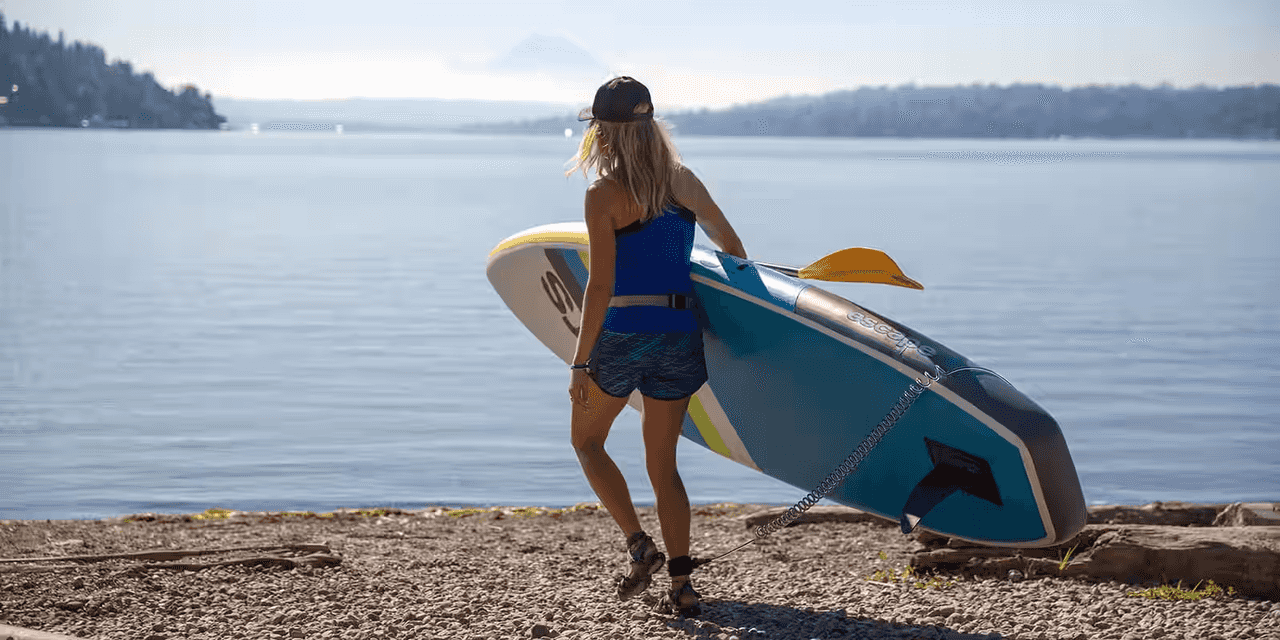
A leash connects you to your board and prevents it from drifting away if you fall. It is one of the most important safety items, especially in open water. Without it, retrieving your board can become difficult. Using a leash ensures you stay connected at all times.
Stay within your skill level
Stick to areas and conditions that match your experience level. Avoid deep waters, strong currents, or crowded zones if you're just starting. Gradually build your skills before trying more challenging environments. This keeps your paddle boarding experience safe and enjoyable.
Conclusion
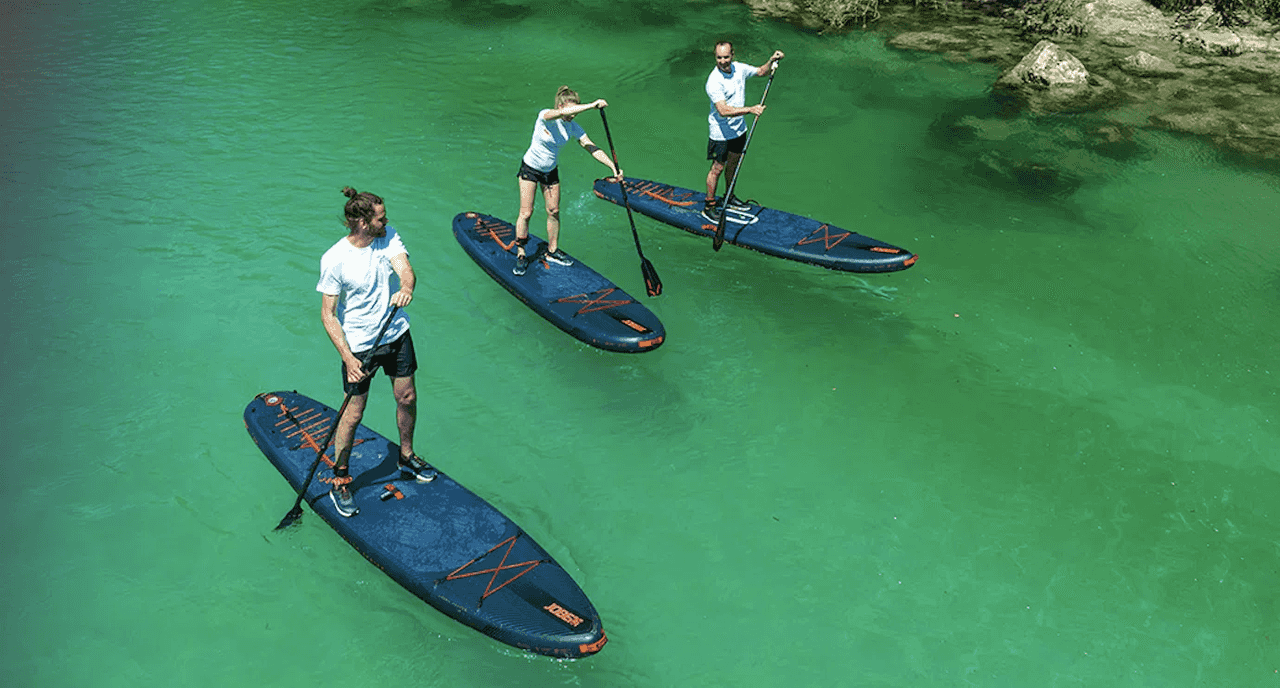
Paddle boarding is a fun, accessible, and rewarding water activity that anyone can enjoy with the right approach. If you've been wondering what paddle boarding is, it's more than just a sport—it's a relaxing way to explore nature while staying active. From choosing the right gear to learning basic techniques, each step helps build confidence in the water.
Adding a reliable power solution can further enhance your outdoor trips by keeping your devices charged and ready when needed. With proper preparation and safety in mind, paddle boarding becomes a comfortable and enjoyable experience that you'll want to revisit again and again.
FAQs
Is paddle boarding hard to learn?
Paddle boarding is generally easy to learn, especially for beginners using stable boards. Most people can understand the basics within a short time in calm water. With a little practice, balance and control improve quickly. This is one reason many people ask what paddle boarding is before trying it themselves.
Can you paddle board if you cannot swim?
Yes, you can paddle board even if you cannot swim, but extra safety precautions are essential. Wearing a life jacket or personal flotation device is strongly recommended at all times. Staying in shallow and calm water also helps reduce risk. It's best to start under supervision or in controlled environments.
Where should you avoid paddle boarding?
You should avoid paddle boarding in rough waters, strong currents, or areas with heavy boat traffic. Offshore winds and large waves can quickly make conditions unsafe, especially for beginners. It's also important to stay away from restricted or hazardous zones. Choosing safe locations ensures a better overall experience.