SHTF Explained: How to Prepare and Respond in Emergency Situations
SHTF (short for "when things hit the fan") refers to unexpected crisis scenarios such as power outages, natural disasters, or major infrastructure failures. In these situations, preparation is critical to maintaining safety and basic living conditions. One of the most reliable tools for emergency readiness is portable power stations, which provide clean, quiet backup power for essential devices like phones, lights, and medical equipment. In this guide, you'll learn what SHTF means, how to prepare effectively, and how portable power stations can help you stay powered when it matters most.
What does SHTF mean?
The shtf meaning is "Shit Hits The Fan." People use this term when they talk about a major crisis. It describes a moment when normal life stops working. In an SHTF event, these systems fail. Grocery stores might close, and the police might not be able to help.
This does not always mean a big movie disaster. It can be a natural event like a flood or a very bad storm. It can also be a man-made problem, like a power grid failure. The goal of understanding SHTF is simple. You want to be ready to take care of yourself.
Instead of waiting for help, you have your own food and tools. It is about being smart and staying calm. Being prepared means you can keep your family safe during hard times. It changes a scary situation into one you can handle.
Common SHTF scenarios you should know
You cannot prepare for everything, so you must focus on what is most likely to happen. A real crisis usually starts small but spreads quickly through your community. Understanding these SHTF scenario-specific threats helps you build a practical plan that actually works when things go wrong.
Natural disasters
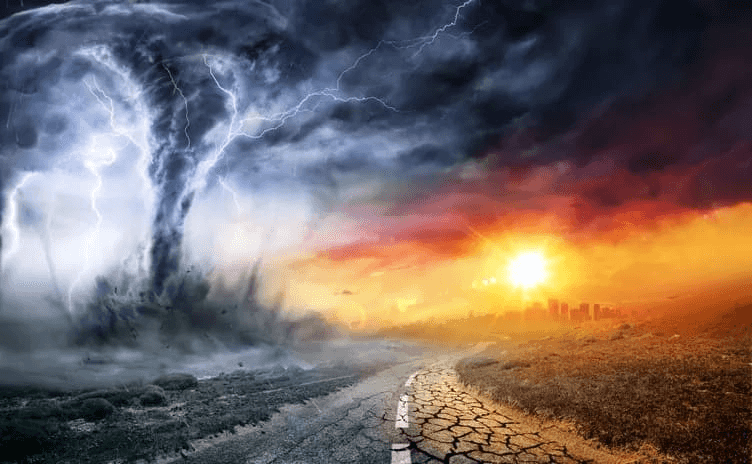
As you already know, natural disasters are fast and very destructive when they strike your home. Floods can ruin your food and water supplies in just a few minutes. Furthermore, heavy snow or earthquakes often trap you inside for many days. You must have a way to stay warm and dry without help.
Power outages and infrastructure failure
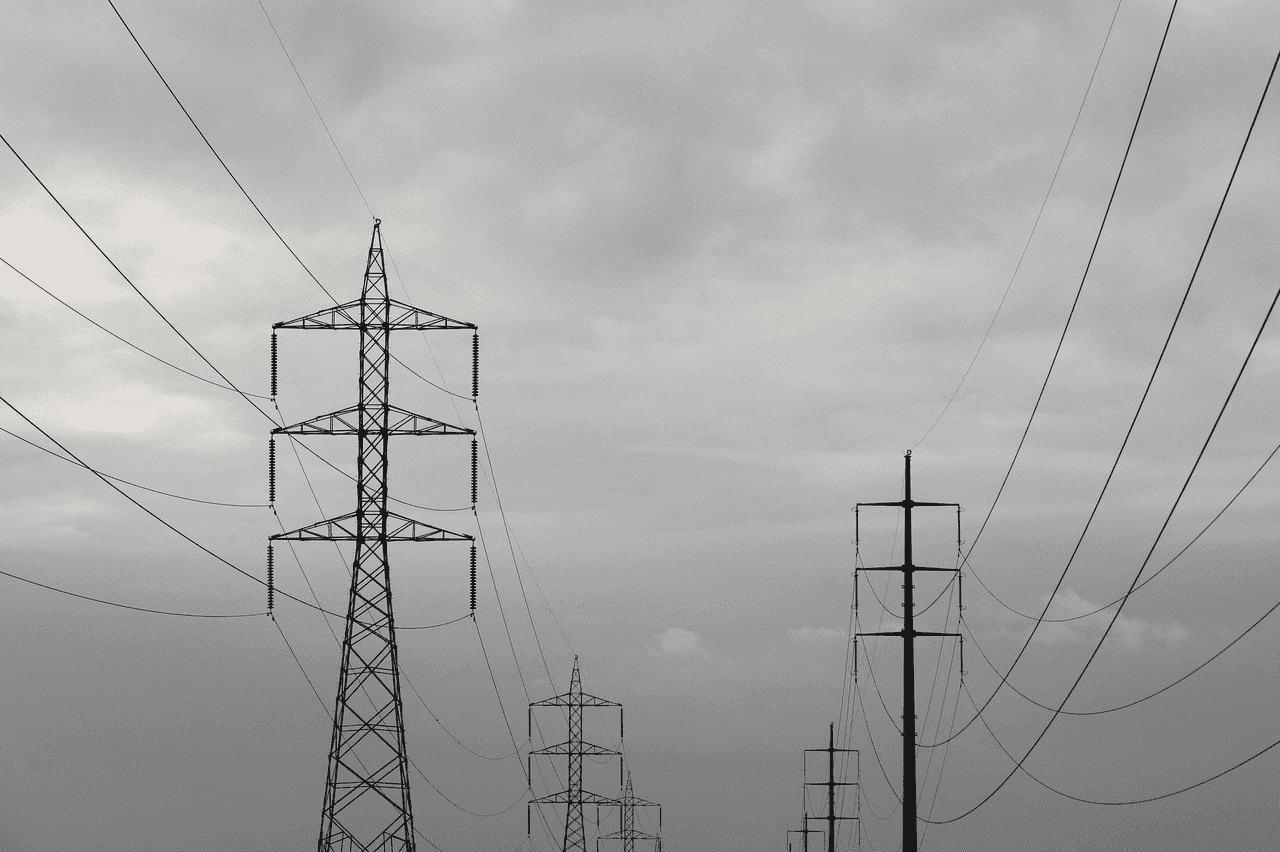
Generally, our daily lives stop when the electricity or the city water goes out. A simple storm or a technical glitch can leave your neighborhood dark for a week. Without power, your phone dies, and your fridge stops working. You need backup lights and a way to cook.
Economic and social instability
When the economy struggles, the items you need every day become very expensive. Sometimes, the trucks stop moving, and the store shelves stay empty for a long time. This causes people to feel desperate and stressed. In this scenario, you have an extra supply of basic food that keeps you safe.

Health crises and pandemics
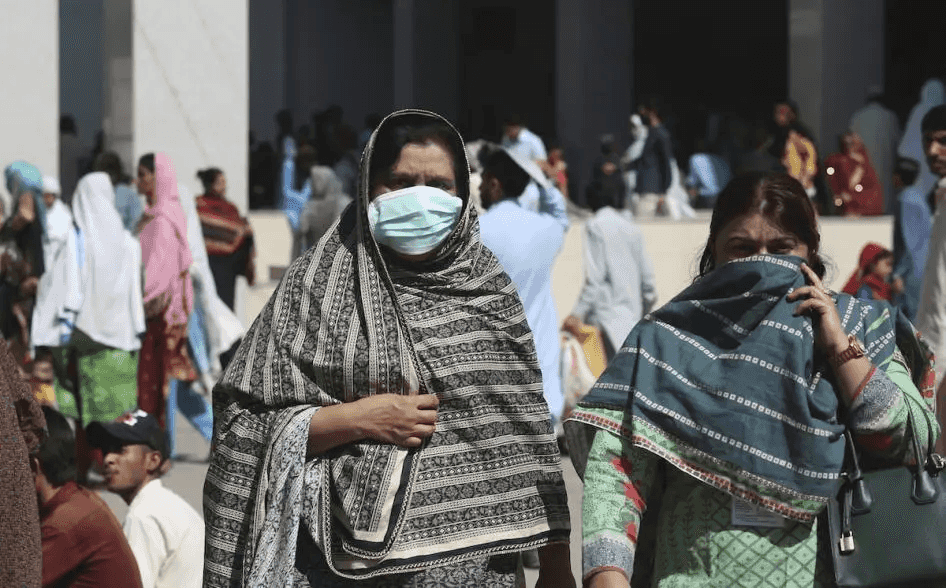
A major illness can close schools and offices in your town very quickly. You might find that local pharmacies run out of basic medicine when everyone gets sick. It is best to keep a well-stocked medical kit at home. Because it allows you to treat your family without leaving your front door.
Why SHTF preparedness matters
It's generally understood that preparing for a crisis is not about being afraid. It is about being a person who can stay calm while others are in a panic. When you have a plan, you stop being a victim of the situation and start being a leader for your family.
Unpredictability of emergencies: Sometimes disasters do not give you a warning before they arrive at your door. You might wake up to a sudden flood or a massive power failure that lasts for days. The shtf prep list means you already have your supplies ready before the store shelves go empty.
Breakdown of essential services: We often forget how much we depend on the city for our daily needs. In a major event, the water stops flowing, and the trash is not collected. When these basic services fail, your home must become its own small utility company to keep everyone safe.
Need for independence: When a real disaster hits, emergency workers are often stretched too thin to help everyone at once. You might be on your own for several days or even weeks. Furthermore, collecting your own food and tools gives you the freedom to survive without waiting.
How to prepare for SHTF effectively?
Getting ready for a crisis does not have to be expensive or scary. It is a step-by-step process that builds your confidence over time. If you focus on the SHTF prep list, you can change your home into a safe place that can withstand almost any problem.
Assess your risks
Every location has different dangers like floods, snow, or wildfires. You should look at your town and see what is most likely to go wrong first. Understanding your specific environment helps you spend your money on the tools and supplies that actually matter most.
Build a survival plan
A good plan tells everyone in your family exactly where to go and what to do. You should decide on a meeting spot and a way to talk if phones stop working. Having these rules in place before a crisis happens prevents confusion and keeps people safe.
Stock essential supplies
You need enough food, water, and medicine to last at least two weeks without any outside help. Make sure to focus on items that do not go bad, like rice, beans, and canned goods. Always keep a manual can opener and a way to filter dirty water for drinking.
Develop survival skills
Some basic tools are useful, but knowing how to use them is even better for your long-term safety. You should learn basic first aid, how to start a small fire, or how to grow your own food. These skills stay with you forever and never run out, as physical supplies do.
Essential SHTF survival gear checklist
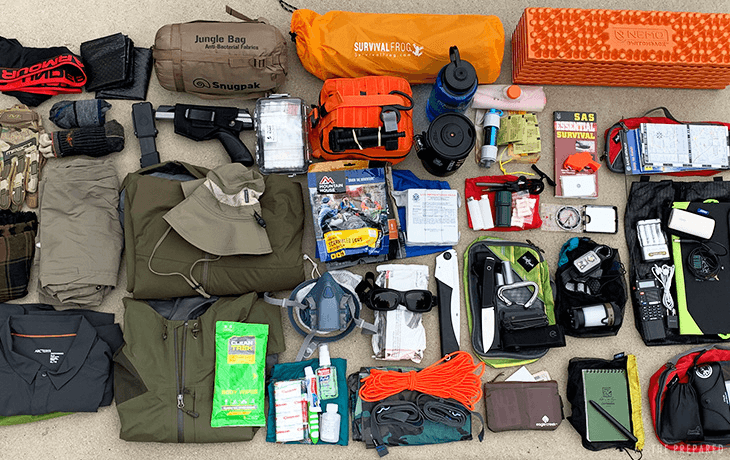
Having the right gear is not about buying every gadget in the store. It is about choosing tools that solve real problems like hunger, darkness, and cold. When you pick quality items that serve more than one purpose, you create a safety net that protects your family during the worst times. Here is the checklist of the right survival SHTF gear.
Food and water supplies
Water is your top priority because you can only survive three days without it. You should store one gallon per person every day and have a filter for backup. For food, choose high-calorie items like peanut butter, rice, and canned meats that do not require much water to cook.
Checklist:
Drinking water (1 gallon per person per day)
Water storage containers
Water filter or purification tablets
Non-perishable foods (peanut butter, rice, canned meats)
Ready-to-eat meals
Manual can opener
Lighting and communication tools
When the grid goes down, the world becomes very dark and quiet. You need a reliable LED headlamp to keep your hands free and a hand-crank radio to hear emergency news. These SHTF gears help you stay informed about the outside world and move around your home safely at night.
Checklist:
LED headlamp (hands-free use)
Flashlights (with spare batteries)
Emergency radio (hand-crank or battery-powered)
Power banks or portable power stations for charging devices
Charging cables for phones and radios
Shelter and warmth
If your heater stops working during a storm, your body temperature will drop very quickly. Keep thick wool blankets, thermal sleeping bags, and a small tent to trap heat in one room. Having a way to stay warm without electricity is the best way to prevent sickness during a winter crisis.
Checklist:
Wool blankets
Thermal sleeping bags
Emergency tent or indoor heat-retention setup
Warm clothing (layers, gloves, hats)
Insulation materials (foam mats, tarps)
Portable power solutions for SHTF scenarios
Portable power stations are your ultimate defense against a dark, silent home. Brands like EcoFlow have redefined backup energy with compact, high-performance systems that are quiet and safe for indoor use—unlike noisy gas generators. These units can recharge via solar panels, allowing you to keep essential devices such as phones, lights, and medical equipment running during grid failures or extended SHTF situations.
EcoFlow DELTA 3 Classic (1024Wh) for basic emergency needs
The EcoFlow DELTA 3 Classic is a compact and reliable power station. With a 1024Wh battery capacity, it provides enough energy to keep your phone charged, run a Wi-Fi router for extended periods, and power essential devices in outdoor or temporary setups, helping you stay connected and maintain basic needs when the grid goes down.
One major benefit is its impressive power performance, offering 1800W of continuous AC output and a 3600W surge capacity. Even when the power is out, you can still prepare hot food or boil water in outdoor or well-ventilated environments, which is a huge advantage for staying comfortable in an SHTF scenario.
Another key feature is its fast charging speed. This unit can reach an 80% charge in just 45 minutes. This means if you hear a storm warning, you can quickly top up your battery before the lights go out. It also supports 500W solar charging, helping extend usage during longer outages when paired with sufficient sunlight.
The station uses automotive-grade LFP battery cells, which are designed to last for over 10 years of daily use. These cells are much safer and more durable than standard batteries. Therefore, it gives you peace of mind that your gear will work when you need it most. Furthermore, with a 10ms UPS switchover, your sensitive electronics can stay powered during sudden outages when used in appropriate outdoor or temporary backup setups.
EcoFlow DELTA 3 Max Series (2048Wh) for extended SHTF scenarios
The EcoFlow DELTA 3 Max Series is a heavy-duty energy solution designed for extended SHTF situations where you might be without power for days. With a large 2048Wh capacity, it can handle high-wattage appliances such as refrigerators or selected heating devices within supported limits. It is the perfect choice for someone who wants to maintain a normal lifestyle during a major emergency.
A standout advantage is its massive 3000W continuous. This high power level means you do not have to choose which appliance to run. You can power your coffee maker, microwave, and lights all at the same time. This makes managing a crisis much easier and less stressful for everyone in your household.
The DELTA 3 Max is also highly expandable, allowing you to add extra batteries to reach a total capacity of up to 10kWh. This flexibility means you can start small and grow your power system as your needs change. Whether you are facing a short blackout or a long-term infrastructure failure, this unit can scale up to meet the challenge.
Despite its incredible power, the DELTA 3 Max operates very quietly at just 25dB. This whisper-quiet performance is essential for maintaining a low profile or sleeping soundly during a quiet night. Through the EcoFlow app, you can also set "Storm Guard" mode, which automatically prepares your battery for incoming weather alerts.
Key survival principles during SHTF
Surviving a major crisis is more than just having the right gear. It is about how you use your brain and your time when things go wrong. These core principles act as your internal compass and help you navigate through chaos.
Follow the rule of priorities
In a survival situation, you must do the most important things first to stay alive. Experts often use the "Rule of Threes" to rank these needs. You can survive 3 minutes without air, 3 hours without shelter in extreme weather, 3 days without water, and 3 weeks without food. Following this order ensures you don't waste energy finding food.
Stay calm and think clearly
Your mind is your most powerful tool, but it can fail you if you let panic take over. When a crisis hits, stop for a moment and take deep breaths to lower your heart rate. This simple act tells your brain you are still in control. A clear mind enables you to solve problems quickly and avoid making dangerous mistakes.
Conserve resources
In an SHTF event, you never know exactly when you will get more supplies. You must treat every drop of water and every bit of food as a precious asset. Start rationing your items early before you run low, and look for ways to reuse what you have. By being careful and reducing waste, you give yourself a better chance to deal with a long-term crisis.
Common mistakes to avoid in SHTF situations
Even with the best intentions, many people fall into traps that can put their safety at risk. Avoiding these common errors is just as important as buying gear. By staying aware of these pitfalls, you can ensure your preparations actually work.
Lack of preparation
Many people wait until they see a disaster on the news before they start buying supplies. By then, the grocery store shelves are usually empty, and the roads are blocked by traffic. True preparation happens months in advance when things are still calm. If you do not have a plan, you will be forced to compete with thousands of other panicked people.
Over-reliance on external help
In a massive SHTF scenario, the government and emergency services cannot reach everyone. If you assume that a rescue team will show up at your door within hours, you are making a dangerous mistake. You must be prepared to be your own first responder for at least two weeks. Expecting outside help to solve your problems leads to a "victim mindset."
Ignoring power needs
We live in a digital world, and many people forget how much they depend on electricity for survival. Without power, you cannot charge your phone to hear news updates. So, you need a SHTF gear backup energy source, like a portable power station or solar panels. Keeping your essential devices running is a critical part of staying safe and informed during any long-term crisis.
Conclusion
To sum up, SHTF preparedness is a smart way to protect your family and find peace of mind. It takes time and a bit of planning to get your home ready for a crisis. Whether you are facing a small power outage or a major natural disaster, you are learning to be self-reliant in a changing world. Always remember to stay calm and follow your survival plan while you keep your loved ones safe and secure.
When a real emergency happens, staying powered up is the key to comfort and safety. EcoFlow provides portable power stations that enable you to keep your lights and communication tools ready to go. These units are perfect for keeping in your home or taking on the road. They give you the freedom to handle any situation without worrying about a dead battery.
FAQs
What food should I stockpile for SHTF?
It is best to focus on high-calorie foods that have a long shelf life and require little water. Make sure to focus on white rice, dried beans, oats, and canned meats. Add peanut butter, honey, and salt for extra energy and flavor. These basic items stay good for years, keeping your family well-fed during any long-term crisis.
What should be in a basic SHTF emergency kit?
A basic kit should include water, a filter, and high-energy food to last two weeks. Add the first SHTF prep list, a multi-tool, and an LED flashlight with spare batteries. Always keep a hand-crank radio and a portable power station to stay informed and powered during a major grid failure.
What is a reasonable amount of prepping?
A reasonable amount of prepping starts with a two-week supply of food and water for your home. This covers the most common power outages or storms. Once you have that, aim for thirty days of essentials. This gives you peace of mind without needing a bunker or spending too much money.