UK Power Cuts: Essential Tips to Stay Safe and Keep Running
- What are power cuts in the UK?
- Types of power cuts
- How to check power cuts in the UK in your area
- What causes power cuts in the UK?
- What to do during a power cut in the UK
- How to prepare for power cuts in the UK
- Priority services registered in the UK
- How to report a power cut in the UK
- Safety tips during extended power cuts
- Conclusion
- FAQs
Unexpected power cuts can disrupt daily life, leaving homes without lighting, heating, or access to essential devices. One effective way to stay prepared is by using portable power stations, which provide reliable backup power for phones, laptops, small appliances, and even medical devices. This guide will show you practical steps to stay safe during outages and how to maximise the benefits of portable power stations when the electricity goes out.
What are power cuts in the UK?
Power cuts in the UK are moments when the electricity supply suddenly stops. This means your lights, heating, and appliances stop working at the same time. They can happen because of bad weather, technical faults, or maintenance work. Most of the time, they don't last long, but they can still be inconvenient. Knowing what causes them helps you stay calm and prepared when they happen.
Types of power cuts
Power outages in the UK don't all happen for the same reason. Some are planned in advance, while others happen suddenly without warning. Understanding the different types helps you know what to expect and how to respond.
Planned outages (maintenance or upgrades)
These are planned power cuts in the UK where electric companies shut off power to fix or upgrade their systems. Typically, you will receive a notice ahead of time via mail, text messages, or emails. These outages are managed and usually continue for a specific duration.
Unplanned outages (faults or emergencies)
These power cuts in the UK happen suddenly due to unexpected problems. There is no warning, and they can be caused by faults in the system or emergency situations. Restoration time can vary depending on the issue.
Common causes in the UK
In the UK, power cuts are often linked to weather conditions, ageing infrastructure, or technical faults. While the system is generally reliable, occasional disruptions are still normal.
Severe weather (storms, snow, flooding)
Unfavourable weather conditions are a major cause of power outages in the UK. Strong winds can damage power lines, snow can weigh them down, and flooding can affect electrical equipment. These situations can lead to longer outages.
Equipment or infrastructure failure
Sometimes, the equipment that supplies electricity simply fails. This could be due to wear and tear, overheating, or technical faults. When this happens, engineers need time to find and fix the issue.
Grid maintenance and upgrades
To keep the electricity network reliable, regular maintenance and upgrades are needed. During this process, power may be temporarily turned off to ensure safety while improvements are made.
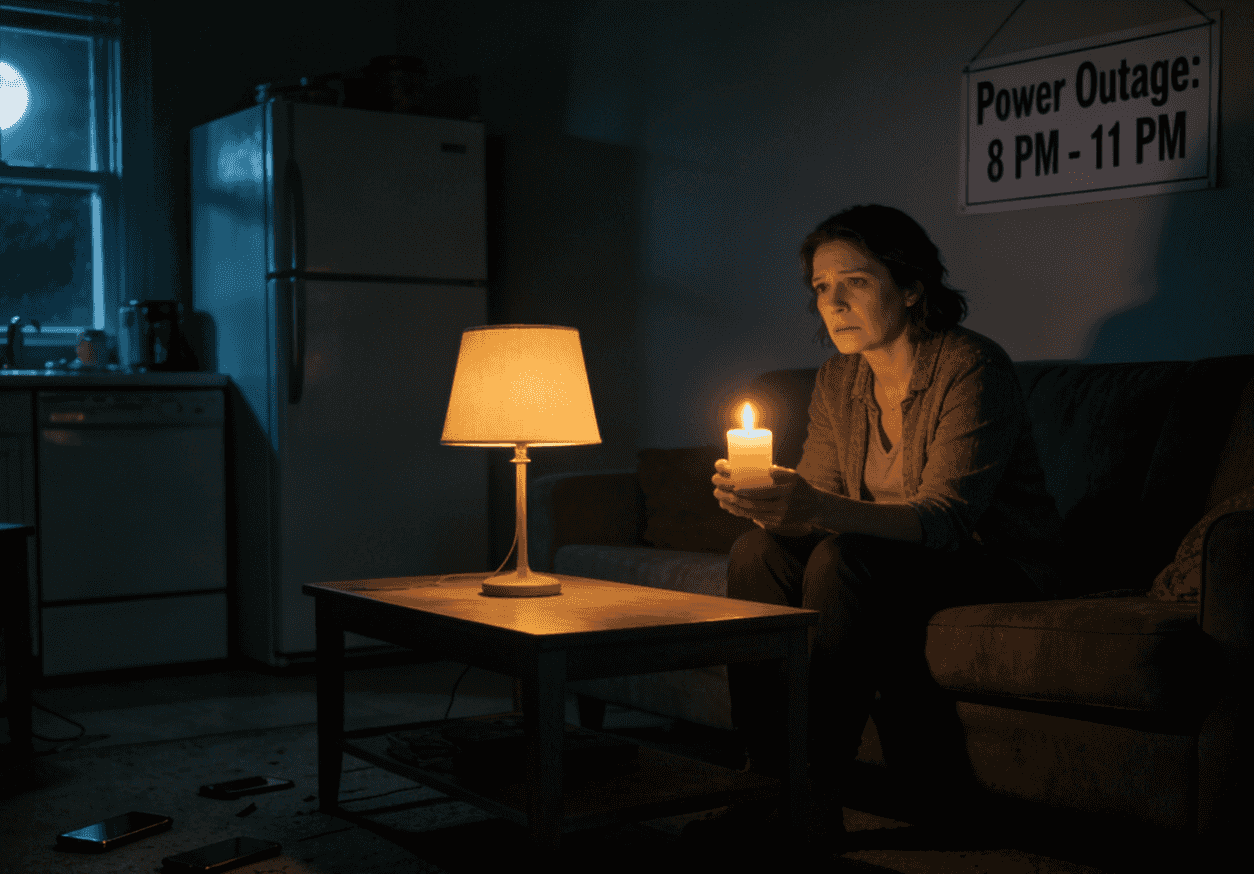
How to check power cuts in the UK in your area
When a power cut happens, the first thing you want is clear information. Instead of guessing, there are simple ways to check what's going on in your area and how long it might take to fix.
Use the live power cut map
Most electricity network operators in the UK provide a live outage map on their websites. You just enter your postcode, and it shows if there's a known issue in your area. It also gives updates on the cause and estimated restoration time, so you're not left in the dark.
Call the UK power cut helpline (105)
You can dial 105 from any phone in the UK to report a power cut or get updates. It's a free number and connects you directly to your local network operator. This is especially useful if you don't have internet access or need quick information.
Identify your local network operator
Your electricity isn't supplied by your energy company during a fault; it's handled by a local network operator. Knowing who they are helps you get accurate updates faster. You can find them through your electricity bill or by using online tools that match your postcode to the correct operator.
What causes power cuts in the UK?
Power blackouts in the UK often occur for several typical reasons. Some of these outages are scheduled, but many result from outside factors or technical problems that impact the electric system. Knowing these reasons helps people to be more ready and knowledgeable.
Weather-related damage
The weather is a major reason for power cuts in the UK. Strong winds and storms can knock over trees or branches, which then fall on overhead power lines and damage them. Snow and ice can build up on electrical wires, adding weight and creating more strain on the system. In severe cases, this can cause wires to break or equipment to fail, which leads to electricity outages.
Equipment failures
Sometimes, outages occur due to issues in the power supply system. Damaged wires or troubles at power stations can disrupt electricity delivery to houses and companies. In several places, old structures also play a role, as outdated equipment becomes less dependable over time and is more prone to breaking down suddenly.
Planned Maintenance
Not all power blackouts in the UK are unexpected. Some are planned in advance to improve the overall reliability of the grid. During scheduled maintenance, engineers may temporarily switch off power to safely upgrade equipment or fix known issues. These outages are usually announced beforehand, so people have time to prepare.
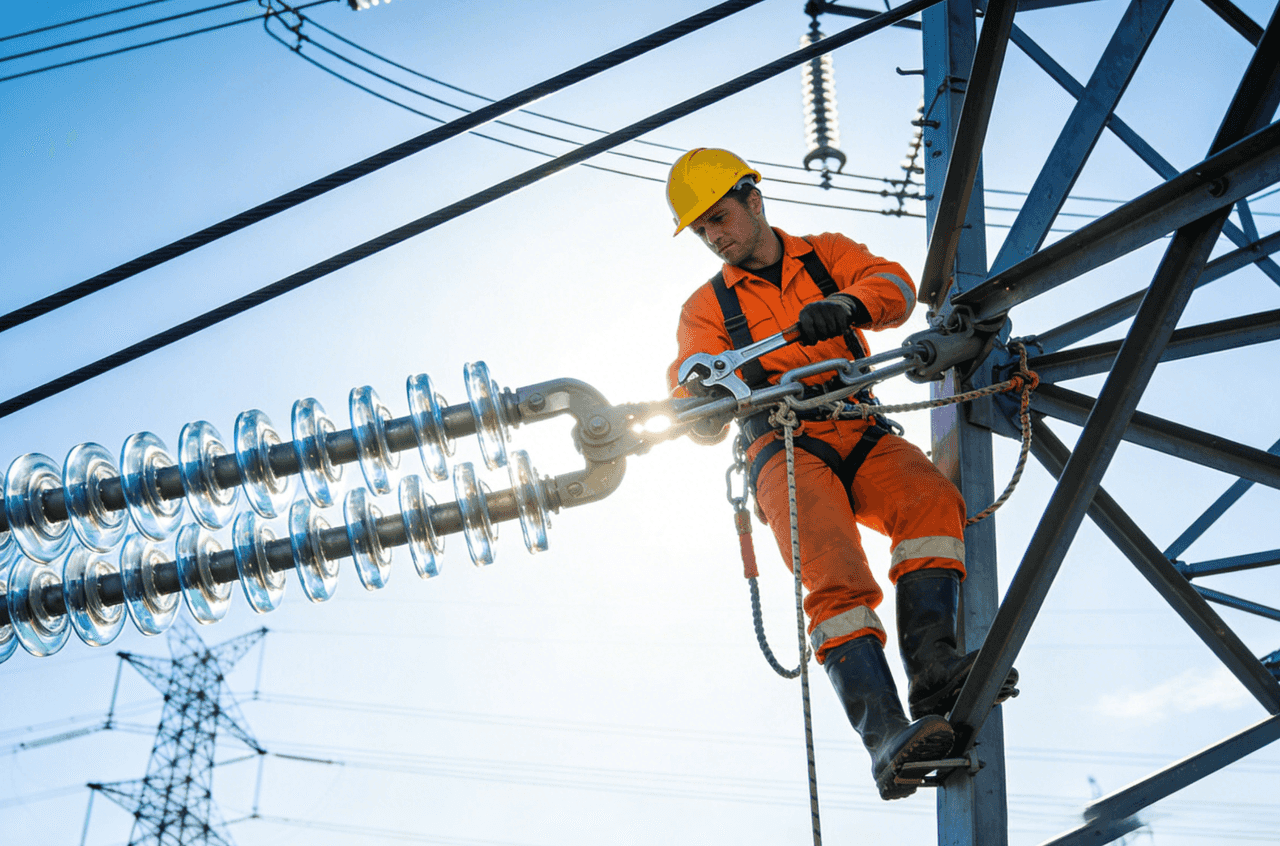
What to do during a power cut in the UK
Power cuts can feel stressful, especially when they happen suddenly. But knowing what to do in the moment can make a big difference. A few simple actions can help you stay safe, protect your belongings, and handle the situation calmly until power returns.
Check if it's a local issue
Start by checking whether the outage is just in your home or affecting the whole area. Look outside to see if streetlights or nearby houses are also without power. You can also contact your provider or use online tools to confirm if it's a wider issue.
Protect your electrical devices
Unplug important appliances like TVs, computers, and kitchen equipment. This helps protect devices from damage caused by power surges when the electricity is restored. Keep one light switched on so you'll know when power is restored.
Preserve food and essentials
Make sure to keep the doors of your fridge and freezer shut as much as you can. This helps keep the inside cold and keeps your food from spoiling too soon. If the power is still out, don't open it unless you really have to.
Stay safe and support others
Use flashlights instead of candles to lower the risk of fire, especially in homes with children or pets. Check on elderly neighbours or anyone who might need extra help. Staying calm and looking out for others makes the situation easier for everyone.
Use a portable power station
When the power goes out, having a reliable backup source can make things much easier. This is where portable power stations come in. Brands like EcoFlow offer practical solutions that keep your essentials running without noise or fuel, making them a smart choice for power failure in the UK.
A portable power station gives you instant backup electricity when the grid fails. You can use it to keep lights on, charge phones, run Wi-Fi, or even power small appliances. Unlike traditional generators, they are quiet, safe to use indoors, and easy to set up, which makes them ideal for everyday emergencies.
Outdoor-ready backup power: EcoFlow DELTA 3 Classic (1024Wh)
The EcoFlow DELTA 3 Classic is a compact and powerful portable power station, ideal for everyday backup during short power outages and especially suited for outdoor use and mobile power needs. It offers a 1024Wh capacity and 1800W AC output (3600W surge), capable of powering small appliances such as mini fridges, lights, and select cooking devices (within power limits).
Its X-Boost technology, up to 2400W, allows high-demand devices to run smoothly, while dual AC outlets and multiple USB ports, including a 100W USB-C, provide versatile charging for phones, tablets, and laptops.
This model also features fast recharging, reaching 0–80% in just 45 minutes via its 1400W AC input, and supports solar input up to 500W as well as generator compatibility, giving you flexible charging options wherever you are—whether outdoors, on the move, or during emergencies.
The station's compact dimensions (398 × 200 × 283 mm) and light weight (12.1 kg) make it easy to carry, making it a practical choice for outdoor use during power cuts, such as powering lights, routers, or small appliances in gardens, balconies, or other temporary outdoor setups when indoor electricity is unavailable.
Built with long-lasting LFP battery chemistry, it ensures up to 10 years of operational lifespan. Smart features like Wi-Fi, Bluetooth, and app control let you monitor and manage your energy use efficiently, while its quiet and stable operation makes it perfect for extended off-grid situations.
High-capacity home backup: EcoFlow DELTA 3 Max Series (2048Wh)
The EcoFlow DELTA 3 Max Series is designed for high-capacity home backup, delivering a 2048Wh capacity and up to 3000W AC output (6000W surge in the Plus model). It can simultaneously power multiple high-wattage appliances through four AC outlets and a variety of USB and DC ports, making it ideal for larger homes or longer power outages. Its X-Boost and X-Fusion technologies optimise performance for energy-intensive devices.
This series supports fast 2300W AC charging, solar input up to 1000W, generator use, and even vehicle charging, ensuring versatile and reliable recharging options. Despite its high output, it maintains a practical size and weight (20–22 kg) with a refined design available in multiple colours.
The Max series uses LFP battery chemistry for extended cycle life and stable operation. The Plus model also allows expandable capacity up to 10kWh, making it suitable for longer usage scenarios or powering multiple devices at once. Its advanced technology ensures safe, quiet, and dependable performance, ideal for homes facing frequent or prolonged power cuts.
How to prepare for power cuts in the UK
Managing power outages becomes simpler with prior preparation. Being prepared in advance can make things less stressful and help your home function properly when the power goes out. These straightforward actions assist you in being prepared for both brief and extended electricity blackout in the UK.
Build an emergency kit
Create a simple emergency kit that includes important items such as flashlights, extra batteries, a portable charger, bottled water, and long-lasting food. Store it in a spot that's easy to locate so you won't be looking around in the dark. It's also helpful to have a first aid kit and some cozy blankets, particularly when the power goes out in winter.
Backup power and communication
Make sure you have backup options to keep your phone charged and stay connected. Portable power stations or fully charged power banks can help you run small devices. Keep a list of important numbers written down, so you can still access them if your phone battery runs low.
Stay informed
Keep track of updates from your local electricity network operator. You can use mobile apps, websites, or radio to get the latest information about outages and restoration times. Staying informed helps you make better decisions and avoid unnecessary panic.
Priority services registered in the UK
In the UK, there is a special support system called the Priority Services Register (PSR) designed to help vulnerable households during power cuts. It ensures that people who may need extra care or assistance are not left struggling during an outage. Registering is free and can be done through your local electricity network operator or energy supplier, making it an important step for those who qualify.
Who Qualifies
The Priority Services Register is available for people who may find power cuts more challenging than others. This includes elderly individuals who may need extra support during emergencies. People with disabilities or medical conditions that rely on electrical equipment, such as oxygen machines, are also eligible. In addition, families with very young children can register, as power cuts can affect heating, lighting, and food preparation, which are essential for their care.
Benefits
Being on the Priority Services Register means you receive extra help when a power cut happens. This can include priority support to restore power or regular updates about the situation. You may also get additional assistance, such as welfare checks, alternative heating or cooking options, and clearer communication in a format that suits your needs. This support helps reduce stress and ensures safety during unexpected outages.
How to report a power cut in the UK
If you experience a power cut in England, reporting it quickly helps electricity providers respond faster and fix the issue. The UK has simple and accessible ways to report outages, whether you prefer using the internet or making a quick call.
Report online
Most UK network operators have official websites where you can report a power cut. You just need to enter your postcode and a few details about the issue. This method is useful if you want to track updates, see estimated repair times, and check if the problem has already been reported in your area.
Report by phone
You can also report a power cut by calling 105, the UK's free helpline for electricity emergencies. It connects you directly to your local network operator. This is the best option if you don't have internet access or need to report the issue quickly and speak to someone for immediate guidance.
Safety tips during extended power cuts
Extended power cuts can be more challenging, especially during cold weather or at night. Staying safe becomes the priority, and a few careful steps can help you avoid risks and stay comfortable until power is restored.
Staying warm
Wear multiple layers of clothing and use blankets to keep body heat in. Try to stay in one room and close doors to trap warmth. If you have a safe alternative heat source, use it carefully and follow all safety guidelines.
Avoiding hazards
Avoid using candles if possible, as they can increase the risk of fire. Use torches or battery-powered lights instead. Never use outdoor equipment like gas stoves or generators inside the house, as they can produce dangerous fumes.
Community support
Stay connected with neighbours, especially those who may need extra help. Checking in on elderly people or families with young children can make a big difference. Supporting each other during longer outages helps everyone stay safer and more at ease.
Conclusion
Power cuts in the UK can be inconvenient, but being prepared makes them much easier to handle. Knowing the causes, checking updates, and having backups like EcoFlow power stations can keep your home running smoothly. Building an emergency kit, staying informed, and registering for priority services adds extra peace of mind. By following simple safety steps and supporting your community, you can stay safe and comfortable during any outage.
FAQs
Should I prepare for blackouts in the UK?
Yes, it's a good idea to prepare for blackouts in the UK, even though they are usually short. Having an emergency kit, backup power, and staying informed helps you manage unexpected outages safely. Planning ahead ensures you and your family remain comfortable and protected during any power cut.
How can I check if there's a power cut in my area?
You can check for a power cut in your area by using your local electricity network operator's live outage map or by calling the free UK helpline at 105. Entering your postcode online or speaking directly to your provider gives updates on the outage and estimated restoration times.
How long do power cuts last in the UK?
In the UK, most power cuts are short and usually last less than a few hours. Planned outages may be scheduled for a specific time, while unplanned outages can vary depending on the cause, weather, or equipment issues. Severe storms or infrastructure problems can sometimes make outages last longer.