How Long Will Food Last In A Freezer Without Power? A Complete Guide
When the power goes out, one of the first concerns is how quickly your frozen food will begin to thaw. Many people wonder how long food will last in a freezer without power, especially during unexpected outages that can stretch for hours or even days. While a closed freezer can keep food safe for a limited time, that window depends on factors like how full it is, the surrounding temperature, and how often the door is opened.
Knowing these limits can help you act quickly and avoid unnecessary food waste. In some cases, having backup options such as portable power stations can offer an extra layer of protection, keeping your freezer running long enough to preserve what matters most.
Why does power loss affect freezer food?
Power loss disrupts the continuous low-temperature environment that freezers rely on to preserve food. As the internal temperature begins to rise, ice crystals within frozen items start to melt, which can alter texture and quality. This fluctuation also creates conditions where bacteria can gradually become active, especially if the outage is prolonged. Even partial thawing followed by refreezing may degrade flavor and nutritional value. Essentially, consistency in cold storage is crucial, and interruptions compromise both safety and freshness.
General timelines for food safety without power
Understanding how long a freezer will last without power is essential for preventing unnecessary food waste and potential health risks. While freezers are designed to retain cold air efficiently, their effectiveness depends on several external and internal factors. Let's break down what typically happens during an outage and how long your food remains safe.
Freezers kept closed
Keeping the freezer door shut is one of the most effective ways to preserve internal temperature during an outage. Every time the door opens, cold air escapes and accelerates warming, reducing how long food can stay in the freezer without power. A fully stocked freezer acts like a thermal mass, retaining cold far more efficiently than a sparsely filled one. In contrast, a half-empty unit loses its chill quicker due to increased air circulation inside.
Typical safe durations
In general, a full freezer can maintain safe temperatures for approximately 24–48 hours if left unopened. A half-full freezer, however, typically holds safe conditions for closer to 24 hours, depending on insulation quality. These estimates help answer how long a freezer lasts without power under normal circumstances. External factors such as ambient temperature and freezer build quality can significantly influence these timeframes.
When does food start to spoil?
Food spoilage begins as internal temperatures rise beyond safe thresholds, particularly for highly perishable items like meat. If you're wondering how long meat will last in a freezer without power, it often deteriorates faster than other foods once thawing begins. The presence of melting ice crystals is a clear indicator that temperatures are increasing. Once temperatures climb above 18°C, bacterial activity accelerates, increasing the risk of contamination.
Food safety tips during power cuts
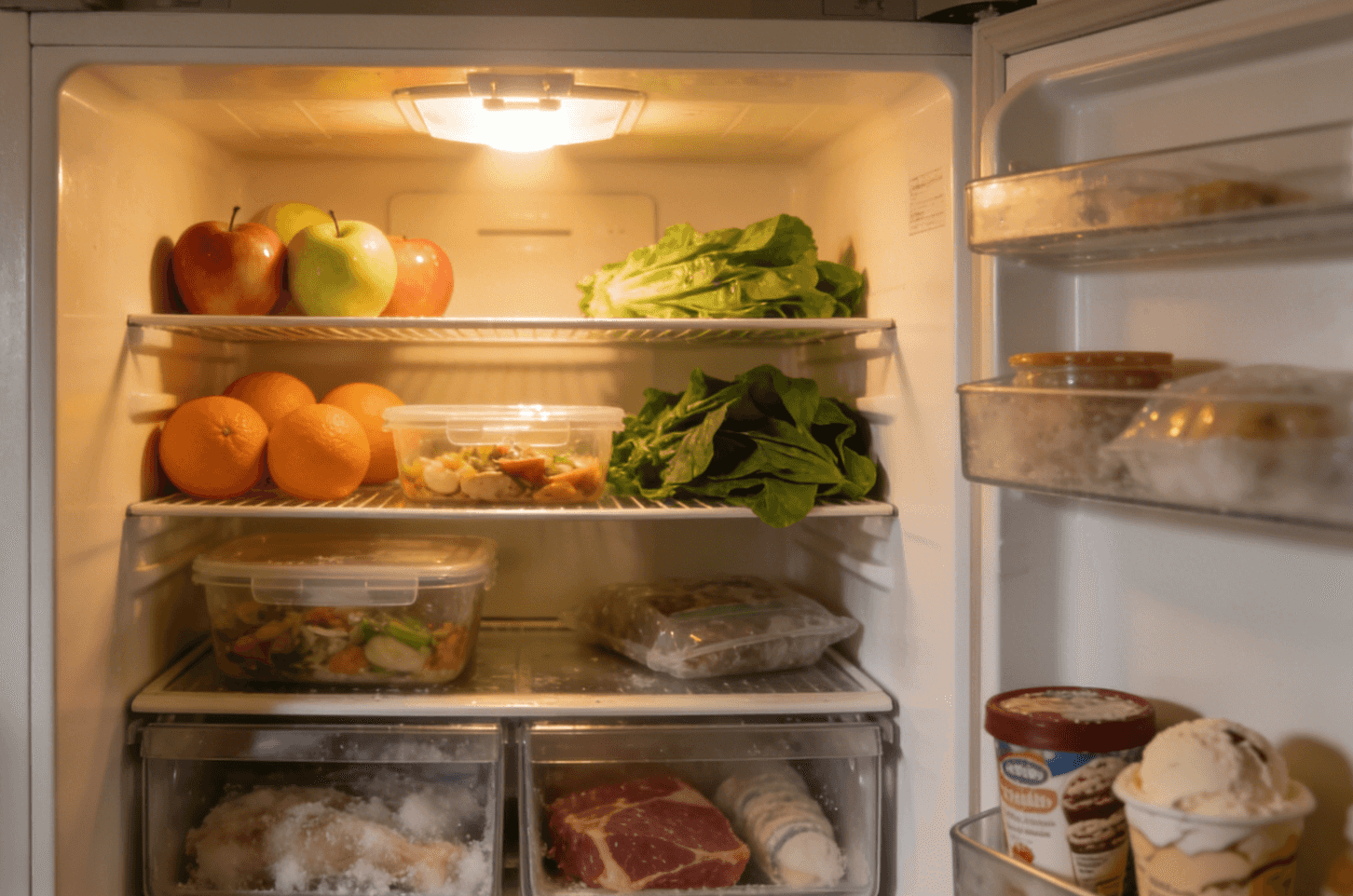
Knowing how long food can last in a freezer without power is helpful, but proactive measures during an outage can make a significant difference. Rather than relying solely on passive cooling, these strategies focus on preserving food quality through smarter handling. A little preparation and awareness can go a long way in minimizing losses.
Keep the freezer door closed
Think of your freezer as a sealed cold reservoir that performs best when undisturbed. Limiting access prevents unnecessary exposure to warmer air, which can silently compromise stored items. This habit directly influences how long food lasts in the freezer without power, especially during extended outages. Treat it as a "look but don't touch" situation unless necessary.
Group items together
Arranging frozen items closely together helps them retain cold more efficiently through shared thermal mass. When food is clustered, it slows down the warming process compared to items spread apart. This simple approach can extend how long food will last in the freezer without power by maintaining lower temperatures for longer durations.
Use ice packs or dry ice
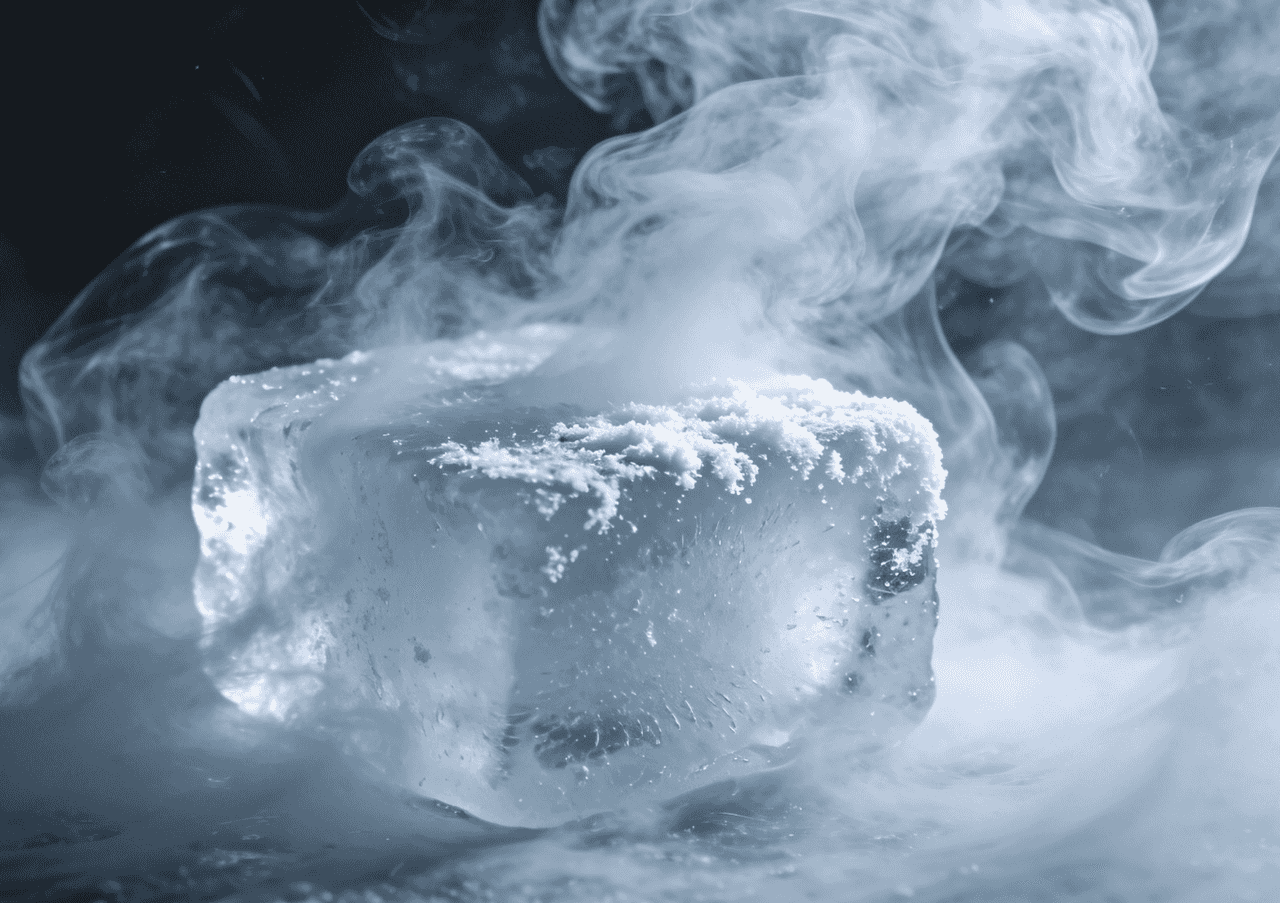
Introducing external cooling elements, such as dry ice, adds an extra layer of temperature control. These materials can sustain freezing conditions even when the appliance itself is inactive. Strategically placing them enhances overall cooling efficiency and supports how long food will last in the freezer without power. It's especially useful during prolonged outages where passive methods fall short.
Monitor temperature
Rather than guessing, tracking internal conditions gives you a clearer picture of food safety. A thermometer helps identify critical thresholds before spoilage becomes visible. This allows for timely decisions, such as cooking or discarding items when necessary. Staying informed reduces uncertainty and helps you manage food more confidently during disruptions.
Using backup power to protect freezer food
One of the best ways to extend food longevity during an outage is to use an EcoFlow portable power station. These units provide temporary power to run critical appliances like freezers (depending on their power requirements), helping keep food safe for longer.
Keep freezer food safe during outages: EcoFlow DELTA 2
The EcoFlow DELTA 2 portable power station features a 1024Wh capacity, delivering reliable energy for home backup during outages as well as outdoor use. It offers 1800W AC output (2700W surge) across four outlets, with X-Boost technology allowing compatibility with devices rated up to 2400W (by lowering voltage when necessary). A wide selection of ports—including USB-A, fast-charge USB-A, USB-C (up to 100W), car power output, and DC5521—ensures compatibility with multiple devices simultaneously. Its compact design (400 × 211 × 281 mm) and manageable 12 kg weight make it easy to transport without compromising performance.
Designed for flexibility, the DELTA 2 supports 1200W AC charging, up to 500W solar input, and car charging compatibility for 12V/24V batteries. Built with durable LFP (LiFePO4) battery chemistry, it delivers around 3000 cycles to 80% capacity, ensuring long-term usability.
It also supports expandable capacity with additional batteries for extended power needs. With integrated Wi-Fi and Bluetooth connectivity, users can conveniently monitor and control the unit through a smart app for a more seamless energy management experience. This makes it suitable for powering a freezer during short-term outages, helping extend food preservation time.
Power your freezer for longer outages: EcoFlow DELTA 2 Max
The EcoFlow DELTA 2 Max portable power station is built for high-capacity energy needs, offering a substantial 2048Wh capacity with a robust 2400W AC output (4800W surge). With X-Boost technology allowing compatibility with devices rated up to 3100W, it can power appliances like refrigerators and freezers, while its large battery capacity helps keep them running longer to reduce food spoilage during outages.
The unit includes four AC outlets, multiple USB-A and USB-C ports, and DC outputs, ensuring versatile connectivity for different devices. Its well-structured design and solid build make it suitable for both home backup and outdoor applications.
In terms of recharging, it features 2300W X-stream fast AC charging, along with flexible solar input options of up to 1000W using dual ports. It also supports car charging for added convenience during travel. Powered by LFP battery chemistry, it delivers around 3000 cycles to 80% capacity, ensuring long-term reliability.
How outside conditions affect food longevity
External environmental factors play a far more influential role in food preservation than many people anticipate. The surrounding temperature can either accelerate deterioration or subtly prolong freshness during a power outage. Recognizing these variations helps you better anticipate changes inside your freezer.
Warmer ambient temperatures
When surrounding conditions are warm, heat gradually seeps into the freezer, even if it remains shut. This external pressure shortens how long the freezer will last without power, as the appliance struggles to retain its internal chill. Elevated temperatures can also cause uneven thawing, where some items soften faster than others. In such scenarios, food quality declines more rapidly, requiring closer attention.
Cold weather helps
Cooler outdoor conditions can act as a natural advantage during power interruptions. Lower ambient temperatures slow down the warming process inside the freezer, effectively extending how long freezer food will last without power. In some cases, transferring items to a sheltered outdoor space can help preserve them further. This added buffer provides more flexibility when managing food during outages.
When is freezer food still safe to eat?
Estimating how long a freezer can be without power gives a rough guideline, but real decisions depend on interpreting specific food conditions. Instead of focusing on time or temperature again, this section emphasizes practical judgment cues.
Ice crystals present
Visible frost within food packaging often indicates that the item hasn't fully transitioned out of its frozen state. This partial preservation helps maintain structural integrity, especially for dense foods. While not a guarantee of quality, it suggests limited exposure to complete thawing.
Smell and texture tests
Changes in aroma or surface consistency can reveal subtle degradation that isn't immediately visible. A sour scent or unusual stickiness may indicate early-stage breakdown. These sensory shifts act as warning signals, helping you identify items that are no longer suitable.
High-risk items
Certain categories, such as protein-rich foods, react more sensitively to environmental changes. If you're unsure how long meat will last in the freezer without power, it's important to note that these items are less forgiving than frozen vegetables or bread. Their composition makes them more vulnerable to quality loss.
What to do if food thaws?
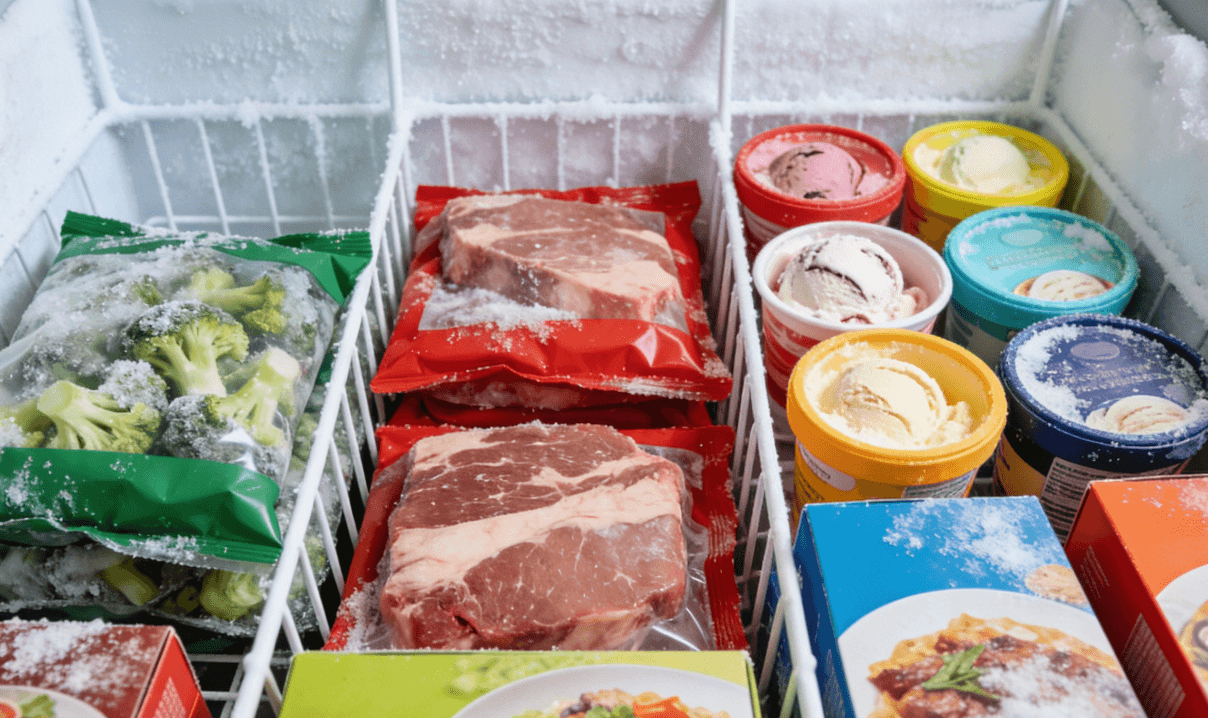
When power is restored or food begins to soften, timely action becomes critical. The way you respond can determine whether items are salvageable or should be discarded. Taking the right steps at the right moment can help you manage the situation effectively.
If partially thawed but still cold, cook quickly
Items that have softened but not fully defrosted can be redirected for immediate use. Preparing them promptly helps retain their usability before further deterioration occurs. This approach is especially useful for meal planning during outages.
Only refreeze if still cold and safe internally
Some foods can be returned to the freezer if their core condition remains stable. This decision depends on their internal state rather than surface appearance. Choosing to refreeze selectively helps avoid unnecessary disposal.
Avoid refreezing spoiled food
Once food shows definitive signs of decline, attempting to preserve it further is ineffective. Refreezing in such cases does not restore usability and may create future safety concerns. Recognizing when to let go is an important part of responsible food handling.
Conclusion
In conclusion, power outages can quickly challenge the stability of frozen food, but understanding how long food will last in a freezer without power helps you respond more effectively. From managing internal conditions to recognizing subtle quality indicators, each step reduces unnecessary waste. External temperatures, storage habits, and timely decisions all influence outcomes during interruptions. Incorporating backup power solutions adds an extra layer of protection for long-term reliability. With the right knowledge, you can handle outages confidently while preserving both food safety and quality.
FAQs
How long before food goes bad in the freezer without power?
The rate at which food deteriorates depends on how well the cold environment is maintained after power loss. Items stored in optimal conditions may remain usable for a limited window before quality begins to decline. Denser, well-frozen goods tend to hold up better than loosely stored items. Careful assessment is essential before deciding whether to keep or discard them.
What if my freezer were off for 3 days?
After three days without power, most frozen items are likely to have undergone significant changes. At this stage, evaluating each item individually becomes necessary rather than relying on general assumptions. Foods that show clear signs of breakdown should be discarded immediately. Prioritizing safety over recovery is the most sensible approach in such situations.
Does a full freezer last longer than an empty one?
A well-stocked freezer tends to maintain its internal conditions more effectively due to reduced air gaps. The stored items collectively help stabilize the internal environment, slowing down changes. In contrast, an emptier unit is more susceptible to rapid fluctuations. This makes stocking levels an important factor in overall preservation efficiency.