Plug-In Solar Panel Kits Explained: Setup, Types, and What to Expect
- What is a plug-in solar panel kit
- How a plug-in solar panel kit works
- What is included in a plug-and-play solar panel kit
- Types of plug-in solar panel kits
- How to choose the right plug-in solar panel kit
- How to install a plug-in solar panel kit
- Common mistakes to avoid with plug-and-play solar kits
- Conclusion
- FAQs
Plug-in solar panel kits provide a simple and accessible way to generate clean electricity without the need for complex installations. These compact solar systems are designed for quick setup, making them suitable for homes, flats, and small outdoor spaces. Growing interest in plug-in solar solutions has encouraged wider adoption for flexible and independent energy use. While regulations and safety standards may vary by region, ongoing updates aim to make these systems safer and easier to use.
When properly set up, modern plug-in solar panel kits can provide consistent energy support for everyday devices and help reduce reliance on traditional power sources. Understanding key aspects such as system types, setup requirements, power output, and safety considerations will help you choose a kit that fits your energy needs while ensuring efficient and reliable performance.
What is a plug-in solar panel kit
A plug-in solar panel kit is a small, ready-to-use energy solution that converts sunlight into usable electricity through a simple connection. It typically includes panels, a microinverter, and a plug that feeds power into a home’s electrical system. The system is designed for efficient energy generation while maintaining compliance with electrical safety standards, and it must be installed and connected by a qualified electrician to ensure safe integration with the home’s wiring and grid requirements.
In the UK, plug-in solar technology is also gaining policy attention as part of wider efforts to accelerate clean energy adoption and strengthen energy security. According to the UK government's latest energy strategy update, there is a push to "go further and faster" in supporting decentralized renewable energy solutions, including enabling wider access to small-scale solar technologies in homes. You can review the full government update here: Government to go further and faster in becoming energy secure.

How a plug-in solar panel kit works
A plug-in solar panel kit works by capturing sunlight through its panels and turning it into electricity. This energy is then changed into usable power by a microinverter, making it suitable for home use. The system sends this power into your home through a compatible socket.
Once connected, the electricity helps run small appliances like fans, lights, or chargers during the day. Any energy used instantly reduces the amount you take from the main grid. This simple process helps you save energy while using a clean and renewable source.
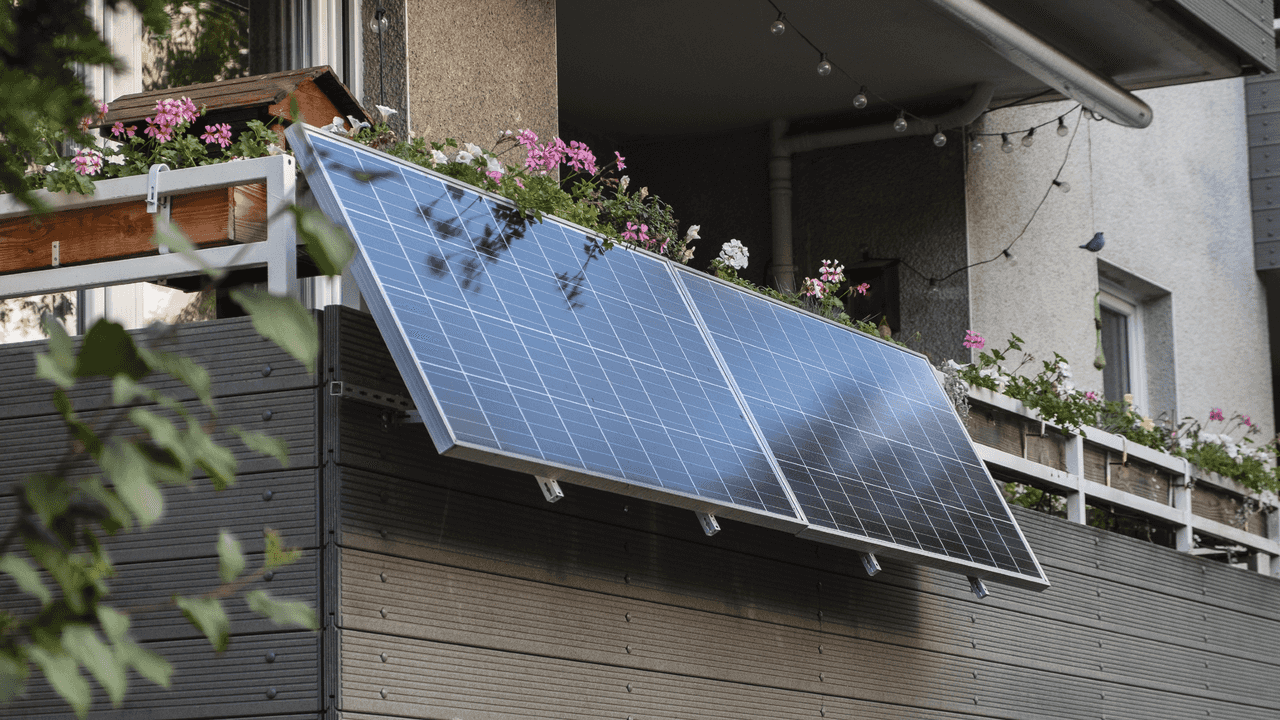
What is included in a plug-and-play solar panel kit
Before choosing plug-and-play solar panel kits, it is important to understand what comes inside the package. Each component plays a key role in generating and delivering electricity safely. Knowing these parts helps you use the system more effectively and with confidence.
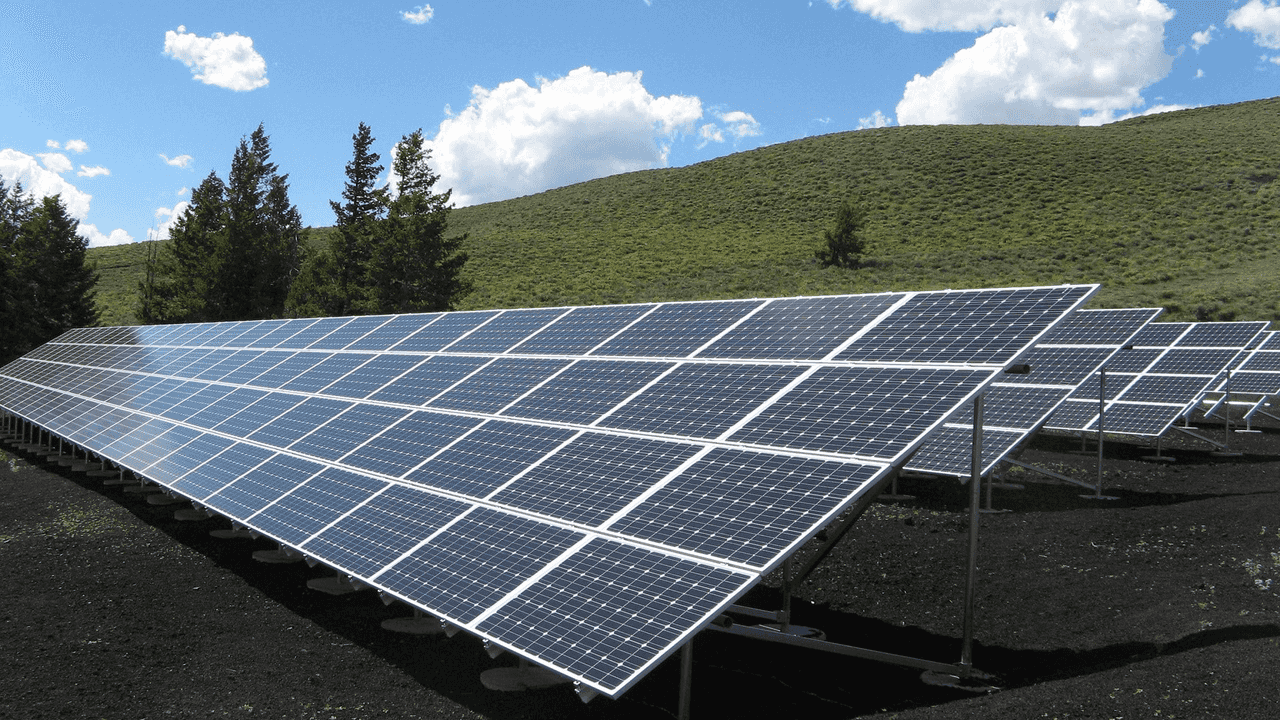
Solar panels
Solar panels capture sunlight and convert it into direct electrical energy efficiently. They are the main part of the system that starts the power generation process smoothly. Their performance depends on how much sunlight they receive during the day.
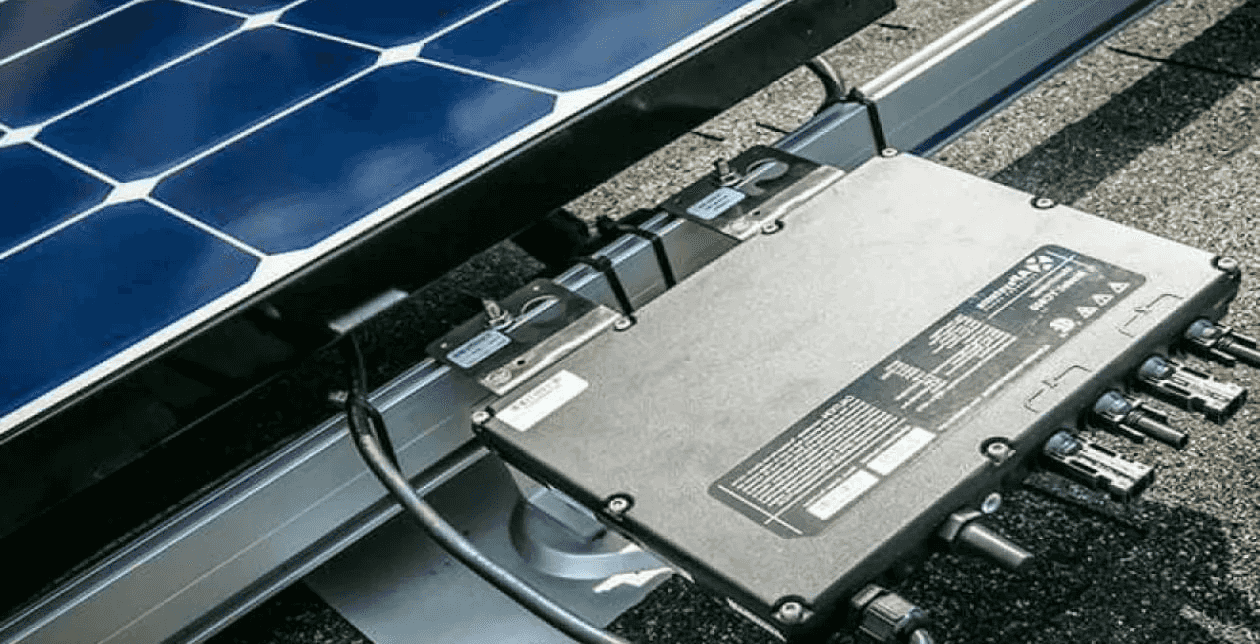
Microinverter
The microinverter in plug & play solar kits changes the electricity from the panels into a usable alternating current form for home use. It ensures the power is safe and compatible with household appliances. This step is important for smooth and stable energy flow.
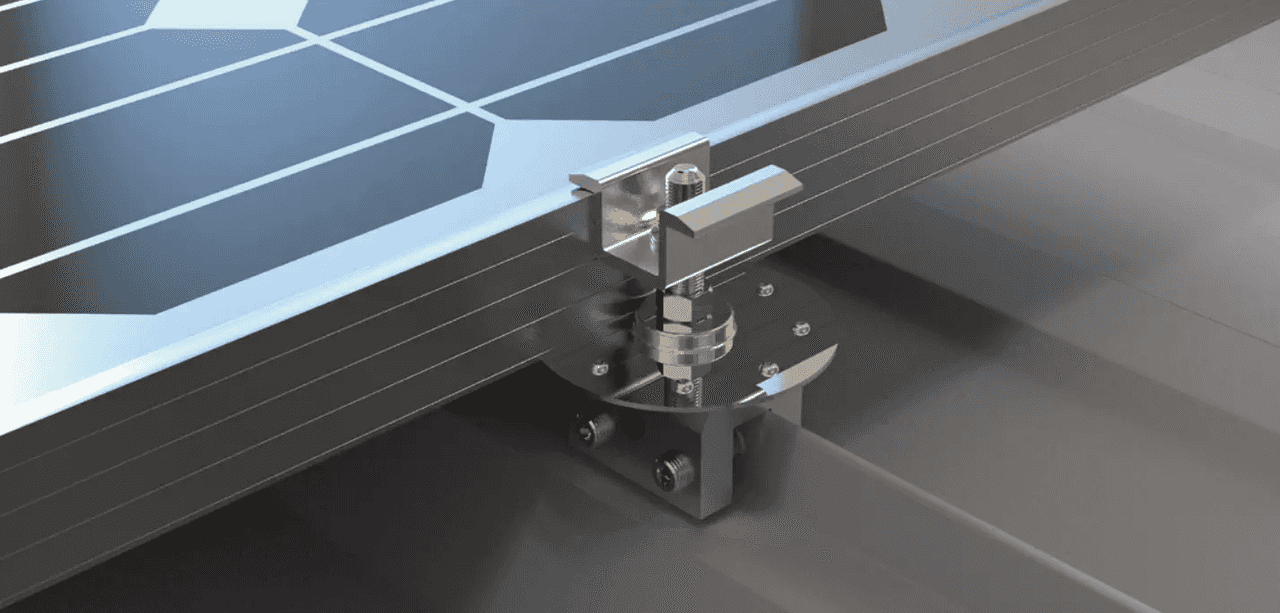
Mounting hardware and brackets
Mounting hardware and brackets are used to securely fix the solar panels in place. They help keep the system stable on balconies, roofs, or open spaces. Strong support ensures the panels stay secure in different weather conditions.
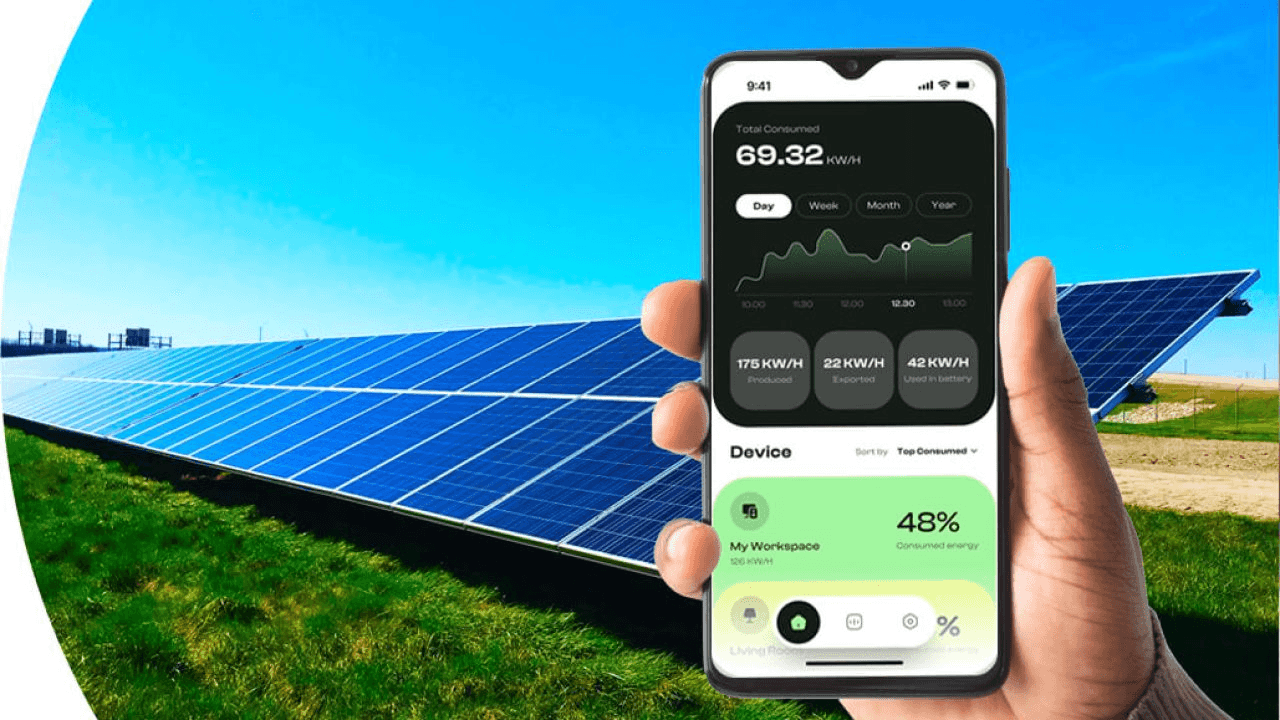
AC cable and monitoring app
The AC cable in a kit solar plug and play connects the system directly to your home's power socket. It enables generated electricity to flow into your electrical system. The monitoring app helps you track energy production and understand daily performance easily.
Types of plug-in solar panel kits
Selecting the right plug-in solar panel kit is important because it directly affects your energy output and overall savings. Different systems are made to match various home setups, available space, and power requirements. Below are some common types of plug-in solar panel kits UK:
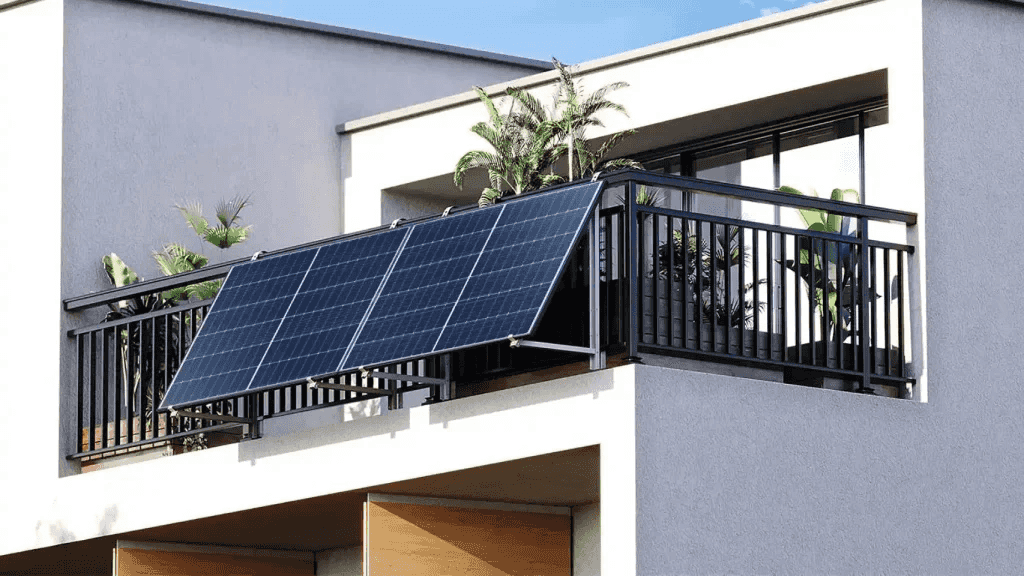
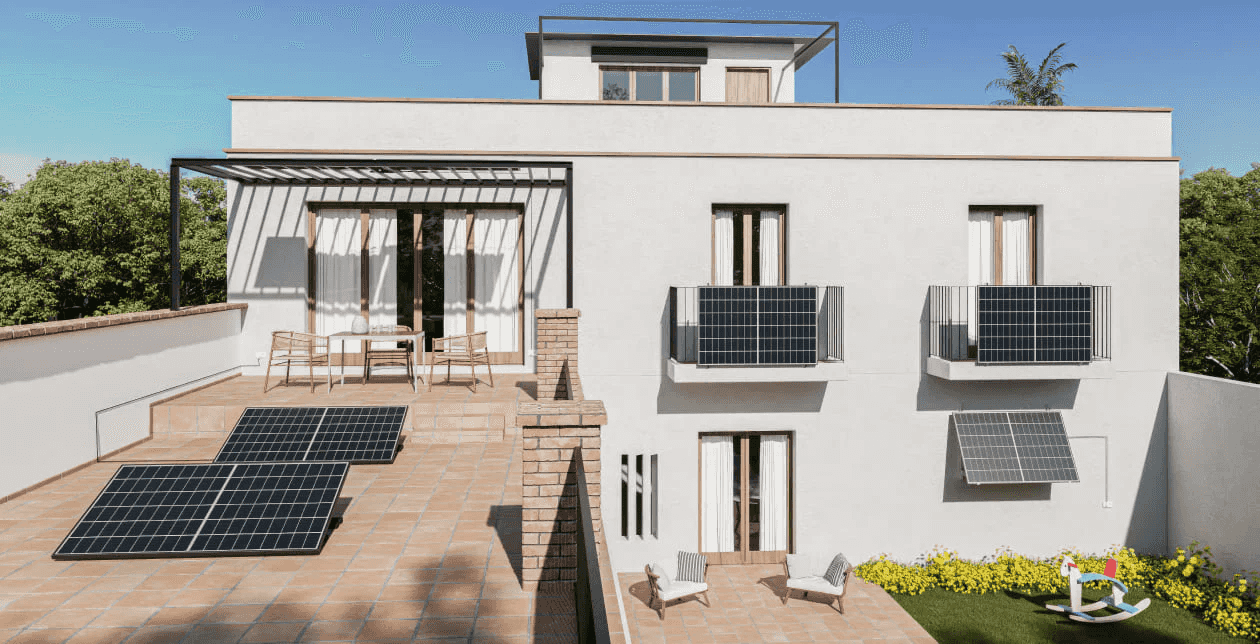
Balcony and railing kits
Balcony and railing solar kits are specially made for small homes and apartments with limited space. Installation is done on railings or walls without requiring roof access or heavy setup work. These systems generate enough electricity for basic daily use, such as lighting and charging small devices.
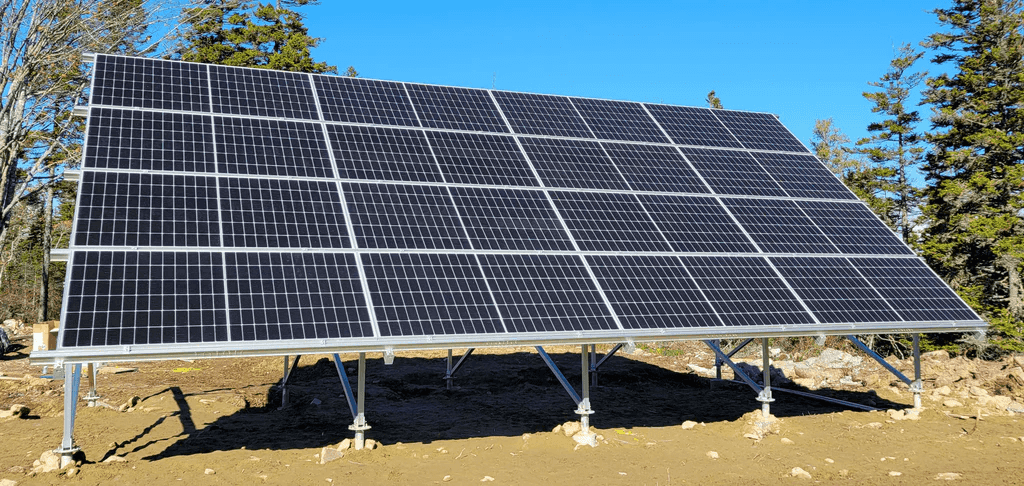
Ground mount kits
Ground mount plug & play solar kits are installed in open outdoor areas like gardens or yards where more space is available. Strong supporting frames help position the panels at the best angle for sunlight. Higher panel capacity enables these systems to produce more electricity for household use.
Flexible solar panel kits
Flexible solar panel kits are built with lightweight and bendable materials that can adjust to different surfaces. Easy installation makes them suitable for caravans, boats, and temporary setups without complex structures. Power output is moderate, making it ideal for portable or small energy needs.
Expandable modular kits
Expandable modular kits are designed to start small and grow as energy requirements increase over time. Additional panels can be added without replacing the existing system, making upgrades simple. This kit solar plug-and-play setup provides a practical long-term solution for flexible household energy planning.

How to choose the right plug-in solar panel kit
To choose the right plug-in solar panel kit, it is important to focus on key factors that influence overall performance and efficiency. Every home has different energy usage patterns, available space, and installation conditions. Here are key points to consider when selecting the most suitable system.
Wattage and daily output
Choosing the right kit starts with checking how much power it can produce each day. Higher wattage means more electricity for home use, like appliances and charging devices. Match the output with your daily energy needs to avoid overload or shortage.
Space and mounting surface
Available space decides where solar panels can be installed safely and effectively. Different surfaces like balconies, roofs, or gardens affect how much sunlight panels receive. Proper placement ensures better energy generation, especially for the kit solar flexible plug and play.
Safety certification (UL 3700 / UL 1741)
Safety certification ensures the solar kit meets proper electrical and installation standards. UL 3700 and UL 1741 are trusted certifications for safe performance and grid connection. Always choose certified systems to reduce risks and ensure reliable use.
Budget and payback period
The budget decides which plug-in solar panel kit fits your financial plan without extra pressure. It is also important to check how long it takes to recover the cost through electricity savings. A good system should balance upfront costs with long-term savings.
How to install a plug-in solar panel kit
Installing a plug-in solar panel kit is a straightforward process that can be completed without complex electrical work. Most systems come with essential components, making the setup more organized and user-friendly. Following proper steps ensures a safe connection and efficient energy production.
Picking the right location
Choosing the correct place is the first important step for plug-in solar panel kit installation. A spot with strong and direct sunlight helps the system work at its best efficiency. Balconies, roofs, or open gardens are usually preferred for better energy output.
Mounting and angling the panels
Solar panels need to be fixed securely on a stable surface before safe use. Proper angle adjustment helps capture more sunlight during the day for higher output. Good positioning improves overall energy production and system performance.
Connecting to the microinverter
Each panel is carefully linked to a microinverter that converts solar power into usable electricity. Connections should be tight, safe, and properly aligned for stable performance. This step ensures smooth and efficient energy conversion for home use.
Plugging into the outlet
After setup, the system is directly connected to a standard wall socket in your home. This enables the generated electricity to flow safely into the home circuit system. Once plugged in, a kit plug and play solar system starts supplying power automatically.
Setting up the monitoring app
Many modern plug-in kits include a mobile app for tracking energy production in real time. The app shows detailed performance data and daily electricity output easily. This helps users monitor efficiency and overall system health conveniently.
Common mistakes to avoid with plug-and-play solar kits
When selecting plug-and-play solar kits, small mistakes can greatly affect performance and long-term savings. Many users focus only on price and overlook important factors like quality, safety, and installation needs. Here are some common mistakes to avoid when choosing a plug-and-play solar kit.
Using a shared or non-dedicated circuit
Connecting a plug-and-play solar kit to a shared electrical circuit can reduce its performance. Overloaded circuits may also create safety risks or power interruptions. A dedicated outlet ensures stable and safe energy flow throughout the system.
Shading and poor panel placement
Placing solar panels in shaded areas reduces the amount of sunlight they can capture. Nearby buildings, trees, or walls can block light and lower efficiency. Proper placement in open sunlight helps generate better power output for a kit panel solar plug-and-play system.
Buying kits without safety certification
Choosing kits without proper safety certification can lead to unreliable performance and electrical risks. Certified systems follow tested standards for safe operation and durability. Always check approvals like UL before making a purchase.
Conclusion
To summarize, plug-in solar panel kits provide a simple and flexible way to produce clean energy at home without complex installation. Understanding the setup process, different kit types, and expected performance helps in making a smart and practical choice. Selecting the right system based on space, energy needs, and safety features ensures reliable results. High-quality components and proper placement improve overall efficiency and daily output. With careful use and planning, these kits can support energy savings while providing a convenient solar solution.
FAQs
How long do plug-in
solar panel kits last?
Plug-in solar panel kits usually last between 20 and 25 years with proper care and maintenance. Panels keep working over time but may produce slightly less energy as they age. Inverters and other parts may need replacement earlier for smooth performance.
Do plug-in solar panel kits work without batteries?
Plug-in solar panel kits can work without batteries by supplying power directly to your home. Electricity is used instantly when the system is producing energy during daylight hours. However, without storage, extra power cannot be saved for night use.
Can plug-and-play solar kits power a house?
Plug-and-play solar kits are mainly designed for small energy needs, not for running a full house. They can support basic appliances like lights, fans, or charging devices. Larger systems are required to handle the full household electricity demand.
Are plug-in solar panel kits in the UK legal?
Plug-in solar panel kits are allowed in the UK, but they must meet safety and grid connection rules. Proper certifications and approved equipment are important for legal use. It is always recommended to follow local regulations and installation guidelines.