Plug In Solar Reviews 2026: Real User Experiences and Expert Breakdown
- What is a plug-in solar system
- Real user ratings and what they cover
- Top plug-in solar systems reviewed
- What buyers praise most in plug-in solar reviews
- What buyers complain about most in plug-in solar reviews
- Plug-in solar with battery vs without
- Who plug in solar works best according to reviews
- Plug-in solar kits reviews: Red flags to watch
- Conclusion
- FAQs
Plug-in solar system reviews have become an important reference point for anyone considering small-scale solar solutions at home. With growing interest in alternative energy, more buyers are turning to real user experiences before making a decision. These insights help highlight what different systems feel like in everyday use rather than just on paper. From performance expectations to usability, reviews often shape how people evaluate their options. This guide brings together key observations to help you better understand what to look for before choosing a solar system.
What is a plug-in solar system
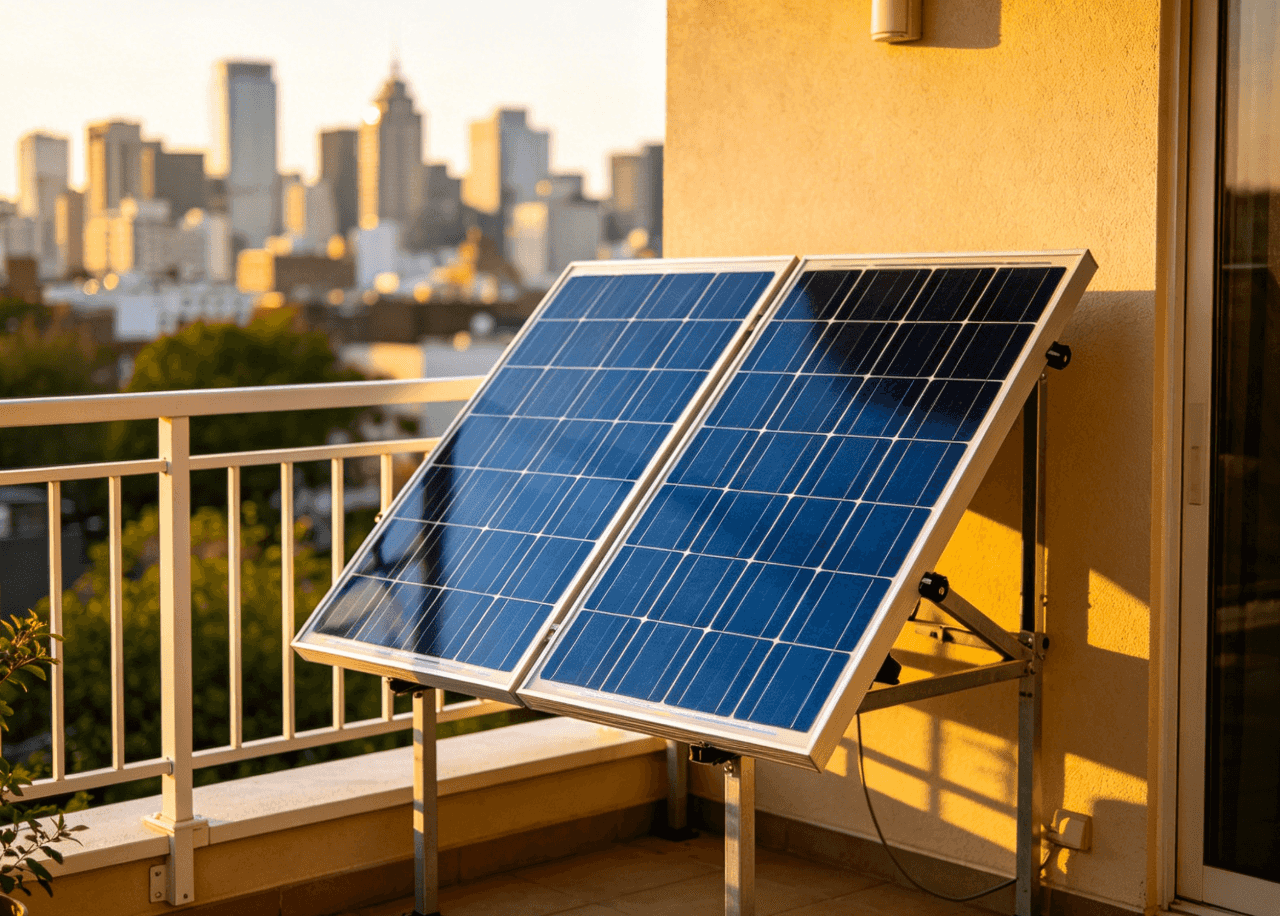
A plug-in solar system is a compact energy setup designed to generate electricity from sunlight and feed it directly into a home's power supply. It typically includes solar panels, a microinverter, and a connection point that links to household circuits. Unlike traditional installations, it focuses on simplicity and minimal setup requirements. These systems are often intended for small-scale energy use rather than full property electrification.
In 2026, the UK government announced plans to make plug-in solar panels available to households for the first time. However, a precise nationwide rollout timeline has not yet been fully detailed. According to the UK government's official announcement, plug-in solar panels are expected to become available for purchase in shops within months as part of broader energy security efforts.
For readers who want to review the official policy context, see the government announcement here: Government to go further and faster in becoming energy secure
Real user ratings and what they cover
Before relying on specifications alone, it's helpful to understand how products perform in real-world conditions. User feedback offers practical insights that highlight strengths and reveal potential limitations across everyday usage.
Ease of setup
Users often highlight how simple the system feels to use, especially plug-and-play designs that reduce installation complexity. The setup process is efficient when handled by a qualified electrician. Many appreciate the lower time and effort required for installation while ensuring safe and compliant integration with the home's electrical system.
Actual power output
Ratings in this area focus on whether the system delivers the performance it promises under real conditions. Users typically assess consistency, peak output handling, and how well the system supports everyday appliances. Feedback often reflects how efficiently energy is produced, stored, and distributed during practical use.
App and monitoring experience
Many plug-in solar reviews emphasize the importance of intuitive apps that allow users to track energy usage in real time. A well-designed interface with clear insights, remote control, and smart features significantly improves the overall experience. Systems with AI-based optimization and detailed analytics tend to receive more positive responses.
Customer support quality
User feedback in this category revolves around responsiveness, problem resolution, and overall service reliability. Quick assistance, clear guidance, and effective troubleshooting leave a strong impression on customers. Poor communication or delayed responses, on the other hand, often become a major point of criticism in reviews.
Top plug-in solar systems reviewed
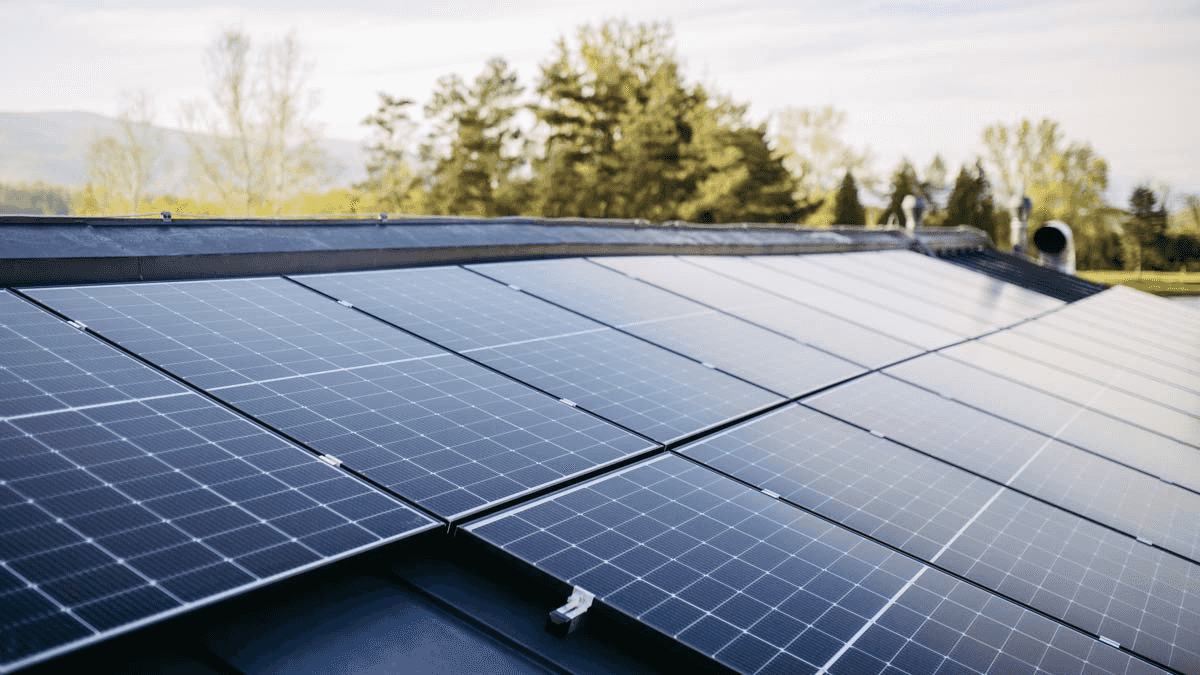
When exploring plug-in solar reviews, certain systems repeatedly surface due to their distinct features and user satisfaction. Rather than focusing solely on specifications, these options reflect how different designs cater to varying energy needs and preferences.
CraftStrom plug-and-play system
CraftStrom systems are known for their straightforward configuration and compliance with European standards. They typically include pre-matched components, which reduces compatibility concerns during setup. Reviews usually highlight their stable performance and suitability for small-scale residential use.
Plugged Solar grid tie kit
This system is frequently mentioned for its grid-tied capabilities and modular structure. It allows users to expand capacity gradually, making it adaptable to different energy needs. Many users value its balance between efficiency and scalability, particularly in controlled installations.
APsystems microinverter kits
APsystems kits are distinguished by their microinverter technology, which optimizes performance at the panel level. This approach helps maintain consistent output even when individual panels are affected by shading or orientation issues. Reviews often emphasize their technical reliability and long-term operational stability.
What buyers praise most in plug-in solar reviews
A close look at any plug-in solar review reveals patterns in what users consistently appreciate after real-world use. These highlights often go beyond specifications, focusing on convenience, efficiency, and everyday practicality.
Simple and efficient installation process
One of the most frequently mentioned advantages is the ease of setup, with users often describing the process as straightforward and efficient. The system is designed to reduce physical work such as drilling or complex wiring, making it simpler than traditional installations. At the same time, installation is carried out by a qualified electrician to ensure safe and compliant integration with the home's electrical system, which helps make the technology more accessible while maintaining proper safety standards.
Immediate reduction in grid draw
Many users notice a visible drop in their reliance on traditional electricity shortly after setup. Even small-scale systems can offset daytime consumption, especially for routine appliances. This immediate impact reinforces the practicality of adopting solar without waiting for long-term results.
Portable and renter-friendly design
Flexibility is another aspect that earns consistent praise among users. These systems can be moved, adjusted, or even relocated without permanent modifications to the property. This makes them particularly appealing to renters or those who prefer non-fixed energy solutions.
Real-time monitoring via app
Users appreciate having direct access to performance data through dedicated mobile applications. Being able to track generation, usage, and efficiency in real time adds a layer of control and awareness. This transparency helps users make informed decisions about their energy habits.
What buyers complain about most in plug-in solar reviews
While positive feedback highlights convenience, a detailed plug-in solar review also uncovers recurring concerns that users encounter over time. These criticisms often revolve around performance expectations, technical compatibility, and post-purchase experience.
Output lower than advertised
A common frustration arises when actual energy generation does not align with stated specifications. Factors such as weather conditions, panel positioning, and shading can significantly influence efficiency. As a result, users sometimes feel that real-world performance falls short of initial expectations.
Microinverter and panel mismatch
Some buyers report compatibility issues between panels and microinverters, which can limit overall system efficiency. When components are not optimally paired, energy conversion may become inconsistent or suboptimal. This mismatch can reduce performance and complicate troubleshooting for non-technical users.
Limited savings without battery
Without an integrated storage solution, excess electricity often goes unused rather than being stored for later consumption. This restricts the overall financial benefit, especially during periods of low household demand. Users frequently note that savings feel modest unless paired with a battery system.
Slow or unhelpful customer support
Customer service experiences can vary widely, with some users expressing dissatisfaction over delayed responses or unclear guidance. When technical issues arise, timely and effective assistance becomes crucial. A lack of responsive support can diminish trust and negatively impact the overall ownership experience.
Plug-in solar with battery vs without
User feedback often draws a clear distinction between systems paired with storage and those operating independently. Setups without a battery tend to satisfy users seeking simplicity and lower upfront costs, though they rely heavily on real-time energy usage during daylight hours.
In contrast, battery-integrated systems receive higher satisfaction for their ability to store surplus electricity, enabling usage beyond sunlight hours and enhancing overall efficiency. However, this added convenience comes with increased investment, which some users weigh carefully against long-term benefits.
Who plug in solar works best according to reviews
Plug-in solar review suggests that plug-in solar solutions are particularly well-suited for individuals prioritizing flexibility over full-scale energy independence. Renters and apartment dwellers occasionally find these systems appealing due to their non-permanent nature and ease of relocation. They also resonate with users who want to experiment with renewable energy without committing to complex installations. Additionally, those with predictable daytime electricity usage tend to benefit more, as the system aligns closely with their consumption patterns.
Plug-in solar kits reviews: Red flags to watch
When scanning plug-in solar kits reviews, it's not just about what looks appealing — it's about spotting what's quietly missing. A careful reading often reveals subtle warning signs that can save buyers from costly mistakes later on.
Vague wattage claims
Some products promote impressive power figures without clarifying real-world conditions under which those numbers apply. This lack of transparency can lead to unrealistic expectations, as actual output often depends on sunlight, angle, and system efficiency. In several cases, users report receiving significantly lower performance than advertised, highlighting the gap between marketing and reality.
No US or UK certification listed
Absence of recognized certifications is a serious concern, as it indicates the equipment may not meet established electrical safety standards. Without proper compliance, systems could pose operational risks or fail regulatory checks during installation. Industry guidance consistently stresses that certified components are essential to prevent hazards like circuit overload or unsafe grid interaction.
Missing components on delivery
Incomplete shipments are another recurring issue flagged in reviews, where essential parts such as inverters or connectors are either delayed or incompatible. This disrupts installation timelines and may require additional purchases, increasing overall costs. Complaint records also show that resolving such issues can be time-consuming, especially when support responses are limited or unclear.
Conclusion
In conclusion, plug-in solar systems have gained attention for their simplicity, flexibility, and practical approach to home energy use. Real-world plug-in solar reviews show that while these systems are easy to set up and offer immediate benefits, their performance depends on factors such as placement, compatibility, and whether a battery is included. Users consistently value convenience and monitoring features, but also highlight limitations such as lower-than-expected output and support challenges. Understanding both the strengths and drawbacks helps buyers make more informed decisions. Overall, these systems are best suited for those seeking a low-commitment entry into solar energy rather than a complete power solution.
FAQs
Are cheaper plug-in solar kits worth buying?
Plug-in solar review shows that lower-cost options can appear attractive initially, but they often come with trade-offs in build quality, efficiency, and durability. Some budget kits may lack proper certification or use less reliable components, which can affect long-term performance. While they may serve basic needs, inconsistent output and limited lifespan can reduce overall value. A careful balance between affordability and verified standards is usually a more prudent approach.
Do plug-in solar systems perform well in winter?
Seasonal changes inevitably influence solar performance, with shorter daylight hours and reduced sunlight intensity impacting output. However, modern panels can still generate electricity in colder conditions, particularly on clear days. Efficiency depends more on light availability than temperature alone, meaning production does not completely stop. Proper placement and minimal shading can help maintain reasonable performance during the winter months.
Which plug-in solar system gets the best reviews?
Highly rated systems are typically those that combine consistent output, user-friendly monitoring, and strong after-sales support. Brands that prioritize compatibility between components and offer reliable app integration tend to stand out. Additionally, systems with flexible configurations and proven durability often receive more favorable feedback. Ultimately, the best-reviewed option depends on individual requirements, including usage patterns and installation preferences.