How to Cool a Room Without Air Conditioning: Best Ways to Reduce Heat and Stay Comfortable
With temperatures soaring in the summer, homeowners are looking for effective methods of staying cool while minimizing their use of potentially costly air conditioning. Whether you're looking for alternative ways to cool your home, or are concerned about potential costs associated with running an AC unit, there are several science-based techniques available that can help you lower the amount of heat in your home naturally, and create a better air flow through your space.
This article provides readers with an overview of the different types of passive cooling strategies and smart energy solutions available to help cool the room without air conditioner, as well as tips on how to cool the room without air conditioner when it’s too hot outside in 2026.
Why Rooms Become Uncomfortably Hot: Understanding Indoor Heat Build-Up
To find out how to keep a room cool without ac, it is first necessary to understand what causes heat build-up in a space. There are many sources of heat in a home and many things we do to create that heat aside from outside temperatures. New buildings often create abnormal amounts of heat, as does anything that traps heat during the day, causing the room to feel very unpleasant. The heat generated can also disrupt sleep patterns and negatively impact the electricity bill.
Finding all of the heat sources in your home and understanding how your home responds to temperature changes. You can start using better methods to keep cooler than by simply using methods for temporary relief. When trying to cool down either your bedroom, home office, loft conversion, or the entire apartment, understanding the science behind how indoor heat is produced will be one of your first steps to keeping a cooler and more comfortable home.
Sources of Heat Gain Inside Modern Homes
A lot of homeowners think the reason they have to cool down their homes is because it’s hot outside. They don’t realize there are several different reasons why there can be excessive heat buildup in your home. Some of these hidden sources of heat include:
Direct sunlight hitting windows creates greenhouse effect.
Poor roof and wall insulation allow heat to enter the house.
Household appliances such as ovens, refrigerators, TVs, and computers create heat.
Old-fashioned lights produce more heat than energy-efficient LED lights.
Too little ventilation keeps warm air trapped in the room.
High humidity makes rooms feel warmer and less comfortable.
Standby electronics and chargers create small amounts of heat continuously.
Cooking and doing laundry at peak heat times of day.
Finding out about these hidden sources of heat can help homeowners develop better strategies to cool their home without using air conditioning.
Thermal Comfort Explained
The thermometer does not indicate what makes a room cooler; several elements also contribute to thermal comfort in addition to just the thermometer reading. Air flow, humidity, radiant heat from walls and windows, and the ability of your body to dissipate heat are all factors that will ultimately influence your thermal comfort level.
Because of this, you can enter an area that has the same reading on a thermometer yet feels completely different from one another. A well-ventilated area with low humidity levels typically produces a much cooler environment than a poorly ventilated one. By focusing on overall thermal comfort, rather than solely on the temperature displayed on the thermometer, you will have a more comfortable lifestyle without relying as heavily on conventional air conditioning.
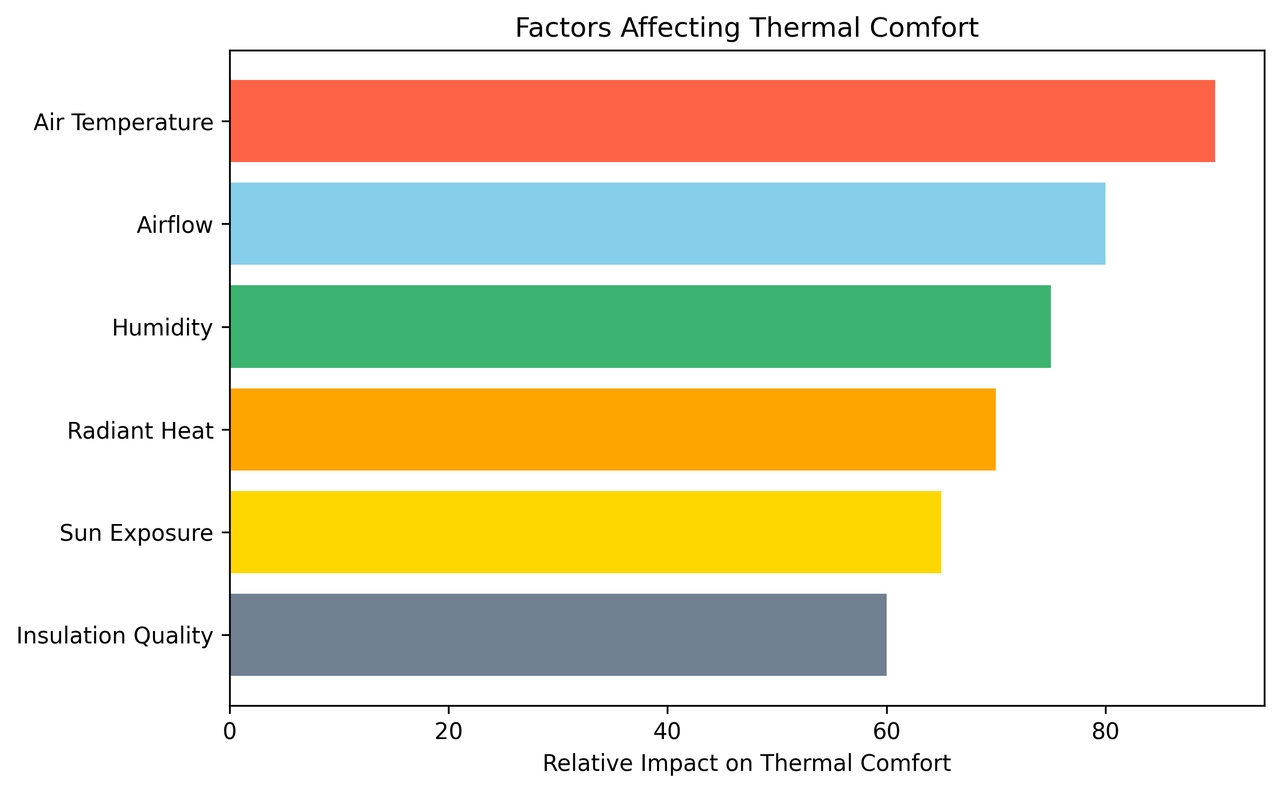
There is more than just air temperature involved when considering thermal comfort; other factors like airflow, humidity, radiant heat, exposure to sunlight, and insulation all contribute to the overall perception of how to cool room without air conditioner.
Assess Your Room Before Choosing a Cooling Solution
Different reasons may cause rooms to become too warm. For example, bedrooms that face the afternoon sun, loft spaces without a lot of insulation, home offices filled with electronics, and apartments that don't have good airflow all need different ways to cool down.
By taking a few moments to analyze your room size, its location in the building, how insulated the walls are, where you have windows, and what heat sources you might have in that room, you can find the best way to cool your room. It will also save energy because you'll develop a more customized solution based on personal needs as opposed to using generic methods.
After you have identified what causes heat to build up in your home, the next step is to figure out how to keep a room cool without ac. Luckily, there are lots of effective, easy-to-use techniques for cooling down rooms naturally. The next section provides tips for using passive cooling techniques to keep rooms at a comfortable temperature whether in apartments, homes and all other residential designs.
How to Cool a Room Without Air Conditioner: Passive Cooling Methods That Actually Work
During the summertime, when temperatures increase, many are looking for alternatives, for the air conditioning, to cool down in those hot summer months during very high temperatures. The good thing is you can use passive cooling techniques at home to greatly reduce your indoor temperature with zero electricity needs and no need for expensive cooling.
The above mentioned techniques will allow you to cool your home without air conditioning; therefore, you will be more comfortable and help reduce heat inside your home and you will also cool your living space naturally, even during the hottest days of the year.
The following are some of the best options for you to use while keeping your room cool without AC; They are proven effective in everyday situations!
Block Heat Before It Enters
A key strategy for improving the design of a residential home (not by using an air-conditioning unit) involves using methods to impede heat before it enters an area. The greatest source of indoor heat gain is solar radiation, therefore preventing ingress of solar rays early on will greatly increase the thermal comfort of building occupants.
Use effective methods of preventing heat gain and reducing daytime indoor air temperatures through the use of passive cooling techniques:
Curtains
Blinds
External window shading
Reflective window films
Improve Natural Airflow and Ventilation
Getting adequate airflow is vital when attempting to naturally cool a room without AC. Air that doesn't move around leaving a room with too much heat creates a sensation of extreme heat even though it really is not that hot outside.
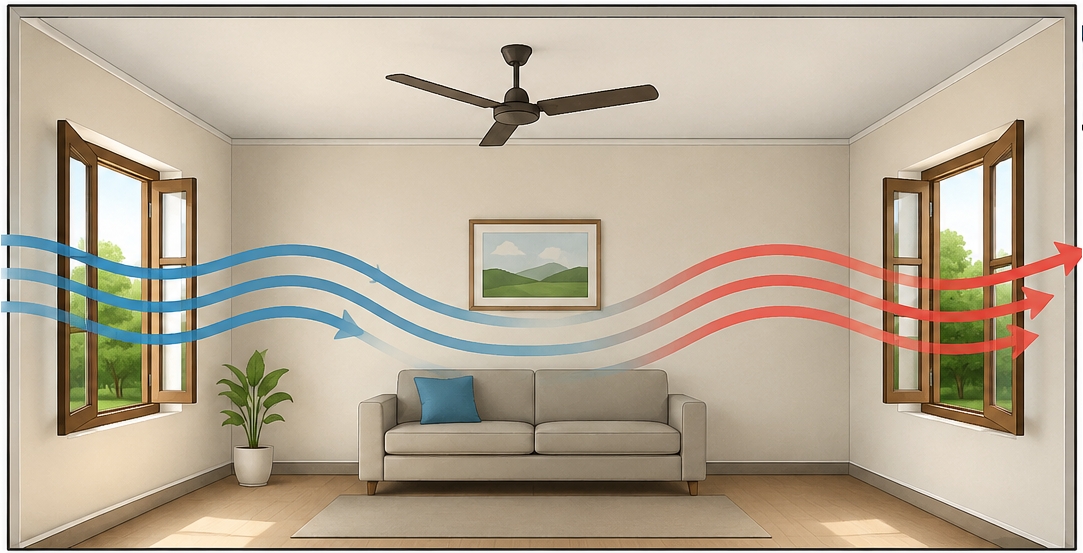
So, if you can optimize your cross-ventilation by opening windows during the right part of the day, you can also strategically place fans in a way that takes advantage of the natural process of creating air flow within your home, and expel out hot air so cooler air can flow into your space to help cool it down.
Reduce Indoor Heat Sources
There is yet an additional way to use cooling evaporation without needing an a/c. In your home and office, many household appliances generate heat. Lighting, appliances, and electronics all increase the inside temperature.
By changing your incandescent light bulbs to LED light bulbs or using energy efficient appliances, heat-generating devices, especially high heat-generating devices, will be reduced when not in use, during peak hours. These methods are simple, yet will provide immediate relief to you and everyone in your dwelling.
Natural Cooling Techniques
If you are seeking eco-friendly and natural ways of cooling the room without an air conditioner, there are many natural approaches to cooling that work very well. You can use simple, eco-friendly techniques to help cool your home naturally if you live in a drier to moderately warm climate.
Indoor plants can help manage the moisture content of the air inside your home, which will create a more comfortable indoor environment than air-conditioned spaces.
You can also use evaporation to help cool the atmosphere inside your home. For example, you can hang or place a wet towel in any room, which will cool the air around it and make your home cooler.
The use of natural clay-based materials, such as clay pots and other earthen materials, will also help keep your indoor environment cool by providing insulation against the heat.
To maximize your comfort and reduce your reliance on air conditioning, you should combine multiple forms of these natural cooling techniques.
How to Keep a Room Cool Without AC During Extreme Summer Weather
When extreme temperatures are recorded in the summer, all traditional techniques to manage them will not be successful. That is when advanced methods of summer heat control for your house are absolutely critical.
Utilizing a combination of insulation management strategies, such as
Using cooling by natural ventilation at night
Airflow management through smart ventilation systems
They will help to keep you comfortable inside, even when the outside temperature is at its highest. Advanced passive cooling techniques for extreme heat will give you reasonable indoor temperatures, even if you do not have air conditioning.
Smart technologies are now elevating cooling to the next level in today's modern homes to enhance control and efficiency even more.
Smart Cooling Solutions for Modern Homes in 2026
Homes of the future (2026) now are not just replacing conventional air conditioning units, but also incorporating more advanced forms of smart energy usage and other innovative methods.
Current trends indicate that, in addition to utilizing too much electricity for comfort, homeowners are opting for integrated solutions that provide optimal airflow and heat/storage components to maximize energy efficiency at times of extreme temperatures.
Maximising Fan Efficiency
When properly utilised, fans can be one of the most efficient ways of cooling an area without using any mechanical (or electric) cooling devices. The arrangement, placement, airflow direction, and timing of the fan will affect its efficiency and effectiveness if it's used in modern settings for smart, comfortable cooling. The use of cross-ventilation, placing fans near windows, and operating fans when temperatures are lower helps promote the movement of fresh air into the home while allowing all occupants to feel comfortable.
When combined with smart energy systems, fans become a very effective and efficient alternative to mechanically cooling a building.
Energy-Efficient Cooling for Off-Grid and Backup Use
Cooling without creating dependency on high-consumption devices, (which have a huge effect on your energy bill), is something that can be achieved by using high-efficiency batteries and low-power equipment to provide comfort in an emergency situation (i.e. no grid electricity).
You can also provide cooling to your building without being connected to the electrical grid by utilizing a backup battery for your cooling equipment, such as a fan or ventilator, which ensures that temperatures within your building will remain stable despite having no electricity supplied by the grid.
Recommended Cooling and Backup Power Solutio
Product 1: Stream 5000
Usage scenario:
Ideal for a home owner that wants power back up, lower utility costs, and future ready energy storage without installing solar systems.
Product 2: Stream 5000 AC
Usage Scenario:
For homeowners who have solar panels, but wish to increase their energy independence by utilizing battery storage, and require a secure power source during power outages.
Building a Low-Energy Summer Comfort System
The summers are often too hot to enjoy your home when you don’t use air-conditioning. However, there are ways to keep your house cool without incurring high electricity bills. By combining the use of an energy-efficient summertime comfort system, which uses innovative energy storage solutions and efficient appliances, and supplying backup electricity, you can create an indoor environment that will allow you to enjoy the summer months while decreasing your electricity usage and reliance upon traditional sources of power.
How The System Works
You may have heard of using a home battery system to store electricity throughout the day. This battery can then be used to supply electricity to appliances such as fans, portable air-conditioning units, and refrigerators during peak periods of electricity usage at low energy cost.
By doing this, you will continue to enjoy a comfortable indoor climate with inexpensive electricity and will not be affected by the heat on hot days or by a lack of access to electricity from your local utility company.
Conclusion
You don't necessarily have to have an air conditioning unit in place to stay cool in your home during the height of summer. There are several ways you can use passive means—like using different types of shading products, improving airflow through your home to reduce indoor heat, decreasing the number of indoor heat sources and using the natural environment for cooling purposes, to help you keep your indoor temperature lower while also saving energy.
If you're interested in how to cool the room without air conditioner, looking for some practical ways to keep your home cool using sustainable methods, or preparing for potential heat waves and extreme weather this summer. There are many different solutions available for passive cooling to help you cool off effectively and at an affordable price.
Using energy-efficient products along with the passive cooling options in this guide will keep your home cool and make it a tougher and cooler place to live throughout the hot months. These product recommendations will help you prepare for heatwaves and save money on your electricity bills this summer.
FAQs
How to cool the room without an air conditioner quickly?
One of the quickest ways to bring down the temperature of a room without using an air conditioning system is to block any direct sunlight from coming into the room, close any curtains or blinds, and turn off any appliance that produces heat (i.e. lamps, televisions, computers, etc.).
You can also create a "cross-ventilation" effect by opening the windows on opposite sides of the room. To get even better airflow, use a fan along with some ice in a bowl or frozen water bottles placed in the room. These methods can provide immediate relief and help keep your home cooler.
What is the most effective way to keep a room cool without AC?
The most effective method for keeping a room cool without an air conditioning system would be to stop heat from coming into the room from the start.
For example: close your blinds during daylight hours, use reflective curtains, add insulation, and then maximize natural airflow. Stream cooling solutions are among some of what many consider the best way to help prevent indoor temperatures from rising excessively.
How do I cool a bedroom naturally during a heatwave?
If you're trying to stay cool during hot summer months and do not have to keep your home hot, close all your windows/curtains during the heat of the day. Then open them up at night when it's cooler outside. Use light-weight blankets (in addition to cotton sheets), ceiling fans and natural methods of cooling, such as cool towels on your skin or having indoor plants.
How can fans be used more effectively to cool a room?
An easy way to keep cool is to place a fan next to an open window so that it can blow the hot air that is in the room outside of your house. Also, if you have a ceiling fan, it should run counter-clockwise during the hot summer months so that cooler air moves downward toward you.
Can portable power stations help support cooling devices during summer?
Yes, portable power stations supply backup power for cooling equipment (e.g., heating fans and portable evaporative coolers), or small ACs, and, in some cases, other household devices that depend on standard grid power. They are very handy during unexpected power outages or high-peak times.
In addition, when used with solar panels, these units help you save energy while also providing additional solutions for maintaining comfort and limiting your electrical usage from the electric grid. With high heat, extreme summer weather conditions, and emergencies, these units will be used more often than before.