Home Energy Monitor: What It Is and How It Works
- What is a home energy monitor?
- How a home energy monitoring system works
- Types of home energy monitors
- Benefits of using a home energy monitor system
- How to choose the best home energy monitoring device
- How to install a home energy monitor in the UK
- Managing and storing energy more efficiently
- Using energy data to reduce consumption
- Home energy monitors vs smart meters
- Conclusion
- FAQs
Rising electricity costs have made it essential to understand how energy is used at home. A home energy monitor helps track your power consumption in real time, giving you clear insights into where energy is being spent, including electricity supplied by solar batteries. With tools like a smart home energy monitor or a complete home energy monitoring system, you can easily spot inefficiencies and reduce waste. These home energy monitoring devices are especially useful for improving efficiency and lowering bills. In regions like the UK, a home energy monitor is becoming a popular choice for smarter energy management.
What is a home energy monitor?
A home energy monitor is a device that measures and displays how much electricity your home is using at any given time. It connects to your electrical system and provides real-time data through a screen or mobile app. A home energy monitoring system can also break down usage by appliances, helping you understand where most energy is consumed. This makes it easier to make informed decisions and manage energy more efficiently.
How a home energy monitoring system works
A home energy monitoring system works by using sensors attached to your electrical panel to track the flow of electricity in real time. These home energy monitoring devices collect data and send it to a connected app or display for easy monitoring. A smart home energy monitor can further break down usage patterns and highlight energy-heavy appliances. This helps you better understand consumption and make smarter energy-saving decisions.
Types of home energy monitors
Here are some of the most common types of home energy monitors available today, each designed for different needs and levels of detail.
1. Whole-house energy monitors
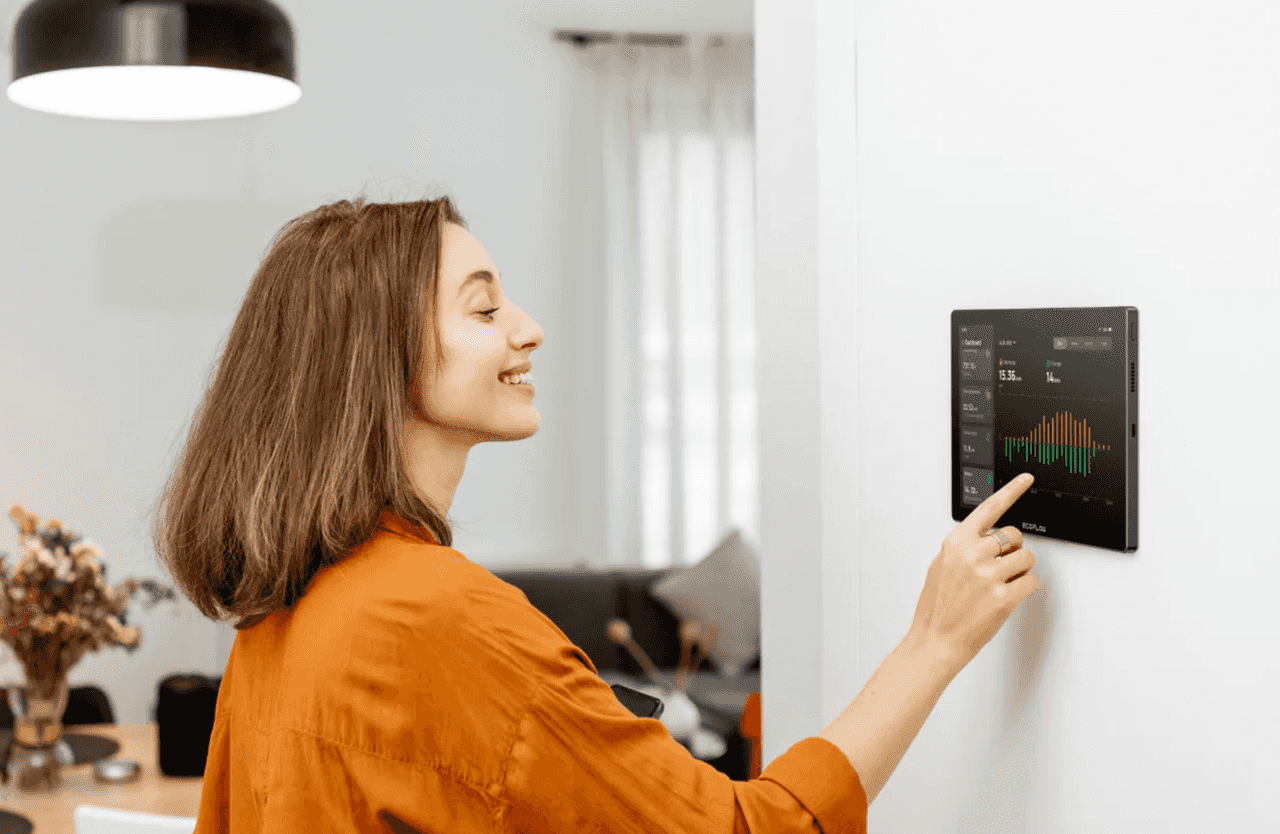
Whole-house systems track electricity usage across your entire home through a central home energy monitor system connected to your main panel. One advanced example is the EcoFlow PowerInsight Home Energy Monitor, which acts as an all-in-one smart home energy monitor with a large touchscreen display. It provides real-time insights into energy consumption, solar generation, and battery usage, while also allowing control of connected devices through smart integrations. It can analyze data daily, monthly, or yearly and even optimize energy usage by balancing grid, battery, and solar power.
2. Plug-in energy monitors
Plug-in devices are simple home energy monitoring devices that connect directly to individual appliances. They measure how much electricity a specific device uses, making them ideal for identifying energy-hungry equipment. These home energy monitors are affordable and easy to use, especially for targeted energy tracking.
3. Smart meter integrations
Some home energy monitoring systems in the UK integrate directly with smart meters to provide detailed energy insights. These systems automatically collect usage data from your utility meter and display it through apps or dashboards. A smart home energy monitor with this feature offers convenient, real-time tracking without needing additional hardware installation.
Benefits of using a home energy monitor system
Here are some key advantages of using a home energy monitor system, helping you manage electricity usage more effectively and make smarter energy decisions.
Reducing electricity bills
A home energy monitor system shows real-time electricity usage, helping you quickly spot high-consumption habits. By understanding when and where energy is being used most, you can adjust to daily routines. This leads to more controlled usage and noticeable savings on monthly electricity bills.
Improving energy efficiency
A smart home energy monitor helps you analyze how efficiently your home uses electricity. It highlights which appliances consume more power and at what times. With this data, you can optimize usage patterns and reduce unnecessary energy loss.
Identifying energy waste
Home energy monitoring devices make it easy to detect hidden energy waste, such as appliances left on standby. They provide detailed insights into unusual spikes or continuous usage. This allows you to take quick action and eliminate unnecessary power consumption.
Supporting sustainable living
A home energy monitor encourages more mindful energy habits by showing the environmental impact of your usage. It helps reduce overall electricity demand by promoting efficient consumption. Over time, this contributes to a more sustainable and eco-friendly household.
How to choose the best home energy monitoring device
Here are some key factors to consider when selecting a home energy monitoring device for your home.
Compatibility with your system
Make sure the device is compatible with your home's electrical setup, such as single-phase or three-phase systems. A good home energy monitoring system UK should also match your voltage requirements and support your existing panel. Poor compatibility can lead to inaccurate readings or installation issues.
Features and app functionality
A smart home energy monitor should offer clear real-time data through a mobile app or dashboard. Look for features like appliance-level tracking, usage history, and cost estimation. Advanced home energy monitors may also include AI insights, alerts, and smart home integration for better control.
Ease of installation
Some home energy monitoring devices are plug-and-play, while others require installation inside the electrical panel. Choose a system that matches your comfort level, or consider professional installation for more complex setups. Simpler installation saves time and reduces safety risks.
Accuracy and reliability
Accuracy is essential for a trustworthy home energy monitor system. Look for devices with stable readings and certified measurement standards. Reliable systems provide consistent data over time, helping you make better energy-saving decisions.
How to install a home energy monitor in the UK
Installing a home energy monitor UK system depends on the type of device you choose and your home's electrical setup. Most home energy monitoring devices are designed for either simple DIY installation or professional fitting.
Clamp-based installation
Clamp-based home energy monitors are installed directly inside your electrical panel by attaching sensors around live wires. These clamps measure electricity flow without cutting any cables. Data is then sent to a display unit or app for real-time tracking.
Plug-in setup
A plug-in home energy monitoring device is the easiest to install, as it simply connects between a socket and an appliance. It immediately starts measuring energy use for that specific device. This setup is ideal for small-scale or targeted monitoring.
Professional installation considerations
Some advanced home energy monitoring systems in the UK require professional installation for safety and accuracy. This is especially important for whole-house systems connected to the main fuse box, including solutions designed to integrate with energy ecosystems such as EcoFlow. A qualified electrician ensures correct setup, compliance with UK standards, and reliable performance.
Managing and storing energy more efficiently
Efficient energy management is becoming essential for homes that rely on renewable power and want to reduce grid dependence. Modern systems now combine storage, smart distribution, and solar input to ensure uninterrupted energy use throughout the day and night. This makes it easier to power essential devices while improving overall energy efficiency.
EcoFlow STREAM Ultra X – a smart solar-powered energy storage system for home use
The EcoFlow STREAM Ultra X is a smart energy storage system designed to support home setups by delivering stable and efficient power. It stores excess solar energy during the day and supplies it when needed, especially at night, helping reduce reliance on grid electricity. With up to 1200W AC output, it can reliably power essential household and small indoor systems such as lighting, ventilation, timers, and other connected devices.
It supports up to 2000W solar input and features 4 MPPT trackers along with advanced low-light solar technology, allowing efficient energy generation even in cloudy or low-light conditions. When paired with a 450W rigid solar panel, it enhances daily energy capture and ensures consistent power availability for home use.
For growing energy needs, the STREAM Ultra X offers scalable storage ranging from 3.84kWh up to 23kWh, making it suitable for both compact home setups and larger multi-device environments. It also integrates with smart home systems through Tiber, Matter, and Shelly protocols, enabling seamless control with smart plugs, automation tools, and connected devices.
Built for long-term performance, it offers a 15-year lifespan with strong safety features and low maintenance requirements, making it a reliable and future-ready solution for efficient home energy storage.
EcoFlow STREAM Ultra + AC Pro – modular and scalable backup power system
The EcoFlow STREAM Ultra + AC Pro system combines two modular units to provide a flexible and scalable energy storage solution for higher power demands. When used together, the system delivers up to 2300W total output, making it suitable for powering demanding home setups, workstations, or multiple devices simultaneously without interruption.
The STREAM Ultra unit offers a 3.84kWh battery capacity with 1200W AC output and supports expandable storage along with solar charging for efficient backup energy use. The STREAM AC Pro unit adds an additional 3.84kWh capacity and boosts total system output to 2300W, with flexible configuration options for single, parallel, or distributed operation depending on user needs.
A key advantage of this modular design is that the units can be placed freely in different locations without needing to be stacked, allowing more flexible installation based on available space and layout preferences.
Together, the system adapts to changing energy demands through intelligent energy management, helping monitor and optimize consumption in real time. By combining solar charging with battery storage, it reduces dependence on the grid while ensuring a continuous and reliable power supply for essential home and high-demand devices.
Using energy data to reduce consumption
A home energy monitor system provides detailed insights into how and where electricity is being used in your home. By analyzing this data, you can make smarter decisions that directly reduce overall energy consumption and improve efficiency.
Tracking high-usage appliances
A smart home energy monitor helps identify which appliances consume the most electricity. It shows real-time and historical usage patterns, so you can easily spot energy-heavy devices. This makes it easier to decide which appliances need replacement or more efficient usage.
Adjusting usage habits
With insights from home energy monitoring devices, you can change daily habits to reduce waste. Simple adjustments like running appliances during off-peak hours or switching off standby devices can make a big difference. Over time, these small changes lead to noticeable energy savings.
Setting energy-saving goals
A home energy monitor allows you to set clear targets for reducing electricity usage. You can track progress over days, weeks, or months using app-based dashboards. This helps you stay consistent and motivated toward achieving lower energy consumption and bills.
Home energy monitors vs smart meters
Both home energy monitors and smart meters help track electricity usage, but they serve different purposes and offer different levels of detail. A home energy monitor system is usually installed inside the home for real-time, detailed insights, while a smart meter is provided by the utility company for billing and basic usage tracking. Understanding the difference helps you choose the right tool for better energy management.
Feature | Home energy monitors | Smart meters |
Purpose | Detailed energy tracking and analysis | Utility billing and basic usage tracking |
Data detail | Real-time, appliance-level insights | Overall household consumption |
Installation | Plug-in, clamp-based, or smart system setup | Installed by the electricity provider |
User control | High control via apps and dashboards | Limited user interaction |
Energy savings | Helps actively reduce usage | Indirect savings through awareness |
Conclusion
A home energy monitor helps you understand and control your electricity usage more effectively. With a home energy monitoring system, you can track consumption in real time, reduce energy waste, and lower monthly bills. From simple devices to advanced smart solutions, these tools make home energy management easier and more efficient. For users looking to go further, EcoFlow energy solutions offer smart storage and solar integration, helping create a more efficient and future-ready home.
FAQs
Is a home energy monitor worth it?
Yes, a home energy monitor is worth it because it gives real-time insights into electricity usage. It helps you identify wasteful consumption and reduces unnecessary energy costs. Over time, the savings on bills often outweigh the initial cost of the device. It also encourages more efficient and mindful energy habits.
What is the best home energy monitor?
The best home energy monitoring system depends on your needs, such as budget, features, and installation type. Smart systems with app connectivity and appliance-level tracking offer the most detailed insights. In the UK, many users prefer systems that integrate with smart meters or solar setups. A reliable and accurate device is always the top priority.
How can I monitor my whole house's electricity?
You can monitor your entire home using a whole-house home energy monitor system installed at your electrical panel. These devices use sensors to track total electricity usage in real time. The data is sent to an app or display for easy monitoring. This gives a complete overview of household energy consumption.
Which appliance is a real energy drainer?
High-energy appliances like heaters, air conditioners, and water heaters are usually the biggest energy drainers. A smart home energy monitor can help you identify which devices consume the most power in your home. Even appliances on standby can contribute to hidden energy waste. Tracking usage helps you reduce unnecessary consumption effectively.