4WD vs AWD: Best Vehicles and EcoFlow DELTA Power Solutions for Outdoor Travel
- Understanding AWD and 4WD Systems
- 4WD vs 4x4 vs AWD Explained
- Best Vehicles with 4WD for Different Drivers
- Why 4WD Vehicles Are Popular for Outdoor Adventures
- Portable Power Solutions for 4WD Travel and Camping
- Building a more energy-efficient outdoor travel setup
- Tips for Choosing Between AWD and 4WD
- Conclusion
- FAQs
Understanding AWD and 4WD Systems
There are a variety of drive train options for modern vehicles that optimize traction, handling, and driving performance depending on various road conditions. When thinking about AWD vs 4 by 4 systems, many drivers want to learn more about how they operate and which is best for everyday driving, outdoor driving, or off-road trips.
Both systems enable power to be sent to more than one wheel, for better grip, but they work differently in different driving situations and, in part, on vehicle design. Knowing these distinctions can assist drivers in selecting the vehicle with energy storage solutions that suits their way of life and traveling requirements.
Difference between AWD and 4WD
AWD vs 4WD systems differ only in how power is sent to the wheels. All-wheel drive (AWD) distributes power to all four wheels, depending on road conditions, allowing for greater traction on wet or light snow conditions.
Four Wheel Drive (4WD) systems are generally used for more challenging off-road conditions. Several 4WD vehicles also have a manual system for selecting the four-wheel drive modes when driving on rough terrain, mud, rocks or steep trails.
In general:
AWD is geared more toward road handling in normal driving conditions.
For 4WD, it's more about performance and toughness in off-road situations.
4WD vs AWD: which system is better?
If you compare 4WD vs AWD, this will depend on the vehicle's usage. AWD is preferred in the following types of vehicles:
urban driving
motorway travel
roads that are wet or snowy.
year-round convenience
4WD systems are generally used where:
camping trips
off-road adventures
towing equipment
rough terrain driving
The higher levels of off-road performance found in 4WD vehicles are more advantageous for drivers who frequently venture into outdoor settings or away-from-home campsites. However, for everyday driving and diverse road conditions, AWD vehicles can be more convenient.
4WD vs 4x4 vs AWD Explained
When people are looking for a vehicle that works outside the house, they'll hear about 4WD vs 4x4 vs AWD, and think that they are synonymous. These systems have similar characteristics but there are significant distinctions in their operation, power delivery, and intended driving context.
By knowing the pros and cons of each system, drivers can select vehicles that better suit their everyday driving requirements, off-road travel plans, and outdoor lifestyles.
AWD vs 4x4 vs 4WD comparison
If you're comparing AWD vs 4x4 vs 4WD, a typical AWD system will provide automatic traction control when driving normally. They constantly check wheel grip and adjust power distribution automatically, even without the driver's input.
A 4x4 system is typically a 4WD system that is used more heavily when it comes to off road driving. There are a number of vehicles that are equipped with 4x4 tech that offer a variety of driving modes for mud, snow, rocks, and steep terrain. Such systems are often seen on pick-up trucks and larger sized SUVs.
Here is a simple comparison:
System | Best Use | Driver Control | Terrain Capability |
AWD | Daily driving & mixed weather | Automatic | Moderate |
4WD | Off-road & towing | Manual/Selectable | High |
4x4 | Extreme terrain & adventure driving | Manual/Advanced | Very High |
Which system performs best off-road?
For serious outdoor driving, many experts consider vehicles with 4WD or 4x4 systems more capable and believe that they offer more serious off-road driving. These vehicles are built to help them stay on:
rocky roads
muddy tracks
steep hills
uneven trails
deep snow
Many 4WD systems also have low range gears which can add torque to climb steep inclines or to take up a long outside route safely.
4WD systems are generally preferred by drivers who drive on deserts, in mountainous regions, or to rural locations where adverse driving conditions and rough terrain are common.
Which system is more practical for daily driving?
While 4WD and AWD systems are more efficient when driving off-road, they are often easier to use for normal driving. AWD vehicles automatically control traction without manual controls and are easier to drive in varying weather conditions.
When it comes to 4WD vs. All Wheel Drive, many commuters and families will look to the merits of practicality. AWD cars typically offer:
smoother handling
improved fuel efficiency
easier city driving
Reduced stress on roads, which helps to minimize wear and tear on the pavement.
AWD could be the better option for people who don't drive off-road very often, but want a vehicle that can handle it when they do.
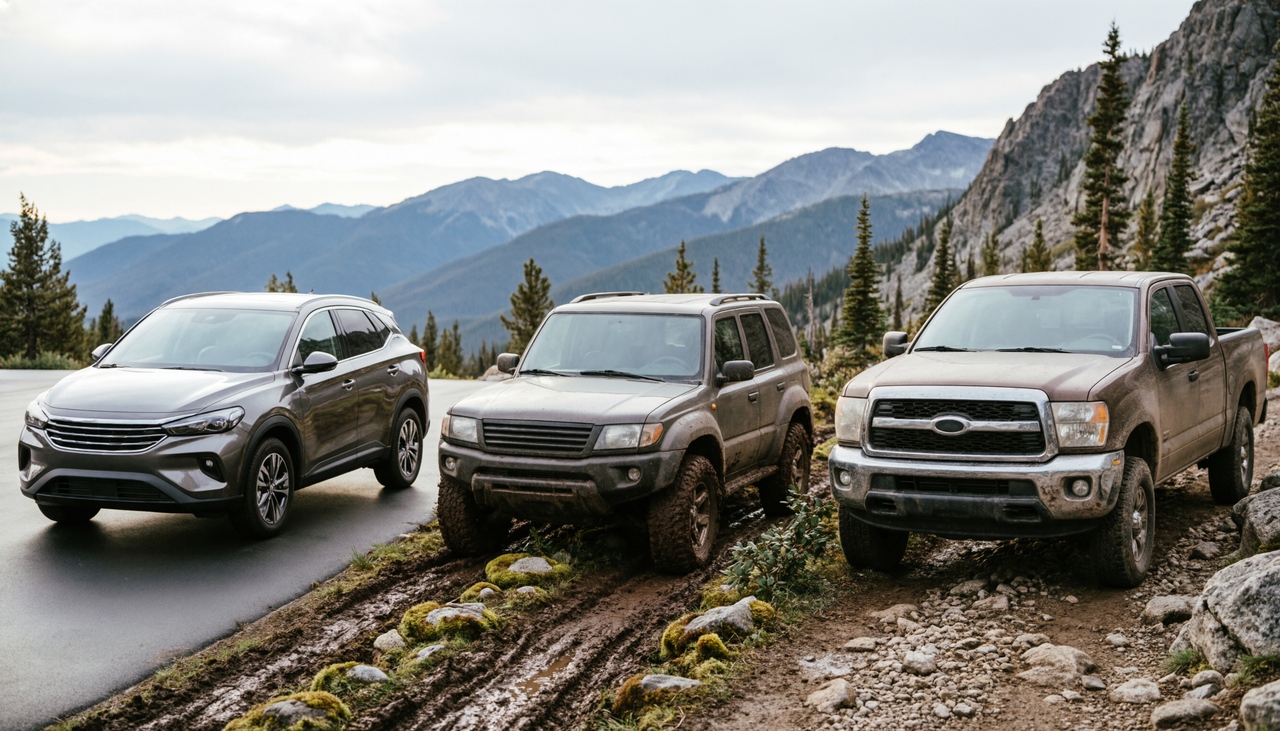
Best Vehicles with 4WD for Different Drivers
How you use your 4WD to travel depends so much on your driving style, the destinations you go to and your lifestyle needs. Some drivers prefer comfort when driving in the city, others require better off-road capabilities for camping, towing or adventures outside the city limits. More and more manufacturers are producing a range of vehicles with 4WD that are suited to different vehicle operators, as more and more people are interested in using them for outdoor driving.
Best 4WD SUV options in 2026
In 2026, the popularity of the best 4WD SUV models is expected to grow further, driven by the rising demand for off-road vehicles that offer comfort, safety, and performance. These modern 4WD SUVs are built to be versatile and capable of driving on both roads and outdoor surfaces, featuring ample, roomy interior along with high-tech driving systems.
These are some of the common features of many 4WD SUVs:
terrain driving modes
towing support
higher ground clearance
larger cargo space
advanced traction systems
These vehicles are particularly helpful for families, outdoor enthusiasts, and anyone who is on a long road trip or camping trip.
Compact 4WD cars for urban and outdoor use
The compact 4WD cars are becoming popular among many drivers due to their balance between the city's need of practicality and the outdoor capabilities. Compact 4WD is easier to park, uses less fuel, and is still capable enough to handle the countryside, snow and weekends!
They are typically selected by:
young professionals
small families
weekend campers
drivers residing in urban and rural areas at the same time
Compact 4WD models are also suitable if you are looking for adventure driving, but don't need the large SUVs every day.
Little 4WD cars for beginners and casual drivers
The little 4WD cars might be a simple introduction to the world of outdoor driving for new drivers and/or new buyer. They're also smaller cars, easier to maneuver and maintain and can have greater traction than traditional two-wheel drive vehicles.
For many casual drivers, smaller 4WD models are more their cup of tea for:
light countryside travel
winter driving
beginner off-road experiences
less manhandling in bad weather conditions
They are also smaller, which makes them more suitable for narrow city streets and congested parking spaces.
4WD auto systems for easier driving control
Modern 4WD auto systems are engineered to make offroad driving easier and more convenient by automatically controlling the 4WD system and distributing power among the wheels when conditions change. Many modern vehicles now have sensors and systems that provide intelligent control to enhance stability without manual intervention.
The automatic systems assist drivers in:
Keep dry pavement contact when driving on slippery roads
reduce wheel spin
Give the vehicle better control on soft surfaces, mud, snow etc.
Take more control of driving under varying conditions
Automatic 4WD systems offer a simpler 4WD experience for drivers who don't want to deal with a lot of complicated controls.
Why 4WD Vehicles Are Popular for Outdoor Adventures
In recent years, outdoor travel has grown in popularity, particularly among those who camp, travel by road or are interested in exploring the remote reaches. This has led more car owners, who are interested in AWD vs. 4WD systems, to opt for a 4WD vehicle thanks to its ability to perform in rougher conditions and accommodate outdoor living.
Today, modern 4WDs are widely adopted for driving off-road, but also for transporting travel gear, outdoor activities, and for flexible travel configurations.
Camping and off-road travel benefits
One of the main reasons people opt for 4WD vehicles is that they feel more secure and safe in outdoor environments. Gravel roads, steep hills, muddy paths or rough terrain may be part of camping routes and extra traction is essential.
The 4WD is particularly beneficial for:
remote campsite access
mountain travel
forest roads
towing camping trailers
carrying outdoor gear
4WD systems are more reliable and provide greater driving assurance for frequenters of rural areas.
Driving in snow, mud, and rough terrain
A lot of drivers who are considering both all wheel vs 4WD systems find that 4WDs are better in extreme weather conditions and rough terrain. Roads might be frozen, muddy, or may be covered with gravel, which can decrease the tires' grip and make the handling of regular vehicles more difficult.
4WD systems aid in improving:
wheel traction
vehicle stability
hill climbing ability
To control during slippery conditions.
This is especially useful for winter driving and off-road activities.
Carrying outdoor equipment and appliances
Today, more often than not, outdoor trips require more equipment than it did in the past. Campers, photographers, creators of content, and adventure tourists can carry:
cooking equipment
electric appliances
lighting systems
camping power stations
Many vehicles with 4WD have larger payloads and towing capacity, enabling them to transport travel equipment and portable power equipment on longer outdoor excursions.
Growing interest in vehicle-supported remote lifestyles
With the growth of remote work and flexible lifestyles, there has been a rise in interest in travel supported by vehicles. Certain people are now doing outdoor activities and working remotely, where they work between campsites or remote locations.
With the growing number of people who are turning to flexible living, 4x4 vs AWD vs 4WD comparisons are becoming more popular among drivers seeking vehicles to support:
long-distance travel
outdoor work setups
mobile lifestyles
off-grid experiences
There's a growing trend towards using reliable vehicles and portable energy sources for outdoor adventures today.
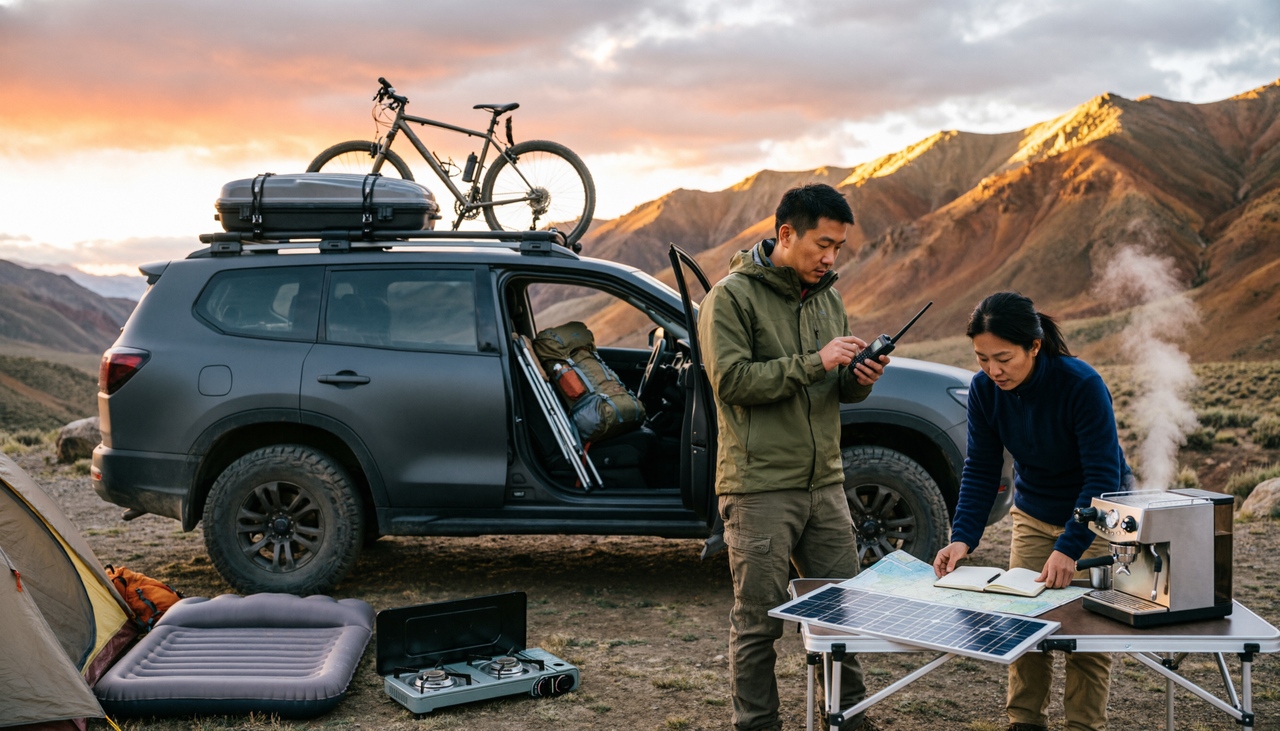
Portable Power Solutions for 4WD Travel and Camping
With increased outdoor driving, more drivers are thinking about more than just the performance of their car or truck. Powering various items in the outdoors, outdoor appliances, cooking equipment, cameras, drones, lighting systems, and remote work setups while on the go is common in modern camping and off-road journeys.
Planning safe and comfortable outdoor adventures is now an important element to consider when comparing 4WD vs AWD. There's reliable portable electricity! For longer road trips, remote camping trips, and travel off the grid, traveling with portable charging stations and portable power stations are now helping travelers to keep their power on while traveling.
EcoFlow DELTA 3 Max Series (2048Wh) Portable Power Station for flexible vehicle-supported travel setups
The EcoFlow DELTA 3 Max Series (2048Wh) is intended for travelers who require reliable power when traveling outdoors and when they are traveling by car. It's portable, so it's good for camping out, road trips and temporary outdoor job sites where you might not always have access to reliable power.
This portable power station is ideal for drivers fitting out their best 4WD SUV with it for:
powering portable refrigerators
charging laptops, cameras
running lighting systems
supporting cooking appliances
charging phones, drones, and batteries
The DELTA 3 Max Series delivers high AC power and has expandable battery capacity for entertaining outdoor excursions as well as short weekend camps. Fast recharging capabilities also help reduce downtime while traveling between locations.
EcoFlow DELTA 3 Max + 400W Portable Solar Panel for high-demand outdoor power needs
For those who have higher electricity consumption needs, the EcoFlow DELTA 3 Max, along with a 400W Portable Solar Panel, provides a more flexible outdoor electricity solution. This system enables you to produce and store electricity while out on a camping outing without having to rely completely on the power supplied by the vehicle or site.
This setup is particularly helpful for those comparing 4WD auto travel setups for:
extended camping stays
outdoor content creation
powering multiple appliances
mobile remote work
off-grid outdoor travel
The solar panel is designed to help power the station for more independent use outside by charging the power station during the day when you are travelling or at a campsite, decreasing the need for fuel-powered generators.
Building a more energy-efficient outdoor travel setup
As people seek to save fuel, maximize efficiency, and ensure that power sources are available during extended travel, current outdoor travel setups are evolving in ways that are more energy mindful. Today, travelers can now cost-effectively handle electricity needs when they are out and about with portable solar charging systems and battery storage solutions.
For those who are looking at 4WD vs 4x4 vs AWD, the right capable vehicles and portable power systems can assist in supporting:
outdoor cooking equipment
mobile work devices
campsite lighting
Get some help with charging their camera and drone.
emergency backup electricity
With the rise in popularity of remote living and camping experiences, portable power stations are a valuable addition to a number of out-of-the-vehicle configurations.
Tips for Choosing Between AWD and 4WD
The decision between AWD and 4WD will come down to the type of driving and environment in which the vehicle is expected to operate. Both systems are for improving traction and stability, but they offer varying degrees of performance, comfort and off-road ability depending on the kind of driving life being lived.
Before deciding on which system to choose, drivers should take into account the weather, how often they travel, outdoor activities, and their driving habits.
Consider your daily driving environment Drivers mainly using city roads and motorways may find AWD systems more practical and comfortable for everyday use.
Think about outdoor travel frequency 4WD ability is more useful to those who regularly camp, tow equipment or drive on rough roads.
Evaluate weather conditions in your area Snow, heavy rainfall, and muddy roads can have an effect on confidence in driving AWD or 4WD over time.
Assess cargo and equipment needs Outdoor appliances, camping equipment or portable power systems can be heavy, so larger 4WDs with a higher towing and storage capacity may suit these drivers.
Plan for future travel flexibility With the increased usage of outdoor activities and road transportation, a system that meets current and future travel requirements may offer greater value over the long term.
Conclusion
By knowing the distinctions between 4WD and AWD systems, drivers can select a vehicle that aligns with their travel style, driving conditions, and outdoor activities. AWD is better for everyday driving and driving on mixed surfaces, whereas 4WD systems create more power for off-road driving and towing and are very helpful when driving on rough surfaces, such as camping.
This is because our activities and trips outdoors, combined with the use of vehicles, has increased, and so have our needs for portable electricity. During off-the-grid adventures, solutions such as the EcoFlow DELTA 3 Max Series make it easier to power up appliances, work devices and camping equipment efficiently. The adoption of competent vehicles and portable energy systems can lead to a safer, more flexible and more comfortable outdoor travel experience.
FAQs
Are 4WD vehicles better for off-road driving?
Yes, in general, vehicles with 4WD tend to work better off-road as they are designed to deal with the tougher ground. 4WD systems will generally include the following:A
greater grip on slippery and rocky surfaces
improved hill-climbing performance
Improved control on difficult or uneven roads.
This makes 4WD vehicles very popular for camping, mountain travel and any outdoor adventure in a remote area.
Which system is better for snow and rain conditions?
When comparing AWD vs. 4WD, in terms of rain and light snow, AWD systems are typically more convenient than 4WD as they automatically distribute power amongst the wheels without the driver needing to do anything. They are frequently used to:
city driving
motorway travel
wet road conditions
But in snowier conditions, or in severe winter conditions where more traction is needed, 4WD systems can prove to be more effective.
What appliances can portable power stations run during camping?
Portable power stations can power numerous typical camping appliances and travel devices. For outdoor excursions, the EcoFlow DELTA 3 Max system can help power:
portable refrigerators
camping lights
electric kettles
laptops and phones
cameras and drones
Portable energy systems can enhance outdoor adventures and make them more convenient and comfortable for adventurers looking to research the best 4WD SUV setups for camping.
Why are portable power systems useful for outdoor travel?
Portable power systems offer a dependable source of power for road trips, camping trips, and outdoor adventures away from the grid. They contribute to the reduction of the reliance that travellers have on campsite power sources and to the better use of modern travel equipment.
Portable power stations enhance flexibility for those who use 4x4 vs awd vs 4wd vehicles for adventure travel, providing enhanced support for:
emergency backup power
outdoor cooking equipment
remote work devices
nighttime lighting
rechargeable travel appliances
This helps to make travel outdoors easier, particularly when traveling for extended periods without electricity.