How to Prepare for a Nor'easter in Canada
If you live along Canada’s East Coast, or even inland across Quebec and parts of Ontario, the word Nor’easter probably makes you pause for a second. These storms are a winter regular, bringing everything from heavy, wind-driven snow to coastal flooding, and they have a way of turning an ordinary weekday into something far more serious. This guide breaks down what Nor’easters are, why they tend to hit our regions so hard, and how to get your home ready ahead of time, including practical ways to stay warm and connected if the power goes out.
What Is a Nor'easter?
The easiest way to think about a Nor’easter is as a slow moving winter powerhouse. It’s a large storm system that travels up the East Coast of North America, drawing strength from the Atlantic as it goes. The name comes from the winds themselves, which blow in from the northeast and slam into places like the Maritimes and Newfoundland with serious force. Unlike a quick snowfall that’s gone by morning, a Nor’easter spreads out over a huge area and can stick around for days, piling on snow, wind, and cold long after the first flakes fall.
What Causes Nor'easters to Form?
Nor’easters are all about extremes colliding. When cold, dry Arctic air pushes down from the Canadian interior and meets warmer, moisture heavy air sitting over the Gulf Stream, it creates the perfect setup for a powerful low pressure system to take shape. That clash of temperatures is why these storms hit so hard. It leads to heavy, wet snow that can weigh down roofs, strong winds that bring trees and power lines down, and outages that can last far longer than a typical winter storm. Once you understand what’s driving a Nor’easter, it becomes easier to see why certain preparations, like tightening up insulation, clearing gutters, and planning for backup power, matter so much when one is on the way.
Nor’easter vs Hurricane: What’s the Difference?
While both are powerful cyclones, the key difference is the core temperature.
Hurricanes: Warm core storms powered by tropical heat, typically arriving in summer or early fall and best known for their intense winds.
Nor’easters: Cold core systems fuelled by sharp temperature contrasts, forming between October and April and notorious in Canada for long lasting blizzards and heavy snow.
Main Hazards Associated With a Canadian Nor'easter
Living in the Great White North means cold weather isn’t new to us, but a Nor’easter is a different kind of challenge. These storms don’t bring just one problem at a time. They stack hazards on top of each other, putting real strain on infrastructure, services, and day to day life, especially in coastal and rural communities.
Heavy Snowfall and Blizzard Conditions
Snow from a Nor’easter isn’t just about accumulation; it’s about intensity. Heavy, wind driven snow can turn streets into whiteouts in minutes, making it nearly impossible to drive or even see across the road. It’s the kind of storm where finding your car becomes a waiting game rather than a quick shovel.
Strong Winds and Power Outages
Nor’easters are often just as much about wind as snow. Gusts can easily top 100 km/h, bringing down trees and power lines like matchsticks. In many parts of rural Canada and along the coast, that kind of damage can leave homes without electricity for days, not hours.
Coastal Flooding and Storm Surge
Because these storms pull winds in from the ocean, they can force seawater inland. This storm surge leads to flooding in low lying coastal areas across Nova Scotia, New Brunswick, and Prince Edward Island, damaging docks, roads, and homes that sit close to the shoreline.
Extreme Cold After the Storm
Once the main system moves on, it often drags in a blast of Arctic air behind it. Temperatures can drop quickly, freezing pipes and putting extra pressure on heating systems that may already be running on limited power or backup solutions.
Transportation and Supply Disruptions
When highways shut down or ferries stop running, everything slows to a crawl. Closures along major routes like the Trans-Canada Highway can interrupt deliveries, empty grocery shelves faster than expected, and delay emergency services when people need them most.
How to Prepare Before the Nor'easter Season Begins
Preparation for a Nor’easter isn’t something you do the night before. It’s more of a slow build. Getting your home ready in the fall means you’re not scrambling later when a Special Weather Statement pops up on your phone in the middle of January and the shelves at the local grocery store are already picked over. Taking the time to prepare for a winter power outage is a big part of that process, especially in regions where Nor’easters are known to knock out electricity for days at a time.
Winterizing Your Home for Severe Storms
Before the first real cold snap, many Canadians do a familiar round of checks: sealing drafts around windows and doors, clearing gutters to avoid ice dams, and making sure insulation hasn’t shifted or settled. All of that matters, but during a Nor’easter, the biggest risk often isn’t the cold itself, it’s losing your heat altogether. Even homes heated by natural gas or oil usually rely on electricity to run blowers and circulation pumps. If the power goes out, indoor temperatures can drop faster than most people expect, especially during prolonged storms.
Securing Power Backup for Home Heating and Critical Appliances
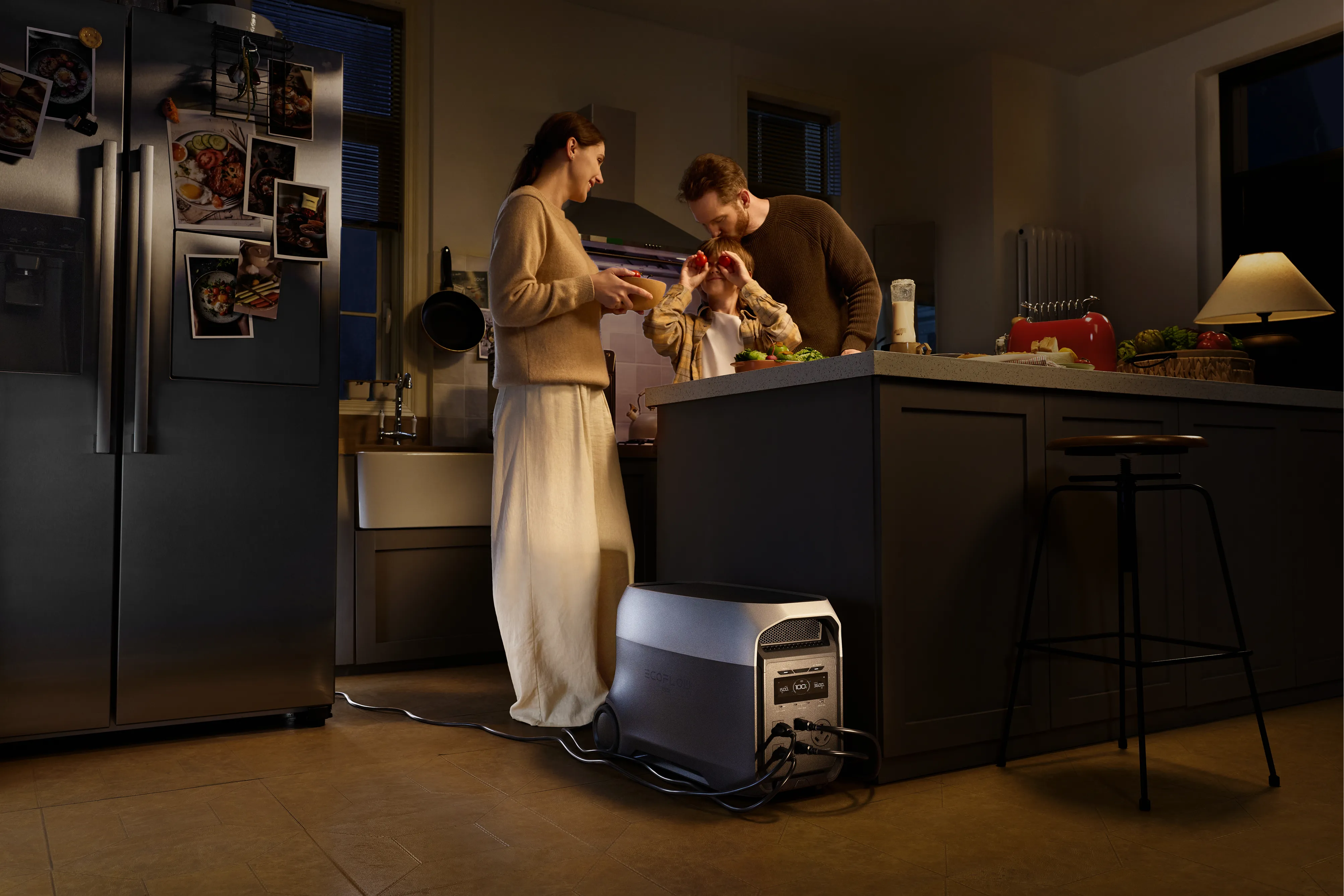
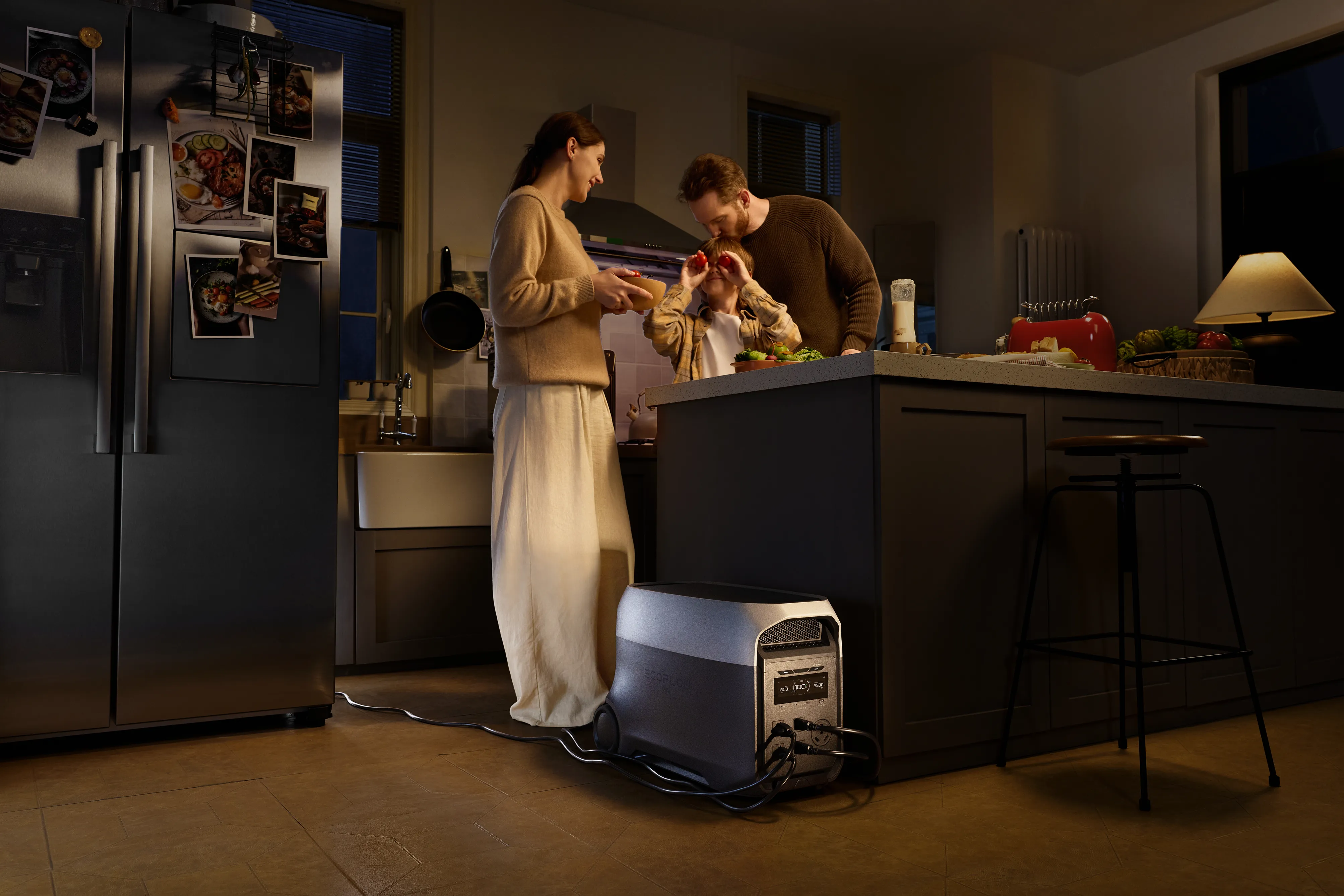
Staying warm in a Canadian winter isn’t optional, so your power plan needs to be just as dependable as the boots you keep by the door. This is where a system like the EcoFlow DELTA Pro Ultra Whole-Home Backup Power fits naturally into a winter preparedness setup. It’s built to handle higher demand loads, making it capable of keeping furnace blowers and circulation pumps running during an outage. Heat is only part of the picture, though. During longer storms, food storage and connectivity become just as important.
While smaller power banks are fine for phones, something like the EcoFlow DELTA 3 Ultra Plus Portable Power Station (3072Wh) has enough capacity to support essentials such as a basement deep freezer or a Starlink connection. That can make the difference between losing a week’s worth of groceries and staying connected to updates, family, and emergency information while the storm drags on.
Building a 72-Hour Emergency Supply Kit
Once power and heat are covered, it’s time to think about life without outside help for a few days. A basic emergency kit should include at least four litres of water per person per day, shelf stable food, and a manual can opener that doesn’t rely on electricity. It’s also smart to keep a backup supply of essential medications on hand. Adding a battery-powered or hand crank radio gives you a reliable way to follow Environment Canada updates if cell networks become unreliable.
Creating a Household Emergency Plan
Storms are easier to manage when everyone knows what to do. Take a bit of time to talk through a simple plan with your household: where to meet if you’re separated, and who to contact outside your region. Local phone lines often get overloaded during major storms, but long-distance texts can still get through. Having reliable backup power like a portable power station for your devices turns this plan from a good idea into something you can actually follow when it matters.
Preparing Vehicles for Winter Storm Conditions
Your vehicle should be part of your preparedness plan, not a weak point. Most Canadians live by the half tank rule in winter, keeping fuel or battery charge above 50 percent helps prevent freeze ups and gives you options if you’re stuck idling for heat. Winter tires should be on by November, and a basic trunk kit goes a long way. A heavy blanket, a collapsible shovel, and sand or traction mats can be lifesavers when deep snow or drifting makes even short trips unpredictable.
What to Do When a Nor'easter Is Forecast
When weather apps start lighting up with warnings, it’s time to shift from preparation to action. In many parts of Canada, the gap between a forecast and the first heavy snowfall can be surprisingly short, which means moving efficiently matters more than doing everything perfectly.
Monitoring Official Weather Alerts
Environment Canada should be your primary source for updates. Pay attention to the wording: a Watch means conditions are lining up for a storm, while a Warning means it’s about to happen. Along with alerts, checking the winter storm snow forecast helps you understand how much accumulation is expected and how quickly conditions may deteriorate. If a Blizzard Warning is issued, wrap up errands and get home as soon as possible. Visibility can drop to near zero in minutes, making travel across the Maritimes and parts of Ontario dangerous almost without warning.
Securing Last-Minute Supplies and Your Home
Take a quick walk around your property and secure anything that could be picked up by the wind. Patio furniture, recycling bins, and loose items can become hazards in strong gusts, so move them into a garage or shed if you can. While you’re outside, check that your snowblower is fuelled and ready. Inside the house, it helps to think ahead: pre-cook a few meals and fill thermoses with hot water while the stove is still working, so you’re not caught off guard if the power goes out.
Preparing Power Backup and Heating
Before the storm arrives, make sure all backup power systems and portable devices are fully charged. Test emergency lighting and power setups ahead of time so you’re not sorting out cables or switches in the dark. Once the storm is underway, small steps can help conserve heat, close curtains, block drafts at doorways, and keep doors to unused rooms shut to hold warmth where you need it most.
Assessing Evacuation or Relocation Needs
If you live in a coastal or flood prone area, it’s important to be realistic about your situation. Forecasts that call for storm surge during high tide are a serious concern. Keep a simple go-bag by the door with identification, essential medications, and some cash. If local authorities recommend a voluntary evacuation, leaving early and heading inland is usually the safer option, especially before roads are blocked by fallen trees or rising water.
Conclusion
Nor’easters are more than just another winter storm on the calendar. They’re slow, demanding events that put sustained pressure on homes, infrastructure, and daily routines. Heavy snow loads test roofs, persistent winds strain power lines, and outages often last much longer than what most Canadians expect from a typical snowfall.
That’s why preparation matters. Taking the time to winterize your home, plan for extended power interruptions, and think through how your household would manage for a few days off grid can make these storms far less disruptive. In a country where winter is part of everyday life, being ready for a Nor’easter isn’t about overreacting, it’s about staying warm, safe, and connected when conditions push things to the limit.
FAQ
1. Is it safe to drive during a Nor'easter?
Honestly, no. Driving during a Nor’easter is very risky. Visibility can drop to almost nothing, roads ice over quickly, and conditions can change fast. Staying off the roads also helps snowplows and emergency crews do their jobs without extra cars getting in the way.
2. Which Regions in Canada Are Most Affected by Nor’easters?
The Atlantic provinces take the biggest hit, Nova Scotia, New Brunswick, Prince Edward Island, and Newfoundland and Labrador. That said, these storms don’t always stop there. Eastern Quebec and parts of Ontario can also see heavy snow, strong winds, and power outages when a Nor’easter tracks inland.
3. What was the worst storm to hit Canada?
That depends on how you measure it, but two storms come up a lot in conversation. The 1998 Ice Storm caused massive power outages across Quebec and Ontario, while White Juan in 2004 dumped close to a metre of snow on parts of Nova Scotia in about a day. Both left a lasting impression for very different reasons.
4. How often do Nor'easters impact Atlantic Canada?
Most winters, Atlantic Canada sees a few Nor’easters roll through. Not all of them are severe, but it’s common to deal with two to four major storms between December and March, depending on how the season shapes up.
5. How much snow can a Nor'easter dump on Canada?
A single Nor’easter can easily bring 30 to 60 centimetres of snow. In stronger storms, totals can push past 90 centimetres. Wind often makes things worse by blowing snow around and creating deep drifts, even after the main snowfall has ended.