Best Backup Power Solutions for Winter Storms (Portable vs Whole-Home)
- Why Winter Storms Put Canadian Homes at Risk
- Portable vs Whole-Home Backup Power: What’s the Difference?
- Portable Backup Power for Winter Storm Outages
- Whole-Home Backup Power for Severe Winter Weather
- How to Size Backup Power for Winter Storm Conditions
- Winter-Specific Factors That Affect Backup Power Performance
- Why Modern Backup Power Systems Make More Sense for Winter Storms
- Frequently Asked Questions
- Powering Through Winter Storms with EcoFlow DELTA Pro Ultra
When a winter storm crosses Canada, it can easily knock out your power for days. That could mean leaving your family without light, heat, or essential appliances that you rely on.
While summer weather events should never be underestimated, winter ice storms, blizzards, and freezing rain can damage power lines and transformers more frequently and more severely. You can protect your family with modern backup power solutions as an alternative to traditional gas generators.
Both portable power stations (like the EcoFlow DELTA 3 Plus) and whole-home systems serve different needs, so understanding your capacity requirements and cold-weather performance can help you choose the right backup power option.
Why Winter Storms Put Canadian Homes at Risk
Winter storms and accumulating ice can cause power line breaks or damage transformers. A winter storm can also bring high winds that topple trees onto electrical infrastructure, and the freezing temperatures outside make the required repair work dangerous and time-consuming for the crews.
Portable vs Whole-Home Backup Power: What’s the Difference?
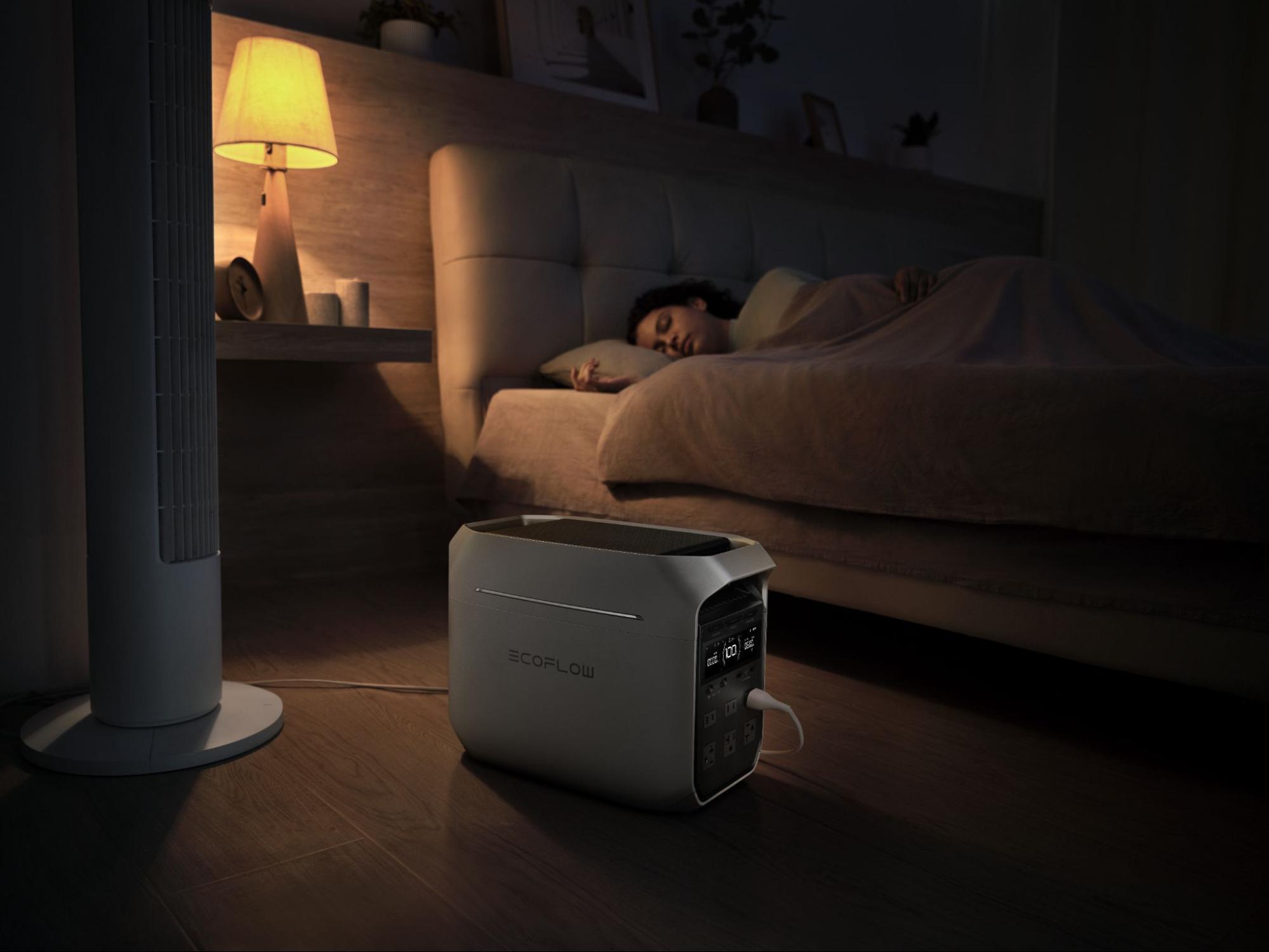
Portable systems are battery-powered and can have widely varying capacities. Their plug-and-play construction means you can operate them without any electrical installation, making them a simple option for those who are not technically inclined.
While capacity and output may be limited by size, you can still power essential devices such as lights, phones, medical equipment, and certain small appliances. One major benefit is that they can easily move between rooms or be taken to different locations, bringing the power with you wherever you go.
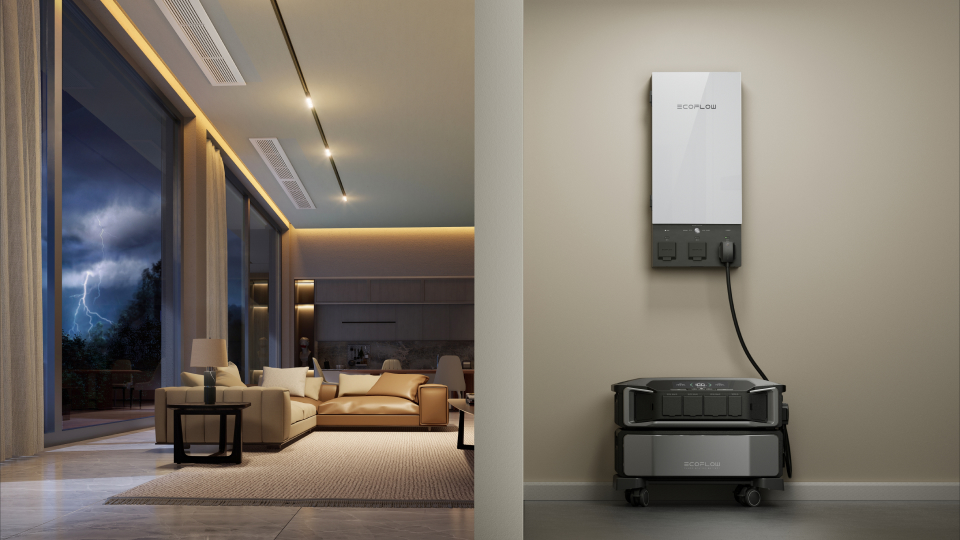
Whole home systems, on the other hand, are permanently installed in your home and connect to your electrical panels. They use automatic transfer switches to immediately engage the backup system during outages without manual intervention. So while they may require professional installation at first, they'll kick on automatically whenever the backup power is needed.
Another significant benefit of the whole-home approach is the much greater capacity to run entire heating systems, full-size appliances, or multiple circuits simultaneously.
Portable Backup Power for Winter Storm Outages
Modern portable power stations use lithium batteries to maintain better performance in cold temperatures than previous lead-acid models. They are ideal for indoor operation because they run quietly and don't produce any toxic emissions, unlike gas generators, which can create ventilation concerns.
They accommodate various device types for charging thanks to multiple USB ports, AC outlets, and 12V sockets, so you can keep your electronics charged even if a winter storm knocks out the power. They can also be charged in various ways, including using solar panels, wall outlets, or 12V car chargers.
If you're worried about limited capacity due to portable limitations, you can often expand the capacity by purchasing additional battery modules and pairing them during extended outages.
Whole-Home Backup Power for Severe Winter Weather
Whole-home backup power has many of the same advantages as portable power stations: no emissions, the ability to run various devices, and quiet operation. But there are additional advantages you won't find in portable power stations.
They start up automatically within seconds of a power loss and integrate seamlessly into a smart home, allowing you to monitor and control their operation through apps. They can also be grid-tied, so you can automatically pre-charge the batteries, keeping them ready when a storm approaches.
How to Size Backup Power for Winter Storm Conditions
The keys to sizing your backup power appropriately are calculating your essential loads and planning for capacity.
Add up the required wattage for all the systems and appliances you want to run on your backup power, and allow for surge power and a 20% buffer in case you need to add new appliances.
Consider the average outage duration based on your local history of utility restoration. You can also factor in the potential of solar recharging, which can help sustain backup power batteries even when the grid is still down.
Multiply the wattage by the time you expect to run your backup system to get a capacity estimate.
Winter-Specific Factors That Affect Backup Power Performance
Lithium batteries can lose capacity in freezing winter conditions
Inverters become slightly less efficient in extreme cold
Solar panel output will decrease as daylight hours shorten in winter
Storing batteries indoors can prevent temperature-related capacity loss
Solar panels can thrive in snowy weather due to the snow’s reflectiveness and cleaning properties
Why Modern Backup Power Systems Make More Sense for Winter Storms
Modern portable power stations and whole-home generators like the EcoFlow DELTA Pro Ultra start up instantly, eliminating the cold-weather starting problems common with gas generators. There's also no risk of carbon monoxide, allowing you to operate them safely indoors during blizzards. Their silent operation does not disturb neighbours during extended outages, giving you peace of mind and keeping your circuits running.
When you control your backup power system via a smartphone app, you can access real-time monitoring and control without leaving your home.
If your capacity needs change over time, modern modular design lets you expand as required by adding additional batteries.
Frequently Asked Questions
How To Stay Warm in Winter if Power Goes Out?
Take a multi-pronged approach if you need to stay warm in the winter when your power goes out. Layer your clothes and use blankets to retain your body heat. Close off any unused rooms to concentrate the warmth in occupied areas. Use backup power systems to run electric space heaters or heated blankets.
Do Solar Panels Work in Winter in Canada?
Solar panels can work in the cold, snowy conditions of the Canadian winter. Snow reflects light onto panels and can actually increase output sometimes on sunny days. Cold temperatures aren't an issue; they can improve panel efficiency. The only concern is reduced daylight hours, which limit your daily energy production.
What Temperature To Leave a Vacant House in Winter in Canada?
In winter, any vacant homes in Canada should maintain a minimum temperature of 15ºC to prevent pipes from freezing and structural damage. If you can program your thermostat remotely, set it to 18-21ºC within 24 hours of returning.
Powering Through Winter Storms with EcoFlow DELTA Pro Ultra
Are you prepared for Canadian winter storms and prolonged outages? If you don't have a reliable backup power solution, consider investing in the EcoFlow DELTA Pro Ultra, a whole-home system that provides comprehensive coverage for extended winter blackouts. They can be installed to seamlessly integrate with your existing electrical systems and switch on automatically whenever you need them. They protect families, prevent property damage, and provide peace of mind amid severe Canadian winter weather.