Route Verte 2026: New E-Bike Charging Stations Along the Trail
Cyclists exploring Quebec's beauty along the Route Verte can access the province's extensive network of EV charging stations, which they can use with an adapter for their e-bikes, helping them cover more miles.
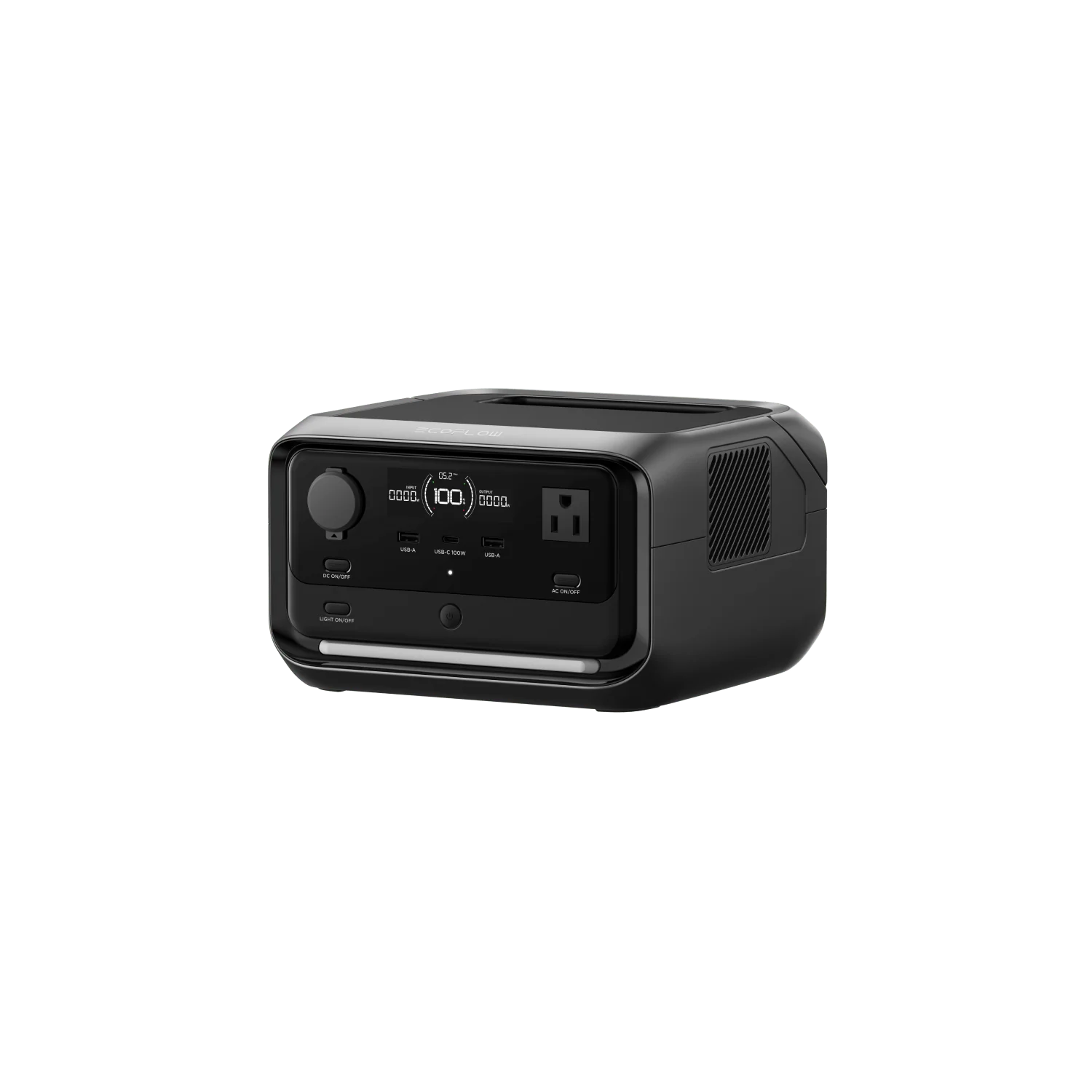
Electric Circuit’s 5,000-plus stations across Quebec are the foundation of the charging options for e-bike tourists who have the proper equipment. Montreal and Quebec City have particularly dense networks supporting multi-day cycling adventures. The growing e-bike tourism industry is benefiting from Quebec's leadership in EV charging infrastructure. We’ll cover this in more detail below, along with why the EcoFlow RIVER 3 Plus is a must-have for your trip.
What is the Route Verte? North America’s Iconic Cycling Network
Route Verte is North America's longest network of cycling trails. It covers 5,034 kilometres across Quebec and was established back in 1995 by Vélo Québec. It connects more than 320 municipalities and attracts over a million visitors each year, contributing $803 million to the country's cycling tourism.
Biking is one of the most popular outdoor activities in Canada, especially in the summer when the weather is nice and the views are boundless. While e-biking might be more of a challenging winter activity, it's still possible with seasonal planning for e-bike touring.
About 37% of these multi-use trails are on converted rail lines, using what would otherwise be unused paths. Plus, with connection points in multiple urban areas, you have ready access to stations whenever you need them.
What’s New in 2026: E-Bike Charging Stations Along the Route
Quebec's EV station network continues to expand. While they're not adding any dedicated e-bike stations, you can use just about any EV charger as long as you have an adapter.
Several programs and initiatives contribute to the widespread presence of EV chargers. Hydro-Quebec has a municipal grant program that adds new locations near parks and other tourist areas throughout 2026. Additionally, Electric Circuit is expanding its network of EV infrastructure that also supports e-bike charging.
When planning your route, know that Montreal and Quebec City have the densest networks through their urban cycling connections. You should also look for level 1 (120V standard AC wall outlet) or level 2 EV stations (240V outlet). With the right adapter technology, these EV stations are easy to use with your e-bike.
Finding power in rural areas is more challenging. You're limited to existing EV locations, so plan your stops in advance to avoid getting stuck without a power source.
How the New Charging Stations Are Designed
There are three types of charging stations designed and constructed along Route Verte. Level 1 chargers use a standard outlet, level 2 chargers use a 240-volt circuit, and fast-charging stations use direct current high-power charging.
Level 2 EV stations typically take 2–4 hours to charge an e-bike. Verify that your adapter equipment matches the e-bike battery specifications and the available connector types. Standard J1772 connectors require a J1772 or NEMA 5-15 (or 5-20) adapter. These specialized adapters convert the 240V AC power from public level 2 stations into a standard household-style 3-prong outlet.
However, if you're using a level 1 charger, you don't need an adapter. All you need is your e-bike charger.
It's unlikely that you'll be able to use a fast-charging EV station for your e-bike.
These EV stations are designed to be weather-resistant so they remain reliable even during varying weather conditions. You can use the Electric Circuit app, the Charge Hub map, or the CAA-Québec TripTik tool to find station availability near you.
Challenges and Opportunities Ahead
2026 is just part of an ongoing initiative to increase EV charging, and thus e-bike charging, along Route Verte. Still, challenges remain.
Adapter Specifics
Adapters are required if you want to charge your e-bike using EV stations. You'll need to carry the compatible adapters with you, and note that different e-bike manufacturers use different port standards, which require different adapter types.
Your adapter will add weight and bulk to your cycling equipment, potentially affecting your touring logistics and packing efficiency.
Infrastructure Gaps
Certain remote Route Verte sections lack nearby EV options. Some rural areas between major towns may have stretches of 50 to 100km without any accessible infrastructure. Northern Quebec and the Gaspé Peninsula are particularly challenging for e-bike range planning.
Equipment Compatibility
Not all e-bike batteries will work with standard EV adapters. European e-bike models might use different voltage standards, making them incompatible with North American EV infrastructure. Other battery management systems in certain e-bikes might prevent the use of non-manufacturer equipment. Always double-check this before you rely on Quebec's EV chargers.
You can always charge your e-bikes at home using a whole-home generator and plan trips within your battery's range.
Cost Considerations
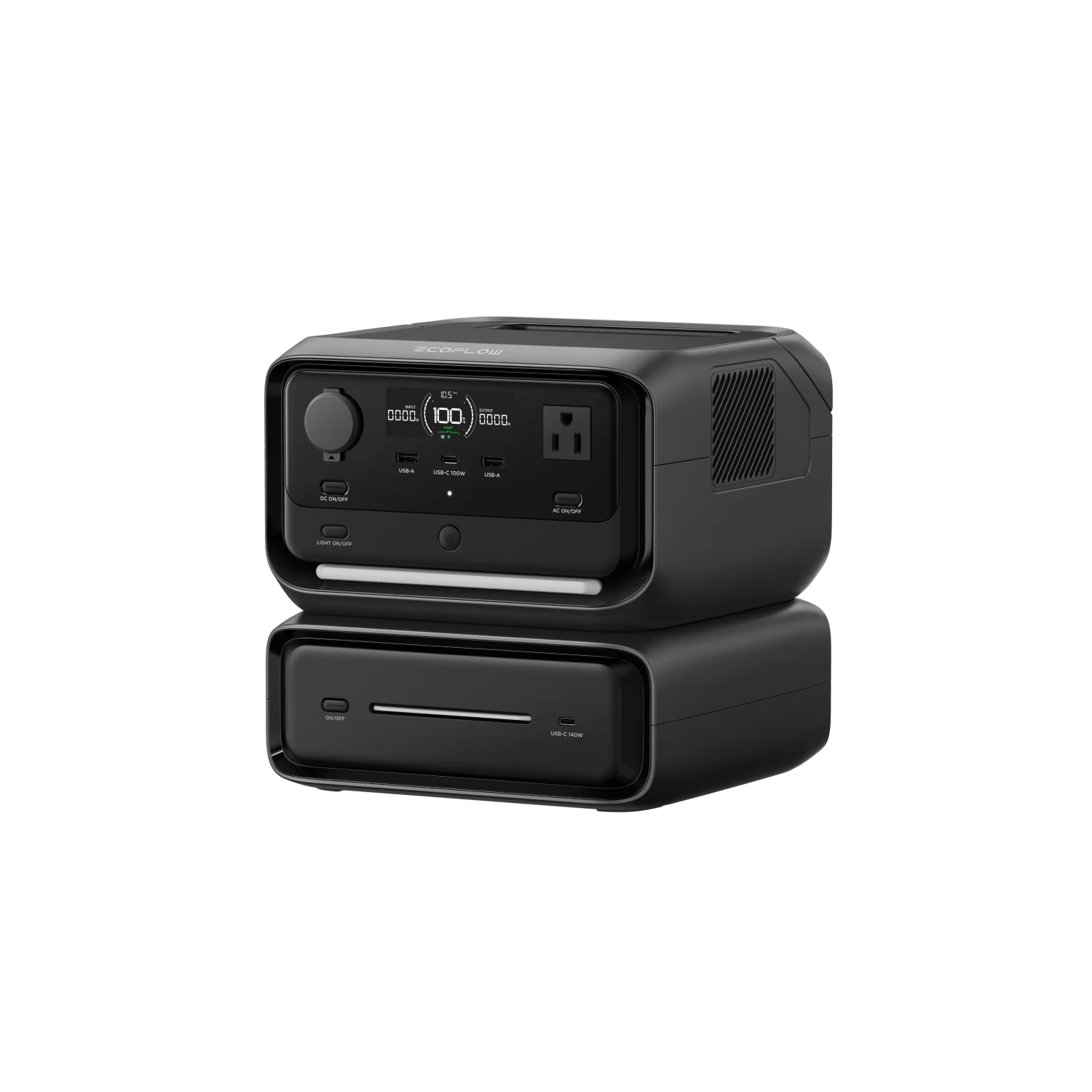
When you're using an EV station to charge your e-bike, you're also paying EV station pricing. Minimum session fees at EV stations can exceed the cost of fully charging a small e-bike battery. It may be more economical to pack a portable power station like those in the EcoFlow RIVER 3 Series, which are compact but can provide enough energy to recharge your e-bike battery.
Access Limitations
Winter weather affects both the charging infrastructure and e-bike viability and accessibility. When snow accumulates on the ground, it can make e-biking and charging difficult, especially if it blocks access to the equipment.
Extreme cold also reduces your e-bike's battery performance and charging efficiency, so you may run out of power before your next planned stop.
Frequently Asked Questions
Where Can I Find E-Bike Charging Stations Along the Route Verte?
You can find EV charging stations along Route Verte, which can also be used for e-bike charging with the proper adapters. However, there are no identifiable e-bike charging stations along Route Verte.
Are Route Vert Charging Stations Free To Use?
No, Route Verte EV stations are not free to use. Most require a minimum payment, with level 1 chargers the cheapest, level 2 mid-range, and fast charging the most expensive. There are no dedicated free e-bike chargers along Route Verte. However, some businesses may allow e-bike recharging at regular electrical outlets.
Quebec’s EV Network Expands E-Bike Charging Access Along Route Verte
While Route Verte doesn't have a dedicated network of e-bike-specific charging infrastructure, you can still benefit from Quebec's extensive EV network, with many stations available throughout Route Verte's paths.
If you're planning a biking trip in this area, plan your recharge stops around the existing EV station locations and remember to bring the proper adapter.
If you're worried about having ample charging options, you can always bring the EcoFlow RIVER 3 Plus, a practical and portable charging station for multi-day cycling tours that won't add too much bulk to your baggage.