How Canadians Turn -20°C Into Fun Winter Activities in Different Cities
When the thermometer hits -20°C, most people think about hiding indoors. But Canadians? We grab our skates, bundle up, and head outside. From Vancouver's rainy walks to Calgary's bright, freezing days, every city has its own way of making winter actually fun. Let's look at what locals really do when winter gets serious.
What Winter Activities Do Canadians Engage in Based on Their Location?
Canada is gigantic, and winter is an entirely different experience depending on where you are. Vancouver receives very little snow, Toronto experiences ice storms, Montreal is buried under mounds of powder, and Calgary experiences -30 °C days with sunshine. This creates each city’s own unique winter experience.
Vancouver: Rainy Winter Escapes
A Vancouver winter = rainy, not snowy. The locals won’t be dissuaded by a little precipitation. Indoor markets continue to thrive, with the Christmas Market in Jack Poole Plaza being the liveliest of them all. As the rains die down, the residents take to the mild trails in the area. Grouse Mountain provides skiing, only 15 minutes away from the city center, so you get to experience the mountains and city lights all in one go.
Toronto: Ice and Underground Fun
Ice rain makes the whole city slippery and unpleasant in Toronto. This is why the PATH is such a great system—it’s more than 30 kilometers of walkways from building to building underground. When the surface is slippery with ice, Torontonians go about their shopping, eating, and working business as usual without having to venture outside. When the weather is good, skating at Nathan Phillips Square is extremely popular.
Montreal: Festival and Snow Culture
Montreal receives ample amounts of real snow, and the city embraces it wholeheartedly. Old Montreal is transformed into a winter wonderland with events happening each and every weekend. Ice skating rinks located at Lac des Castors are full from December through March. Heated outdoor terraces of cafes, typical of Europe, are where Montrealers enjoy hot chocolate while it is actually snowing.
Calgary: Sunny, cold-weather sports
-30°C temperatures and the presence of the sun. Wind from the Chinooks can cause the temperature to change by as much as 20 degrees in a few short hours. This allows the carrying out of external activities even when the cold is bitter. The Olympic Plaza has an ice rink that is always packed. Access to excellent skiing conditions is also available just an hour away in the Rockies.
Every city demonstrates how Canadians adapt winter sport activities as opposed to resisting or denying them.
Where Are the Best Outdoor Winter Activities?
When you're properly attired, winter outdoor activities win hands down against staying indoors. This is where locals go when it’s cold.
Popular Ice Skating Locations
While it is not necessarily an activity that is accessible in other provinces, ice skating is an activity that is uniquely Canadian. This is because ice skating is an activity that takes advantage of one of Canada’s greatest natural resources: snow and ice. While there are certainly other provinces that are also home to beautiful winter climates, none are quite as accessible as Ontario when it comes to ice skating.
Toboggan and Sledding Hills
Every Canadian city has its toboggan hills where families spend winter afternoons. Toronto's High Park and Riverdale Park East get packed on weekends. Montreal's Mount Royal offers multiple sledding areas. These spots cost nothing and provide hours of entertainment. Just bring a sled and dress warm—temperatures don't matter much when you're flying downhill.
Winter Festivals to Visit
Winter festivals make the winter months fun. Winterlude in Ottawa takes place during the last three weekends of February. You can find ice sculptures, snow playgrounds, and ice skating. The Winter Carnival in Quebec City is famous for ice palaces and the parties that occur on the streets. Small towns also host various festivals, and these can be less crowded and more authentic. These winter activities are effective because Canadians invest in the right equipment. With the right boots, clothing, and hand warmers, -20°C is not a problem.
What Are the Best Things to Do in Winter Indoors?
Sometimes the weather's too nasty even for Canadians. That's when indoor winter activities take over.
Underground City Networks
Toronto's PATH system covers more ground than you'd think—it connects Union Station to most downtown offices, stores, and food courts. You could spend an entire day underground without freezing. Montreal's RESO network runs even larger at 33 kilometers, linking metro stations to shopping centers and universities. These aren't just tunnels—they're full underground cities with everything you need.
Museums and Entertainment Centers
Art galleries and museums become packed during winter storms. Toronto's ROM and AGO, Montreal's Museum of Fine Arts, and Calgary's Glenbow Museum offer hours of indoor exploration. Indoor climbing gyms, trampoline parks, and escape rooms provide active alternatives when outdoor activities aren't possible.
Shopping Mall Experiences
Canadian malls serve as community centers during winter. West Edmonton Mall in Alberta claims the title of North America's largest, with an indoor water park, ice rink, and amusement park. Toronto's Yorkdale and Montreal's Carrefour Laval become destinations themselves. These aren't just shopping trips—they're full-day activities when it's too cold outside.
Indoor options matter more than people realize. You can't do outdoor winter activities every single day when winter lasts six months.
How Do Canadians Stay Comfortable During Extreme Winter Weather?
Extreme weather hits every winter—major snowstorms, ice storms, or just days when -30°C feels dangerous. Here's how locals handle it.
Indoor Family Winter Activities
When storms trap families inside, Canadians make it work. Board game marathons, movie nights, and baking projects fill the time. Many families keep puzzle collections specifically for snow days. The key is having activities planned before the storm hits—once you lose power or roads become impassable, you're stuck with whatever's home.
Staying Powered During Blackouts
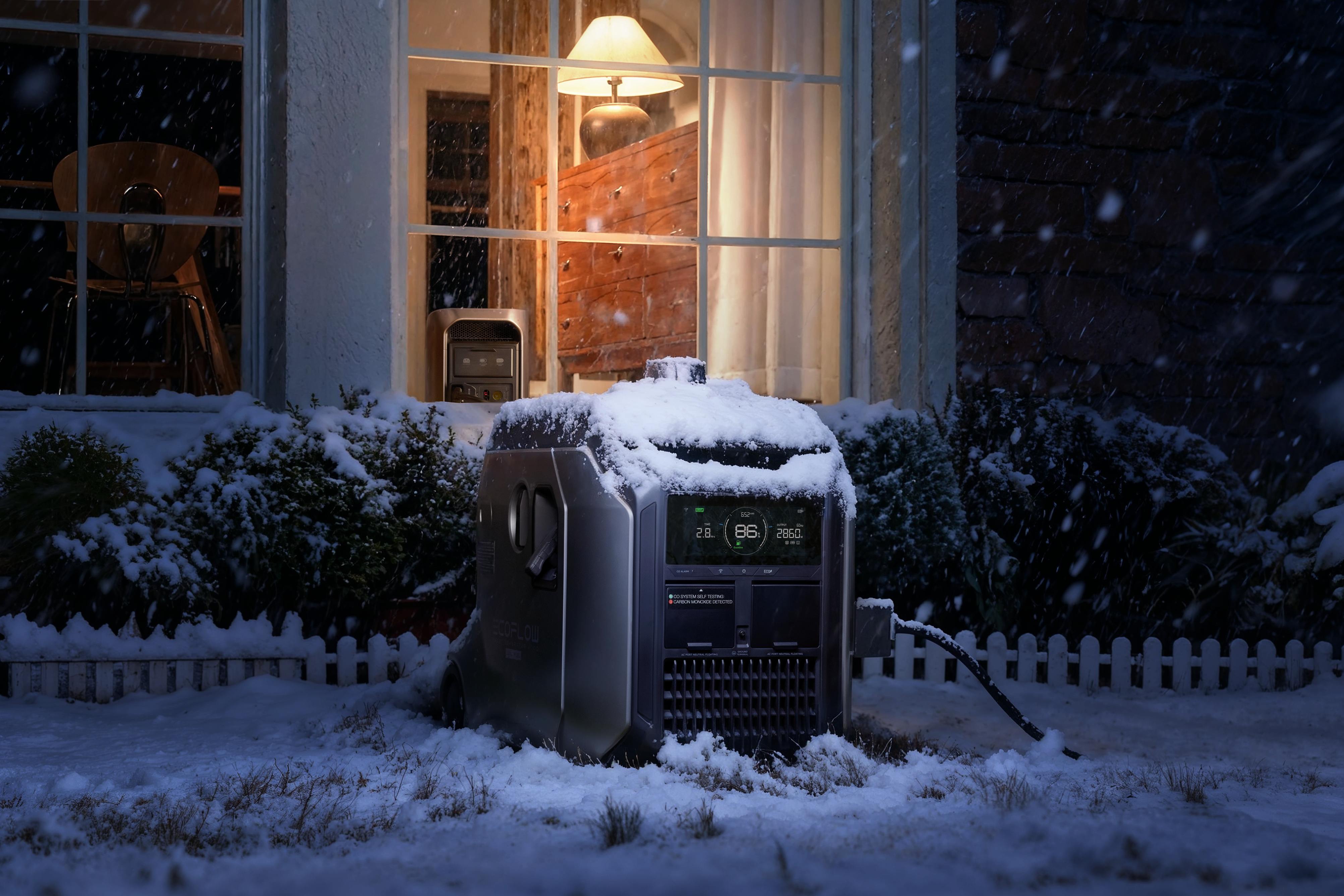
Winter storms knock out power regularly. Ice storms hit Toronto hard in 2013, leaving over 300,000 Toronto Hydro customers without electricity for days. That's why smart families keep portable power stations ready. These units keep projectors running for movie nights, charge gaming consoles, and power electric heaters or blankets when the furnace quits. A decent portable power station can keep essentials running (and help you stay warmer in one room) for a limited time—enough to stay comfortable until power returns.
Power Solutions for Outdoor Activities
Even outdoor winter activities need power now. Phones die fast in cold weather—your battery drains much faster at -20°C. Bringing a small portable power station to the skating rink means you can charge phones, cameras, and rechargeable hand warmers without heading home. Some families keep one in their car for emergencies, too. That’s also where EcoFlow DELTA 3 Plus makes sense as a “leave-it-in-the-trunk” backup—quick to top up at home, strong enough to run more than just USB devices, and ready when a day trip turns into an unexpected cold-weather problem. These units have become as essential as winter boots.
The portable power station market has exploded because Canadians get tired of losing power every winter. Having backup power changes how comfortable you can stay during extreme weather.
FAQs
Q1. How Long Is Winter in Canada?
Winter typically runs from November through March across most Canadian cities, though this varies by region. Vancouver sees the shortest winter with minimal snow, usually just cold rain from December to February. Toronto and Montreal experience full winters from late November through early April, with consistent snow cover. Calgary's winter can stretch from October into May, though Chinook winds provide occasional warm breaks. The further north you go, the longer winter lasts—some northern communities see winter conditions from September through June.
Q2. What’s the Coldest Temperature Canadians Actually Go Outside In?
Most Canadians draw the line around -30°C to -35°C before wind chill. Below that, frostbite risk becomes serious—exposed skin can freeze in under ten minutes. Schools typically close when temperatures hit -35°C with wind chill. That said, you'll still see people outside even colder if they're properly dressed. The key factors are wind chill and how long you'll be exposed. A quick walk to your car at -40°C is manageable; spending an hour outside isn't safe, regardless of clothing.
Q3. Do I Need Special Gear for Winter Activities in Canada?
Yes, regular winter clothing from warmer climates won't cut it. You need insulated boots rated to at least -30°C, layered clothing with a proper winter coat, waterproof gloves, and a warm hat covering your ears. Canadians swear by brands like Canada Goose, Sorel boots, and merino wool base layers. Hand warmers and face protection become essential below -20°C. The investment matters—cheap winter gear fails when temperatures drop, potentially creating dangerous situations far from shelter.
Winter’s Better When You’re Prepared
Winter in Canada lasts too long to spend it all indoors. Whether you're skating on frozen canals, exploring underground cities, or keeping your home powered during blackouts, Canadians have figured out how to make -20°C work. The secret isn't just toughing it out—it's having the right gear, knowing the best spots, and being prepared when the weather turns extreme. Get yourself some proper winter boots, maybe a portable power station, and join us outside. If you want a simple “one device that covers most winter headaches” option, EcoFlow DELTA 3 Plus is an easy pick for home backup and cold-weather days—charge it up, store it safely, and you’re ready for both blackouts and weekend adventures. Winter's actually pretty great once you stop fighting it.