Home Battery Storage Rebates in Canada 2026: Province-by-Province Guide
- How Home Battery Rebates Work in Canada in 2026
- Federal Home Battery Incentives in 2026: What’s Still Available
- Province-by-Province Home Battery Rebates and Programs
- How to Qualify and Maximize Your Rebate Stack
- Choosing a Home Battery System That Fits Rebate Rules and Real Outage Needs
- Frequently Asked Questions
- Get More Value from Rebates with Reliable Home Backup Power
If you’re looking to install a home battery storage system, it makes sense to learn about the rebates in your area. These incentives can save you hundreds, or even thousands, on the overall cost of your system. However, what’s available in one place may not be available in another.
This guide takes a closer look at the rebates in each province, so you can have an idea of the savings that you have access to.
How Home Battery Rebates Work in Canada in 2026
There are three layers of home battery rebates in Canada: federal, provincial, and municipal. While federal rebates were once the largest source of funding for people outfitting their homes with solar or home batteries, many of the leading programs have ended.
As a result, provincial and municipal rebates, which vary and are administered by the provinces or individual cities, are now the most popular way for homeowners to get financial assistance with these system installations.
While many of the benefits across Canada are indeed rebates, that term is often used loosely. A rebate is generally a direct post-installation payment based on the size or cost of your system, and where you live. You can use the funds to recoup your costs after installation.
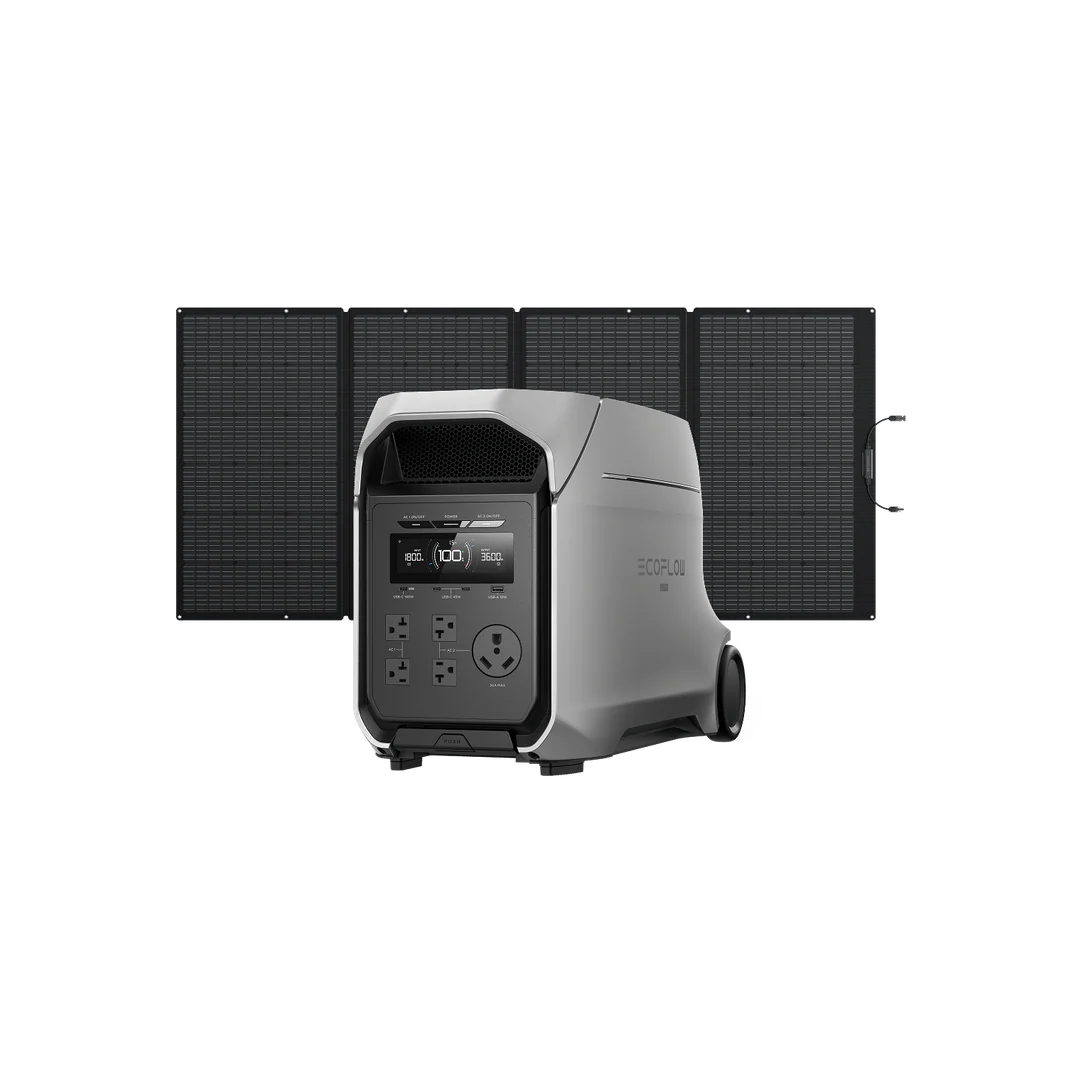
Many rebate programs are structured around solar-plus-battery setups (systems that generate power and store it for later use). A setup like the EcoFlow DELTA 3 ULTRA Plus + 400W Solar Panel is a good example of this pairing: solar input combined with battery storage to reduce your reliance on the grid.
Keep in mind, though, that eligibility rules vary. Some programs only cover permanently installed systems, so it's worth checking what applies to your setup before you buy.
Other benefits such as tax credits, low- or no-interest financing, and net metering are also often grouped with rebates and may be available to homeowners depending on their province.
Federal Home Battery Incentives in 2026: What’s Still Available
Many of the leading federal programs and incentives have ended as of 2026. Unfortunately, this includes the popular Canada Greener Homes Grant and Home Loan programs.
However, there are still a select few federal incentives available for 2026. This includes the Canada Greener Homes Affordability Program (CGHAP) for low-to-median income families, and the Clean Technology Investment Tax Credit (ITC) for businesses.
Province-by-Province Home Battery Rebates and Programs
Thankfully, outside the federal incentives, there are also provincial solar power rebates and home battery programs to take advantage of, though the exact benefits vary by province.
British Columbia | BC Hydro provides up to $5,000 for solar panels and up to $5,000 for battery storage systems. |
Alberta | There are no provincial grants in Alberta, but there are some municipal grants available. Also, there’s the Clean Energy Improvement Program (CEIP), which lets you finance up to $50,000 worth of eligible upgrades at low rates and with flexible terms. |
Saskatchewan | In addition to some cities having their own programs, SaskPower also has a net metering program that lets customers receive credits at $0.075/kWh. |
Manitoba | Manitoba Hydro has a net billing program and a Home Energy Efficiency Loan for up to $20,000, while Efficiency Manitoba provides a solar rebate of $0.50/W, up to $5,000. |
Ontario | There’s the Ontario Home Renovations Savings Program (HRSP), which provides up to $5,000 for solar and $5,000 for batteries. The province also offers net metering, but taking advantage of the HRSP may make you ineligible for this net metering. |
Quebec | Just launched in 2026, Hydro-Québec offers a rebate of $1,000/kW of capacity, covering up to 40% of eligible costs. |
New Brunswick | NB Power has a net metering program that credits excess solar energy at the full retail rate, which is currently $0.15/kWh. |
Nova Scotia | Many municipalities offer 0% to low-rate financing, and the province provides net metering, with credits at $0.18/kWh. |
Prince Edward Island | While the province’s Solar Electric Rebate Program is on pause, PEI offers net metering with tiered rates, which are ~$0.14/kWh for the first 2,000 kWh, ~$0.11/kWh above. |
Newfoundland | Newfoundland Power has a net metering program that lets solar system owners receive credits based on seasonal rates. |
Yukon | Yukon has a renewable energy rebate that provides up to $5,000 for residential systems. |
Northwest Territories | In addition to a net metering program, there’s also Arctic Energy Alliance rebates of $4/W up to $20,000. |
Nunavut | Through the Nunavut Renewable Energy Homeowner Grant Program, residents can enjoy a direct rebate of up to 50% of their costs, with a maximum of $30,000. |
How to Qualify and Maximize Your Rebate Stack
Qualification requirements vary depending on your location and the exact rebate you’re attempting to get. Generally, your system needs to meet the eligibility requirements of the rebate, have the system installed by a certified professional, and be in a home you own.
You may also need to have a home evaluation, prior approval before starting installation, and more. Because qualification and eligibility rules vary, always consult your local rules before getting started.
If you want to maximize your rebate stack, consider pairing the rebate with financing and/or net metering benefits. This helps you speed up your repayment, as you can not only reduce the cost of the system with a rebate, but also get net metering credits for the power you generate, and borrow the funds you used to buy the system at a low rate.
However, keep in mind that this isn’t available in every province, and you may not be able to combine some promotions, benefits, and programs with rebates. For example, in Ontario, you normally can’t stack net metering benefits with the rebate.
Choosing a Home Battery System That Fits Rebate Rules and Real Outage Needs
The right system for you aligns with the rules and requirements in your area, and meets your summer and winter storm outage needs and preferences. This gives you peace of mind and also ensures that you save on purchase and installation costs thanks to the rebate.
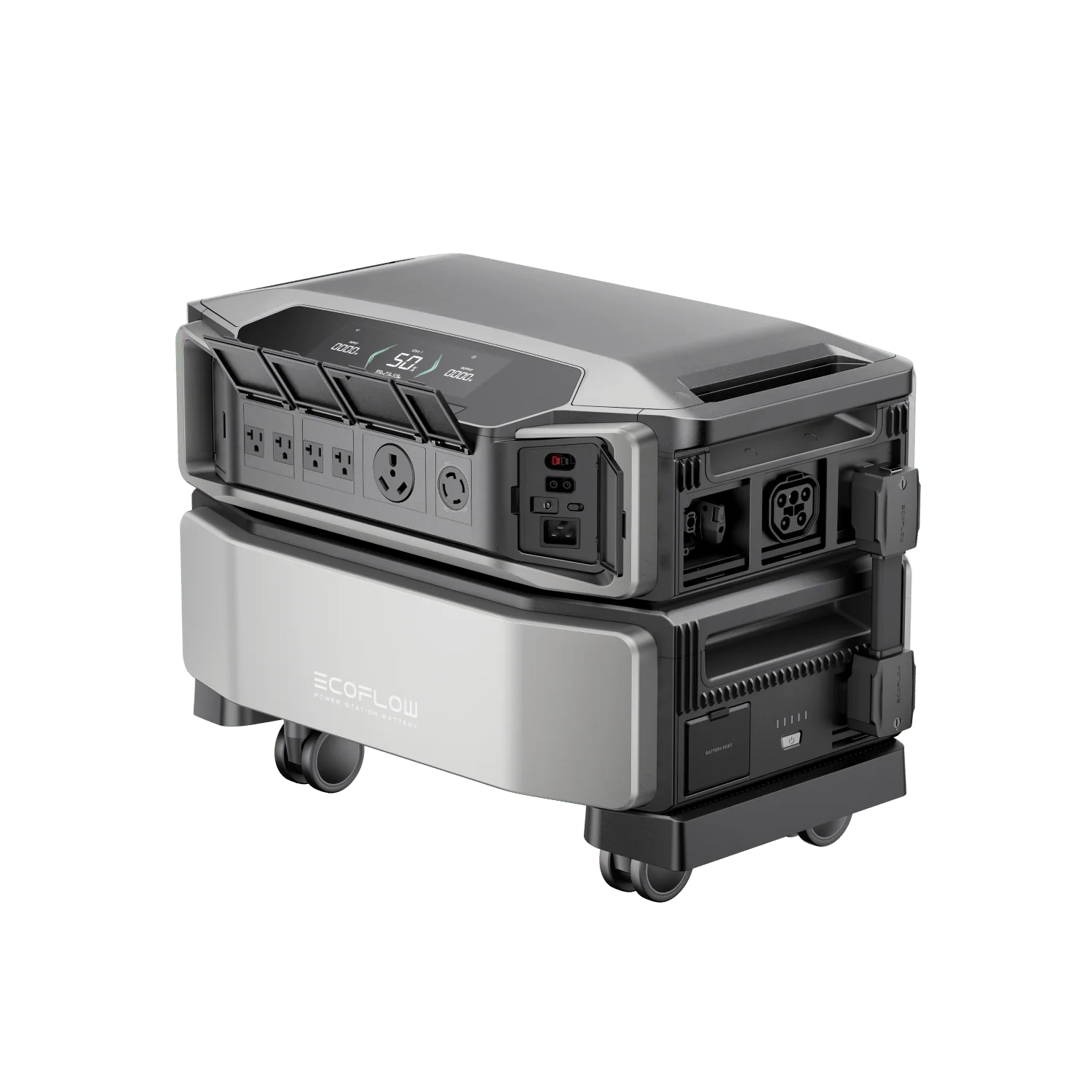
Your needs depend on the size of your home, what you want to operate, and how long you want to keep things powered during an outage. For example, if you’re looking to power your whole home throughout long storms or extended outages, a high-capacity and powerful solution like the EcoFlow DELTA Pro Ultra is worth considering.
On the other hand, someone who only wants the basics covered for a few hours may be able to get by with a smaller and more portable option with limited capacity and output.
Frequently Asked Questions
Are Home Battery Rebates Available in Every Province in 2026?
No, there aren’t upfront province-wide rebates for residential batteries in every province, but most provinces have access to some type of incentive, such as net metering.
Can I Combine a Battery Rebate with Net Metering Credits?
It depends on your location and provider. Some let you combine the two to maximize your return, while others force you to decide between a rebate and net metering.
What Documents Do I Usually Need to Apply for a Battery Rebate?
To apply for a battery rebate, you often need to provide a purchase receipt and invoice, proof of installation, information about the system specifications, a permit or inspection report, and potentially a home energy audit.
Do Rebates Cover Portable Home Backup Systems or Only Permanently Installed Batteries?
Generally, rebates only apply to permanently installed batteries connected to renewable power sources, and not portable power systems.
Get More Value from Rebates with Reliable Home Backup Power
Rebates won't cover everything, but they can meaningfully reduce the upfront cost of a home battery system, and in some provinces, stacking a rebate with financing or net metering brings that cost down further. While many federal programs have ended, provincial and municipal options are still worth pursuing before you buy.
Whether you need a whole home backup power solution or something more portable, EcoFlow has options built for Canadian homes and the outages that come with them.