Humidex Meaning: Why Canadian Summer Heat Feels Worse Than the Temperature
- What Is Humidex?
- How Do You Calculate Humidex?
- Why Does Humidex Feel Worse In Canadian Cities?
- How Should You Plan Outdoor Activities On Humid Days?
- How Can You Keep Your Home Comfortable During Humidex Days?
- How Should Families, Pets, And Older Adults Prepare?
- What Should You Check Before A Hot Summer Weekend?
- Stay Ready For The Next Humidex Day
- FAQs
A Canadian summer forecast can say 28°C, but your body may feel something much heavier when humidity is high. That “feels like” number is often the humidex, a common Canadian weather index that combines heat and moisture in the air. Understanding it helps you plan outdoor time, home cooling, hydration, and summer safety more realistically.
Quick Answer: Humidex is Canada’s “feels like” heat index. It combines air temperature and humidity to show how hot the weather may feel to the average person. When humidex is high, check local heat alerts, reduce strenuous outdoor activity, drink water before you feel thirsty, and move to a cooler place if you feel unwell.
Safety Note: This article provides general heat-safety information only and is not medical advice or a diagnosis tool. If someone has severe symptoms such as confusion, fainting, very hot or red skin, or loss of consciousness during extreme heat, call 911 or your local emergency number.

What Is Humidex?
Many Canadians search “what is humidex” during the first sticky heat wave of the season. The short answer is that it is a Canadian index used to describe how hot the weather feels when humidity is added to the air temperature.
Why Humidity Changes How Heat Feels
Your body cools itself partly by sweating. When the air is dry, sweat can evaporate more easily, helping remove heat from your skin. When the air is humid, evaporation slows down. The result is a warmer, heavier feeling, even if the thermometer does not look extreme.
That is why a 30°C day in dry air can feel very different from a 30°C day in southern Ontario, southern Quebec, or parts of Atlantic Canada after a humid air mass moves in.
Why Canadians Use This Index
The term is especially familiar in Canada because weather forecasts often use it during summer heat events. It helps people understand heat stress more clearly than temperature alone.
For example, a forecast may show the actual temperature and then a higher “feels like” value. That higher value can help you decide whether to shorten a run, move yard work to the morning, check on older relatives, or cool the house before afternoon.
Is It The Same As Temperature?
No. It is not the actual air temperature. It is an index of perceived heat. You should not treat it like a direct thermometer reading, but it is useful for planning comfort and heat precautions.
How Do You Calculate Humidex?
People often search “how to calculate humidex” because the number can seem confusing. The basic idea is simple: start with air temperature, then add the effect of moisture in the air.
Use A Calculator For Everyday Planning
For most people, the easiest method is to use a weather app, official weather page, or humidex calculator. These tools already account for temperature and humidity-related inputs, so you do not need to do the formula manually.
A humidex calculator is useful when you want to compare conditions across the day. For example, 28°C in the morning may feel manageable, while the same temperature later in the day may feel worse if humidity rises.
Technical Note: What Inputs Are Used?
For everyday use, the official humidex calculator asks for air temperature in °C and dew point. The standard Environment Canada formula is based on air temperature plus a humidity adjustment linked to vapour pressure. In simple terms, higher moisture in the air increases the final humidex value, which is why two days with the same temperature can feel very different.
| Input | What It Means | Why It Matters |
| Air temperature | The measured outdoor temperature in °C | Forms the base of the humidex value |
| Dew point | A measure of moisture in the air | Higher dew point usually means more humid air |
| Vapour pressure | Technical moisture-related value used in the formula | Helps estimate how much humidity changes perceived heat |
Why The Formula Is Not Usually Needed
If you are trying to understand how to calculate humidex for educational purposes, the technical formula uses air temperature and moisture information. In daily life, however, the exact formula matters less than the result and what it means for your plans.
The key question is not only “What is the number?” It is “Should I adjust my activity, hydration, cooling, or travel plan?”
What The Number Can Help You Decide
A higher reading may suggest that you should reduce outdoor exertion, drink water earlier, seek shade, check cooling options, and avoid leaving children or pets in parked vehicles. It can also help cottage owners, renters, and homeowners prepare for indoor heat.
Why Does Humidex Feel Worse In Canadian Cities?
Urban summer heat can feel different from cottage country or coastal areas. Buildings, pavement, limited shade, and overnight warmth can all affect comfort.
Why Toronto Often Feels Sticky
Searches like “humidex Toronto” usually rise during heat waves because the city can feel muggy in summer. Southern Ontario often experiences warm air, humidity, and urban heat together, especially in dense neighbourhoods with lots of pavement.
If you are checking humidex Toronto forecasts, look beyond the afternoon high. Also check overnight lows, humidity, air quality, and whether your home can cool down after sunset.
Because heat warnings are issued based on local climate conditions, a humidex Toronto forecast should be read together with local heat alerts, overnight lows, and air quality updates rather than judged by one number alone.
Why Indoor Heat Can Build Up
Apartments, condos, older homes, and rooms facing direct sun can remain warm even after outdoor temperatures drop. High humidity can make indoor spaces feel uncomfortable, especially when air movement is limited.
Fans can help move air, but they may not be enough during more serious heat events. Air conditioning, cooling centres, shaded spaces, and cooler lower levels of a home may be important options depending on the situation.
Why Regional Differences Matter
A hot day in Vancouver, Halifax, Montreal, Winnipeg, or Toronto may feel different because humidity, wind, shade, and building design vary. Always check your local forecast instead of relying on a national headline.
How Should You Plan Outdoor Activities On Humid Days?
Summer plans do not always need to be cancelled, but they may need better timing and more breaks. The goal is to reduce heat stress while still enjoying the season.
Move Activity To Cooler Hours
Plan yard work, runs, sports, hikes, and dog walks earlier in the morning or later in the evening when possible. Midday and afternoon are often harder on the body, especially when humidity is high.
If you must be outside, reduce intensity, wear breathable clothing, take breaks, and move into shade regularly.
Bring More Water Than Usual
Drink before you feel thirsty. Bring extra water for children, pets, and older family members. If you are going to a beach, cottage, campground, or outdoor event, do not assume water will be easy to access. A cooler with drinks and fruit can make long summer outings more comfortable.
Watch For Heat Stress Signs
Common warning signs can include dizziness, headache, heavy sweating, weakness, nausea, confusion, or feeling unusually tired. Take symptoms seriously, especially for children, older adults, pregnant people, outdoor workers, and people with medical conditions.
Move to a cooler place, drink water, and seek medical help if symptoms are severe or do not improve. Call 911 or your local emergency number if someone has a high body temperature and is confused, unconscious, very hot or red, or stops sweating.
How Can You Keep Your Home Comfortable During Humidex Days?
Home preparation matters because heat can build up over several days. A simple plan can help keep rooms more livable.
Block Heat Before It Enters
Close blinds or curtains on sunny windows during the hottest part of the day. Use fans to improve air movement where appropriate. If the outdoor air is hotter than indoor air, avoid opening windows during peak heat unless ventilation is needed. At night, open windows only if the outdoor air is cooler and safe to bring in.
Set Up A Cooling Zone
Choose one room as the main cooling zone. This may be a room with air conditioning, fewer windows, or better shade. Keep water, medications, phone chargers, and pet supplies nearby.
During high heat, it can be easier to cool one room well than to make the whole home equally comfortable.
Think About Home Devices And Backup Power
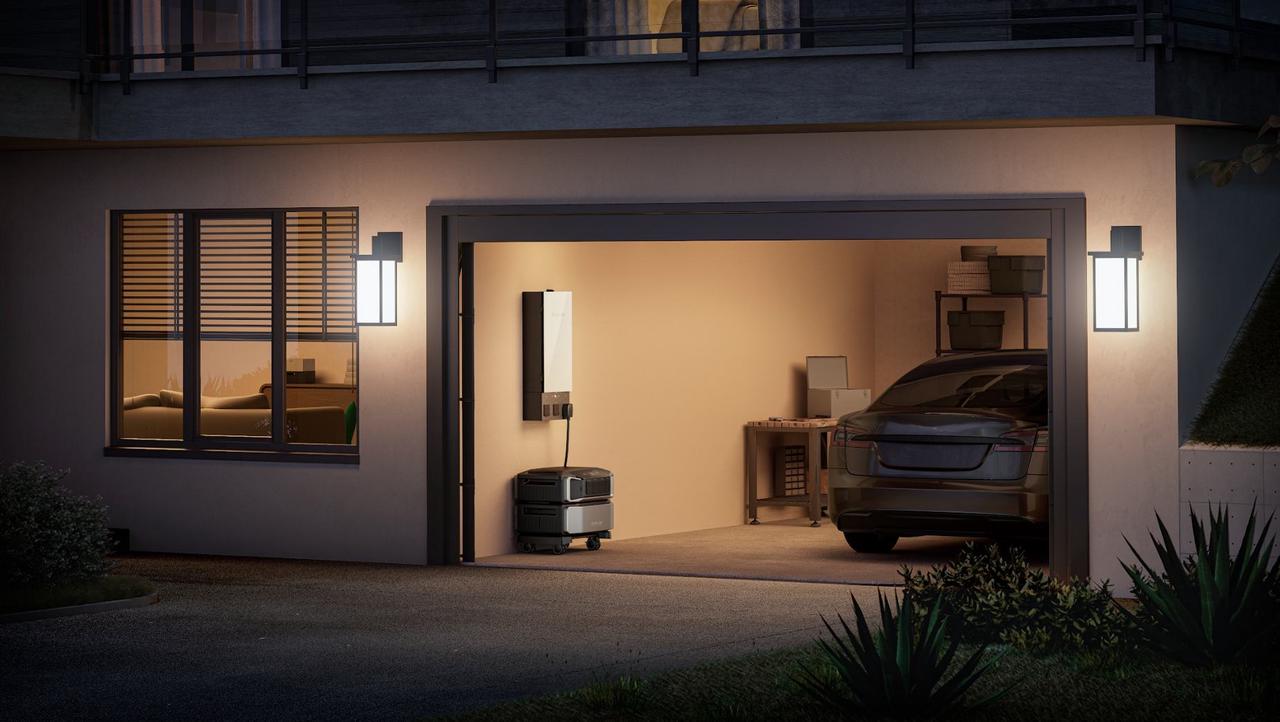
During high-humidity heat, fans, portable AC units, refrigerators, and routers may matter more if storms or outages affect the home. As one option, EcoFlow DELTA Pro Ultra Whole-Home Backup Power can support home backup planning for essential devices, but it should be paired with local heat alerts, safe cooling spaces, and an emergency plan. This is especially relevant for households that rely on cooling equipment, connected devices, or refrigerated essentials during summer storms or grid disruptions.
How Should Families, Pets, And Older Adults Prepare?
Some people and pets are more sensitive to heat. A household plan should include the people who may need help before symptoms appear.
Children And Babies
Children can overheat faster than adults because they may not notice or explain symptoms early. Keep them hydrated, dress them in light clothing, and avoid long outdoor play during the hottest hours. Never leave a child in a parked vehicle, even for a short stop.
Older Adults And People With Health Conditions
Older adults, people with heart or lung conditions, people taking certain medications, and those without reliable cooling may need extra support. Check in during heat events, especially if they live alone. Help them access cooling centres, shaded spaces, or air-conditioned rooms if needed.
Pets
Dogs and cats also feel heat stress. Provide water, shade, and indoor rest. Avoid walking dogs on hot pavement, and keep exercise short during humid conditions. Pets should not be left in parked vehicles.
What Should You Check Before A Hot Summer Weekend?
A heat-ready weekend plan should include weather, air quality, food safety, and backup options. This is especially useful for cottages, camping, city events, and road trips.
Check The Local Forecast
Look at the actual temperature, “feels like” value, humidity, overnight low, thunderstorm risk, and air quality. If you search humidex Toronto before a city weekend, also check neighbourhood-level heat alerts and local cooling options.
For travel, compare your home forecast with your destination. A lake area, downtown core, or inland campground may feel different.
Prepare Food And Drinks
Keep cold foods cold, pack enough water, and avoid leaving groceries in a hot car. If travelling, bring a cooler and frozen packs. For backyard meals, serve smaller portions and keep extras chilled.
Heat and humidity can make food safety more difficult, especially during long outdoor gatherings.
Create A Simple Backup Plan
Know where you can cool down if your main plan becomes uncomfortable. This could be a shaded park, library, mall, community centre, friend’s home, or air-conditioned room.
A humidex calculator can help compare different times of day, but local alerts and your own body response should guide final decisions.
Stay Ready For The Next Humidex Day
Humidity can turn a warm Canadian summer day into a more demanding heat experience. Learn what the index means, check local forecasts, drink water early, cool your home strategically, and adjust outdoor plans when needed. For home cooling backup and essential devices, consider EcoFlow DELTA Pro Ultra Whole-Home Backup Power as part of summer preparedness.
FAQs
Q1. What Is Humidex In Canada?
It is a Canadian weather index that describes how hot the air feels when humidity is combined with temperature. It is not the same as the actual thermometer reading. It helps people understand why humid summer heat can feel more intense.
Q2. How Is Humidex Different From Temperature?
Temperature measures the air itself. The index estimates how hot conditions may feel to the average person when humidity is included. A day can be 28°C but feel much hotter if sweat does not evaporate easily.
Q3. How Do You Calculate Humidex?
The easiest way is to use an official humidex calculator. It usually requires air temperature and dew point. The technical formula uses air temperature and vapor pressure, which is derived from the dew point. For normal planning, the official calculator or local forecast is more practical than manual calculation.
Q4. Why Does Humidex Feel So High In Toronto?
Toronto can feel very humid in summer because warm air, lake-influenced weather patterns, dense buildings, and paved surfaces can combine. That is why many people search humidex Toronto during heat waves before planning commuting, outdoor events, or home cooling.
Q5. What Humidex Level Is Dangerous?
Environment and Climate Change Canada lists humidex 40 to 45 as great discomfort, with advice to avoid exertion, and 46 or higher as dangerous, with possible heat stroke. Individual risk still depends on age, health, activity level, shade, hydration, and access to cooling. Follow local heat alerts and seek urgent help for severe symptoms.
Q6. Should I Exercise Outside When The Humidex Is High?
It may be better to move exercise to early morning, evening, indoors, or a cooler shaded location. Drink water before and after activity, reduce intensity, and stop if you feel dizzy, weak, nauseated, or unusually tired.
Q7. Can Fans Help During Humid Weather?
Fans can improve air movement and comfort, but they may not be enough during severe heat, especially in very warm indoor spaces. Air conditioning, cool showers, shaded areas, and community cooling spaces may be more effective when conditions are intense.