Beat the Heat: Reliable Humidex Calculator for Summer Safety
- What Is Humidex and How It Measures “Feels-Like” Temperature
- Humidex Calculator: Calculate Your Heat Risk Instantly
- Humidex vs. Temperature and Heat Index: What’s the Difference?
- How to Use a Humidex Calculator (Simple Step-by-Step Guide)
- Understanding Humidex Levels and Heat Risk in Real Life
- How High Humidex Affects Everyday Comfort and Energy Use in Canada
- How to Stay Safe When Humidex Is High (Practical Guide)
- Conclusion
- FAQ
A 30°C summer day in Canada can feel much hotter when humidity levels are high. While the temperature shown on a weather app tells you the actual air temperature, it does not always reflect how hot conditions feel to your body. That’s why the Humidex is used to measure the combined effect of temperature and humidity. This guide explains what the Humidex means, how to use a Humidex calculator to plan your summer activities safely, and practical ways to keep your home cool when extreme heat puts extra pressure on the power grid.
What Is Humidex and How It Measures “Feels-Like” Temperature
Humidex is one of the most commonly used summer weather indicators in Canada. Understanding what it represents can help you better interpret heat conditions and weather forecasts.
Definition of Humidex
Developed in Canada in 1965, the Humidex is a heat index that combines air temperature and humidity to estimate the level of heat discomfort people may experience. It is commonly used across Canada during the summer to communicate heat risks and help people plan outdoor activities safely.
How Humidex Combines Temperature and Humidity
When humidity levels are high, sweat evaporates more slowly, so your body has a harder time cooling itself down. A Humidex calculator takes temperature and either humidity or dew point readings to estimate how hot it actually feels, compared to what the thermometer shows.
Why Canadian Weather Forecasts Rely on Humidex
In Canada, especially in places like Ontario and Quebec, high humidity can make summer temperatures feel far more intense than they actually are. Weather agencies rely on Humidex readings to issue heat warnings and help people adjust their outdoor plans when the risk of heat-related issues increases. For households preparing for prolonged periods of extreme heat, a solar generator may also form part of a broader emergency readiness strategy in case severe weather affects local power reliability.
Humidex Calculator: Calculate Your Heat Risk Instantly
A Humidex calculator helps you quickly understand how temperature and humidity combine to affect your comfort and heat risk.
| Temperature | Relative Humidity | Humidex |
|---|---|---|
| 25°C | 40% | 26 |
| 30°C | 30% | 32 |
| 30°C | 50% | 36 |
| 30°C | 70% | 41 |
| 35°C | 60% | 48 |
As shown above, humidity can significantly increase the perceived temperature. A 30°C day with 70% humidity can feel much hotter than the same temperature in dry conditions, which is why checking the Humidex is important during Canadian summer heat waves.
Humidex vs. Temperature and Heat Index: What’s the Difference?
Before planning outdoor activities, it helps to understand how Humidex differs from regular temperature readings and the U.S. Heat Index.
| Feature | Humidex | Actual Temperature | U.S. Heat Index |
|---|---|---|---|
| What it measures | How hot the weather feels by combining temperature and humidity | The actual air temperature measured by weather instruments | How hot conditions feel based mainly on temperature and humidity |
| Main purpose | Shows heat discomfort and humidity-related stress | Shows the actual level of heat in the air | Communicates heat risk, especially in hot and humid conditions |
| Used mainly in | Canada | Worldwide | United States |
| Key factors | Temperature + humidity/dew point | Air temperature only | Temperature + relative humidity |
| Example | 30°C with high humidity can feel above 40 | 30°C means the actual air temperature is 30°C | 30°C with high humidity feels hotter |
Humidex vs. Actual Temperature
The key difference is that temperature measures the air itself, while the Humidex tells you how that air actually feels on your body. A 30°C day can be perfectly comfortable in dry conditions, but combined with high humidity, it becomes significantly more taxing on the body.
Humidex vs. U.S. Heat Index
Both the Humidex and the Heat Index are designed to show how humidity affects how hot it feels, but they use different formulas and are meant for different regions. The Humidex is the standard here in Canada, while the Heat Index is what they use in the United States.
Which One Is More Relevant in Canada
The Humidex is primarily used in Canada. It is included in many Canadian weather alerts and public safety messages. Keeping an eye on the Humidex helps you follow widely used Canadian heat safety guidance and understand when conditions may require changes to outdoor activities or work practices.
How to Use a Humidex Calculator (Simple Step-by-Step Guide)
Using a digital Humidex calculator is the quickest way to get a clear read on current conditions. It saves you from having to work through any complicated formulas and gives you instant results.
Key Inputs: Temperature and Relative Humidity
To use a Humidex calculator, you only need two basic inputs: the current air temperature in Celsius, and either the relative humidity percentage or the dew point (the temperature at which air turns into liquid water droplets—the higher the dew point, the stickier and more humid the air feels). You can grab both from any local weather forecast, or measure them yourself with a simple home hygrometer.
Step-by-Step Use of a Humidex Calculator
Calculating your current exposure takes only a few seconds when following these simple steps:
Open a trusted meteorological tool, such as Environment Canada’s official weather calculator or the OHCOW Humidex-based Heat Stress Calculator (which aligns with the Canadian Ministry of Labour safety standards).
Input the current outdoor or indoor ambient air temperature in the Celsius field.
Enter the relative humidity percentage (e.g., 65%) or the current dew point.
Click “Calculate” to reveal the current Humidex value and read the corresponding comfort or safety risk category.
Example Scenarios Showing Real-Life Differences
To put this into perspective, let’s look at how humidity drastically alters the perceived environment:
Scenario A (Dry Heat): Actual Temperature = 30°C, Relative Humidity = 30%. The calculated Humidex is roughly 32, which feels comfortable for most individuals.
Scenario B (Humid Heat): Actual Temperature = 30°C, Relative Humidity = 70%. The calculated Humidex skyrockets to approximately 41, which indicates dangerous conditions requiring immediate precautionary measures.
Understanding Humidex Levels and Heat Risk in Real Life
Interpreting what the final number actually means for your body is vital for maintaining physical safety during peak summer stretches.
Humidex Scale Breakdown (Comfort to Danger Levels)
The Humidex scale used by Environment and Climate Change Canada provides a general guide for understanding heat discomfort levels and assessing when hot and humid conditions may require extra precautions.
Less than 29: Little or no discomfort; safe for standard activities.
30 to 39: Some discomfort; evident bodily sluggishness.
40 to 45: Great discomfort; avoid non-essential physical exertion.
Above 45: Dangerous conditions; prolonged exposure can increase the risk of heat-related illness.
Health Risks Linked to High Humidex Levels
When the Humidex rises above 40, conditions are considered extremely uncomfortable, and the body faces greater difficulty cooling itself through sweat evaporation. Reducing unnecessary physical activity and staying hydrated can help lower heat-related risks.
High-Risk Groups Who Should Monitor Humidex Closely
Certain groups need to be especially careful when the Humidex enters warning territory. That includes babies and young kids, whose sweat glands aren’t fully developed, seniors over 65 who may have less cardiovascular capacity, people who work outdoors, and anyone managing a chronic respiratory condition.
How High Humidex Affects Everyday Comfort and Energy Use in Canada
As summers get hotter across the country, high humidity does more than increase outdoor discomfort, it also affects indoor cooling efficiency and energy demand.
Why Air Conditioning Demand Spikes During Humid Heat
During extreme Humidex events, a lot of households crank up their air conditioners, which can increase electricity demand across the region. That collective reliance on central cooling can put added strain on the grid just when it’s already under pressure from the heat. In such conditions, some households also consider a portable power station to maintain basic cooling and communication during peak demand periods.
How Humidity Increases Cooling Load (Humidex Effect)
In a high Humidex environment, your air conditioner has to do two different jobs: bring down the actual air temperature—that’s sensible cooling—and pull moisture out of the air, which is latent cooling. Because dealing with humid air takes a lot more energy than moving dry air, your AC compressor ends up running much longer. That means it draws steady power and drives your utility bills up.
Why Backup Cooling Becomes Important During Extreme Heat
When the Humidex stays high for days on end, particularly across Canada’s most populated central corridors, electricity demand tends to surge and put pressure on the grid. Heat waves or summer storms can knock out power just when you need your AC, fans, and ventilation the most. Having a reliable backup power system on hand can help keep essential cooling running and protect your household during extreme heat events.
For many Canadian households, staying safe during extreme Humidex events is about maintaining access to cooling when electricity becomes unreliable. This is where a home backup power solution becomes valuable.
The EcoFlow DELTA Pro Ultra Whole-Home Backup Power is suitable for extended outage scenarios. With strong output capacity and expandable storage, it can help support selected essential home systems at the circuit level, depending on configuration, such as refrigerators, dedicated ventilation systems, and other critical household loads that contribute to maintaining livable indoor conditions over longer durations, including key cooling-related systems where configured.
How to Stay Safe When Humidex Is High (Practical Guide)
Preparing ahead and creating a cooler home environment are two of the best ways to stay comfortable during extreme summer heat.
Outdoor Safety: Hydration and Knowing When to Stay Inside
When the Humidex hits 40 or higher, try to cut back on heavy outdoor activities and move any non‑essential tasks indoors if you can. Keep drinking water throughout the day, and consider electrolyte drinks if you’re out in the heat for a while. Limit the consumption of alcohol and excessive caffeine. If you do have to be outside, wear light, breathable clothing, find shade when you can, and use sun protection to keep heat stress in check. For scenarios like camping, a portable air conditioner is an absolute must-have device for a cool summer.
Passive Cooling Strategies for Homes Without AC
If your home doesn’t have air conditioning, there are a few simple ways to cut down on indoor heat. Keep your curtains or blinds drawn during the hottest part of the day to block out the sun. At night, open windows on opposite sides of the house to let the cooler air flow through. Take advantage of naturally cooler spots in the house, like the basement.
Incorporating these simple habits into your broader heat wave preparedness routine can help reduce your vulnerability during periods of extreme temperature shifts.
Emergency Backup Plans for Summer Power Outages
During an extended heat warning, a sudden blackout can quickly turn dangerous. Severe summer storms or heat-induced grid overloads can instantly leave your household without access to active cooling infrastructure. When ventilation stops, indoor heat and moisture build up fast, making a reliable backup power source an important part of a practical summer preparedness plan.
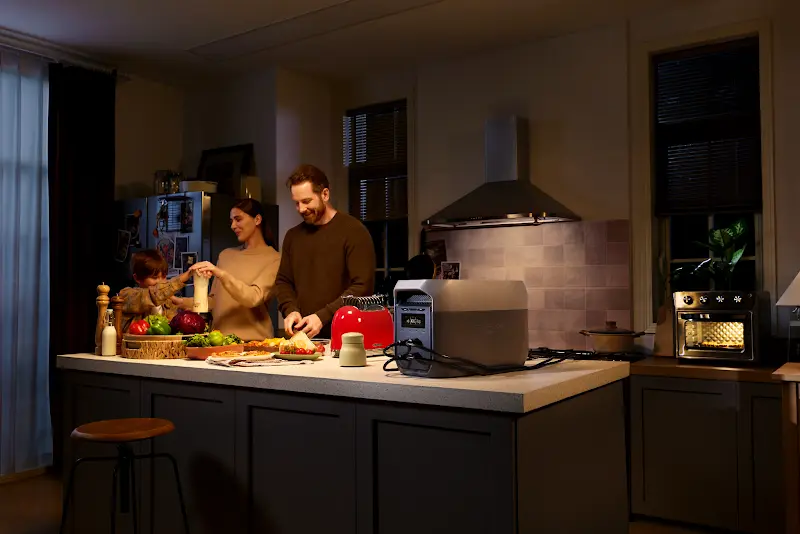
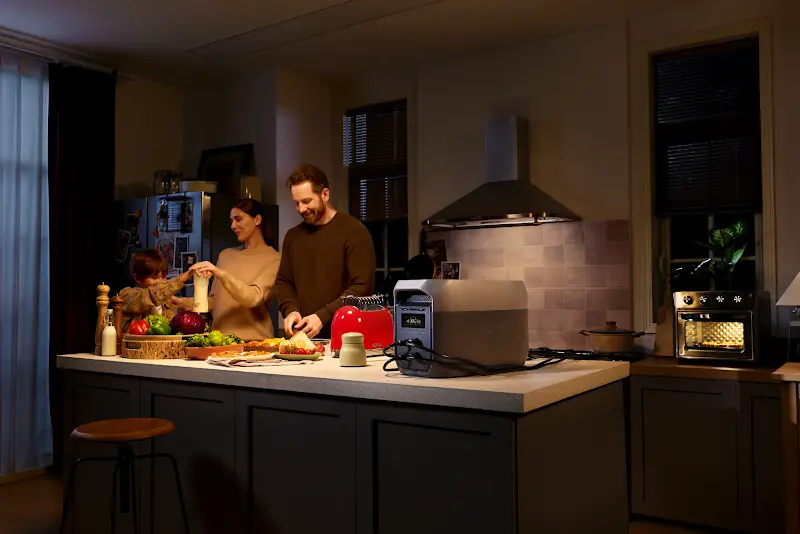
For immediate, flexible emergency cooling, the EcoFlow DELTA 3 Max Portable Power Station (2048Wh) provides a practical backup power option for summer emergencies, helping keep essential devices running, including fans, dehumidifiers, refrigerators, and communication equipment. Its portable design makes it particularly useful for maintaining basic comfort and connectivity during short-duration outages.
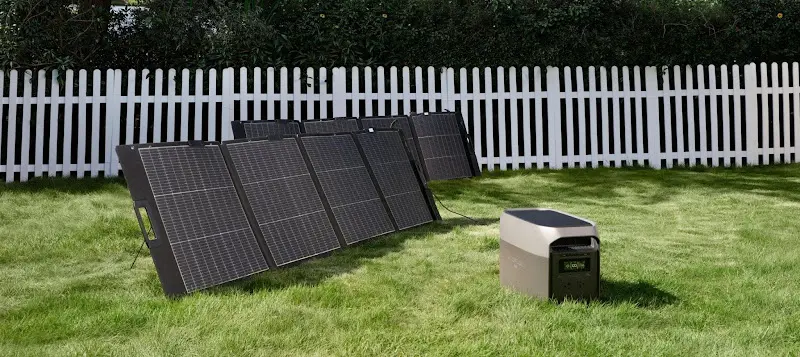
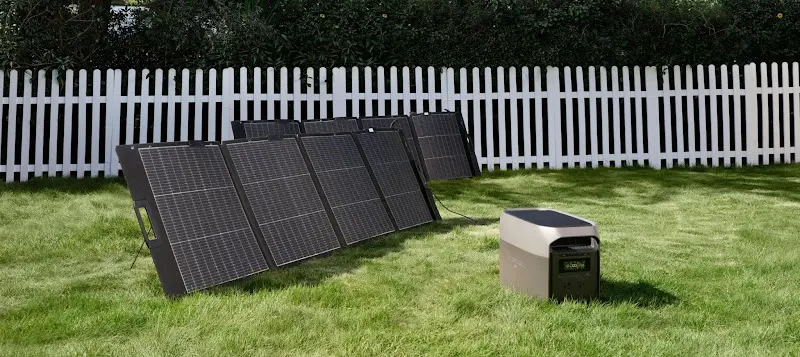
For longer outages, pairing it with solar panels adds an extra layer of energy independence. This setup allows you to recharge using solar power during sunny Canadian summer days while keeping essential devices powered when the grid is unavailable.
Conclusion
During Canada’s hottest summer days, checking the Humidex can be just as important as checking the temperature. Checking the Humidex alongside the temperature can give you a much clearer picture of summer heat risk. Keep a reliable calculator handy to check conditions, know when it’s getting into the danger zone, and make sure your home has backup power if the grid goes down. That way, you and your family stay cool, comfortable, and safe all summer long.
FAQ
What Is a Good Humidex Level for Outdoor Activity?
A Humidex below 29 generally indicates comfortable conditions for outdoor activities. It means most people won’t feel much physical discomfort. In that range, you can safely go for a hike, play sports, or do yard work without worrying too much about the heat.
Can Humidex Predict Heat Stroke Risk?
Yes, a Humidex between 40 and 45 indicates conditions where the risk of heat-related illness increases significantly. When it climbs past 45, consider it a clear warning—spending too much time outside in those conditions can easily lead to a serious medical emergency.
Do All Canadian Cities Use Humidex?
Humidex is commonly used in many parts of Canada, particularly in regions where summer heat and humidity are more pronounced.
How Often Should I Check Humidex During Summer?
It’s a good idea to check the Humidex at least once a day during the summer, ideally in the morning before you map out any outdoor plans. If a heat warning has been issued, keep an eye on updates every few hours so you can stay on top of changing conditions.
Can the Humidex Be High Indoors?
Yes. If your home has poor ventilation and you aren’t running an air conditioner or dehumidifier, indoor moisture and heat can trap inside, sometimes driving the indoor Humidex even higher than outdoors. This is exactly why having a reliable backup power source to keep fans, dehumidifiers, or portable cooling units running is so critical for summer safety.