What Can I Run With the EcoFlow DELTA Pro Ultra?
Until recently, owning a whole home backup or standby generator powerful enough to keep all your appliances and HVAC systems running during a blackout meant buying a massive fossil fuel-powered system and installing it a safe distance from your house.
Not anymore.
EcoFlow’s DELTA Pro Ultra provides more than enough electricity to run your entire home — even during extended power outages.
Whether you opt for clean, renewable solar energy to keep EcoFlow DELTA Pro charged and ready — or any of the other five charging options — this hybrid generator can power every appliance and system in your home.
Just how much electricity can EcoFlow DELTA Pro Ultra provide?
And for how long?
Read on to find out.
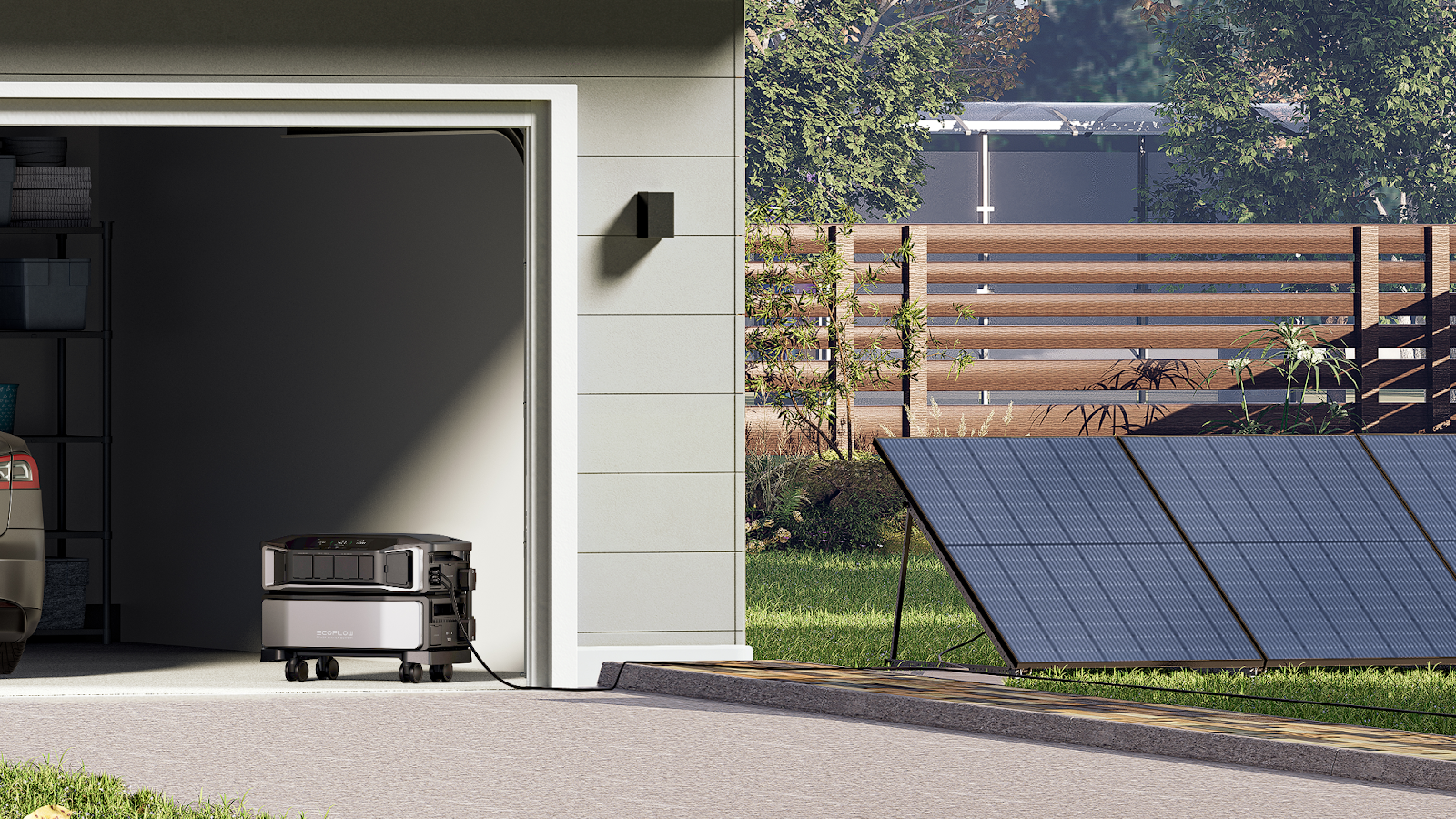
What Is EcoFlow DELTA Pro Ultra?
EcoFlow DELTA Pro Ultra is a whole home backup generator and hybrid solar power solution that can operate a house full of appliances for up to a month off-grid or — with enough solar panels — indefinitely!
It’s the latest and most powerful solar generator in EcoFlow’s award-winning DELTA series.
EcoFlow DELTA Pro Ultra’s modular design gives you the option of expanding from 6 kWh of solar battery storage to 90kWh and from 7.2 kilowatts of output to 21.6 kW by connecting 3 x DELTA Pro Ultra inverters.
With the option to connect up to 42 x 400W solar panels, you can cut your electricity bills to zero (or less).
And because it’s a hybrid solar system that provides solar + storage, it offers total home energy security even during extended blackouts.
Traditional on-grid solar panel systems DO NOT WORK during power outages.
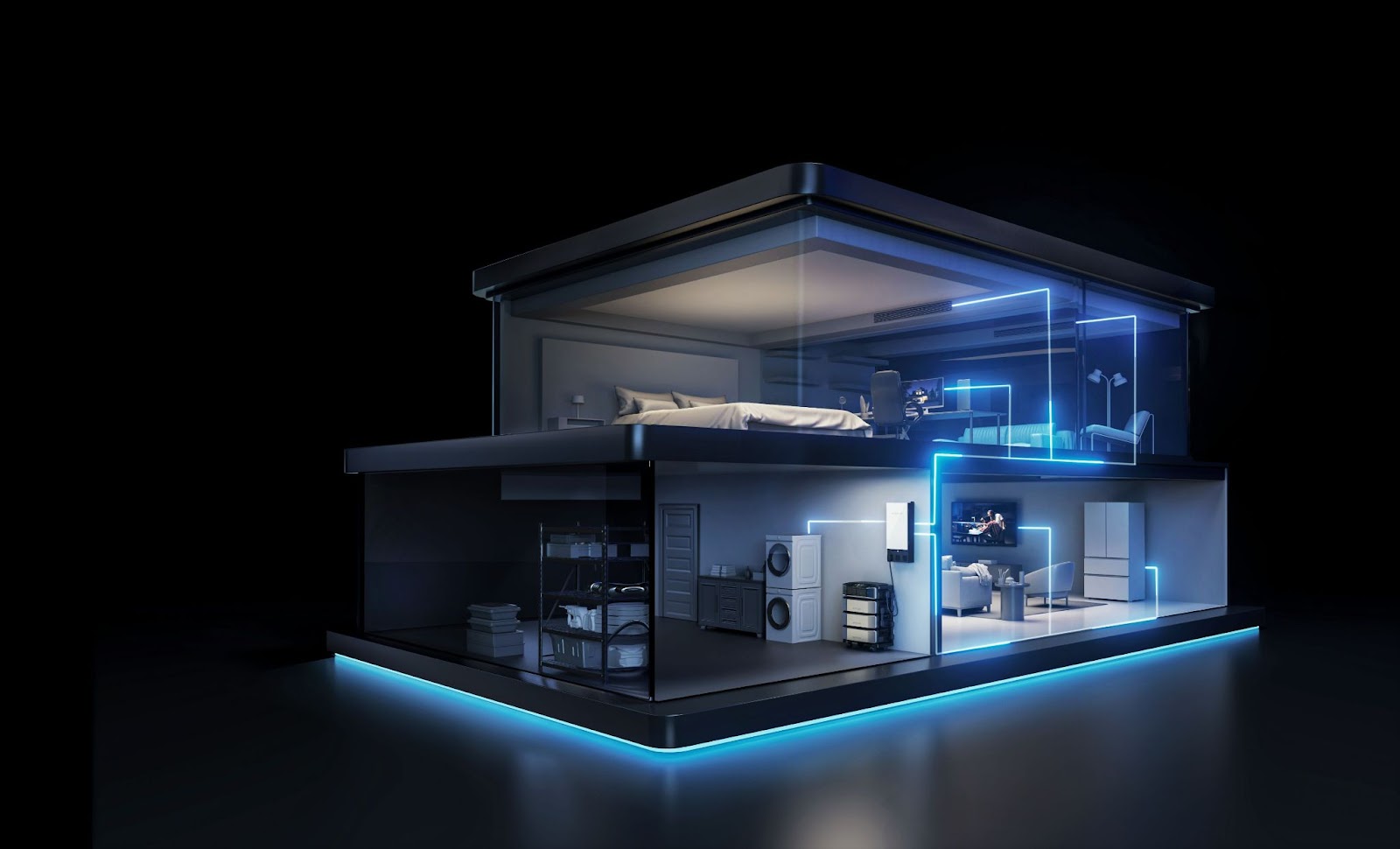
How Does the EcoFlow DELTA Pro Ultra Work?
Like all commercially available residential solar panel systems, EcoFlow DELTA Pro Ultra uses solar panels composed of solar cells to harness sunlight and convert photons into direct current electricity using the photovoltaic effect.
DC electricity is transmitted to the solar charge controller built into the DELTA Pro Ultra Inverter for immediate consumption or stored in the DELTA Pro Ultra Home Backup Battery (LFP) for later use.
With one-way grid connectivity, EcoFlow DELTA Pro Ultra offers ~20ms auto-switchover uninterruptible power supply (UPS) during a blackout.
Depending on how many solar panels and 6kWh LiFePO4 batteries you add to your setup, you can use on-grid power only during off-peak billing hours — or go completely off-grid.
What Are the Benefits of Using the EcoFlow DELTA Pro Ultra?
EcoFlow DELTA Pro Ultra is an affordable hybrid solar power solution that offers numerous benefits.
Here are the highlights.
Modular Storage Capacity
Starting at 6kWh of storage capacity, the EcoFlow DELTA Pro Ultra is expandable up to 90kWh with up to 15 x 6kWh LFP batteries.
Thanks to EcoFlow DELTA Pro Ultra’s unique modular design, you can keep adding batteries as your budget allows or your family’s needs grow.
Although there is no definitive federal government source for average electricity consumption per household in Canada, data pulled from various sources indicates that ~11,000 kWh per year is an informed estimate.
That breaks down to:
11,000 kWh per year
917 kWh per month
~30 kWh per day
Depending on which province, city, or town you're living in, or if you're completely off-grid, your electricity consumption is likely to vary significantly over the course of the year, so average estimates like the one above are no substitute for calculating your actual household usage.
However, if we take the averages above for sake of example, 5 x fully charged EcoFlow DELTA Pro Ultra 6kWh Home Backup Batteries will provide enough electricity to run the average home for 24 hours without any power generated by solar panels or drawn from the utility grid.
Whole Home AC Output
Depending on your chosen configuration, EcoFlow DELTA Pro Ultra offers three levels of continuous AC output: 7.2kW, 14.4kW, or 21.6kW.
Each EcoFlow DELTA Pro Ultra Inverter also offers additional starting wattage (surge power) to get high-wattage motor-driven appliances like HVAC systems, refrigerators, washing machines, and dryers up and running.
For many single-family homes and apartments, one inverter with 7.2kW of AC output (10.8kW surge power) is all you’ll need.
No matter what type of generator or home backup system you purchase, it’s essential to determine how much simultaneous AC output you need.
Learn how to calculate your household electricity consumption here.
Long-lasting Lithium Iron Phosphate (LFP) Batteries
Off-grid and hybrid photovoltaic systems require solar batteries to function.
Solar power is intermittent by nature…
PV panels don’t work at night, and electricity production diminishes on cloudy days.
Unless you have a traditional grid-tied system, you need solar batteries to store electricity for times when your household consumption exceeds the amount of electricity your PV modules produce.
There are many different types of solar batteries.
The primary factor that sets them apart is battery chemistry.
Lead acid solar batteries tend to be the cheapest, but they also have the shortest lifespan, the lowest depth of discharge, and require considerable upkeep.
Traditional lithium-ion solar batteries are a popular choice, but they offer less efficiency and shorter cycle life than newer technologies like lithium iron phosphate (LiFePO4/LFP) rechargeable battery chemistry.
Along with offering peak performance, EcoFlow DELTA Pro Ultra LFP batteries have significant ethical advantages over standard Li-ion chemistry.
No cobalt is required for EcoFlow’s industry-leading LFP solar batteries.
Over 70% of the world’s cobalt is mined under extremely inhuman conditions in the Democratic Republic of Congo — often by pregnant women and children.
The situation is so dire that this metal required for traditional Li-ion batteries is often called blood cobalt.
In addition to being free of conflict metals like cobalt, LFP batteries offer numerous performance advantages, including:
Greater depth of discharge
Extended cycle life (3000 Cycles to +/-80% Capacity)
Wide range of operating temperatures: -4℉ to 113℉
IP54 dustproof and splashproof
Here are some useful tables to help you learn more about the pros and cons of different types of solar battery chemistry.
Average Battery Lifespan by Chemistry Type | |||
Chemistry | Average Lifespan (Years) | Primary Factors Affecting Lifespan | Notes |
Flooded Lead Acid (FLA) | 3-8 | Maintenance (watering), Depth of Discharge (DoD), temperature, cycle life. | Cheap, but requires regular maintenance and has the shortest lifespan. Not frequently used for new solar installations due to maintenance demands and inferior performance |
Gel Cell (SLA/VRLA) | 3-7 | Depth of Discharge (DoD), temperature, overcharging | Commonly referred to as Deep Cycle or Maintenance Free. Sensitive to overcharging. |
Absorbent Glass Mat (AGM) (SLA/VRLA) | 5-10 | Depth of Discharge (DoD), temperature, cycle life | Commonly referred to as Deep Cycle or Maintenance Free.More robust than Gel Cell, good for high discharge applications. |
Traditional Lithium-ion (Li-ion/NCA/NCO) | 5-10 | Temperature, Depth of Discharge (DoD), cycle life, cell quality. | Energy dense, used in many EV/portable device applications. Less suitable for photovoltaic applications than newer Li-ion subtypes like NMC and LFP. |
Lithium Nickel Manganese Cobalt (NMC/NCM/LNMC) | 7-15 | Temperature, Depth of Discharge (DoD), cycle life, cell quality. | Very common in EVs and power tools. Good energy density. |
Lithium Iron Phosphate (LiFePO4/LFP) | 10-20+ | Temperature, Depth of Discharge (DoD), cycle life, cell quality. | Generally considered safer and more stable than NMC. Longer lifespan, but slightly lower energy density. Very popular for solar storage and new EVs. |
Average Battery Cycle Life (Full Charge/Discharges) by Chemistry Type | ||
Chemistry | Approximate Cycle Life (at 80% DoD) | Notes |
Flooded Lead Acid (FLA) | 500-1500 | Cycle life is heavily affected by maintenance and DoD. Regular maintenance and shallow discharges are crucial for achieving the higher end of this range. |
Gel Cell (SLA/VRLA) | 500-1000 | More sensitive to deep discharges and overcharging than AGM. |
Absorbent Glass Mat (AGM) (SLA/VRLA) | 800-1500 | Generally more robust than Gel Cell for cycling applications. |
Traditional Lithium-ion (Li-ion/NCA/NCO) | 500-1000 | (Older Li-ion chemistries) Cycle life can vary depending on the specific formulation. |
Lithium Nickel Manganese Cobalt (NMC/NCM/LNMC) | 1000-3000 | Very common in EVs and power tools. Good energy density. Cycle life can vary based on specific formulation and operating conditions. |
Lithium Iron Phosphate (LiFePO4/LFP) | 3000-8000+ | Generally considered safer and more stable than NMC. Significantly longer cycle life, especially at shallower DoD. |
Average Depth of Discharge by Chemistry Type | ||
Chemistry | Recommended Depth of Discharge (DoD) | Notes |
Flooded Lead Acid (FLA) | 30-50% | Discharging beyond 50% significantly shortens cycle life. Aim for shallow discharges whenever possible. Regular equalization charging is important. |
Gel Cell (SLA/VRLA) | 50% | More sensitive to deep discharges than AGM. It's best to keep DoD at or below 50% for maximum lifespan. |
Absorbent Glass Mat (AGM) (SLA/VRLA) | 50-70% | Can tolerate deeper discharges than Gel Cell, but cycle life is still improved with shallower DoD. |
Traditional Lithium-ion (Li-ion/NCA/NCO) | 70-80% | Varies depending on specific chemistry and manufacturer's recommendations. Some models might be able to tolerate deeper discharges, but it's generally best to stay within the 70-80% range. |
Lithium Nickel Manganese Cobalt (NMC/NCM/LNMC) | 70-80% | Similar to traditional Li-ion, cycle life is optimized within this range. Frequent deep discharges will accelerate degradation. |
Lithium Iron Phosphate (LiFePO4/LFP) | 80-90% | Can tolerate very deep discharges without significant impact on cycle life compared to other chemistries. However, even with LFP, keeping DoD within the 80-90% range is still recommended for optimal lifespan. |
Average Temperature Ranges by Chemistry Type | |||
Chemistry | Charging Range | Discharging Range | Storage Range |
Flooded Lead Acid (FLA) | 32°F to 104°F (0°C to 40°C) | -4°F to 122°F (-20°C to 50°C) | 32°F to 77°F (0°C to 25°C) |
Gel Cell (SLA/VRLA) | 5°F to 122°F (-15°C to 50°C) | -4°F to 140°F (-20°C to 60°C) | 5°F to 104°F (-15°C to 40°C) |
Absorbent Glass Mat (AGM) (SLA/VRLA) | 5°F to 122°F (-15°C to 50°C) | -4°F to 140°F (-20°C to 60°C) | 5°F to 104°F (-15°C to 40°C) |
Traditional Lithium-ion (Li-ion/NCA/NCO) | 32°F to 113°F (0°C to 45°C) | -4°F to 140°F (-20°C to 60°C) | 59°F to 77°F (15°C to 25°C) |
Lithium Nickel Manganese Cobalt (NMC/NCM/LNMC) | 32°F to 113°F (0°C to 45°C) | -4°F to 140°F (-20°C to 60°C) | 59°F to 77°F (15°C to 25°C) |
Lithium Iron Phosphate (LiFePO4/LFP) | 14°F to 131°F (-10°C to 55°C) | -4°F to 140°F (-20°C to 60°C) | 14°F to 95°F (-10°C to 35°C) |
Energy Independence and Security
EcoFlow DELTA Pro Ultra is a true hybrid solar solution.
With the option to connect up to 42 x 400W rigid solar panels, you can choose to live entirely off-grid…
With the right configuration, just one hour of peak sunlight can provide enough electricity to operate your whole home for a day.
Or you can combine utility power with solar to slash your electricity bills by only using grid power during off-peak billing hours.
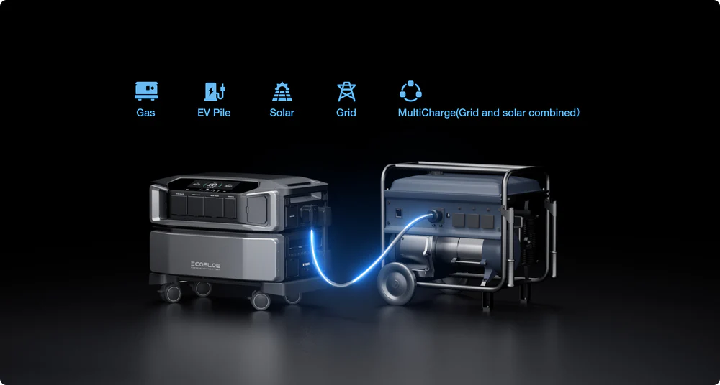
EcoFlow DELTA Pro Ultra’s charging capabilities don’t stop with grid power and solar.
All in all, you’ve got five options to keep your home backup generator charged and ready for any emergency, including:
Fossil fuel generator
Solar panels
On-grid electricity
MultiCharge (Combined grid and solar power)
Whether your goal is to never go without power in a blackout or to achieve true personal energy independence, there’s an EcoFlow DELTA Pro Ultra setup to meet your needs.

(Source: EPA)
Clean, Renewable Electricity
Many people don’t know this, but burning fossil fuels to produce electricity is second only to the transportation sector in spewing the most CO2, methane, and other harmful greenhouse gases, carbon emissions, and particulate pollution into our atmosphere.
Exact figures for the percentage of greenhouse gases attributable to electricity generation is not available for Canada, but the graph above for the US should give you an idea.
As extreme weather events increase due to global warming and climate change, governments worldwide seek to incentivise individuals and small businesses to generate electricity with renewable resources like wind and power.
Whether you choose to switch all or part of your home electricity consumption from utility grid to renewable solar power, you’ll be taking a meaningful step towards reducing your family’s carbon footprint and helping to ensure a better future.
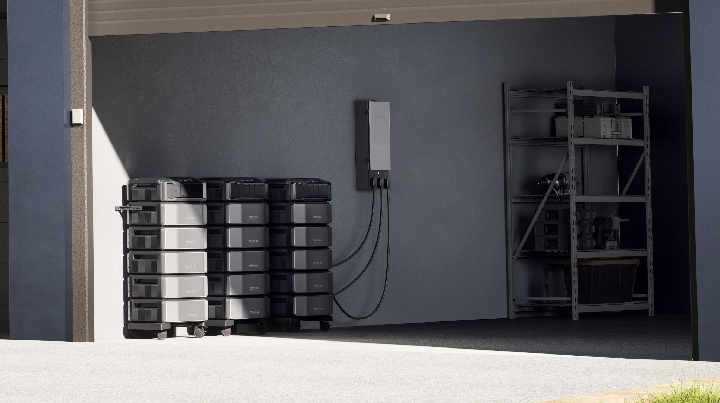
What Can You Power With the EcoFlow DELTA Pro Ultra?
A better question might be, what CAN’T you power with EcoFlow DELTA Pro Ultra?
The base model provides 7.2kW (10.8kW surge power) out of the box and is expandable to 14.4kW or 21.6kW of continuous AC output with 2 or 3 inverters.
EcoFlow DELTA Pro Ultra starts with 6kWh of storage and is expandable up to 90kWh in 6kWh increments — enough electricity to run the average home for a month off-grid.
1 x EcoFlow DELTA Pro Ultra + Smart Home Panel 2 (AC Output: 7,200W/30A)
Device or Appliance | Average Wattage |
Light | 10W |
Television | 110W |
Washing Machine | 1000W (1kW) |
Microwave Oven | 1000W (1kW) |
Refrigerator | 300W |
Central AC (3 Tons) | 3600W (3.6kW) |
Total | 6,020W (6kW) |
Excess Capacity | 1180W (1.18kW) |
2 x EcoFlow DELTA Pro Ultra + Smart Home Panel 2 (AC Output: 14,400W/60A)
Device or Appliance | Average Wattage |
Light | 10W |
Television | 110W |
Refrigerator | 300W |
Central AC (3 Tons) | 3600W (3.6kW) |
Electric Oven | 4000W (4kW) |
Dishwasher | 1300W (1.3kW) |
Washing Machine | 1000W (1kW) |
Induction Cooker | 3000W (3kW) |
Total | 13,320W (13.32kW) |
Excess Capacity | 1,080W (1kW) |
3 x EcoFlow DELTA Pro Ultra + Smart Home Panel 2 (AC Output: 21,600W/90A)
Device or Appliance | Average Wattage |
Light | 10W |
Television | 110W |
Washing Machine | 1000W (1kW) |
Refrigerator | 300W |
Central AC (3 Tons) | 3600W (3.6kW) |
Electric Oven | 4000W (4kW) |
Dishwasher | 1300W (1.3kW) |
Induction Cooker | 3000W (3kW) |
Electric Car | 6000W (6kW) |
Coffee Maker | 1500W (1.5kW) |
Total | 20,820W |
Excess Capacity | 780W |
How Much Does the EcoFlow DELTA Pro Ultra Cost?
Thanks to its modular design, EcoFlow DELTA Pro Ultra is highly customizable, and the cost will vary significantly based on your chosen configuration.
The table below shows three popular configurations and their current direct-from-manufacturer retail cost*
EcoFlow DELTA Pro Ultra + Solar Panels | |||||
Component | Quantity | AC Output or Rated Power | Storage Capacity | Price Per Unit | Combined Cost |
EcoFlow DELTA Pro Ultra (Inverter + Battery) | 1 | 7.2kW (10.8kW Surge) | 6kWh | $5,799 | $5,799 |
4 | 1,600W | N/A | $939 | $3,996 | |
Total |
|
| 6kWh |
| $9,795 |
|
|
|
|
|
|
EcoFlow DELTA Pro Ultra + Extra Battery + Smart Home Panel 2 + Solar Panels | |||||
Component | Quantity | AC Output or Rated Power | Storage Capacity | Price Per Unit | Bundle Price |
EcoFlow DELTA Pro Ultra (Inverter + Battery) | 1 | 7.2kW (10.8kW Surge) | 6kWh | $5,799 | $5,799 |
EcoFlow DELTA Pro Ultra Home Backup Battery | 1 | N/A | 6kWh | $2,999 | $2,999 |
EcoFlow Smart Home Panel 2 |
| N/A | N/A |
| $11,999 |
EcoFlow 400W Portable Solar Panel | 8 | 3,200W | N/A | $939.00 | $7,512 |
Total |
|
| 12kWh |
| $22,510 |
|
|
|
|
|
|
EcoFlow DELTA Pro Ultra + EcoFlow Smart Home Panel 2 + Solar Panels Configuration 3 | |||||
Component | Quantity | AC Output or Rated Power | Storage Capacity | Price Per Unit | Combined Cost |
EcoFlow DELTA Pro Ultra (Inverter + Battery) | 2 | 14.4kW (21.6kW Surge) | 12kWh | $5,799 | $11,598 |
EcoFlow DELTA Pro Ultra Home Backup Battery | 4 | N/A | 24kWh | $3,799 | $15,196 |
EcoFlow 400W Portable Solar Panel | 16 | 6,400W | N/A | $939.00 | $15,024 |
Total |
|
| 36kWh |
| $41,818 |
*Please note. All prices are current as of November 2025 directly from EcoFlow and are subject to change. Some items may be bundled together for additional savings. Check the website for details.
As you can see, the more electricity your residential solar power system produces, the higher the cost — but so are the potential savings.
The sooner you achieve solar payback, the faster you start making money from your solar power system.
After all, a dollar saved on electricity bills is a dollar earned.
Final Thoughts
The days of relying on massive, noisy fossil fuel generators that produce toxic emissions to ensure your family’s energy security during a power outage are over.
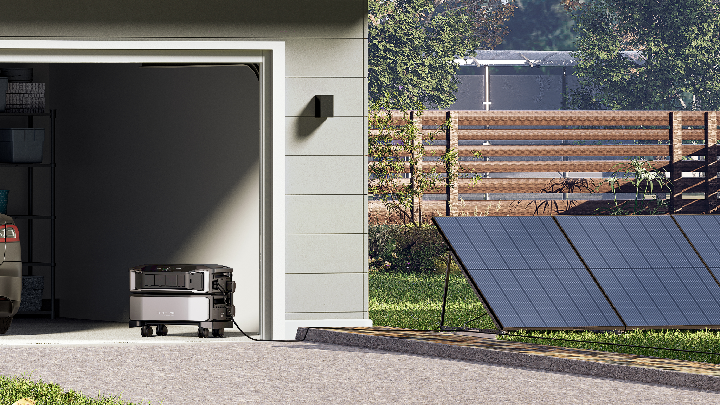
Not only will EcoFlow DELTA Pro Ultra keep your appliances and HVAC systems running during extended blackouts, but it can also significantly reduce — or even eliminate — your electricity bills.
No matter what your off-grid or hybrid power needs, check out EcoFlow’s award-winning solutions today and take the first step toward energy independence.