Vertical Farming in 2026: Countertop Units for the Canadian Winter
Canadian winters, with their limited daylight hours and freezing temperatures, make traditional growing methods ineffective. But countertop vertical farming units can provide fresh produce year-round, regardless of the weather outside.
Compact kitchen units take up minimal space yet still yield substantial harvests you can enjoy, cutting down your grocery bill and making your home more self-sufficient.
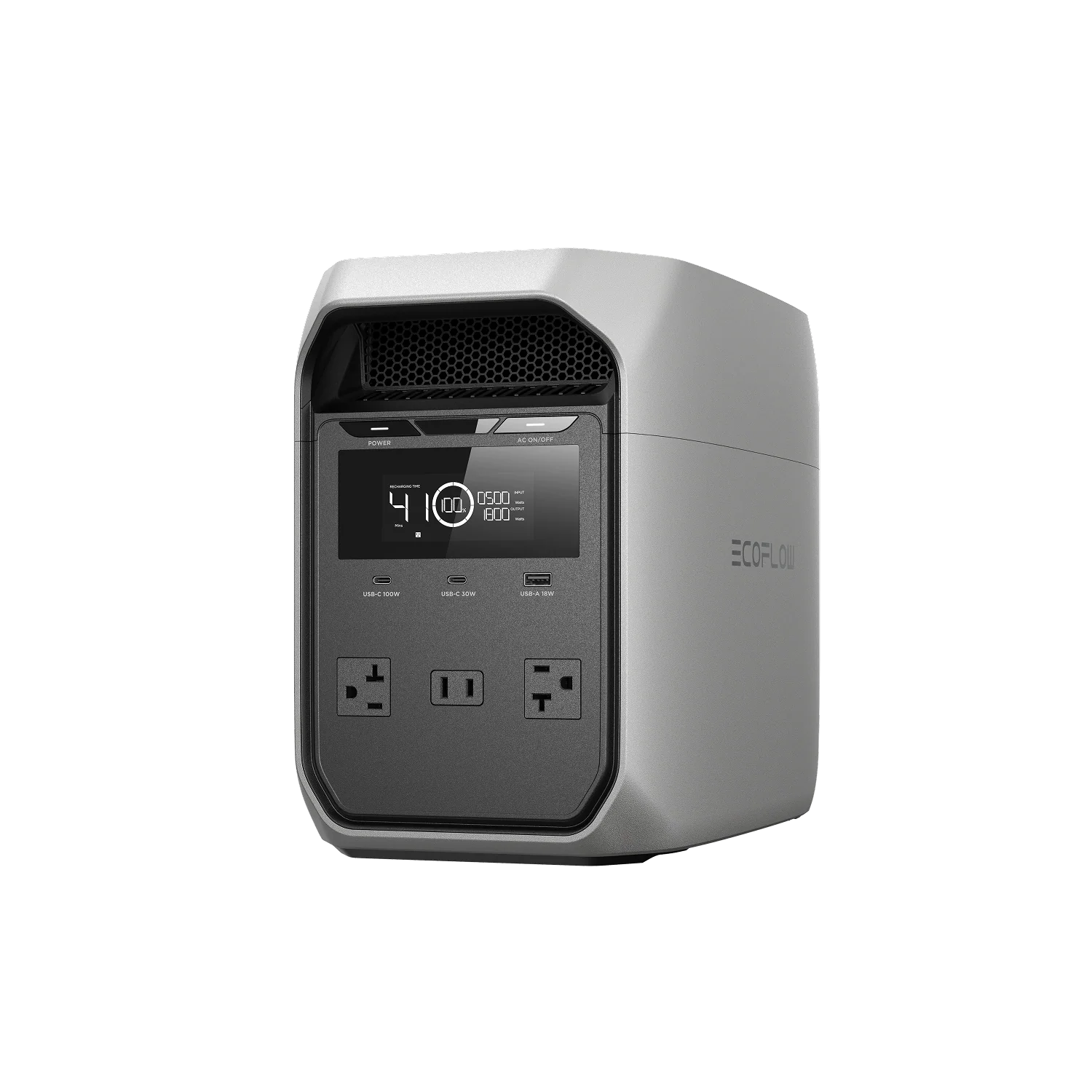
Learn how indoor vertical farming can change your winter experience, and how the EcoFlow DELTA 3 Series can help.
What Is Vertical Farming and Why It Matters
Vertical farming is an agricultural approach that grows plants in stacked layers, using controlled-environment techniques. Rather than relying on sunlight, vertical farms use LED lighting systems to provide optimal light spectrums that encourage photosynthesis. Hydroponic and aeroponic systems can deliver nutrients directly to the plant roots without any need for soil.
Vertical farming uses 95% less water than traditional farming because it recirculates nutrient solutions. It also eliminates pesticides but still produces higher yields per square foot than conventional outdoor agriculture.
Vertical farming is ideal for urban environments where traditional agriculture is impossible. It's also a great option for winter conditions when outdoor weather isn't conducive to growing fresh produce. For those interested in going off-grid, adopting vertical farming gives you a reliable system of food production that doesn't depend on external systems.
Why Countertop Vertical Farms Are Trending in 2026
Countertop vertical farms have become much more popular in recent years. They're trending for 2026, driven by several factors.
Groceries have become more expensive, making homegrown produce more cost-effective than store-bought options. Because of supply chain vulnerabilities, some of these more costly groceries aren't even consistently available. This food insecurity has driven increased interest in local food production.
Sustainability-minded homeowners are also attracted to the significantly reduced energy requirements of countertop vertical farms. Using improved LED lights, you can reduce energy consumption by 40% compared to earlier vertical farming systems.
These systems have also gotten more compact and more integrated with modern life. Now, many systems can be remotely monitored and automated using smartphone apps, giving you all the power in the palm of your hand.
Their smaller designs fit modern kitchen aesthetics but still maximize growing space. They're a perfect practical gift for homesteaders who want greater food independence or health-conscious consumers who prefer to grow their own pesticide-free produce.
How Countertop Vertical Farming Units Work
Countertop vertical farming units leverage LED grow lights that provide full-spectrum lighting optimized for specific plant growth phases. Watering is handled by automated systems that deliver nutrient solutions using pre-programmed schedules. Though indoors, airflow is still readily available through air circulation fans that help prevent mould and strengthen stems. pH sensors continuously monitor water acidity to optimize nutrient uptake. You can use seed pods to hold the plants in place while the roots access nutrient solutions below.
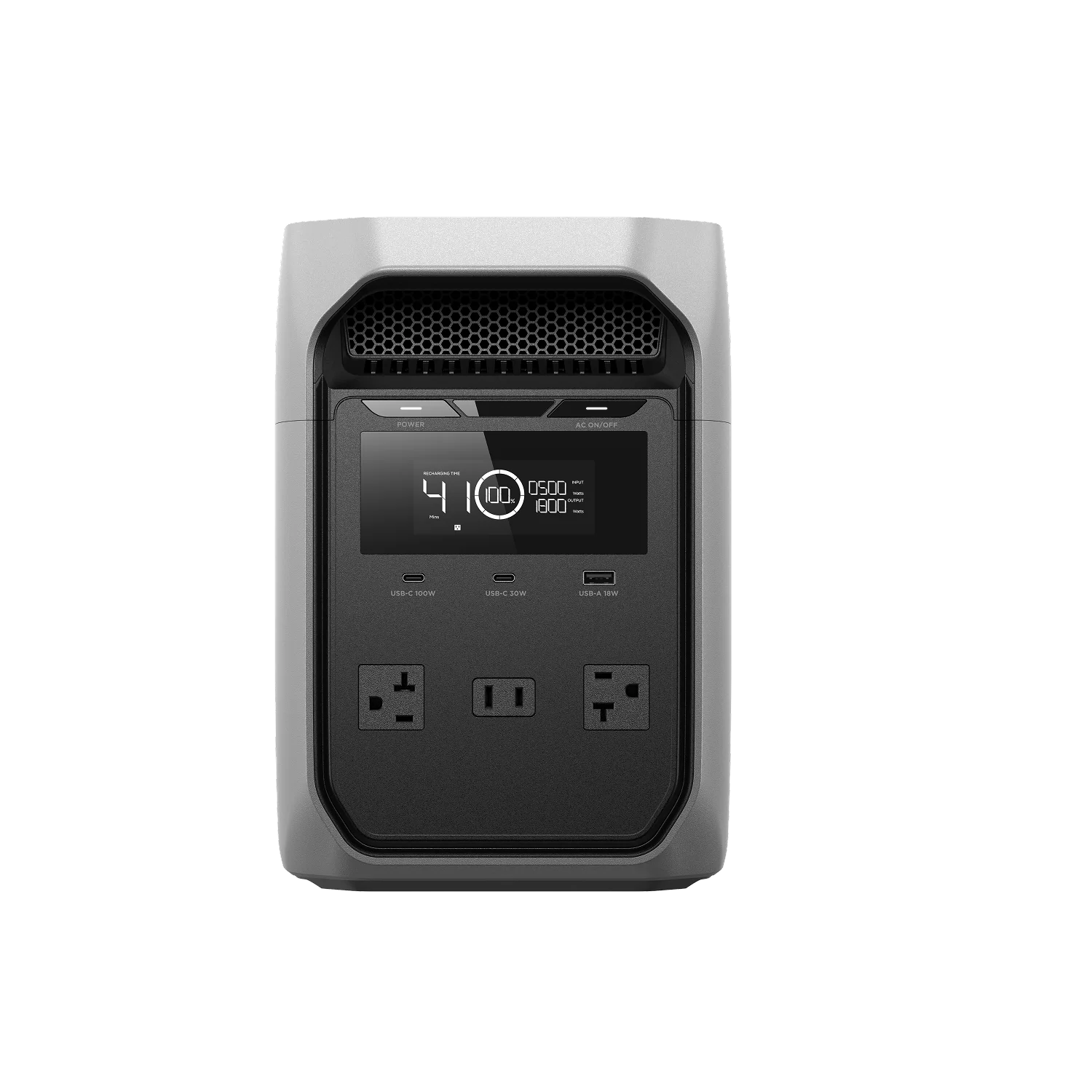
Most of these systems require about 500 to 100 watts of energy, about the same as a bright desk lamp. They can run independently using the EcoFlow DELTA 3 Classic, so the extra energy draw isn't added to your monthly electricity bill.
Once the system is set up and working correctly, harvest cycles range from 21 to 45 days, depending on the variety of plants you're working with. It's a quick and delicious payoff.
5 Benefits of Countertop Vertical Farming in Canadian Winters
Self-sufficiency: Vertical farming reduces your dependence on grocery stores and other external food systems. It allows you to become self-sufficient even in urban environments. It also provides peace of mind during severe weather events or supply disruptions, knowing you always have emergency food production capabilities.
Year-round fresh produce access: Snow, ice storms, and subzero temperatures make it impossible to maintain a continuous harvest outdoors. But that's not the case with indoor vertical farming. There are no seasonal limitations on growing produce. And it's available within minutes of harvesting, rather than weeks after, like store-bought options.
Reduced grocery costs: Winter produce prices can be staggering in stores due to transportation and heating costs, but one single vertical farming unit can produce $30 to $50 worth of fresh herbs and greens monthly. You'll typically reach the end of the payback period in about 8 to 12 months.
Optimal growing conditions despite the weather: Indoor farming means you can control the temperature, humidity, and light to maintain an ideal growing environment.
Mental health benefits: Caring for your plants each day can help combat seasonal depression during long, dark, and dreary winter months. There are also psychological benefits to having fresh greenery and growth in sterile indoor environments.
Frequently Asked Questions
Can Countertop Vertical Farms Really Grow Food in Winter?
Countertop vertical farms let you fully control the environment, eliminating seasonal growing limitations. LED lighting and indoor temperature control can create the optimal growing conditions year-round, regardless of outdoor daylight hours, temperature, or weather.
What Kinds of Food Are Easiest To Grow Using Countertop Units?
Leafy greens like kale, spinach, or lettuce typically thrive in vertical countertop units. You can also grow herbs such as cilantro, basil, mint, or parsley. For high nutritional density, consider growing microgreens, which can be harvested in as little as 7 to 14 days.
Do Countertop Units Need a Lot of Maintenance?
Countertop units require less maintenance than traditional outdoor gardening, but still need regular upkeep. Each week, you’ll refill water reservoirs and check nutrient levels. Each month, you’ll clean the growing chambers and maintain the LED fixtures. You'll also want to replace the seeds every 3 to 6 weeks. Most maintenance takes about 10 to 15 minutes per week.
Elevate Your Winter with Vertical Farming
Countertop vertical farming is a practical food security solution that works perfectly for brutal Canadian winters. You don't need specialized knowledge, just a bit of room in the kitchen and an upfront investment that pays for itself through grocery savings over time.
It allows your home to become more self-sufficient and gives you access to delicious fresh produce even when outdoor conditions are suboptimal. You can make these units even more sustainable by powering them with a solar generator or a portable power station, such as the models in the EcoFlow DELTA 3 Series.
Start small and grow your unit as you become more comfortable. Your newfound food independence is just around the corner.