Torrance Barrens Dark Sky Preserve: Complete Stargazing Guide (2026)
- What Makes Torrance Barrens Dark Sky Preserve Special for Stargazing?
- When Is the Best Time to Visit Torrance Barrens for Stargazing?
- How Do You Plan a Stargazing Trip to Torrance Barrens
- What Can You See at Torrance Barrens Dark Sky Preserve?
- What Should You Bring for Stargazing at Torrance Barrens?
- Facilities and Safety Tips for Torrance Barrens Stargazing
- Conclusion
- FAQs
The first thing visitors notice along Southwood Road is the lack of artificial light. Beyond the cottage areas, streetlights disappear, leaving the surrounding landscape naturally dark. Two hours north of Toronto, the soil thins out and granite starts breaking through everywhere. That’s where Torrance Barrens sits. Its accessible location and protected dark-sky conditions make it one of the most popular stargazing destinations within driving distance of Toronto.
What Makes Torrance Barrens Dark Sky Preserve Special for Stargazing?
The appeal of this spot comes down to a mix of deep history, rugged terrain, and exceptional darkness. Torrance Barrens became Canada’s first permanent dark sky preserve in 1999. It holds official protected status that helps preserve the area’s natural landscape and limit unnecessary artificial light pollution.
Low Light Pollution Creates Dark Skies
Its distance from major urban areas helps reduce light pollution compared with locations closer to the Greater Toronto Area. On a clear night with no moon, stars show up that you’d never catch anywhere near the city, thousands of faint ones filling in the gaps between the bright ones. A blanket or reclining chair is often enough for a comfortable viewing experience. Lie back and the Milky Way’s just there, horizon to horizon. These conditions make Torrance Barrens one of the best places to stargaze in Southern Ontario.
Open Landscapes Offer Wide Sky Views
Much of Muskoka features dense forest coverage, which can limit open sky visibility in some locations. The Barrens don’t have that problem. Glacial activity shaped the landscape, leaving exposed granite formations and sparse vegetation that create wide-open views of the night sky. Many areas provide wide, unobstructed views of the sky. No branches in the way when you’re trying to track a planet or sweep for meteors. If you’re planning to stay out for hours, a portable power station tucked next to your gear keeps tracking mounts and devices running steady through the cold.
When Is the Best Time to Visit Torrance Barrens for Stargazing?
Timing a trip to the Barrens isn’t complicated, but it does matter. Moon phase, weather, and whether the parking lot’s already full, those three factors strongly influence viewing conditions. Choosing the right conditions can significantly improve your experience, while poor weather or timing may limit visibility despite the long drive.
Ideal Conditions for Stargazing
New Moon Phase: Plan around the new moon. The few nights right before and after work too. Without lunar glare flooding the sky, faint stars and the galactic core actually show up. Miss this window by a week and bright moonlight can reduce visibility of faint stars and deep-sky objects.
Late Summer and Early Autumn: August through October hits the sweet spot. Evening temperatures are generally more comfortable, and the Milky Way core hangs high in the southern sky where it’s easiest to take in.
Clear, Crisp Winter Nights: Winter stargazing is a trade-off. The cold bites, but the air is bone dry, almost no moisture to scatter light. On a clear January night, stars don’t twinkle so much as burn steady and sharp.
Mid-Week Dates: Monday through Thursday cuts the crowd size dramatically. You won’t be fighting for a parking spot or dealing with someone’s high beams cutting across the rock every time a car pulls in. Weekday visits generally provide a quieter experience with fewer visitors and less disruption.
Conditions and Times to Avoid
Full Moon Phase: A full moon overhead acts like a streetlamp the size of a house. Deep-sky objects disappear. Faint gas clouds vanish. Even the Milky Way gets washed out to a pale smear. Check the lunar calendar before you commit to a date.
Cloudy, Humid, or Wet Weather: Clouds are obvious, they block everything. Humidity’s worse though, because you don’t see it coming. The sky looks clear, but the air’s thick and everything faint just disappears. And the granite gets slick too, way slipperier than you’d expect in the dark.
Peak Summer Weekends and Event Dates: July and August long weekends can get very busy. The parking area is limited and can fill quickly during peak periods. People show up late, find nowhere to park, pull a slow turn right at the edge of the lot. If you can only swing on a weekend, stay away from holiday ones. And get up there before sunset.
How Do You Plan a Stargazing Trip to Torrance Barrens
Before visiting, it is important to understand that Torrance Barrens is conservation land rather than a developed provincial park. There are no entrance stations, visitor services, or on-site staff. Thorough preparation is essential before you head out.
Drive From Toronto Through Muskoka Roads
Highway 400 to 11 covers most of the distance, roughly two hours out of Toronto, give or take traffic. The last stretch on Southwood Road tightens up fast. It narrows quickly, gets twisty, and the streetlights disappear entirely. Deer activity can increase the risk of wildlife encounters, especially around dusk.
Check Parking and Road Conditions
The gravel lot is small and can fill up quickly on clear summer weekends or during meteor showers. Visitors should arrive early and use the designated Torrance Barrens parking lot along Southwood Road (District Road 13).
Arrive Prior to Sunset For Setup
Aim to get there about an hour before sunset. With daylight still around, you can pick out flat sections of rock, avoid the crevices waiting to twist an ankle, and get your tripod level without doing it blind.
Plan Nearby Camping For Longer Visits
If you’re planning a Torrance Barrens camping trip, book a nearby campground or lodge in the Muskoka area well ahead of time. Overnight camping within Torrance Barrens is limited to six official campsites available on a first-come, first-served basis. Sorting out your basecamp in advance lets you enjoy late-night stargazing without worrying about where you’ll sleep.
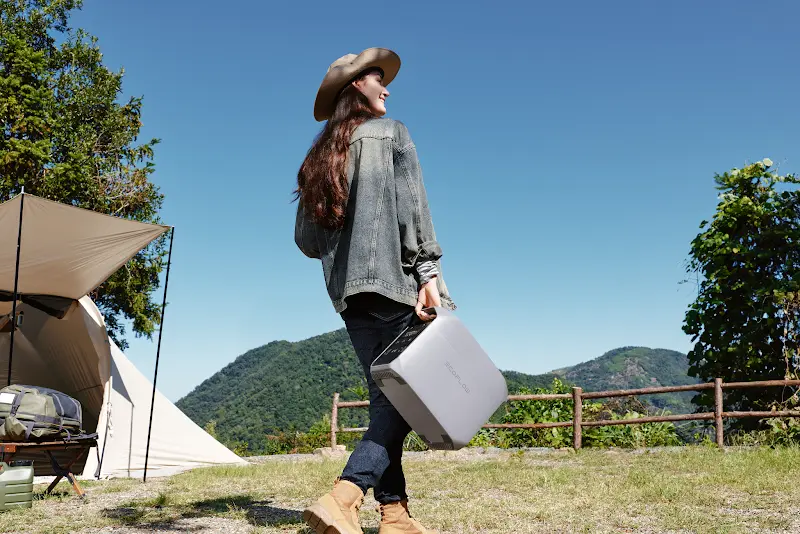
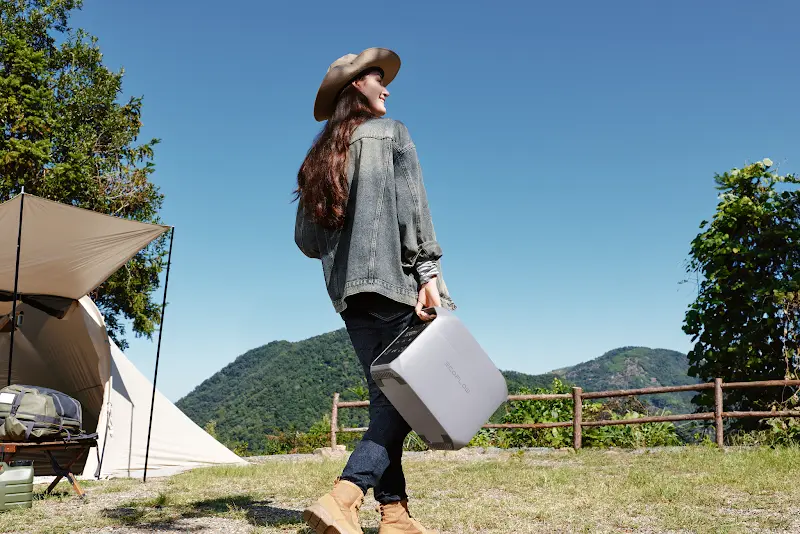
For visitors extending their Muskoka stay with nearby campground or longer outdoor stays, a high-capacity portable power station can make longer outdoor trips more convenient. The EcoFlow DELTA 3 Max Plus Portable Power Station (2048Wh) provides extra capacity and output compared with smaller portable power options. It can support common outdoor needs such as camping lights, camera batteries, phones, and other electronics, helping travelers manage power consumption during extended stays without frequent recharging.
What Can You See at Torrance Barrens Dark Sky Preserve?
It takes about 30 minutes for your eyes to fully adapt to the dark. Thousands of additional faint stars become visible as your eyes adjust to the darkness. Things you glossed over before start to pop.
The Milky Way: The core sits high in the south from August through October. Dark lanes cut straight through the star clouds, naked eye stuff, no binoculars needed.
Planets: A standard pair of 10x50 binoculars picks up Saturn’s rings and all four of Jupiter’s big moons. No telescope, no fuss. Even entry-level binoculars can provide noticeable improvements.
Meteor Showers: The wide horizon makes meteor watching particularly rewarding. August is Perseids month. Under ideal dark-sky conditions, observers may see dozens of meteors per hour during peak activity. Bright meteors can occasionally appear during peak meteor shower periods, creating memorable viewing opportunities.
Deep Sky Objects: Andromeda can sometimes be visible to the naked eye under dark conditions, while binoculars can improve visibility.
Satellites: Satellites crisscross the sky constantly up here. Some inch along, others haul across in seconds. The ISS does long, bright passes that last several minutes, hard to miss once you know what you’re looking at. Starlink trains still surprise people who haven’t seen them before.
What Should You Bring for Stargazing at Torrance Barrens?
Heading out to a raw Canadian Shield reserve means bringing everything you need to stay warm, dark-adapted, and comfortable out on the rock for hours.
Warm Clothes Handle Cool Nights
Muskoka nights get cold, no matter the month. Even summer nights can feel cool after sunset. Fleece, a windproof shell, thick wool socks, that’s your baseline. For spring and fall trips, bring a toque and gloves as well. Standing still on cold granite for two hours pulls heat out of you faster than you’d think.
Red Lights Protect Night Vision
White light can quickly disrupt your night vision. A quick look at a bright phone screen can significantly reduce your ability to see faint stars, and it may take up to 30 minutes for your eyes to fully readjust to the darkness. Red light doesn’t trigger the same response. Grab a headlamp with a red LED mode, which is widely available at outdoor and hardware retailers. If your headlamp lacks a red-light mode, a red filter cover can help reduce brightness. Avoid using white phone lights, which can affect both your own night vision and other stargazers nearby.
Binoculars Improve Star Viewing
A decent pair of 7x50 or 10x50 binoculars sets you back maybe around a hundred dollars, weighs about a pound, and lets you sweep huge chunks of sky. No alignment fuss, no setup time. Telescopes pull in amazing detail on planets, no question, but they come with a learning curve. For stargazing for beginners, binoculars get you seeing more in less time.
Portable Power Supports Photography Gear
If you plan to photograph the Milky Way, constellations, or meteor showers at Torrance Barrens, it is important to consider equipment power alongside cameras, lenses, and tripods. During long waits for the best shooting moments, camera batteries, phones, headlamps, and other electronic devices may need additional charging. If photography equipment runs low on power during a stargazing session, it can limit your ability to capture brief celestial events.
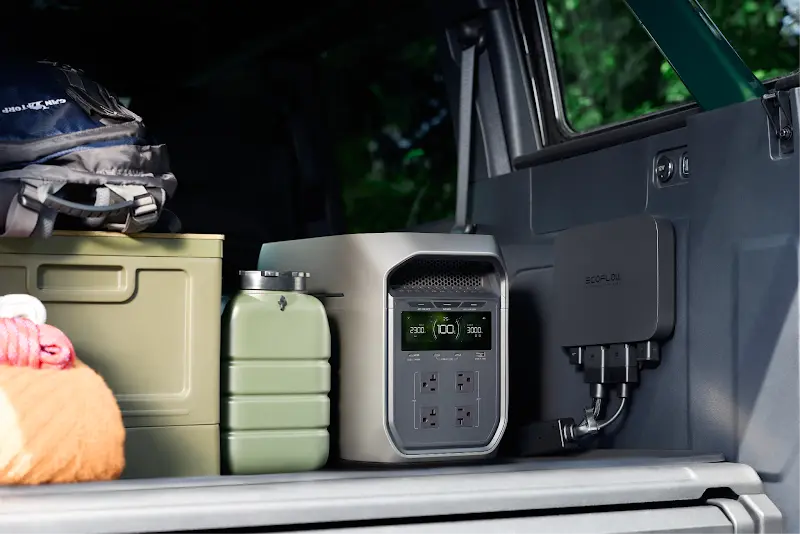
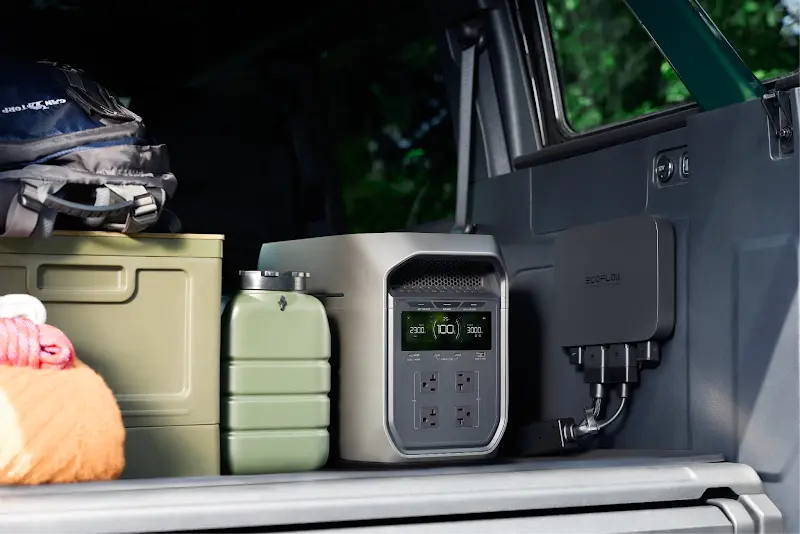
A portable power station can be a practical addition to your stargazing photography setup. The EcoFlow DELTA 3 Classic Portable Power Station can help support camera battery chargers, phones, and other essential photography electronics during extended observation sessions. Its quiet operation makes it a good fit for nighttime environments, allowing photography enthusiasts to focus on capturing the night sky at Torrance Barrens.
Facilities and Safety Tips for Torrance Barrens Stargazing
Torrance Barrens is conservation land, not a park with amenities. There’s no visitor centre, no staff, no running water. Following basic preparation and safety practices helps ensure a smoother visit.
Basic Amenities Are Limited On Site
There are no water taps or trash collection facilities on-site. You should bring water, at least a couple of litres If you plan to stay out for several hours. Snacks that actually fill you up, layers for when it gets cold, something to light your way, and a power station if you’ve got gear to run. And whatever you pack in, pack it back out. Apple cores, granola bar wrappers, all of it. The ecosystem up here is fragile and there’s nobody paid to clean up after you.
Rocky Terrain Requires Careful Walking
The rock is perfect for stargazing, big flat slabs, wide open, nothing blocking the horizon. It’s also full of cracks and uneven sections you won’t see once the light’s gone. Boots with solid tread, red light on while you walk, and slow steps across anything unfamiliar. A sprained ankle out here at midnight quickly becomes a major safety risk.
Wildlife Awareness Helps Visitors Stay Safe
Black bears are present throughout the Muskoka region. The Barrens are no exception. Sightings on the open rock are uncommon, they tend to stay closer to the tree line, but food discipline still matters. Everything stays locked in the car when you’re not using it. Coolers, wrappers, scented wipes, it all goes in the vehicle. A bear poking through someone’s tent at 3 AM is totally avoidable.
Dark Sky Rules Protect Night Conditions
Dark sky etiquette is mostly common sense. Red lights only. Car headlights off the moment you’re parked. Keep the volume down, the rock carries sound. Pack out what you brought in.
Conclusion
A good night at the Barrens isn’t complicated. Check the moon phase before you commit to a date. The temperature can drop quickly after sunset, and spending hours on exposed granite makes proper layers essential. Bring enough power to run your gear without watching battery percentages drop every ten minutes. A power station like the EcoFlow DELTA Series can help keep cameras, phones, and tracking equipment charged during longer observation sessions. After that, you’re just lying on ancient rock watching the universe do its thing. Not a bad way to spend an evening.
FAQs
How to Book Torrance Barrens Campsite?
Torrance Barrens campsites cannot be reserved online. The reserve has six designated campsites available on a first-come, first-served basis. Visitors who prefer more facilities can stay at nearby Muskoka campgrounds or accommodations.
Can I See Northern Lights in Torrance Barrens?
Sometimes. You need a decent geomagnetic storm, Kp 5 or higher usually, and a clear night with no moon. The Barrens’ dark skies help a lot once the aurora actually flares. Check Space Weather Canada or the NOAA aurora dashboard before heading out. For more tips, check out our complete guide to Northern Lights Ontario.
What Happens if It's Cloudy on Your Stargazing Night?
Overcast skies, rain, and haze block starlight and significantly reduce visibility at Torrance Barrens. It is best to check the local cloud cover forecast before traveling and choose a clear night for your trip.
Is Stargazing Better with Binoculars or a Telescope?
For beginners, binoculars are highly recommended. They are lightweight, affordable, and require no alignment, making them ideal for sweeping the Milky Way. Telescopes pull in serious detail, Saturn’s rings, lunar craters, but they want time, patience, and a level surface. Beginners often find binoculars easier to use than telescopes when starting out.
Are There Bears in Torrance Barrens?
Black bears are present in the area. While sightings on the open rock barrens are uncommon, wildlife can still pass through wooded areas near parking areas and campsites. Store food, garbage, and scented items securely to avoid attracting animals. Proper food storage helps reduce wildlife encounters and keeps the area safer for everyone.