Things to Do in Banff: Must-See Attractions, Hiking & Hot Springs in Canada
Banff National Park is the crown jewel of the Canadian Rockies, drawing millions of visitors each year with its turquoise glacial lakes, towering limestone peaks, and abundant wildlife. Whether you’re planning a quick weekend getaway to take in the iconic viewpoints or gearing up your rig for an off-grid mountain adventure, this world-class destination delivers an unforgettable escape into the wild.
This guide provides an overview of the essential park rules to know before you arrive, highlights must-see attractions, and shares practical tips for longer self-sustained road trips. You’ll also discover the ideal hiking-to-hot-springs recovery routine, along with a pre-departure checklist to keep your journey through Alberta’s breathtaking wilderness fully prepared.
What Should You Know Before Planning a Trip to Banff?
Before you set off on your road trip and determine the best time to visit Banff, keep these four essential planning tips in mind. They can help you save time, money, and unnecessary stress on the road.
Understand Park Entry Pass Rules
Everyone who enters Banff National Park needs a valid Parks Canada Discovery Pass or a daily admission ticket. You can purchase passes online in advance through Parks Canada or at the park gates along the Trans-Canada Highway. Make sure to display the physical pass clearly on your dashboard or rearview mirror. Park wardens regularly check vehicles parked at trailheads and major attractions to make sure you are good to go.
Check Seasonal Road Conditions
Mountain roads in the Rockies are unpredictable, often subject to seasonal closures, lingering snow, and sudden construction. High altitude routes like the Icefields Parkway or Bow Valley Parkway may still need winter tires well into late spring or early fall. Always check the 511 Alberta traffic service online before you hit the road to get real-time updates on closures, wildlife delays, and winter traction rules.
Prepare for Sudden Weather Changes
Weather in the Canadian Rockies can flip fast—it can be blue sky one minute, and a thunderstorm or snow flurries the next. Never hit a trail without checking the local mountain forecast first. When you pack your daypack, think layers: a moisture-wicking base layer, an insulating fleece in the middle, and a solid waterproof windbreaker are strongly recommended, and always bring a warm hat and gloves, even in July. As a final safety backup, keeping a compact power station in your vehicle ensures your communication and emergency gear stay fully charged if severe weather rolls in.
Plan Driving Time Between Attractions
Distances between major attractions in Banff can be misleading. They look close on a map, but traffic and wildlife jams can double your drive time. For example, the drive from Banff town to Lake Louise takes about 40 minutes under normal conditions. Adding Moraine Lake means another 20 minutes of winding mountain road via the park’s mandatory shuttle network. So group your activities by area instead of bouncing all over the park. And give yourself plenty of extra time between stops.
What Are the Must See Attractions in Banff National Park?
Banff’s landmarks are famous for good reason. Some of the best mountain views you will ever see. To get the real Rockies experience, put these five stops at the top of your list.
Explore Lake Louise Shoreline Walks
The Lake Louise shoreline walk is an easy, flat trail that offers classic views of bright turquoise water with the massive Victoria Glacier in the background. To avoid the busiest sections near the Fairmont Chateau, continue walking along the lakeshore. The trail gradually climbs toward the historic Lake Louise Tea House with increasingly scenic views. Late afternoon is the best time to visit, when the light is softer for photography and the area becomes quieter as tour buses begin to depart.
Visit Moraine Lake Early Morning
Moraine Lake sits in the rugged Valley of the Ten Peaks. The best view comes early in the morning when the water catches the first light on the mountain tops. Personal vehicles are not permitted on Moraine Lake Road, so visitors must reserve a Parks Canada shuttle or licensed commercial vehicle in advance. As soon as you arrive, take the short rocky Rockpile Trail. It gives you the iconic elevated view of this glacier fed lake.
Ride Banff Gondola to Summit View
The Banff Gondola takes you smoothly up the steep side of Sulphur Mountain. At the top, you get a 360 degree view of the Bow Valley and the surrounding peaks. You can walk the wooden boardwalk to the old Cosmic Ray Station or sit down for a nice meal with floor to ceiling mountain views. It allows visitors to enjoy high-altitude ridge walking without a demanding multi-hour climb.
Walk Around Johnston Canyon Trails
Johnston Canyon is a dramatic yet easily accessible hike. A network of sturdy catwalks clings to the canyon walls, letting you walk just above the rushing river below. A short, gentle trail leads you to the Lower Falls, an impressive reward early in the journey. Continue deeper into the forested path, and you’ll reach the Upper Falls viewing platform, where the canyon opens up in a more powerful cascade. If you have extra time and energy, keep going beyond the waterfalls to the Ink Pots, a collection of unique, cold mineral springs that bubble up into vibrant blue-green pools within a peaceful alpine meadow.
Schedule Hot Springs for Evening Relaxation
For a completely different kind of spring experience, follow up your backcountry trek with a long soak in true geothermal waters. The Banff Upper Hot Springs are the best way to soothe your tired muscles. These historic outdoor pools sit high on Sulphur Mountain, offering a steamy 39°C mineral soak with stunning views of Mount Rundle. Go late in the evening to relax under the stars and avoid the midday crowds. It is the perfect last stop before you head back to camp.
How Can You Plan Longer Off-Grid Style Trips Around Banff?
For adventure seekers, exploring Banff’s backcountry by RV or camper van is one of the best ways to experience the Canadian wilderness, but it requires self-sufficiency and smart planning to stay prepared.
Recharge Devices While Driving Between Parks
The core attractions across the Canadian Rockies are spread out over long distances, so you’ll likely spend a large portion of your day on the road. Instead of treating those drives as idle time, you can treat them as a practical window to recharge both yourself and your gear.
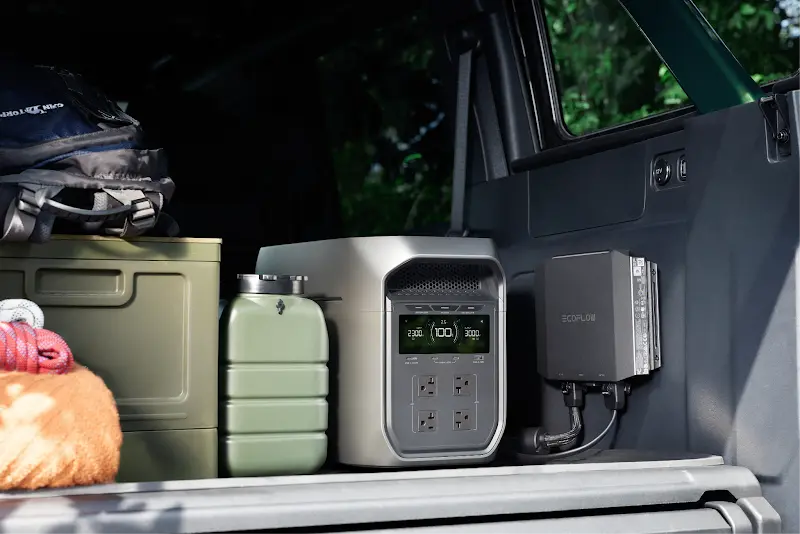
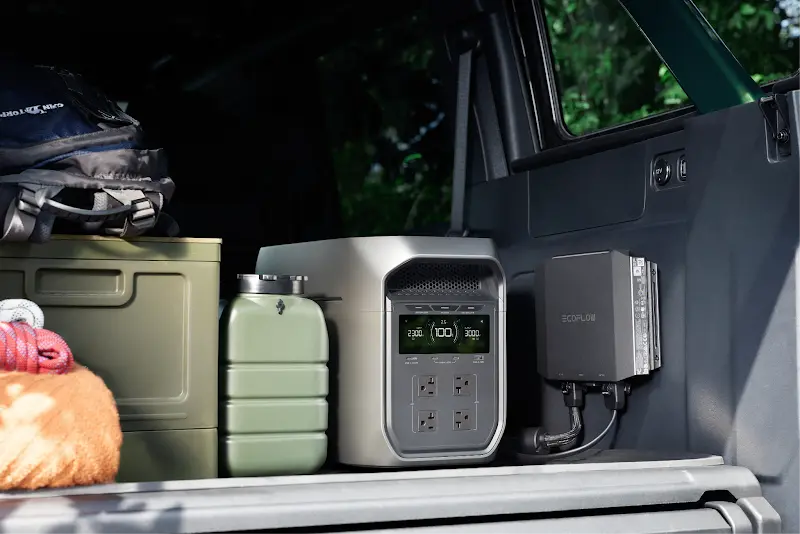
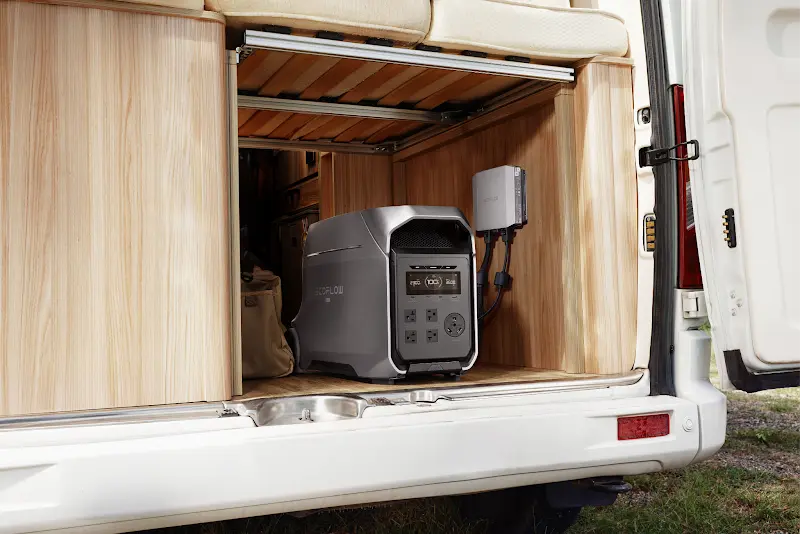
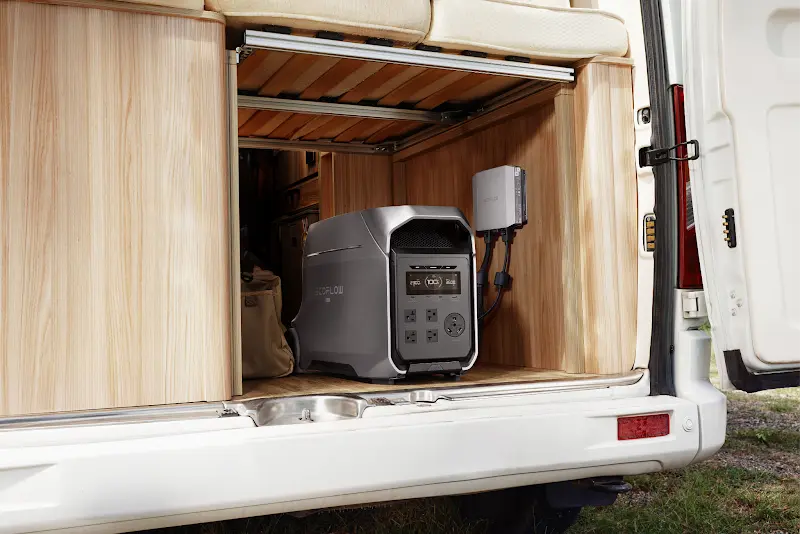
With a high-output vehicle charging setup, you can recharge cameras, drones, spare batteries, and smartphones while moving between trailheads. A system like the EcoFlow DELTA 3 Ultra Plus + 800W Alternator Charger lets you draw power directly from your vehicle’s engine, making it possible to recharge efficiently as you drive. By the time you reach your next stop, your gear is ready to go again, without needing to rely on crowded cafés or search for wall outlets in the park.
Store Daytime Solar Energy at Campsites
Environmental conditions in the Rockies during summer are incredibly favorable, offering bright daylight that stretches past 9:30 PM. If you are base-camping at a scenic spot like Two Jack Lakeside or the Lake Louise Campground for multiple nights, these extended daylight hours present an ideal window to harness clean solar energy. Continuous monitoring is not required while your gear is operating; simply deploy your solar arrays next to your tent or secure them flat to your vehicle roof before heading out for the day.
While you are spending your afternoon hiking rugged ridges, paddling pristine lakes, or relaxing in local hot springs, your campsite setup can silently harvest the abundant mountain sunshine. Pairing a high-capacity solar generator like the EcoFlow DELTA 3 Max Plus (2048Wh) + 500W Solar Kit offers a simple and reliable way to keep your base camp running. When you return to camp at twilight, your battery storage is fully recharged, allowing you to run camp lights, charge laptops, and power a portable 12V fridge to keep food and supplies fresh overnight—without relying on loud gas generators or costly hookups.
Prepare Food and Water for Multi-Day Trips
Heading into remote areas along the Icefields Parkway or nearby provincial parks means leaving easy grocery stores and city water lines behind. Pack a good, heavy-duty cooler or a portable fridge. Fill it with prepped, high calorie meals that cook up easily on a camp stove. Also bring big water jugs, at least 4 to 5 litres per person per day. Or carry a reliable backcountry water filter to safely pull water from mountain creeks and glacial rivers.
Keep Emergency Gear for Remote Travel Breakdowns
Cell service can disappear completely on remote mountain highways, so you need to be self-reliant. Always carry a well-stocked emergency kit in your vehicle, including heavy-duty jumper cables, a portable tire inflator, basic tools, a traction mat for mud or snow, and a paper map of Alberta’s parks. It’s also smart to pack extra warm blankets, high-energy food, and a satellite communication device. Adding a portable solar generator to your trunk ensures a continuous power supply for these electronic tools and safety devices during extended roadside delays.
How Do You Make the Most of Hiking and Hot Springs in Banff?
Banff is all about balance. Push yourself on the trails, then take time to rest and recover. Exploring nearby hiking trails ensures you experience the best scenery before heading to the pools. Combining challenging hikes with relaxing hot springs helps maintain energy throughout your trip.
Pick Trails Based on Fitness and Time Available
Banff has it all. Flat easy boardwalks. Brutal high altitude scrambles that need real navigation skills. Be honest about your fitness level. Check trail stats before you go. Total elevation gain and round trip distance. Apps like AllTrails help. Pick a trail that fits your ability. That keeps your hike safe and fun. You finish with energy to enjoy the rest of the day, rather than ending the day completely exhausted.
Start Hiking Early to Avoid Crowd Peaks
Start your hike at the trailheads by 7:00 AM or earlier. This helps ensure parking availability and allows you to enjoy the quiet of the wilderness before the crowds arrive. Early mornings also give you the best chance to spot wildlife like elk, deer, and bighorn sheep along the lower valley trails. Finish your main hike by midday to avoid the afternoon heat and the peak crowds on the trails.
Combine Hiking with Hot Springs Recovery Flow
Building your trip around a “hike then hot springs” routine is one of the best ways to structure your mountain days. After a few hours on steep trails, soaking in 39°C geothermal mineral water in the evening helps relax tired muscles, improve circulation, and ease joint discomfort, so you feel refreshed and ready for the next hike.
What Should You Check Before Leaving the Banff Area?
As your mountain trip comes to an end, don’t rush the departure. Take a moment to run through a quick, simple checklist before hitting the road. It’s an easy habit that helps keep your drive home across the province smooth, safe, and stress free.
Confirm Fuel Stations Along Route
Gas stations get really sparse once you leave Banff or Lake Louise town. Head north on the Icefields Parkway toward Jasper or west into BC, and you will find stretches of over 100 kilometres with no gas pump at all. Fill your tank completely before you hit the highway. Also mark the locations of rural stations along your route. It is important to avoid running low on fuel in remote areas.
Check Mobile Signal Coverage Zones
Cell service drops off fast once you leave the main Trans Canada Highway and head into deep mountain valleys. While you still have good LTE or Wi Fi in town, download your driving routes, offline Google Maps, hiking trail maps, and reservation confirmations right to your phone. Save that data locally. Then you can find your way, locate campsites, and get emergency info without needing any cell signal.
Review Parking Rules at Attractions
Parking rules in Banff are strictly enforced. Break them and you face heavy fines or even a tow. A lot of popular trailheads ban oversized RVs during peak daytime hours. Others need special permits for overflow lots. Always read the roadside signs carefully. Park only inside the painted lines. And use the park’s public transit shuttles whenever you can. This helps reduce the risk of parking issues.
Pack Emergency Supplies Before Long Drive Back
Before kicking off a multi-hour drive back to major transport hubs like Calgary or Edmonton, double-check that your vehicle’s safety essentials are easily accessible. Ensure your first aid kit is fully stocked, your water bottles are filled with fresh drinking water, and plenty of road trip snacks are within arm’s reach. Taking five minutes to secure loose gear in your trunk and check your vehicle’s fluid levels helps ensure a smooth drive out of the mountains.
Conclusion
Banff National Park offers a remarkable mix of rugged landscapes, accessible iconic sights, and diverse outdoor activities. Follow park entry rules, plan your driving routes carefully, and combine mountain hikes with relaxing hot springs for a more balanced travel experience.
For longer backcountry or off-grid road trips, staying self-sufficient with modern power systems helps keep your electronics and camp equipment running in remote areas. Pack appropriate layers, respect wildlife, practice Leave No Trace principles, and prepare to experience one of Canada’s most iconic wilderness destinations.
FAQ
Can You Go to the Town of Banff Without a Park Pass?
No, you cannot enter or stop in the town of Banff without a valid Parks Canada park pass. Because the townsite is located entirely within the boundaries of Banff National Park, all visitors driving through, shopping, or staying overnight are legally required to purchase and display a pass.
What Is the Best Month to Go to Banff National Park?
July and August are widely considered the best months to visit Banff for warm weather, fully thawed turquoise lakes, and open hiking trails. However, if you prefer to avoid heavy crowds and high accommodation prices, the shoulder months of June and September offer stunning scenery and a much quieter park experience.
Can You Get to Moraine Lake Without a Shuttle?
No, you cannot drive a personal vehicle to Moraine Lake, so you must use an official shuttle, public transit, or a licensed commercial tour. Parks Canada has closed the access road to personal vehicles to protect the environment and manage traffic, though visitors can still access the lake by bike or on foot.
How Long Does It Take to Drive from Banff to Moraine Lake?
It typically takes about an hour to travel from the town of Banff to Moraine Lake under normal traffic conditions. This includes a 40-minute drive along the Trans-Canada Highway to Lake Louise, followed by an additional 20-minute transit up the winding Moraine Lake Road via shuttle.
Is a 40L Backpack Enough for a 2 Day Hike?
Yes, a 40L backpack is generally sufficient for a 2-day hike if you are packing lightweight, compact gear and minimal extra clothing. It requires careful packing and prioritizing multi-use equipment, but it is an ideal size for a standard overnight backcountry trip without extra bulk.