Sea-to-Sky Road Trip: Powering an Adventure Through BC
- What Is the Sea-to-Sky Highway, and Why Is It One of Canada's Best Road Trips?
- What Are the Best Stops Along the Sea-to-Sky Corridor?
- What Power Challenges Do Campers Face on the Sea-to-Sky?
- What Devices Need Power on a Multi-Day Road Trip?
- How Does Portable Power Fit Into a Sea-to-Sky Camping Setup?
- Frequently Asked Questions
- Portable Power Keeps Your Sea-to-Sky Adventure Running From the Coast to the Mountains
British Columbia's Highway 99, the Sea-to-Sky Highway, runs from Horseshoe Bay to Cache Creek, with a scenic stretch from Vancouver to Whistler. In one day's drive, you'll pass coastal rainforests, the Howe Sound shoreline, and alpine terrain. Taking a slower, multi-day version of this trip means campers and RVers need a power plan for long stretches with no hookups or cell service.
What Is the Sea-to-Sky Highway, and Why Is It One of Canada's Best Road Trips?
Construction began in the 1950s between Horseshoe Bay and Squamish, and the highway reached Whistler by the mid-1960s, and then Pemberton by 1975.
Before the 2010 Winter Olympics, the province spent an additional $600 million to widen and straighten the highway, adding a median barrier and passing lanes. Today, the route stretches from Horseshoe Bay to Cache Creek, linking the coast to the BC Interior.
This corridor connects to a broader network of scenic touring routes, making it a popular leg of a larger cross-Canada road trip for visitors who want to continue north to Lillooet or the Interior.
What's so special about the Sea-to-Sky Highway is that it crosses five biogeoclimatic zones between the coast and Whistler, shifting from temperate rainforests at the start to subalpine forests in under two hours of driving.
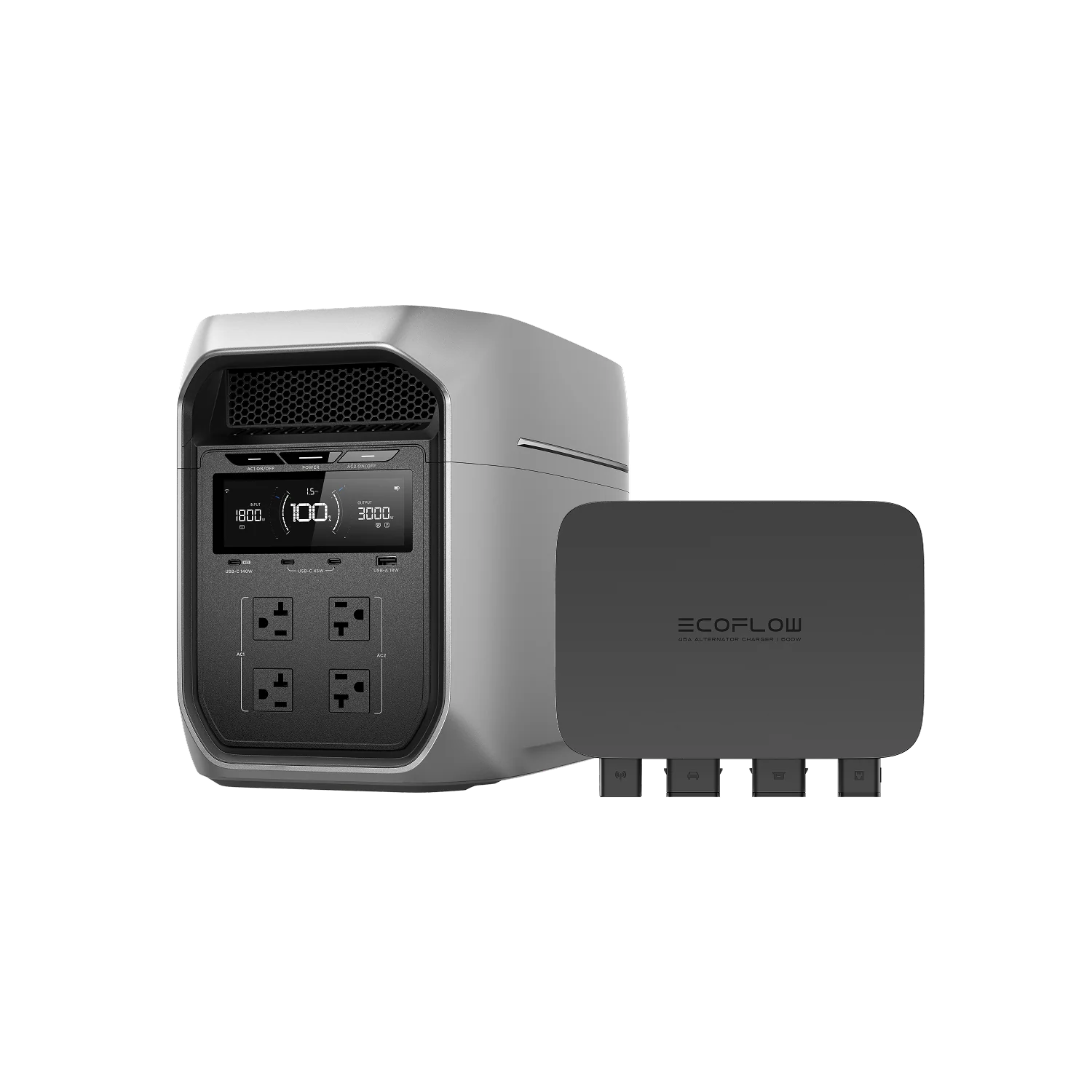
That range in terrain and driving time also means power needs shift throughout the trip. If you’re covering the full multi-day corridor, a portable power station like the EcoFlow DELTA 3 Max Plus + 800W Alternator Charger is built for the distance. It tops up from your vehicle’s alternator as you drive, so the miles between stops become efficient charging time.
What Are the Best Stops Along the Sea-to-Sky Corridor?
Shannon Falls. British Columbia's third-highest waterfall at 335 metres. It sits a short walk from a highway-side parking lot near Squamish.
Stawamus Chief and the Sea to Sky Gondola. Glimpse viewpoints over Howe Sound without a full-day hike.
Garibaldi Provincial Park. This large park stretches from Squamish to Pemberton, with trailheads at Garibaldi Lake, Black Tusk, and Elfin Lakes, all accessible right off the highway.
Brandywine Falls. A quick day-use stop to a 70-metre drop, about 47 km north of Squamish.
What Power Challenges Do Campers Face on the Sea-to-Sky?
Power can be a challenge when you stretch out the Sea-to-Sky Highway across multiple days or extend your journey beyond this corridor. There are no gas stations between Horseshoe Bay and Squamish, and services thin out even further north past Whistler.
The front country campgrounds at BC Parks along the highway limit fuel generator use to specific morning and evening hours and actively encourage campers to use solar generators or portable power stations as a quieter all-hours alternative.
Additionally, most provincial park campsites in the corridor, including Porteau Cove and Alice Lake, have no electrical hookups at all.
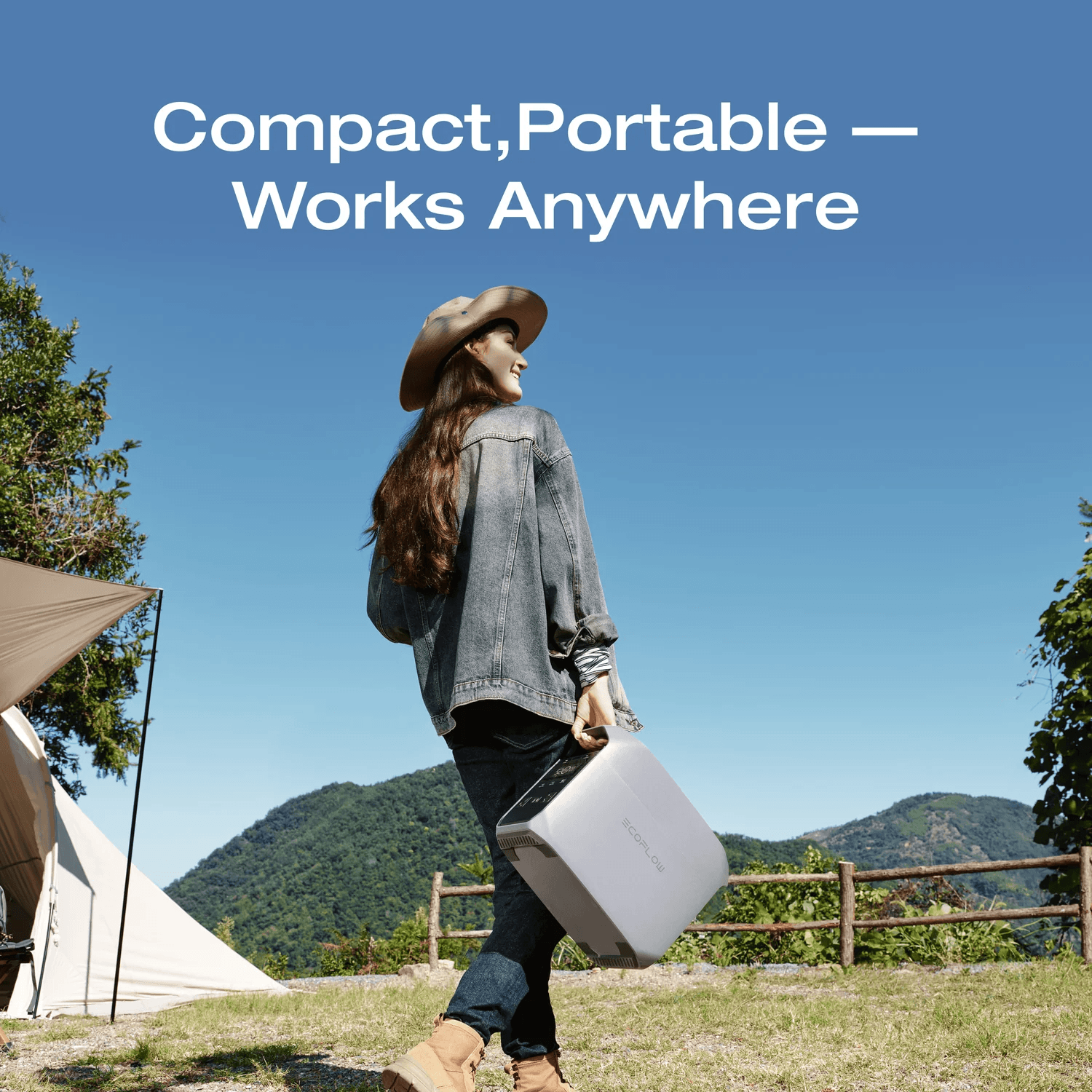
If you’re doing a shorter leg of the highway or an overnight, you don’t necessarily need a full alternator-charging setup to stay powered. The EcoFlow DELTA 3 Classic (1024Wh) is light enough to pack for a day trip or weekend stop, and it pairs easily with a solar panel to top back up at camp during the corridor’s long summer daylight hours.
What Devices Need Power on a Multi-Day Road Trip?
Here's a checklist of road trip essentials to help you charge your devices and pack before departure, so you avoid discovering a dead device an hour into a dead zone.
Communication devices, smartphones, and GPS units draw down faster in mountain terrain, where signal searching and elevation changes increase battery use.
A multi-day trip also adds cameras, drones, coolers, and laptops for remote work.
You may also want extra comforts like a portable fan, headlamps for nighttime, Bluetooth speakers, space heaters, or heated blankets.
How Does Portable Power Fit Into a Sea-to-Sky Camping Setup?
Since most corridor campsites don't have electrical hookups, you'll have to rely on batteries, vehicle power, or a portable solar generator to keep your devices running overnight.
A single portable power station is also an option, and it can run a cooler, charge your cameras and phones, and power a headlamp or lantern from one battery, rather than juggling multiple chargers.
But for multi-day power, since AC access isn't always guaranteed, solar recharging is essential. Adding solar panels works particularly well with the corridor's long summer daylight hours, and allows your power station to top back up between driving legs.
Frequently Asked Questions
Do Sea-to-Sky Campgrounds Have Electrical Hookups?
The provincial park campgrounds along the corridor, including Alice Lake, Nairn Falls, and Porteau Cove, don't offer electrical hookups. BC Parks reserves hookups for a few parks throughout the province, but they're not available along the Sea-to-Sky Corridor. However, private RV parks in Whistler, Squamish, and Pemberton do offer some service sites for travellers who need short power.
Is There Cell Service Along the Sea-to-Sky Highway?
You can find cell service coverage in Squamish, Whistler, and Pemberton, but there are still pockets of weak or fully dropped signal through Cheakamus Canyon and other mountainous stretches. You may also experience coverage gaps on certain scenic highway stretches. Downloading offline maps and letting someone know your route beforehand is a smart backup for these gaps.
Can You Camp for Free Along the Sea-to-Sky Corridor?
Free dispersed camping is available on Crown Land in BC; however, you can only stay for 14 consecutive days per site. Find dispersed spots off forest service roads outside of town, as free camping is not permitted within Squamish district boundaries and many other municipal boundaries. Recreation sites managed by the province may offer free or low-cost rustic camping without electricity or a reservation system.
Portable Power Keeps Your Sea-to-Sky Adventure Running From the Coast to the Mountains
Taking your time along the Sea-to-Sky Highway or extending your trip beyond this corridor calls for a multi-day reliable power source, especially because cell service is spotty and most campgrounds don't offer hookups.
For a quick day trip or weekend stop, the EcoFlow DELTA 3 Classic (1024Wh) is light and simple to pack, and pairs well with a solar panel at camp. If you’re tackling the full corridor over multiple days, the EcoFlow DELTA 3 Max Plus + 800W Alternator Charger turns your drive time between stops into charging time, so you always have a power source between stops.
With the right plan in place, you can focus on the scenery from Howe Sound to the alpine, not your battery percentage.