Newfoundland Road Trip: Weather, Ferries, Scenic Drives, and Packing Tips
- Quick Newfoundland Road Trip Overview
- Why Planning Is Crucial for Your Newfoundland Road Trip
- Understand the Ferry Logistics From Nova Scotia
- Create the Ultimate Newfoundland Road Trip Itinerary
- Driving Conditions and Wildlife Safety on the Island
- Best Time to Visit: Weather, Icebergs, and Whales
- Essential Packing Checklist for Newfoundland Road Trip
- Pack Essentials for Remote Coastal Travel
- Find Accommodations in Sparsely Populated Areas
- Gear Up for the Ultimate Island Drive
- FAQs
A Newfoundland road trip is one of the most rugged and rewarding travel experiences available to Canadians. Unlike a standard highway drive, exploring the island of Newfoundland requires careful preparation for unpredictable weather, long stretches between services, and complex ferry logistics. From the ancient fjords of Gros Morne National Park to the historic streets of St. John’s, this journey offers unparalleled access to coastal beauty and wildlife. This guide provides the essential information needed to navigate the island’s unique geography and ensure a safe, memorable adventure across "The Rock."
Quick Newfoundland Road Trip Overview
Ferry required from Nova Scotia (Port aux Basques or Argentia)
Total driving time across island: ~9–10 hours without stops
Best travel season: June to September
Key risks: moose activity, fog, long fuel gaps
Recommended trip length: 10–14 days
Why Planning Is Crucial for Your Newfoundland Road Trip
Planning a road trip Newfoundland style is significantly different from driving through other Canadian provinces. The island is vast, and the distance between major hubs can be deceptive when looking at a map. Many travelers underestimate the time required to move between the western and eastern coasts.
Newfoundland covers over 100,000 square kilometers. Driving from the ferry terminal in Port aux Basques on the west coast to the capital of St. John’s on the east coast takes approximately nine hours without stops. When you add scenic detours to northern peninsulas like St. Anthony or Bonavista, you are looking at several days of driving.
Outside of the Trans-Canada Highway (TCH), roads can be narrow and winding. In rural areas, gas stations and grocery stores may be hours apart. Accommodations in popular spots like Twillingate or Rocky Harbour often book up months in advance, especially during the peak summer months. A well-researched Newfoundland road trip itinerary is necessary to ensure you have a place to stay and enough fuel to reach your next destination.
Understand the Ferry Logistics From Nova Scotia
To begin your Newfoundland road trip, you will likely take a Marine Atlantic ferry from North Sydney, Nova Scotia. There are two primary routes to the island, each serving a different purpose depending on your travel goals.
The Port aux Basques Route (Western Entrance)
This is the most common route, running year-round. The crossing takes about six to eight hours. It deposits you on the west coast, just a few hours south of Gros Morne National Park. This is the best option for those wanting to focus on the mountains, the Viking Trail, and rugged coastal scenery.
The Argentia Route (Eastern Entrance)
During the summer, a seasonal ferry runs to Argentia, which is only 90 minutes from St. John’s. This crossing is much longer, taking approximately 16 hours. While it is more expensive, it saves you a full day of driving across the island if your primary interest is the Avalon Peninsula. Many travelers choose to enter through Port aux Basques and depart via Argentia to create a one-way Newfoundland road trip itinerary.
Booking Tips and Cabin Rentals
Ferry space for vehicles, especially RVs, fills up quickly. It is advisable to book at least three to four months in advance. If you are taking the overnight crossing to Argentia or a night crossing to Port aux Basques, renting a cabin is highly recommended. It allows you to arrive on the island refreshed and ready for a full day of driving.
Create the Ultimate Newfoundland Road Trip Itinerary
To see the best of the island, you should divide your time between the three major regions. Having a clear Newfoundland road trip map in mind will help you allocate your days efficiently.
The Western Region and the Viking Trail
The west coast is dominated by Gros Morne National Park, a UNESCO World Heritage site. Here, you can hike the Tablelands, where the Earth's mantle is exposed, or take a boat tour of Western Brook Pond. Following the Viking Trail (Route 430) north leads you to L'Anse aux Meadows, the only authenticated Norse site in North America.
The Central Region and Iceberg Alley
Central Newfoundland is the gateway to "Iceberg Alley." Towns like Twillingate are famous for iceberg spotting in the late spring and early summer. This region also offers excellent whale-watching opportunities as humpbacks and minkes follow the capelin schools close to the shore.
The Eastern Region and the Avalon Peninsula
St. John’s is the cultural heart of the island, known for Signal Hill, Quidi Vidi Village, and the colorful houses of "Jellybean Row." Nearby, Cape Spear marks the easternmost point in North America. The Irish Loop scenic drive on the Avalon Peninsula is perfect for spotting puffins and caribou.
Driving Conditions and Wildlife Safety on the Island
Driving in Newfoundland requires a different level of alertness than driving in urban Canada. The combination of weather and wildlife creates specific hazards for motorists.
Newfoundland has one of the highest moose densities in the world. These animals are massive and can be extremely dangerous if struck by a vehicle. Moose are most active at dusk and dawn, which are the worst times to be on the road. According to guidance commonly issued by Newfoundland and Labrador road safety authorities and wildlife collision reports, driving at night in rural areas is considered higher risk due to moose activity near roadways. This is an experience-based recommendation rather than a strict rule, and conditions can vary by route and season.
The Trans-Canada Highway is generally well-maintained, but secondary coastal roads can have potholes and frost heaves. In the summer, road construction is frequent, and you may encounter long delays on one-lane stretches. Before long-distance travel, it is recommended to check the Newfoundland and Labrador 511 road information system, which provides updated reports on construction, weather, and closures. This is a standard traveler practice rather than a requirement, but it helps reduce delays on rural highways.
Best Time to Visit: Weather, Icebergs, and Whales
The timing of your road trip Newfoundland will dictate exactly what natural phenomena you get to witness. The island’s weather is notoriously fickle, often changing from bright sun to dense fog in minutes.
Iceberg Season (May to June)
For those wanting to see massive glacial ice floating past the coast, late May and June are the peak months. However, this is also a "shoulder" season where temperatures remain cool, and some smaller tourist attractions may not yet be fully open. Pack layers, including windproof and waterproof gear.
Whale and Puffin Season (July to August)
July and August offer the most stable weather and the best wildlife viewing. Thousands of whales migrate to the coastal waters, and puffin colonies are at their most active. This is also the best time for hiking in Gros Morne, as the snow has finally cleared from the higher elevations.
Fall Travel (September)
September is a beautiful time for a Newfoundland road trip, offering crisp air and fewer crowds. The fall colors on the hillsides are stunning, and the berry-picking season is in full swing. However, be aware that some seasonal ferries and boat tours may stop operating by mid-September.
Essential Packing Checklist for Newfoundland Road Trip
Waterproof jacket and layered clothing
Offline maps or downloaded GPS routes
First aid kit and emergency supplies
Extra food and drinking water for long drives
Car spare tire and basic tools
Phone charging backup for remote areas
Pack Essentials for Remote Coastal Travel
Packing for Newfoundland requires preparing for all four seasons, even in July. Because many areas are remote, having the right gear in your vehicle is essential for comfort and safety.
Clothing Layers
A practical layering system is commonly used, consisting of a base layer, fleece or wool mid-layer, and a waterproof outer shell. Even if the sun is shining, the wind off the Atlantic can be piercingly cold. Waterproof footwear is also a must if you plan on doing any coastal hiking.
Digital and Power Prep
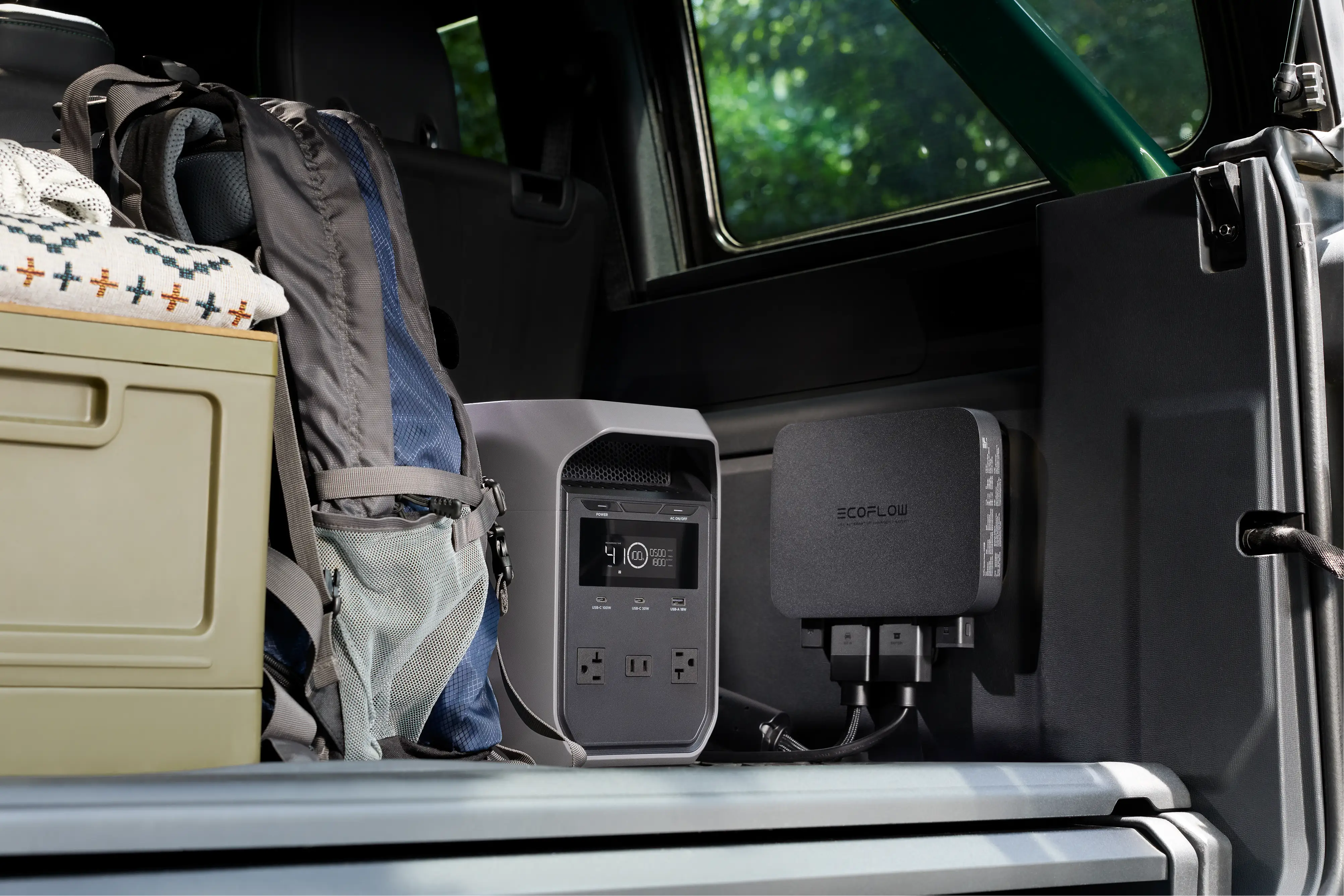
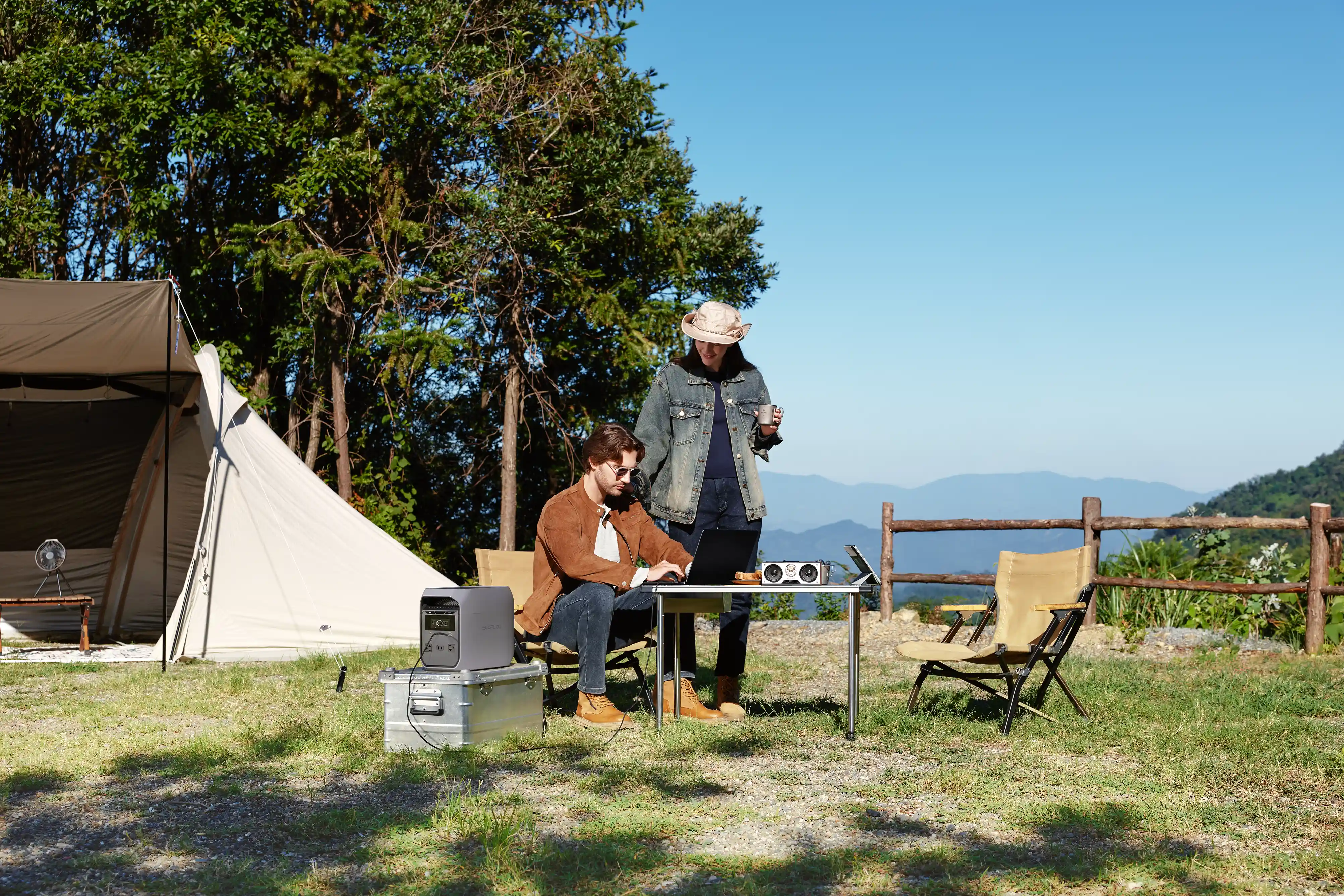
Cell service is spotty once you leave the TCH. Download a Newfoundland road trip map for offline use to ensure you can navigate the peninsulas without a data connection. For long road trips in remote areas, some travelers choose portable power stations as part of their travel setup. One example is the EcoFlow DELTA 3 Classic Portable Power Station, which is often used for charging phones, cameras, and small electronics during off-grid travel. Availability and suitability vary by user needs, and travelers should compare different options before purchase based on capacity, weight, and trip duration.l
Emergency Road Kit
Given the long distances between towns, your car should be stocked with a full-sized spare tire, a first-aid kit, extra water, and snacks. It is also wise to carry a physical road atlas, as GPS may occasionally suggest secondary or less-maintained roads that are not suitable for all passenger vehicles.
Find Accommodations in Sparsely Populated Areas
Because Newfoundland is sparsely populated, the tourism infrastructure is concentrated in specific hubs. This makes spontaneous travel difficult during the summer months.
The island has a wonderful culture of small, locally-owned Bed and Breakfasts. These are often the best way to experience local hospitality and get insider tips on hidden coves or local events. For campers, parks like Terra Nova and Gros Morne offer world-class sites, but these must be reserved through the Parks Canada website well in advance.
If you are traveling in July or August, aim to have your accommodations booked by March. If you find yourself in a bind, some smaller communities offer "community wharves" where RVs can park for a small fee, or local residents may have private listings on smaller regional websites.
Gear Up for the Ultimate Island Drive
A Newfoundland road trip is a journey through some of the most dramatic landscapes in North America. By understanding the ferry systems, respecting the local wildlife, and preparing for the island's variable weather, you can safely explore the unique culture and natural wonders of "The Rock." Enhance your rugged island adventure with the lightweight EcoFlow DELTA 3 Classic, offering durable power for off-road bumps and fast charging between scenic stops. Experience worry-free energy today.
FAQs
Q1. What Is the Best Way to See Icebergs in Newfoundland?
The best way is to visit the northern coast, known as Iceberg Alley, between late May and early June. Towns like Twillingate, Bonavista, and St. Anthony are prime viewing spots. You can see them from coastal hiking trails or take a boat tour for a closer perspective.
Q2. Is It Safe to Drive at Night in Newfoundland?
No, it is generally advised to avoid driving at night. The high population of moose makes night driving extremely hazardous, as these animals are difficult to see until they are directly in front of your vehicle. Plan your travel to arrive at your destination before sunset.
Q3. How Long Does It Take to Drive Across Newfoundland?
It takes approximately nine to ten hours to drive the 900 kilometers from Port aux Basques to St. John’s on the Trans-Canada Highway. However, a proper road trip Newfoundland should take at least 10 to 14 days to account for scenic detours and hiking.
Q4. Do I Need a Four-Wheel Drive Vehicle for This Trip?
No, a standard passenger car is sufficient for most tourist routes. The main highways and scenic loops are paved. However, an SUV can provide better visibility for spotting wildlife and more comfort on some of the rougher secondary roads.
Q5. Are There Many Gas Stations in Rural Newfoundland?
On the Trans-Canada Highway, gas stations are frequent. However, on the peninsulas and the Viking Trail, they are much more sparse. It is a good rule of thumb to refill your tank whenever it reaches the half-way mark to avoid running low in remote areas.
Disclaimer: This article is for travel planning purposes only. It does not replace official advisories from Marine Atlantic, Parks Canada, or Newfoundland and Labrador transportation authorities. Travelers should always confirm real-time ferry schedules, road conditions, and weather alerts before departure.