Sump Pump Renovation Ideas: Basement Waterproofing Upgrades for Canadian Homes
- Why Renovating Your Sump Pump System Matters in Canada
- Assess Your Current Basement Drainage Before Renovating
- Best Sump Pump Renovation Ideas for a Drier Basement
- Smart Basement Upgrades to Reduce Flood Risks
- How to Choose the Right Renovation Based on Your Basement
- How Much Does a Sump Pump Renovation Cost in Canada?
- Conclusion
- FAQ
Living in Ontario, Quebec, or across the Prairies means dealing with rapid, unpredictable seasonal shifts that put massive stress on home foundations. A sudden warm spell in March can quickly melt heavy snowpack over ground that is still frozen solid, while intense summer downpours can dump hundreds of litres of water against your concrete walls in a matter of hours.
Upgrading your basement drainage and waterproofing setup is a practical necessity when renovating or reinforcing your home against water damage. This guide walks through smart technical upgrades, warning signs to watch for, and proven methods to build a highly reliable water management system tailored for the Canadian climate.
Why Renovating Your Sump Pump System Matters in Canada
Every spring, homeowners across Canada go through the same tense ritual. We head down the basement stairs, sniff the air for dampness, and listen closely to confirm that the primary pump is actually cycling. Leaving an aging, untested sump pump system can increase the risk of basement water damage during severe weather, especially when you consider how quickly local weather patterns can shift.
Why Older Sump Pump Systems Often Fail
Standard builder-grade sump pumps are generally only designed to last about seven to ten years. As they approach the end of their lifespan, mechanical components begin to degrade, switches get stuck, intake screens clog with silt, and internal motor seals slowly dry out. When a heavy storm hits, an aging motor may struggle to maintain the same pumping performance during periods of heavy water inflow.
How Heavy Rainfall, Snowmelt, and Flooding Affect Canadian Basements
Our northern climate presents tough challenges for residential foundations. During the spring freshet, rapid snowmelt frequently combines with seasonal rain while the ground underneath remains frozen like concrete. Because the water cannot sink into the frozen earth, it runs laterally, pooling directly against your basement walls. This can increase hydrostatic pressure, allowing groundwater to enter through existing cracks or weak points in the foundation. Without an efficient pump, your basin will overflow quickly, leading to ruined flooring and expensive structural repairs.
Signs It's Time for a Basement Waterproofing Upgrade
You do not have to wait for standing water to recognize that your system is struggling. If your current pump sounds like a blender grinding rocks when it runs, or if you notice damp spots and peeling paint along your lower drywall, your home is already showing warning signs. Another indicator is a persistent, musty smell in unfinished corners, if your storage bins or sports gear smell damp, moisture is actively migrating through your concrete slab.
Assess Your Current Basement Drainage Before Renovating
Before investing in expensive new equipment, it is smart to diagnose the specific weak points of your current setup. Homeowners searching for how to remodel sump pump solutions should first understand how their drainage system performs during a light drizzle versus a sudden summer downpour.
Inspect Your Existing Sump Pump Performance
Testing your setup is straightforward. Pour a large five-gallon bucket of water directly into your sump pit and observe the mechanism. Take note of how quickly the float switch engages and how fast the motor clears the basin. If the motor struggles to clear the water in a reasonable timeframe, or if the float mechanism catches on the side of the plastic liner, your system may need inspection or replacement.
Check for Foundation Cracks and Water Entry Points
Take a flashlight and inspect your concrete walls, especially behind shelving and near floor joints. Hairline cracks might seem minor, but they act as direct highways for high-pressure groundwater. Look for efflorescence, that white, powdery salt residue left behind when moisture evaporates off concrete, as it indicates active water migration.
Evaluate Drainage Around Your Home
The next time a heavy rain hits, put on a jacket and walk around your yard. If water is pooling within a few feet of your foundation walls instead of sloping away toward the street or back lane, your grading is working against you. The best indoor pump in the world cannot keep up if your landscaping is constantly dumping roof water right back into your weeping tiles.
Identify Electrical and Backup Power Risks
Standard pumps plug into a single wall outlet. If your pump shares a circuit with other heavy-draw appliances like a freezer or washing machine, you increase the risk of tripping the breaker during a heavy storm. Even worse, if a storm knocks down local power lines during a spring melt, a plug-in pump becomes useless without an independent power source. Adding a portable power station as part of your backup plan can help keep your sump pump running when grid power is unavailable.
Best Sump Pump Renovation Ideas for a Drier Basement
Waterproofing a basement is rarely about a single quick fix. Usually, the most reliable approach is combining a few different upgrades to reduce the risk of water accumulation beneath your floor.
Upgrade to a High-Efficiency Primary Sump Pump
Replace a cheap, plastic-housed retail pump with a heavy-duty, cast-iron model. Cast iron models generally dissipate heat better than plastic alternatives and are often preferred for demanding applications where pumps may run for longer periods. A solid 0.5 HP or 0.75 HP cast-iron pump can move thousands of litres of water per hour, keeping you ahead of the inflow during a severe storm.
Install a Battery Backup Sump Pump
A sump pump battery backup system adds a second line of defense by installing a secondary pump slightly higher in your basin and powering it with a marine battery. If your main pump gets overwhelmed or loses power, the backup automatically kicks in. It is an incredibly reliable safety net, especially if you are away from home when a storm hits.
Add a Water-Powered Backup System
If your home is on a municipal water line, you can install a backup system that runs entirely on city water pressure. It uses a venturi valve to siphon water out of your pit, requiring no electricity or battery maintenance. While highly reliable, these systems use a massive amount of municipal water to clear your pit, which can cause a surprise on your utility bill, and they may not be practical for homes with private wells or limited water pressure.
Replace or Improve the Sump Pit and Basin
A small or cracked plastic pit limits your pump’s capacity. Upgrading to a larger, heavy-duty polyethylene basin allows your pump to run longer, more efficient cycles. This prevents the rapid “on-and-off” cycling that wears out motors prematurely. Always make sure the basin is capped with a gasket-sealed, airtight lid to keep humidity, damp smells, and radon gas out of your living space.
Upgrade Discharge Pipes and Freeze Protection
In our freezing winters, standard exterior discharge lines can easily freeze solid, leaving the pumped water with nowhere to go.
Pro Tip: Install a specialized freeze-protection escape vent (often called an IceGuard) on your exterior discharge line right where it exits the house. If the pipe freezes down the line, water can safely escape through the slotted vents near your foundation instead of backing up and burning out your pump motor.
Improve Exterior Drainage with Better Grading and Downspout Extensions
Make sure the soil around your foundation slopes away from your home by at least six inches over the first ten feet. Additionally, extend your gutter downspouts at least six to ten feet away from the house so that roof runoff does not immediately soak back down into your foundation walls.
Install or Replace Weeping Tile (French Drain) Systems
If water is constantly weeping through the joint where your basement floor meets the walls, your sub-floor drainage is likely clogged or collapsed. An interior weeping tile installation is a long-term solution. Contractors cut a channel into the concrete floor, lay down perforated PVC pipe wrapped in gravel, and route groundwater directly to your sump basin before it can ever rise to touch your drywall.
Smart Basement Upgrades to Reduce Flood Risks
Modern home protection has gotten incredibly smart, allowing you to monitor your basement’s status without constantly checking the utility closet.
Install Smart Water Level and Leak Sensors
Placing small, smart moisture sensors on the floor near your sump pit or behind your laundry machines is a cheap way to gain massive peace of mind. These small devices connect to your home Wi-Fi and send an instant alert to your smartphone the second they detect moisture, giving you valuable time to act before a puddle becomes a flood.
Use Wi-Fi Connected Sump Pump Monitoring
High-end smart pumps feature integrated Wi-Fi controllers that track how often your pump runs, monitor the temperature of the motor, and check the health of your backup battery. If your pump starts cycling abnormally or if the backup battery is losing its charge, the system alerts your phone, taking the guesswork out of maintenance.
Add Automatic Backup Power for Outages
Severe Canadian storms can cause extended power outages, leaving sump pumps unable to operate when basement flooding risks are highest. For homes that frequently experience heavy rainfall, spring melts, or water intrusion concerns, having an automatic backup power solution adds another layer of protection.
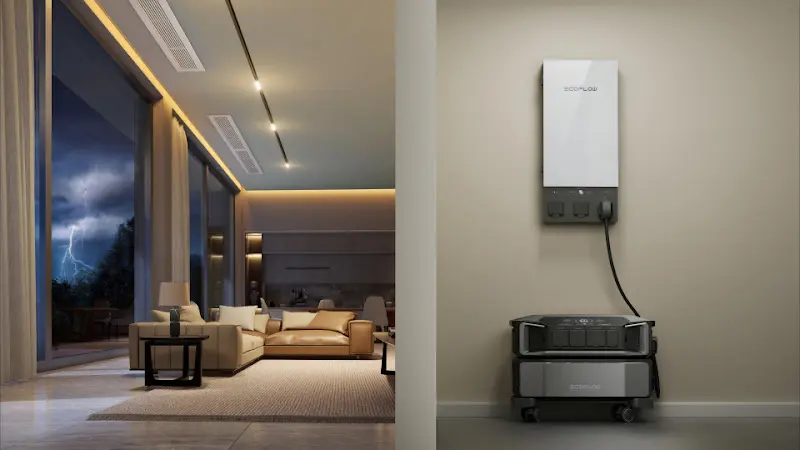
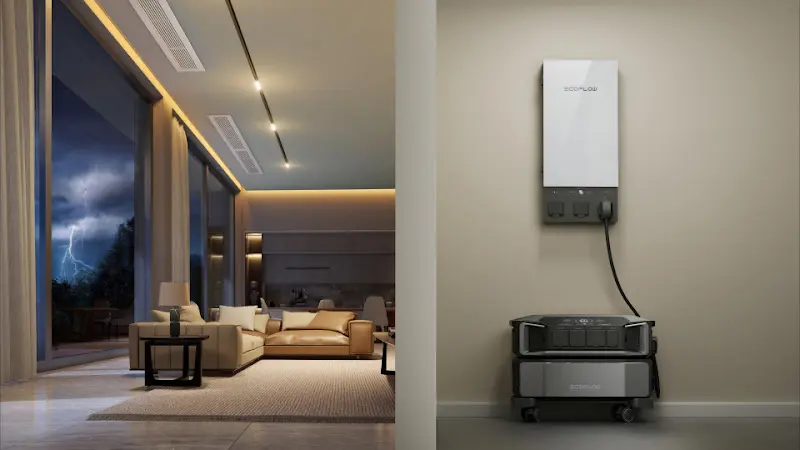
For homeowners who need to support more than a single sump pump, a whole-home solution like the EcoFlow DELTA Pro Ultra Whole-Home Backup Power can help keep multiple essential household loads running during prolonged outages. Its larger energy capacity makes it suitable for situations where basement protection needs to be combined with other critical power needs.
How to Choose the Right Renovation Based on Your Basement
Tailoring a waterproofing strategy requires looking closely at when your home was built, how the lower level is laid out, and the specific terrain surrounding your foundation.
For Older Homes (20+ Years)
Older residential properties across Canada often rely on original clay weeping tiles that have slowly collapsed, clogged with sediment, or filled with invasive tree roots over the decades. Resolving these deep drainage issues usually means cutting into the concrete slab to excavate the interior perimeter, laying down modern perforated PVC drainage pipe, and swapping out the original pit for a larger, heavy-duty sealed basin.
For Frequently Flooded Basements
When a basement takes on water during every heavy rain, a single primary pump is not enough to keep the space dry. You need a multi-tiered defense system that couples a high volume primary pump with a secondary backup unit and an independent emergency power supply.
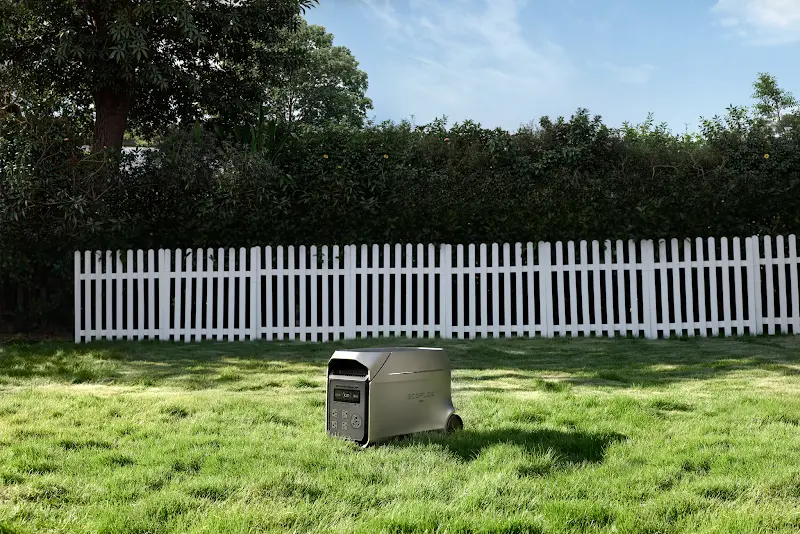
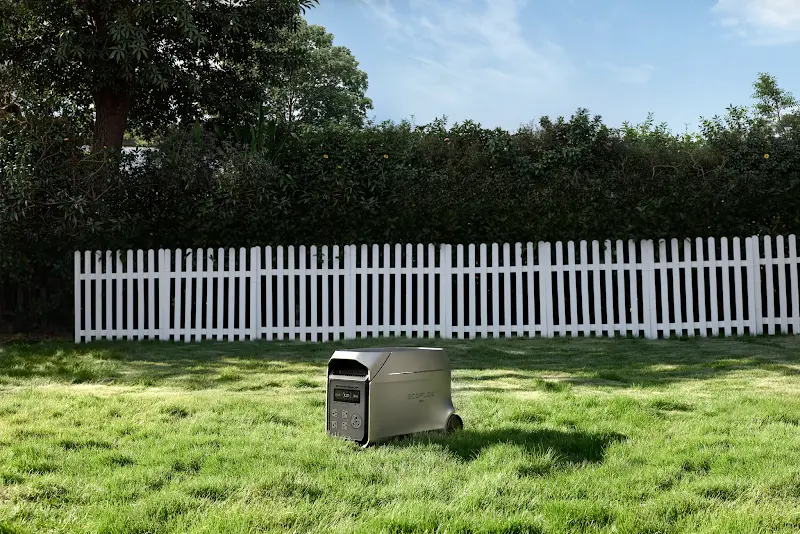
Simple mechanical fixes like replacing a check valve or adding smart sensors are manageable DIY projects, but keeping a sump pump running during a major storm with widespread grid failures requires a reliable backup solution. A high-capacity portable power station like the EcoFlow DELTA 3 Ultra Plus Portable Power Station (3072Wh) can provide immediate backup power without requiring an expensive, permanent hardwired installation.
This unit supports UPS functionality and solar charging for added flexibility during extended outages. You can connect a compatible sump pump that meets the power station’s output requirements directly to the power station when backup power is needed. Its built-in wheels and handle help simplify movement across garages, driveways, and other flat surfaces, making it easier to position near essential equipment. After the storm, it can also be used to support other emergency or outdoor power needs, offering more versatility than a dedicated, single-use backup battery.
For Finished Basements
Preventing a flooded basement in a fully completed living area is crucial, as water damage leads to immediate, expensive repair bills. If you have finished walls and floors, prioritize ultra quiet, heavy-duty cast-iron pumps, an airtight basin lid to damp down operational noise, and dual smart moisture sensors tucked discreetly behind baseboards or beneath the flooring near your utility room.
For Homes in High Water Table Areas
When a house is built on a low-lying lot with a naturally high water table, the sump pump is going to run constantly, even during dry summer spells. You will benefit from a high-flow dual pump setup with alternating float switches. This distribution allows the mechanical load to be shared between two separate pumps, which prevents premature wear on a single motor.
Professional Renovation vs. DIY Improvements
Swapping out an old pump, setting up smart water sensors, or extending gutter downspouts are straightforward tasks for a handy homeowner, but more complex upgrades may require professional help. Projects like trenching concrete floors to install new weeping tiles, sealing foundation walls from the outside, or modifying electrical systems often involve specialized skills and equipment to complete properly.
How Much Does a Sump Pump Renovation Cost in Canada?
Allocating a budget for basement drainage upgrades depends heavily on how deep you need to dig and the specific hardware you choose. Understanding the sump pump renovation cost can help homeowners compare simple pump replacements with more extensive waterproofing upgrades. Prices fluctuate between basic DIY-friendly improvements and major professional excavation projects. Here is a realistic look at what homeowners typically pay across Canada.
Average Cost of Common Basement Waterproofing Upgrades
| Project Type | Average Cost Range (CAD) | Key Considerations |
|---|---|---|
| Basic Primary Pump Replacement | $300 - $800 | DIY friendly; cost depends on horsepower. |
| Battery Backup Pump System | $800 - $2,000 | Includes secondary pump and marine-grade battery. |
| Sump Pit Basin Expansion & Lid | $1,000 - $2,500 | Requires concrete cutting and excavation. |
| Interior Weeping Tile Installation | $5,000 - $15,000+ | Priced per linear foot; requires professional excavation. |
| Smart Monitoring & Sensors | $150 - $500 | Simple, high-value DIY addition. |
Factors That Affect Renovation Costs
Several variable conditions will shift your final contractor estimates. A deep, finished basement with tight physical access requires careful manual labor, which drives up labor costs. Regional contractor rates in major urban areas like the GTA, Calgary, or Metro Vancouver also trend higher than in the Prairies. Opting for professional-grade cast iron instead of basic thermoplastic adds to the initial equipment bill but saves money on long term replacements.
Is a Full Waterproofing Renovation Worth the Investment?
Securing your foundation can be one of the most valuable upgrades you make to your property. A dry, well-maintained basement improves the usability of your home and helps protect its long-term value. Investing in waterproofing improvements can also reduce the risk of costly repairs caused by heavy rainfall, groundwater, or sewer backups. Adding backup equipment such as a power station can further improve your home’s resilience during severe weather events.
Conclusion
When heavy rain arrives or winter snow begins to melt, a reliable basement drainage system gives you peace of mind without constantly worrying about water issues. Taking the time to upgrade your foundation drainage and sump pump setup helps protect your home before problems occur. With Canada’s changing weather patterns, relying on an aging pump without proper backup protection can leave your basement more vulnerable during severe storms.
Improving your basement protection is a step-by-step process. Start by correcting drainage issues around your yard, upgrading an aging sump pump, and adding a reliable backup power option like the EcoFlow DELTA series to support your system during power outages. Preparing these details before the next major storm can help protect your home, belongings, and peace of mind through every season.
FAQ
How Long Does a Sump Pump Last?
Under typical operating conditions, a quality submersible sump pump generally lasts between seven and ten years. This timeline fluctuates based on how often the motor has to cycle, the volume of groundwater it processes, and whether the incoming water is full of abrasive silt and debris.
Should I Replace My Sump Pump Before It Fails?
Yes, planning a proactive replacement around the seven or eight-year mark is a smart way to protect your basement. Waiting for the motor to burn out means you will likely only discover the failure during a heavy storm when your basement is actively filling with water.
Is Battery Backup Enough During a Power Outage?
A standard marine-grade backup battery only supplies enough power to run a secondary pump for a few hours of continuous cycling. While this works for short local outages, upgrading to an independent, high-capacity portable power station can provide a longer-lasting backup option if you are dealing with a widespread, multi-day grid failure during a spring thaw.
What's the Difference Between Interior and Exterior Waterproofing?
Interior waterproofing acts as a management system, capturing groundwater after it passes beneath your foundation floor and routing it via interior weeping tiles directly to your sump basin. Exterior waterproofing is a preventive system, requiring deep trench excavation around your home’s foundation to apply physical waterproof membranes that stop water from ever penetrating the concrete walls.
How Much Value Does Basement Waterproofing Add to a Home in Canada?
Basement waterproofing does not have a fixed return on investment, but it can improve resale appeal by protecting the foundation, reducing moisture problems, and creating a more usable basement space. A dry, well-maintained basement is often a stronger selling point for Canadian homeowners.
Can I Renovate My Sump Pump System Myself?
Straightforward tasks like dropping a new primary pump into an existing basin, swapping out a worn check valve, or placing smart leak sensors are great DIY projects. More complex work, such as cutting through concrete slabs, laying sub-floor weeping tiles, or installing high voltage backup configurations, demands licensed professionals to ensure code compliance and protect your home insurance status.