What Is Starlink? Canada Coverage, Plans & Pricing Guide (2026)
- What Is Starlink and How Does It Work?
- Where Is Starlink Available Across Canada?
- What Residential Plans and Pricing Does Starlink Offer in Canada?
- What Do the Roam and Portable Plans Cost?
- How Much Does Starlink Hardware Cost?
- How Does Starlink Compare to Traditional Internet Providers in Canada?
- How Can You Keep Starlink Powered Off-Grid?
- Frequently Asked Questions
- Reliable Power Keeps Your Starlink Connection Running Anywhere in Canada
Starlink has become one of the most talked-about internet options for Canadians outside major cities. If you're weighing your choices for a cottage, farm, or remote property, here's what you need to know about coverage, plans, and pricing before you commit, including how to keep it powered when you're off-grid.
What Is Starlink and How Does It Work?
Starlink is a satellite internet service built by SpaceX, delivered through a low-earth-orbit (LEO) satellite network rather than the towers or cables traditional providers rely on.
Instead of a single satellite parked thousands of kilometres away, thousands of smaller satellites circle much closer to Earth, passing data between each other and down to a dish at your home or vehicle.
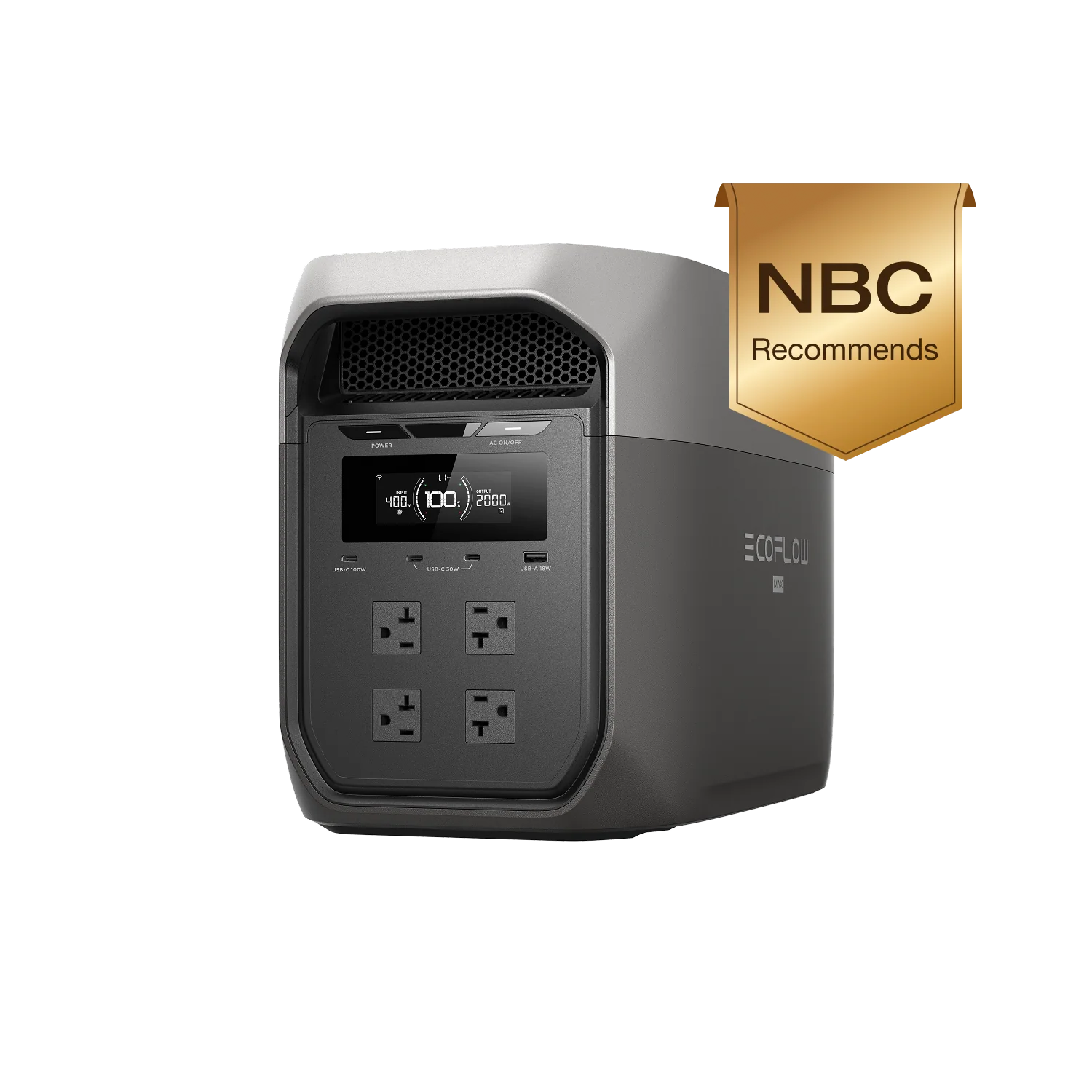
That proximity is what sets Starlink apart from older satellite services: lower orbits mean shorter signal travel times, which translates into noticeably better latency and speed. For anyone setting up off-grid, pairing the dish with a reliable power source like the EcoFlow DELTA 3 Max (2048Wh) means your connection stays up even when the grid doesn't.
Where Is Starlink Available Across Canada?
Provinces and Territories
Starlink now covers all ten provinces and all three territories, though capacity varies significantly by region. Southern Ontario, Quebec, and British Columbia generally have the most consistent availability, while some pockets of the North and high-demand suburban areas occasionally show waitlists during periods of network congestion.
Starlink checks coverage by address at signup, so it's worth confirming availability at your specific location rather than assuming service based on your province alone.
Rural and Remote Coverage
Communities without access to cable or fibre, including many in Northern Ontario, the Prairies, and parts of Atlantic Canada, have used Starlink to get broadband-level speeds where DSL or fixed wireless previously topped out well below usable levels.
The Canadian Radio-television and Telecommunications Commission has flagged this rural-urban broadband gap as an ongoing priority, and satellite services like Starlink have become part of how that gap is closing.
What Residential Plans and Pricing Does Starlink Offer in Canada?
The base Residential plan runs $55/month for speeds up to 100 Mbps, suited to typical household browsing and streaming.
Residential 200 steps up to $85/month for up to 200 Mbps for homes with multiple devices, and then levels up again to the Residential Max package with up to 400+ Mbps starting at $130/month.
What Do the Roam and Portable Plans Cost?
If you need connectivity that travels with you, Starlink's Roam plans are built for RVs, boats, and seasonal properties. Roam at 100 GB runs $55/month, while Roam Unlimited is priced at $175/month, and both can be paused month-to-month at no charge when you're not using the service. That flexibility suits anyone splitting time between a permanent address and a cottage or camp.
How Much Does Starlink Hardware Cost?
Hardware is typically the biggest upfront cost. The Standard Kit, which includes the dish, Wi-Fi router, and mounting base, generally costs several hundred dollars, though rental options in many areas reduce the upfront cost to a shipping fee. The compact Starlink Mini is priced lower and suits travellers or smaller setups where portability matters more than raw speed.
Some high-demand zones may add a one-time congestion surcharge at checkout, so review the total before confirming an order.
How Does Starlink Compare to Traditional Internet Providers in Canada?
Traditional cable and fibre providers still win on price and speed where they're available, often delivering gigabit connections for less than Starlink's top-tier plan. The difference shows up in geography: fibre build-outs stop where population density drops, while Starlink's coverage is largely uniform across the country.
For anyone outside a fibre or cable footprint, Starlink is frequently the only option that gets close to matching urban broadband speeds, even if the price per megabit runs higher.
How Can You Keep Starlink Powered Off-Grid?
A Starlink dish and router draw a modest but steady load, and Starlink’s power consumption figures help you size a power station correctly.
The EcoFlow DELTA 3 Classic (1024Wh) offers enough capacity to keep a dish and router running well beyond a single day on a charge, which matters most during outages or at properties without reliable grid power. Pairing that battery with solar panels also means your Starlink accessories, from mounting kits to weatherproof cases, aren't wasted when the power goes out.
If you're already thinking about backing up more than just your internet, a whole home backup power solution can cover your router alongside the rest of the house.
Speed also depends on how the dish is powered and positioned, and checking how fast Starlink internet is in your area sets realistic expectations for video calls or remote work.

Frequently Asked Questions
Is Starlink Available Everywhere in Canada?
Starlink covers all provinces and territories, but availability at a specific address depends on local network capacity. Some areas, particularly dense suburban zones or parts of the North, may show a waitlist rather than immediate activation. Checking coverage by entering your exact address on Starlink's site is the only reliable way to confirm service before ordering.
Can You Use Starlink at a Cottage or RV in Canada?
Yes. The Roam plans are designed specifically for seasonal properties, RVs, and boats, and can be paused when you're not there. A residential plan can also work at a cottage if it's your primary connection, though Roam offers more flexibility for part-time use without a fixed address requirement.
Does Starlink Have a Waitlist in Canada?
Waitlists exist in some high-demand areas where satellite capacity is temporarily constrained, though most of Canada now has active availability. You'll see waitlist status at checkout when you enter your address, and it can change over time as SpaceX adds satellites and ground infrastructure to the network.
Reliable Power Keeps Your Starlink Connection Running Anywhere in Canada
Between coverage, plan tiers, and hardware costs, getting Starlink set up in Canada is only half the equation. The other half is making sure your dish and router don't go dark the next time the power does, especially if you're relying on that connection at a rural property or during storm season. EcoFlow’s portable power stations can keep your internet running through a planned outage, severe weather, or an unplanned blackout, without scrambling for backup when you need it most.