Sodium-Ion Batteries Explained: Pros, Cons, and Future Outlook
- What Are Sodium-Ion Batteries?
- Sodium-Ion Batteries vs. Lithium-Ion Batteries: What's the Difference?
- What Are the Advantages of Sodium-Ion Batteries?
- What Are the Limitations of Sodium-Ion Batteries?
- Why Lithium-Ion Still Dominates Today’s Home Energy Storage Market
- What Should Homeowners Consider When Choosing a Battery Today?
- What Does the Future Hold for Sodium-Ion Batteries?
- Conclusion
- FAQ
For years, lithium‑ion has been the go‑to—powering everything from phones to whole‑home backup systems. But there’s a new player starting to make waves: sodium‑ion batteries. This guide breaks down what sodium‑ion technology is, how it stacks up against lithium‑ion, where its strengths and weaknesses lie, and what it could mean for many Canadian homeowners looking to take control of their energy future.
What Are Sodium-Ion Batteries?
To understand why this technology is getting so much attention, you have to look at how it actually works. The basic science is pretty similar to what we’re already using, but the materials behind it mark a big shift in how batteries are made and how sustainable they can be.
Storing Electricity Through Chemical Reactions
Sodium-ion batteries work on the same basic principle as other rechargeable batteries. They generate electricity through an electrochemical process that moves sodium ions between the positive electrode (cathode) and negative electrode (anode) through an electrolyte. When the battery is charging, the ions move in one direction. When the stored energy is used to power your home or devices, they flow back the other way, releasing electrical energy.
Using Sodium Instead of Lithium
The real difference comes down to which element does the work. Instead of relying on lithium, which is getting harder to source, these batteries use sodium ions—the same stuff you’ll find in table salt. Sodium ions are larger and heavier than lithium ions, which means battery designers must use different electrode materials to maintain performance and efficiency.
Current Stage of Technological Development
The idea’s been around for decades, but sodium‑ion technology is finally moving out of the lab and into the real world. Major manufacturers are starting up commercial production lines, and the first wave of sodium‑powered electric vehicles, small‑scale storage units, and portable power station setups is starting to hit the market. That said, it’s still early days compared to lithium’s highly refined, well‑established supply chains.
Sodium-Ion Batteries vs. Lithium-Ion Batteries: What's the Difference?
To size up these two technologies, you need to look at a few key performance and cost factors. The table below provides a normalized comparison of mass-produced, commercial-grade sodium‑ion cells against well-established lithium‑ion alternatives based on 2026 market baselines. Specific values may vary based on exact chemical variations alongside proprietary Battery Management System (BMS) thermal algorithms.
| Feature / Metric | Sodium-Ion Batteries | Lithium-Ion Batteries (LFP / NMC) |
|---|---|---|
| Energy Density | Lower (120–175 Wh/kg) – Requires more physical space. | Higher (150–250+ Wh/kg) – Compact and lightweight. |
| Production Cost | Significantly Lower – Abundant, inexpensive raw materials. | Higher – Tied to volatile lithium and cobalt markets. |
| Low-Temperature Performance | Better cold-weather performance – retains capacity more effectively in freezing conditions. | Capacity drops in freezing temperatures without thermal management. |
| Cycle Life | 2,000 – 5,000 cycles Standard commercial-grade range | 3,000 – 6,000 cycles High, proven longevity across home LFP platforms |
| Safety Profile | High – Exceptionally stable, very low risk of thermal runaway. | Moderate – Requires sophisticated management to prevent overheating. |
| Material Abundance | Extremely High – Derived from widely available rock salt. | Limited – Geographically concentrated and intensive to mine. |
What Are the Advantages of Sodium-Ion Batteries?
When you look at what sodium‑ion technology brings to the table, it’s easy to see why it’s being called a game‑changer for certain uses—especially in places with wide seasonal swings in weather.
Lower Costs for Battery Production
Sodium is far more abundant than lithium and is available from widely distributed sources, which helps reduce supply chain pressure. Unlike lithium-ion batteries that require expensive copper for their negative current collectors (anodes), sodium-ion batteries can use budget-friendly aluminum for both positive and negative electrodes. As production ramps up around the world, those savings will translate directly into consumer savings, making the right uninterruptible backup battery setup accessible to a much wider range of homeowners.
Steady Output in Freezing Weather
For Canadians, this is perhaps one of the most exciting advantages. Many lithium-ion batteries experience noticeable performance drops in harsh winter conditions, especially without temperature management systems. Sodium-ion batteries typically offer better low-temperature performance than many lithium-ion chemistries, particularly in terms of capacity retention in cold environments, making them a promising option for colder climates.
Reduced Fire and Overheating Risks
Safety is a paramount concern when installing large power stations in residential structures. Sodium-ion batteries generally offer a strong safety profile and are less prone to thermal runaway compared with some lithium-ion chemistries. They can even be completely discharged to zero volts for safe transportation and long-term storage without damaging the cell components.


What Are the Limitations of Sodium-Ion Batteries?
While sodium-ion batteries offer promising advantages, especially in cost and high-temperature safety, lithium-ion remains the more practical choice for most homeowners today. The differences become clearer when looking at availability, installation, and solar compatibility.
| Feature | Sodium-ion | Lithium-ion |
|---|---|---|
| Availability | Emerging | Widely available |
| Home Installation | Limited today | Mature ecosystem |
| Solar Compatibility | Developing | Extensive |
Why Lithium-Ion Still Dominates Today’s Home Energy Storage Market
While the future looks bright for alternative chemistries, there are clear, practical reasons why lithium-ion remains the go-to choice for homeowners seeking immediate peace of mind.
Proven Home Use Over Many Years
Lithium‑ion systems have been refined in real‑world residential settings for well over a decade. Homeowners get the benefit of mature software, highly accurate charge tracking, and performance you can count on—all of which only come from years of actual field data.
Direct Fit with Existing Solar Setups
Today’s residential solar inverters, charge controllers, and smart home panels are all built to work smoothly with lithium battery protocols. If you’re already running a lithium‑based system, building a complete home solar system from scratch is pretty straightforward—everything’s designed to play nicely together.
Reliable Backup for Power Outage Scenarios
In Canada, severe weather like thunderstorms, high winds, or intense summer heatwaves can trigger power outages that stretch on for hours or even days. For Canadian families, a dependable backup system does more than just keep the lights on; it minimizes major life disruptions by keeping home offices running, preserving food, and ensuring critical medical equipment stays powered.
This need for predictable, instant, and robust power is why mature lithium systems dominate today’s market. A prime example is the EcoFlow DELTA Pro Ultra Whole-Home Backup Power. When the grid goes down, this system automatically cuts in to provide seamless backup power without manual intervention. It reliably supports high-demand appliances like refrigerators and pumps while simultaneously keeping your home network online and powering multiple living spaces, significantly reducing the impact of prolonged blackouts on your family’s daily routine.
Widely Available from Local Dealers
When investing in home infrastructure, local support matters. Lithium-ion home storage systems enjoy a robust network of certified installers, distributors, and technicians across Canada, ensuring that permitting, installation, and warranty support are straightforward and reliable.
What Should Homeowners Consider When Choosing a Battery Today?
Choosing a home battery today is really about balancing your energy needs with the technology that’s available and proven right now.
Daily Household Power Requirements
Every home has a unique energy footprint. While some homeowners want to back up their entire property to maintain complete normalcy during an outage, others simply need to keep a few essential devices running, like a laptop for remote work, a router, and basic communications.
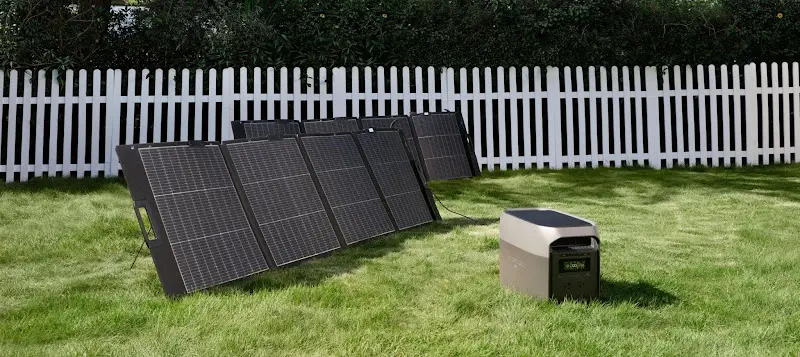
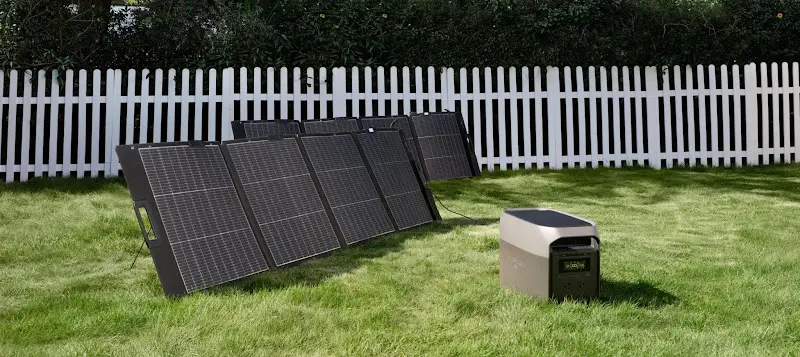
For those focused on maintaining lifestyle continuity through targeted, flexible deployment rather than re-wiring an entire property, industrial-scale hardware might be unnecessary. The EcoFlow DELTA 3 Max (2048Wh) + 400W Solar Panel offers an excellent, lightweight alternative. It provides immediate, plug-and-play versatility without complex electrical modifications, delivering reliable power that can be continuously replenished via solar during extended grid failures.
Available Installation Space at Home
Before you buy any system, take a good look at where you’re going to put it. If you’re in a tight urban townhouse or don’t have a dedicated utility room, a high‑density lithium system gives you the most capacity for the space. A sodium‑ion system with the same storage would take up a lot more room.
Budget for the Whole System
Your budget needs to cover more than just the battery cells. Think about the whole package—inverters, system components, permits, and installation. Sodium might promise cheaper cells down the road, but the full lithium ecosystem is often more cost‑effective right now.
What Does the Future Hold for Sodium-Ion Batteries?
Looking down the road, the trajectory of energy storage points toward a diversified landscape where different chemistries fill distinct niches.
Closing the Energy Density Gap
Researchers are making rapid breakthroughs in anode and cathode materials, steadily pushing the energy density of sodium-ion closer to that of entry-level lithium cells. As this gap narrows, the physical size disadvantage will become less prominent.
Cost Drop as Factories Scale Up
As gigafactories scale up, production costs are expected to drop even more. That’s going to make sodium‑ion especially attractive for budget‑conscious buyers and large‑scale projects where material costs are a big part of the final price.
Growing Role in Grid Storage
Where physical size and weight don’t matter—such as massive industrial solar farms and provincial utility grids—sodium-ion could become a strong option. Its low cost, incredible safety profile, and resilience to freezing winter climates make it an ideal choice for stabilizing Canada’s electrical grids.
Conclusion
Sodium‑ion batteries are one of the more exciting developments in clean technology right now. They handle cold weather well and cost less to make. They’re likely to be a big deal for grid‑scale storage and budget‑friendly vehicles down the road. But for residential backup today, lithium‑ion still takes the crown. It’s got higher energy density and a mature ecosystem that’s hard to beat. If you’re looking to protect your Canadian home from outages right now, sticking with proven, readily available lithium systems is one of the most reliable ways to keep your household powered.
FAQ
Is It Okay to Store Lithium Batteries in a Hot Garage?
Most lithium batteries should not be kept in ambient temperatures exceeding 40°C to 45°C without adequate ventilation, because extreme seasonal heat can accelerate cell degradation, trigger thermal throttling, and permanently shorten their operational lifespan. Always check the manufacturer’s guidelines, as most home storage systems operate best in a shaded, climate-controlled space to ensure optimal safety and performance.
Can a Lithium Battery Be Installed Inside a House?
Yes, modern residential lithium batteries (especially Lithium Iron Phosphate, or LFP) are fully certified for indoor installation within dedicated spaces like utility rooms or basements. They emit no harmful gases during operation and come equipped with advanced battery management systems to ensure optimal operational safety inside living structures.
How Soon Will Sodium-Ion Batteries Be Available?
Sodium-ion batteries are already appearing in select small electric vehicles and industrial grid projects, but comprehensive residential home backup options will likely take another three to five years to become widely available in the retail market. For immediate home energy needs, current market technologies remain the practical choice.
Are Sodium Batteries a Risk for Fire?
Sodium-ion batteries carry an exceptionally low risk of fire because their internal chemistry is inherently stable and highly resistant to thermal runaway. They are structurally safer than traditional lithium-ion chemistries under extreme conditions like physical damage or short circuits.
Will Sodium-Ion Replace Lithium?
No, sodium-ion will not completely replace lithium, but rather coexist alongside it to serve different market segments. While sodium-ion could become an important option for stationary storage, extreme climate applications, and affordable EVs, lithium will likely remain dominant in products where maximum energy density matters.