What Is a Shelf Cloud? Why It Often Appears Before Strong Thunderstorm Winds
- What Is a Shelf Cloud?
- Why Do Shelf Clouds Often Form Before Strong Thunderstorm Winds?
- Where Are Shelf Cloud Storm Risks Easy to Miss in Canada?
- What Should You Do When You See a Shelf Cloud Approaching?
- How Can a Shelf Cloud Help You Prepare Without Guessing the Weather?
- What Should Be in a Canadian Thunderstorm Readiness Checklist?
- How Should Homeowners Prepare Before the Shelf Cloud Storm Arrives?
- Take Shelter Before the Wind Reaches Your Yard
- FAQs
A summer sky over a Canadian lake can change fast. One dark band appears, low and curved, moving like a wall across the horizon. That shelf cloud is not just a dramatic photo moment. It often marks the leading edge of a thunderstorm, where strong gusts, heavy rain, and lightning may arrive sooner than people expect.
What Is a Shelf Cloud?
A shelf cloud is a low, horizontal cloud attached to the front edge of a thunderstorm. It often looks like a dark shelf, wedge, or curved wall spreading across the sky.
Shelf clouds form near the storm’s leading edge, where cooler storm air pushes outward and lifts warm, humid air ahead of it. That lifting air can create the smooth, layered cloud shape people notice before the storm arrives.
A shelf cloud is different from a funnel cloud. A funnel cloud is a rotating cone-shaped cloud that extends downward from a storm and may be linked to tornado development. Shelf clouds usually stretch sideways along the storm front. They can look scary, but they do not automatically mean a tornado is forming.
The bigger concern is timing. If a shelf cloud is moving toward you, the storm’s outflow and strong winds may be close.
Why Do Shelf Clouds Often Form Before Strong Thunderstorm Winds?
Shelf clouds often appear before strong thunderstorm winds because they form along the storm’s gust front. A gust front is the leading edge of cool air spreading out near the ground from a thunderstorm.
Inside a thunderstorm, rain-cooled air can sink quickly. When that air reaches the ground, it spreads outward. This spreading air is called outflow. As the outflow pushes into warm, humid air ahead of the storm, the warm air is forced upward. That rising air can produce a shelf cloud.
This process matters because the gust front can arrive before the heaviest rain. People may still be sitting on a dock, playing on a field, or grilling in the backyard because the rain has not started yet. Then the wind hits.
A shelf cloud storm can bring several hazards close together:
Sudden strong wind gusts
Heavy rain
Lightning
Blowing dust, leaves, or debris
Fast changes in temperature and visibility
The cloud itself is not the danger. The weather around it is. If a low, arc-shaped shelf cloud is moving toward your area, treat it as a sign to stop outdoor activities early.
Where Are Shelf Cloud Storm Risks Easy to Miss in Canada?
Shelf cloud storm risks are easy to miss because many summer activities happen in open places. People often wait until rain begins before moving indoors, but wind and lightning can reach an area first.
Lakes, Cottages, and Campgrounds
Canadian summers often mean lake days, cottage weekends, and camping trips. These places can become risky quickly when shelf clouds approach.
Open water is dangerous during thunderstorms because lightning can strike before heavy rain begins. Boats, docks, paddleboards, and swimming areas should be cleared early. A cottage is a small seasonal home, often near a lake or rural area. If you are at a cottage, move inside before the wind arrives and keep away from windows.
Campgrounds also need early action. Tents, tarps, folding chairs, and cooking gear can move in strong gusts. Trees may offer shade, but they are not safe shelter from lightning or falling branches.
Backyards, Patios, and Outdoor Furniture
A shelf cloud may arrive while the backyard still feels calm. That is why timing matters. Patio umbrellas, lightweight chairs, toys, grills, planters, and trampolines can shift or blow around when gusts hit.
If the sky looks threatening and alerts are active, secure loose items before the storm reaches your street. Do not wait until wind is already pushing rain sideways. Once lightning is close, the safest move is to get inside and stay there.
For homeowners, a short pre-storm routine helps. Close windows, bring pets indoors, move small objects away from the yard, and make sure phones and flashlights are easy to reach.
Sports Fields, Parks, and Outdoor Events
Ball fields, soccer pitches, golf courses, playgrounds, and festivals can leave people exposed. A pitch is a playing field used for sports such as soccer or rugby. These wide open spaces increase the risk from lightning and strong winds.
Coaches, parents, and event organizers should not wait for a shelf cloud to be overhead. If thunder is heard or the sky becomes threatening, pause the activity and move people to a sturdy building or a fully enclosed vehicle.
Picnic shelters, dugouts, trees, and open-sided structures are not safe thunderstorm shelters. They may block rain, but they do not provide full protection from lightning or wind.
What Should You Do When You See a Shelf Cloud Approaching?
A shelf cloud is a visual warning that the storm’s leading edge may be close. It should trigger action, not curiosity.
If you see shelf clouds moving toward your area, take these steps:
Stop swimming, boating, fishing, yard work, sports, and outdoor dining.
Move into a sturdy building when one is available.
Use a fully enclosed vehicle with windows closed if no building is nearby.
Avoid water, trees, metal fences, open fields, and isolated shelters.
Bring children and pets indoors.
Secure loose outdoor items only if there is time and it is safe.
Check official weather alerts on your phone.
Stay sheltered after the storm passes until the lightning risk has ended.
A sturdy building means an enclosed structure with a roof, walls, wiring, and plumbing. A fully enclosed vehicle means a hard-topped car, truck, or SUV with doors and windows closed.
Do not stand outside to watch the clouds arrive. Strong winds can hit before you finish moving items or taking photos. A shelf cloud storm is easier to respect before it reaches you.
How Can a Shelf Cloud Help You Prepare Without Guessing the Weather?
A shelf cloud can be a useful visual clue, but it should not replace official forecasts or alerts. Clouds show what is happening nearby. Forecasts and radar help show what may happen next.
Radar is a weather tool that detects precipitation and storm movement. It can help show where rain and storms are moving, but it still works best when paired with local alerts and common sense.
A shelf cloud does not tell you the exact wind speed. It does not prove hail is coming. It does not confirm or rule out tornado risk. It simply tells you that the storm’s leading edge may be arriving.
That is enough reason to act early.
If the sky looks threatening, do not wait for a perfect answer. Move indoors, check alerts, and let the storm pass. In summer thunderstorm season, early action is safer than last-minute guessing.
What Should Be in a Canadian Thunderstorm Readiness Checklist?
A thunderstorm readiness plan should focus on safety, communication, light, food protection, and comfort during a possible outage. It is useful for homes, cottages, campgrounds, and rural properties where storms can interrupt normal routines.
Keep these items easy to find:
Charged phone with emergency alerts enabled
Flashlights or headlamps
First aid kit
Bottled water and shelf-stable food
Weather radio if useful in your area
Warm layer and rain jacket
Indoor space for pets
Basic tools for small cleanups
Backup power for phones, routers, lighting, fridge, and essential devices
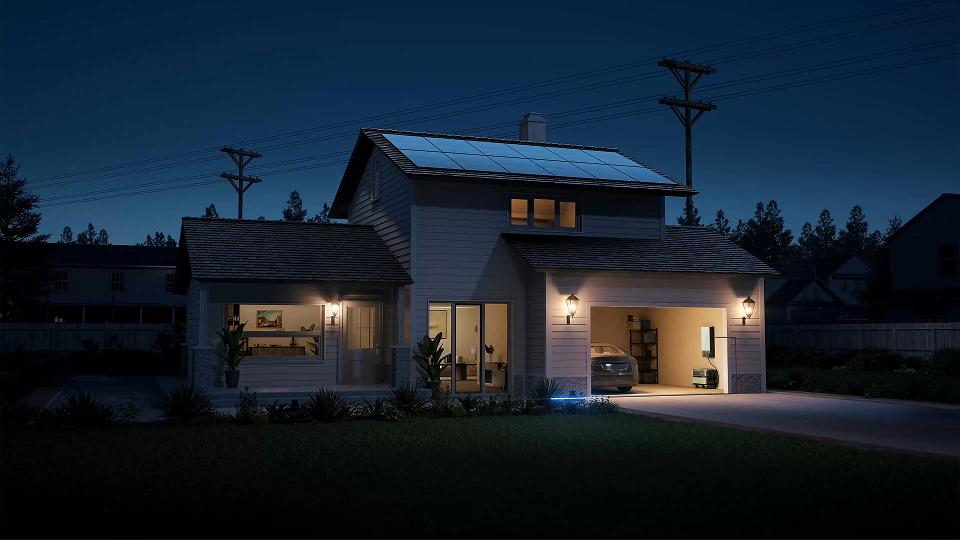
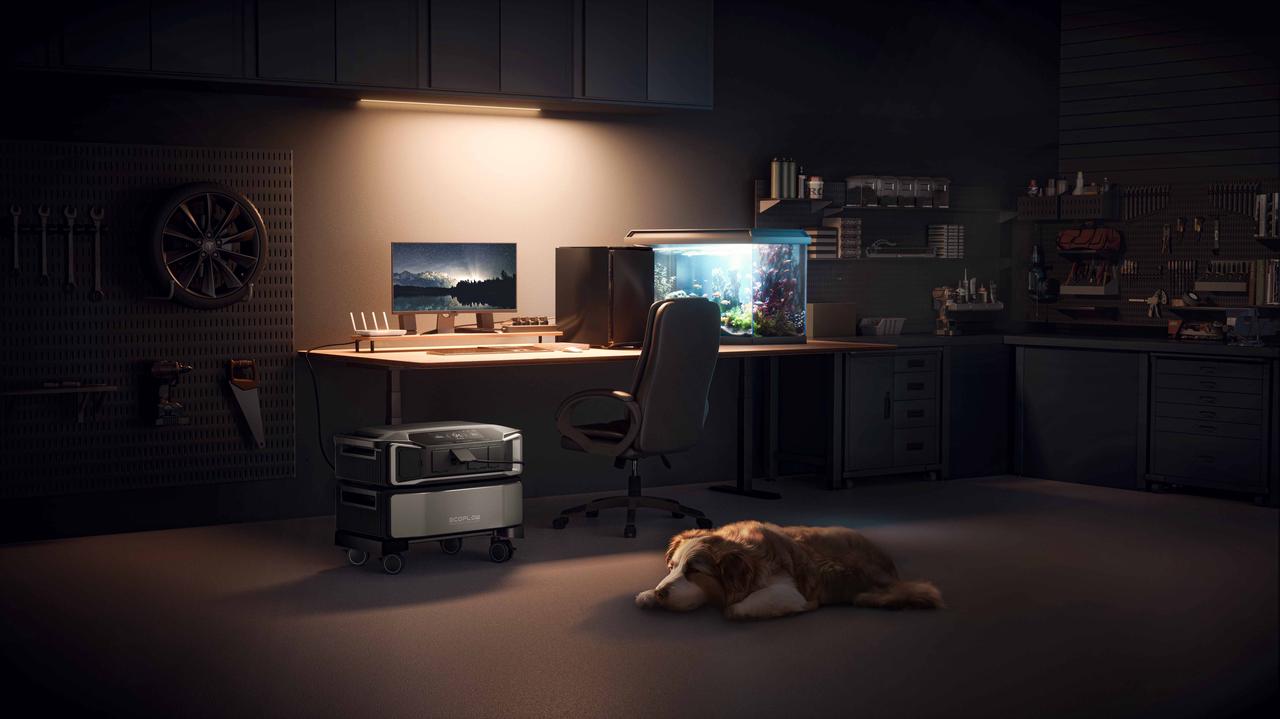
A backup power system stores electricity so selected devices or circuits can keep running during an outage. For homes, cottages, and storm-prone areas, EcoFlow DELTA Pro Ultra Whole-Home Backup Power can fit into a broader thunderstorm readiness plan. UL 9540 is a safety certification standard for energy storage systems. With 6144Wh battery capacity and 7200W AC continuous output, it is designed to support whole-home backup needs when installed and used according to product requirements.
That can matter when a shelf cloud storm brings damaging winds and power interruptions. Phones, routers, lights, refrigerators, and key household circuits can become more important when people need alerts, safe movement, food protection, and communication.
How Should Homeowners Prepare Before the Shelf Cloud Storm Arrives?
Homeowners should treat shelf clouds as a cue to finish outdoor preparation, not begin a slow checklist. Strong wind and lightning can arrive too quickly for careful setup once the storm is close.
Move lightweight outdoor items early. Patio umbrellas, cushions, sports gear, small planters, and garbage bins are easier to secure before gusts begin. Close windows and doors, so wind-driven rain does not enter the home.
Charge phones before storms develop, especially if severe weather is expected later in the day. Keep flashlights where everyone can find them. If an outage happens, avoid opening the refrigerator and freezer often. Closed doors help cold air stay inside longer.
Protect electronics where appropriate. Use surge protection for sensitive equipment and follow manufacturer instructions for backup power systems. If lightning is active, avoid unnecessary contact with corded devices or plumbing.
A few calm actions before the shelf cloud storm arrives can prevent a rushed and unsafe scramble later.
Take Shelter Before the Wind Reaches Your Yard
A shelf cloud is more than a striking sky feature. It can signal that a gust front, heavy rain, and lightning are close. When one moves toward your lake, cottage, campground, backyard, or ball field, stop outdoor plans early. Move inside, secure loose items only if it is still safe, check official alerts, and keep your power and lighting plan simple. Build the habit before the next summer storm rolls in.
FAQs
Q1. What Is a Shelf Cloud in Simple Terms?
A shelf cloud is a low, wide cloud attached to the front edge of a thunderstorm. It often looks like a dark wall or shelf moving across the sky. The cloud itself is not the main threat, but it can signal that strong wind and lightning may be close.
Q2. Do Shelf Clouds Mean a Tornado Is Coming?
No, shelf clouds do not automatically mean a tornado is coming. They are more often connected with thunderstorm outflow and straight-line winds. A tornado is linked with rotating storm features, so do not treat every shelf cloud as a tornado, but still move to safety.
Q3. Are Shelf Clouds Dangerous by Themselves?
Shelf clouds are not dangerous by themselves. The danger comes from the storm conditions near them, including gusty wind, heavy rain, lightning, and sometimes hail. If shelf clouds are moving toward you, it is safer to stop outdoor activities before the weather reaches your location.
Q4. What Should I Do if I See a Shelf Cloud at a Lake?
Leave the water right away and move toward a sturdy building or fully enclosed vehicle. Docks, boats, beaches, and open water are unsafe during thunderstorm conditions. Do not wait for rain because lightning and wind can arrive first.
Disclaimer: This article is for informational purposes only and does not constitute professional weather, emergency management, electrical, home-safety, or outdoor-safety advice. Shelf cloud storms, strong thunderstorm winds, lightning, heavy rain, hail, and power outages can change quickly by region and situation. Always follow official local alerts, severe weather warnings, shelter guidance, evacuation instructions, electrical codes, and product installation requirements during severe weather. For official safety information and article references, please refer to Environment and Climate Change Canada Lightning Safety, Get Prepared: Thunderstorms, NOAA Severe Weather 101: Damaging Winds Types, NOAA What Is a Gust Front?, National Weather Service Glossary: Gust Front.