How to Stay Cool During Heat Waves and Power Outages
As heat waves become more common across Canada, more households are facing a tough combination: extreme temperatures and unexpected power outages. When the grid goes down during a heat dome, losing air conditioning can rapidly transform a domestic environment from uncomfortable to hazardous.
With rising energy demand and more severe weather putting strain on the system, preparing for summer blackouts is increasingly important. This guide explains why heat‑related outages happen, how indoor heat affects your health, and how to stay cool in extreme heat and keep essential power running when the electricity cuts out.
Why Are Heat Waves and Power Outages Increasing in Canada?
Across Canada, hotter summers are pushing electricity demand to record levels, while severe weather adds more strain to the grid. As a result, the risk of power outages increases during peak cooling periods.
Rising Summer Temperatures Across Canada
Climate change is reshaping Canadian weather—longer, more frequent, and more intense heat events are becoming the norm. Regions like parts of Ontario, Quebec, and the Prairies, which once saw only a handful of days above 30°C, are now facing extended multi‑day heat domes that push temperatures well into the high 30s.
Urban Heat Island Effects in Cities
In major cities such as Toronto, Vancouver, and Montreal, roads, buildings, and other hard surfaces absorb heat throughout the day and slowly release it after sunset. This creates what is known as the urban heat island effect, causing cities to stay significantly warmer than surrounding areas overnight and making it harder for residents to cool down during prolonged heat waves.
Increased Strain on Energy Infrastructure
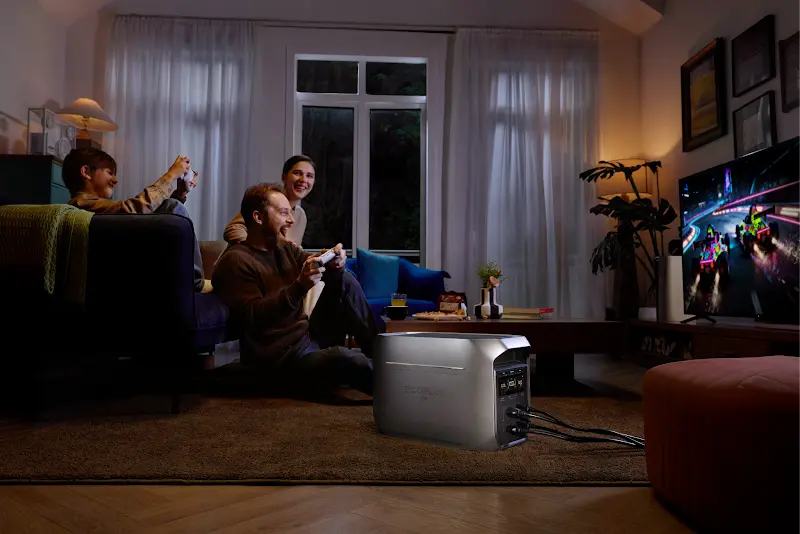
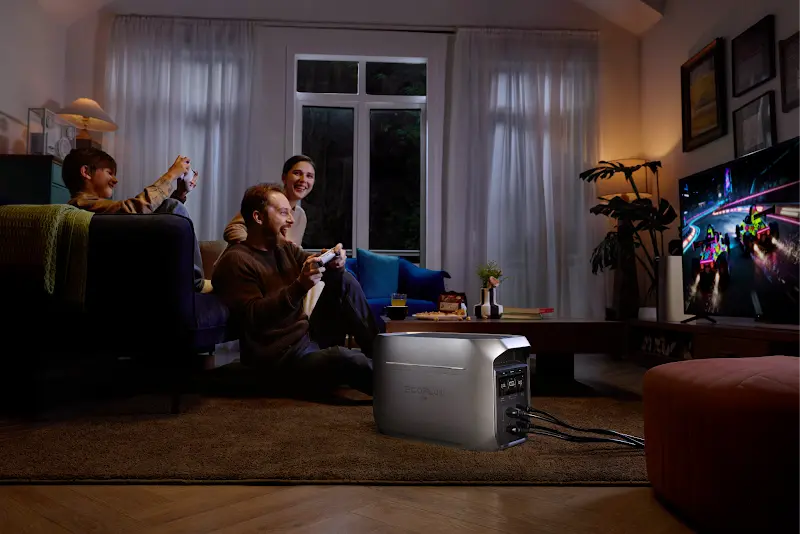
Heat waves place significant pressure on the power grid. As more households turn to air conditioning to stay comfortable, electricity demand climbs rapidly. Combined with the effects of extreme heat on aging infrastructure, this added strain can lead to localized outages or broader disruptions, driving many homeowners to rely on a solar generator as an independent backup power source when the grid fails.
What Health Risks Come From Extreme Indoor Heat?
When the power goes out during a heat wave, indoor temperatures can rise quickly, especially in homes without air conditioning or adequate airflow. As heat builds up, your home can shift from a comfortable refuge to a potentially dangerous environment, increasing the risk of heat-related illness for everyone inside.
Heat Exhaustion and Dehydration Risks
Prolonged exposure to an overheated indoor environment accelerates fluid and electrolyte depletion through excessive perspiration. Without prompt rehydration, this rapid deficit culminates in heat exhaustion, characterized by debilitating dizziness, nausea, and acute headaches.
Sleep Quality and Fatigue Issues
Your body needs its core temperature to come down before it can settle into deep, restorative sleep. If your bedroom stays warm all night and you don’t know how to stay cool while sleeping, that restorative rest never really happens. According to Health Canada’s Indoor Temperature Guidance, poor sleep during prolonged heat events can increase the risk of dehydration, cardiovascular stress, and impaired cognitive performance, particularly among older adults.
Chronic Condition Aggravation Risks
Extreme heat forces your heart and lungs to work a lot harder. The body increases blood flow to the skin to support thermoregulation, placing additional strain on the cardiovascular system. For Canadians managing underlying conditions such as cardiovascular disease, respiratory illnesses like asthma, or diabetes, this prolonged physiological stress can severely exacerbate pre-existing vulnerabilities.
How Can You Identify Unsafe Indoor Heat Levels?
To keep your family safe, you need to know when your home goes from uncomfortably hot to dangerously hot. That means watching both your indoor conditions and how everyone in the house is feeling.
Tracking Temperature and Humidity
Going by how hot your home feels can be misleading. That’s why it’s worth keeping a battery-operated digital thermometer and hygrometer in your main living area. Monitoring both temperature and humidity helps you recognize when indoor conditions are becoming unsafe, especially during prolonged power outages.
| Indoor Temperature | Risk Level | What You Should Do |
|---|---|---|
| Below 26°C | Lower heat stress risk | Continue monitoring indoor conditions. |
| 26–31°C | Increased heat stress | Stay hydrated, improve ventilation if possible, and use cooling methods. |
| Above 31°C | High heat stress risk | Move to a cooler location or a community cooling centre, especially if anyone in the household is at higher risk. |
Health Canada advises paying close attention when indoor temperatures rise above approximately 26°C, especially if older adults, young children, or anyone with a chronic health condition is at home. When indoor environments remain elevated above this threshold for extended periods—particularly overnight—the human body is denied the critical thermal recovery period required to shed the day’s accumulated heat, drastically accelerating systemic stress.
Humidity matters just as much as temperature. When the air is humid, sweat evaporates more slowly, so your body can’t cool itself as efficiently. That’s why a room at 30°C with 70% relative humidity often feels much hotter and more uncomfortable than the same temperature on a dry day. In Canada, this combined effect is often reflected in the humidex, and you can also use a humidex calculator to estimate how hot it actually feels under different temperature and humidity conditions.
Recognizing Early Heat Stress Signs
Keep an eye out for the early, subtle signs that your body is starting to struggle with the heat. Things like mild muscle cramps, sudden irritability, clammy skin, or feeling unusually sluggish are clear signals it’s time to cool down right away.
Identifying Heat Exhaustion Symptoms
During a heat wave, it’s important to recognize the signs of heat-related illness. Symptoms of heat exhaustion can include heavy sweating, dizziness, nausea, weakness, and fainting. If symptoms worsen and a person becomes confused, loses consciousness, or is no longer sweating despite high temperatures, heat stroke may be developing. Call emergency services immediately.
Canadian Health Resource Tip: If you’re unsure whether your symptoms require emergency care, you can call 811 in many provinces and territories, including B.C., Alberta, Saskatchewan, Manitoba, Quebec, and Nova Scotia, to speak with a registered nurse for free, 24/7 health advice. In Ontario, this service is available through Health811 by dialing 811. In Nunavut, where the 811 service is not available, residents can contact their local community health centre for medical assistance.
How to Stay Cool During Heat Waves and Power Outages in Canada
When the power goes out and your AC stops working, you need to act fast. A few smart moves right away can stop your home from overheating.
Maximizing Natural Air Circulation
If the outdoor air cools down during the evening or early morning, create a cross-breeze by opening windows on opposite sides of your home. Keep window coverings, blinds, and thermal drapes tightly closed during the peak daytime hours to block out the harsh Canadian sun before it can penetrate your living space.
Reducing Indoor Heat Sources
Every electronic appliance and light source in your house emits ambient heat when running. Avoid using the oven, stove, or dishwasher, switch to cold meals, turn off unnecessary electronics, and swap old incandescent bulbs for cool-running LEDs to keep internal heat gains to an absolute minimum.
Using Portable Cooling Devices
When the power goes out, central air conditioning stops working too, leaving many homes without effective cooling. To establish localized thermal relief, specialized portable solutions become essential. A portable air conditioning unit such as EcoFlow WAVE 3 Portable Air Conditioner with Heater can be used as an example. It’s easy to move around and doesn’t need any complicated installation. You can set it up in a bedroom, living room, or wherever you need emergency cooling fast. This type of system is engineered specifically to deliver rapid, targeted structural cooling when the broader infrastructure is unavailable, providing an invaluable defensive tool against severe Canadian summer weather events.
How Can You Build Long-Term Cooling Resilience at Home?
Getting through a single outage is important, but preparing for the next one matters just as much. A few practical upgrades—from better insulation to a reliable power station for backup energy—can help keep your home cooler, safer, and more comfortable during future heat waves.
Developing Heat-Resilient Daily Habits
A few simple changes to your daily routine can serve as practical strategies for how to stay cool without AC, cutting down the heat load on both you and your home. Do heavy chores in the early morning, drink plenty of cold water, and hang out in the coolest part of the house, like the basement, during the hottest hours of the day.
Improving Home Insulation and Shading
The best way to keep heat out long‑term is to upgrade your home’s envelope. Put up reflective window film, plant shade trees on the south and west sides, and add more attic insulation to keep cool air in and block heat from above.
Preparing Backup Power Systems
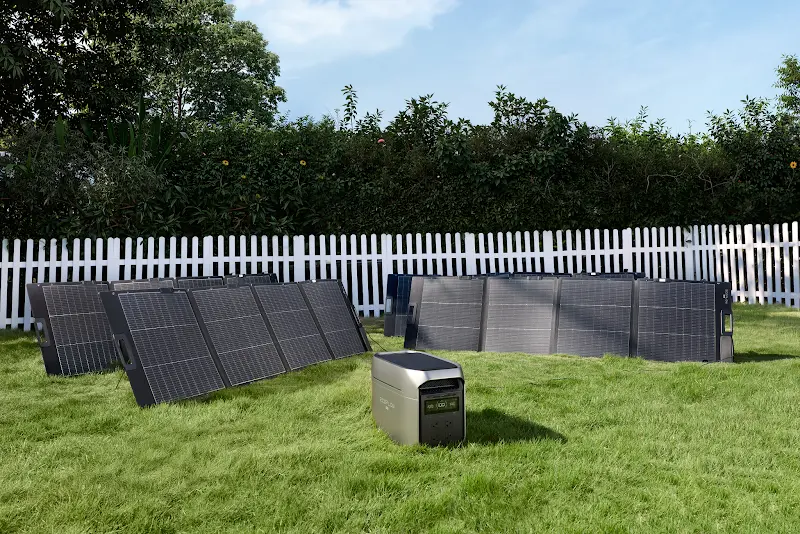
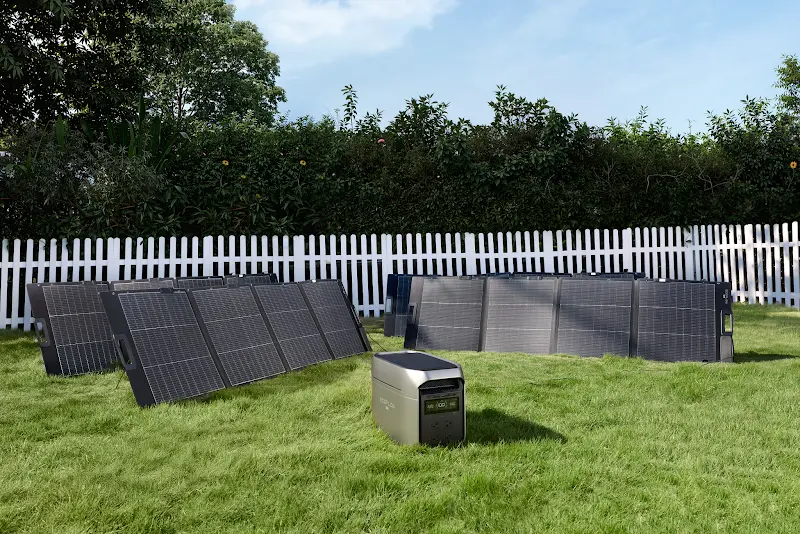
For households that want to be ready for future heat waves and power outages, a backup power system offers some real peace of mind. The EcoFlow DELTA 3 Max Plus + 400W Solar Panel gives you high‑capacity battery storage with the option to recharge from the sun. During the day, the solar panel can top up the battery, cutting your dependence on utility power. When an outage hits, the stored energy can support essential low-to-medium load devices such as refrigerators, lighting, routers, and certain portable air conditioning units depending on power capacity. That extra layer of energy security goes a long way toward keeping your home safer and more comfortable during extended heat waves.
Planning Emergency Cooling Strategy
Never wait for the grid to collapse to figure out what to do next. Establish a clear, written emergency plan that outlines which rooms to isolate for cooling, where your backup power gear is stored, and lists the locations of nearby community cooling centres if indoor conditions become unmanageable.
Conclusion
With extreme heat waves and power outages becoming more common across Canada, depending entirely on the grid just isn’t a safe bet anymore. By learning to spot the early signs of heat stress, making the most of natural cooling methods, and investing in flexible backup power and portable cooling gear like EcoFlow’s off‑grid systems, you can keep your household comfortable and resilient through even the hottest summer stretches.
FAQ
What’s Your Power Priority List During an Outage?
Your power priority list should put life-safety and essential climate control equipment right at the top. Focus first on medical devices and portable cooling units, followed immediately by your refrigerator to prevent food spoilage, and then basic communication devices like your smartphone and router.
What Is the Cheapest Way to Stay Cool?
The cheapest way to stay cool is to use strategic ventilation and block sunlight before it enters your home. Close your blinds completely during the day, open windows at opposite ends of the house only when the evening air drops below indoor temperatures, and place a bowl of ice directly in front of a simple battery-powered fan.
Can a Portable AC Run 24/7?
Yes, a portable air conditioner can technically run 24/7, provided it is well-maintained and its condensate tank is drained properly. However, running any compressor continuously will accelerate wear and tear and drain your backup power source rapidly, so it is best to use it strategically during the hottest parts of the day or night.
How Long Can I Run AC on a Battery?
The runtime of an air conditioner on a battery depends entirely on the battery’s total capacity and the power consumption rate of the AC unit. An energy-efficient portable option like the EcoFlow WAVE 3 can run for several hours on a dedicated solar generator, and this runtime can be extended significantly when supported by continuous solar panel input during daylight hours.
Are Solar Coolers Worth It?
Yes, solar-powered cooling setups can be a worthwhile investment for many households seeking reliable emergency preparedness and grid independence. They provide completely free, renewable energy during the exact time solar energy is most abundant—hot, sunny days—ensuring you have a sustainable way to keep your living space safe when experiencing a power outage.