From Snowstorms to Spring Flooding: Preparing Canadian Homes for Seasonal Change
- Why Seasonal Change Is One of the Biggest Risks for Canadian Homes
- Snowstorm Risks That Linger Into Spring
- Spring Flooding Risks Canadian Homeowners Face
- Power and Emergency Preparedness During Seasonal Change
- Frequently Asked Questions
- Seasonal Transitions Increase Flood and Power Outage Risks for Canadian Homes
For Canadians, weather is something we can never really ignore. Whether it's the baking heat of summer or the deep freeze of winter, Canadian weather is hard on our homes and the systems that sustain us. But that's especially true when the seasons change.
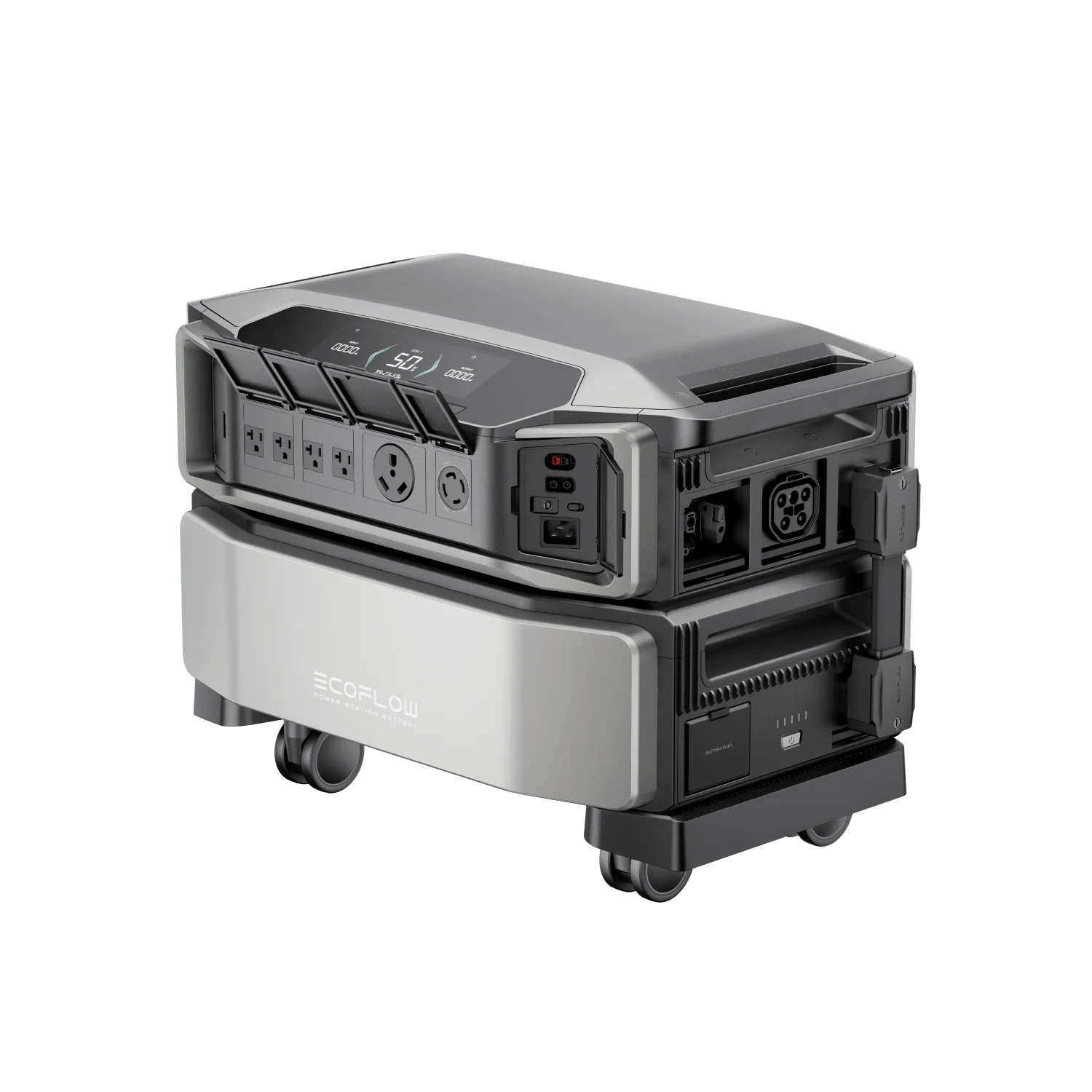
As snow melts and rain falls, power outages become more common. Let's take a look at how you can prepare yourself for these seasonal transitions and keep critical systems functioning with the EcoFlow DELTA Pro Ultra.
Why Seasonal Change Is One of the Biggest Risks for Canadian Homes
Canada's climate creates some unique risks for residential properties. No matter what province you live in, seasonal change brings weather that can be difficult to cope with. Things like rapid freeze-thaw cycles, heavy snow loads followed by sudden melt, strong winds, ice accumulation, and rising groundwater levels can put your home and even your safety at risk.
Plus, winter damage often goes unnoticed under snow cover. Sometimes, it's only when the snow and ice begin to melt away that you see the toll winter has taken. The spring melt doesn't help, often causing flooding, especially when combined with continuing snow or rain.
Snowstorm Risks That Linger Into Spring
For most Canadians, dealing with snow is just a fact of life. But often, it's what happens after the snow stops falling that causes real damage. Spring can be the most dangerous season of all, as the weather shifts from snow and ice to wind, rain, and melt water.
Group Stress and Ice Dams
Heavy snow doesn't settle evenly on rooftops. Fluctuating temperatures in spring can melt snow, then refreeze it at the edge of the roof, forming ice dams that block proper drainage. That can cause water to run underneath shingles and into attic spaces.
Gutter and Downspout Blockage
Frozen debris can prevent proper runoff. When spring rains arrive, you may find a blockage in the worst way possible: by having water pooling at the foundations of your house.
Structural Stress
Many building materials, including walls, door frames, concrete foundations, and driveways, expand and contract according to temperature. Fluctuating cycles of freezing and thawing can widen small cracks and compromise the building envelope.
Tree Damage
The weight of snow and ice can weaken branches. Then, when the strong winds of spring arrive, those branches can break, taking out powerlines or damaging roofs.
Spring Flooding Risks Canadian Homeowners Face
Spring flooding is one of the most costly natural hazards in Canada. It causes almost $3 billion worth of damage to homes every year.
When snow melts rapidly, the ground can't absorb all the water. This problem is often compounded by heavy rain. It's a recipe for disaster.
Common risks include:
Basement seepage, when water is pushed in through gaps in foundations
Overwhelmed storm drains
Overflowing rivers
Anyone who’s suffered water damage can tell you that the costs can quickly get out of control.
Power and Emergency Preparedness During Seasonal Change
Another risk during a change of season is power outages. Wet snow can cling to power lines and cause them to fail. High winds can topple trees onto power infrastructure. Flooded substations can shut down distribution systems. Plus, losing power during flooding can increase the risk of property damage. If your sump pump stops working, you could soon find your home flooded.
Staying prepared is key to avoiding the worst of what seasonal change can throw at you.
Keeping Critical Systems Running
Some home systems become absolutely essential during seasonal change. You'll need to power things like:
Sump pumps to prevent basement flooding
Furnace blowers to keep the heat on
Well pumps for rural properties
Refrigeration for food safety
Internet and mobile charging to keep communication functioning
A power outage can take down all these systems, leaving you in big trouble.
Backup Power Options for Canadian Homes
Having a backup power system can be an absolute lifesaver during an outage, especially in bad weather. When it comes to your power system, you have three options:
Portable Gas Generators
These run on gas, which means you'll need to have enough gas to power them. Because they emit toxic fumes just like the engine of a car, they need to be used outside. They’re also far too noisy for indoor use.
Standby Generators
These can run on diesel, propane, or natural gas. Fixed in place outside the home, they automatically come on when the system detects an outage to keep critical systems running. They can power your whole home as long as you have the fuel to keep them running, but they are expensive to install.
Battery Backup Systems
These fully electric systems, like the EcoFlow DELTA Pro Series, are safe for indoor use, with no emissions and no noise. Battery systems charge while the power is on, then discharge that stored power during an outage. They can also be powered by renewable energy sources like solar panels, allowing you to recharge during extended outages.
With the right renewable technology and a whole-home backup system, you can even go off the grid entirely and make yourself immune to failures on the grid.
Frequently Asked Questions
Why Is Spring Flooding Common After Harsh Winters?
Cold winters bring plenty of snow that sticks around until the temperature rises. Then, an entire winter's worth of water can be released in a short time. If the ground is still frozen, it can't absorb the runoff. Plus, spring often brings heavy rainfall, which overwhelms drainage systems, swells rivers, and leads to widespread flooding.
Do I Need Backup Power for Spring Flooding?
Having power in an emergency is always helpful. But that's especially true if you rely on a sump pump to keep the water out of your home, or a well pump to keep you supplied with fresh water. Without power, critical systems stop functioning, so a backup power system can greatly reduce your risk of property damage.
Seasonal Transitions Increase Flood and Power Outage Risks for Canadian Homes
The weather in Canada is a force to be reckoned with. That's especially true as one season turned into another, and snowstorms turned to heavy rains. These seasonal cycles are tough on our infrastructure, often causing power outages.
Being prepared means staying on top of home maintenance, checking on your drainage systems, protecting foundations, and making sure the critical systems have backup power. An intelligent whole-home generator like the EcoFlow DELTA Pro Ultra can protect you from outages and keep you safe in any kind of weather.