DC-to-DC Charger for Campers: Wiring Guide, Sizing & Alternator Safety (Canada 2026)
- What Is a DC-to-DC Charger, and Why Do Campers Need One?
- How Do You Size a DC-to-DC Charger for Your Alternator and Battery Bank?
- How Do You Wire a DC-to-DC Charger Safely?
- What Is the D+ Ignition Trigger Wire, and Why Does It Matter for Smart Alternators?
- How Do You Protect Your Alternator from Overheating and Overload?
- How Does Cold Weather Affect DC-to-DC Charging in Canadian Winters?
- Frequently Asked Questions
- A Properly Sized DC-to-DC Charger Keeps Your Camper's Battery Bank Charged and Your Alternator Safe
A DC-to-DC charger can regulate your camping vehicle’s fluctuating alternator output and turn it into a stable, multi-stage charge for the camper’s house battery bank. But getting it right starts with proper sizing and understanding the wiring and best safety practices.
This guide covers all the basics, from how to use a DC-to-DC charger in your camper, to smart alternator considerations, and tips to protect it from overheating, overcharging, and weather issues.
What Is a DC-to-DC Charger, and Why Do Campers Need One?
Older RV setups use voltage-sensing relays to connect the starter and house batteries directly. It’s a simple setup, but there’s risk. Once the house bank hits full charge, the direct connection can overcharge it and throw off the float voltage, something worth knowing before you start your RV installation.
A DC-to-DC charger solves this by reading the alternator’s variable 2.5V-15V output (common on newer, smart-alternator vehicles), and converts it into a controlled, battery-appropriate charge profile. It also electrically isolates your house bank from the starter battery, so your camper loads never eat into the reserve power your engine needs to start.
Many campers also use their DC-to-DC charger to keep a portable power station charged while driving, which is handy for laptop charging or running other devices without a wall outlet in sight.
You get steadier, regulated power for your camper’s electronics, instead of whatever raw voltage the alternator happens to be putting out.
How Do You Size a DC-to-DC Charger for Your Alternator and Battery Bank?
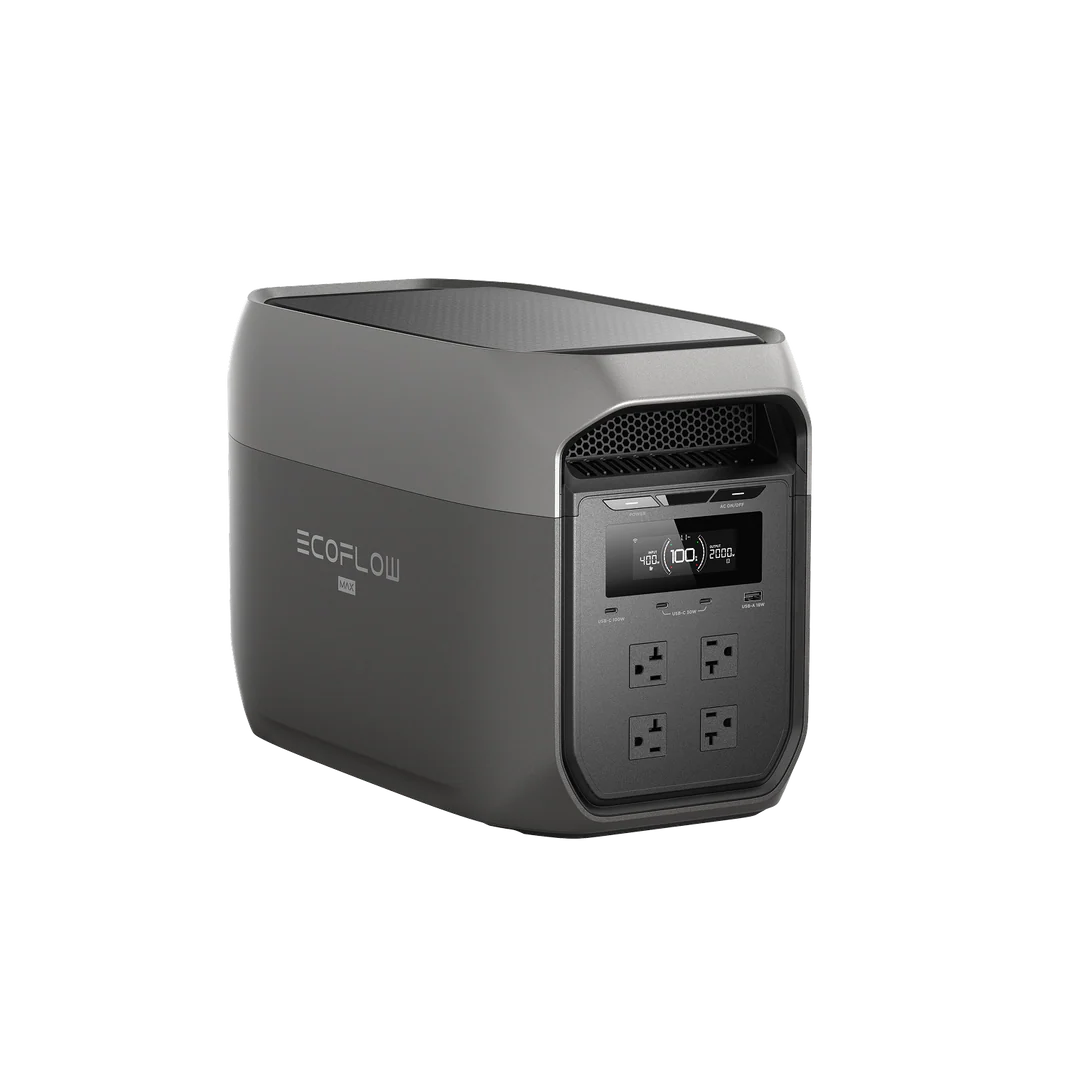
Match the charger’s output to the battery bank’s maximum accepted charge current. LiFePO4 batteries, like the one in the EcoFlow DELTA 3 Max Portable Power Station, commonly accept up to a 0.5C continuous charge rate.
To size the DC-to-DC charger correctly, budget around 20–40% of the alternator’s rated output and leave some headroom for the camper’s own electrical loads.
Pro Tip: Always size it against the alternator’s continuous (hot) rating rather than its cold peak rating, since sustained output drops as the unit heats up.
A 40A charger suits most 100–200 Ah house banks, while smaller banks under 100Ah are better suited to a 20–25A unit.
How Do You Wire a DC-to-DC Charger Safely?
Follow these steps to stay safe during the wiring process.
Tools and Wire Gauge
Gather the basics:
Crimping tool.
Heat-shrink lugs.
Wire strippers.
Multimeter.
At 12V, even a small voltage loss eats into a meaningful share of your system’s power, so the wire needs to both carry the charger’s amperage safely and keep the drop low over the length of the run. A 40A charger typically needs 6–8 AWG for a short cable run, but longer runs call for a heavier gauge to offset the added resistance.
Fuses and Circuit Breakers
Every DC-DC charger needs fuse protection on both ends of the wiring, placed as close to each battery terminal as possible.
Match the fuse size to the wire’s rating, not just the charger’s rated draw.
Use ANL or MEGA fuses for higher-current circuits (30A and above).
Use standard blade fuses for lower-current trigger or control wiring.
Skipping a fuse or sizing one incorrectly removes the protection meant to keep a wiring fault from becoming a fire risk.
Connecting to the Alternator and Battery Bank
The wiring itself is quick and easy:
Connect charger input leads to the starter battery terminals.
Connect charger output leads to the house battery bank, matching polarity exactly.
Keep both cable runs as short as the installation allows.
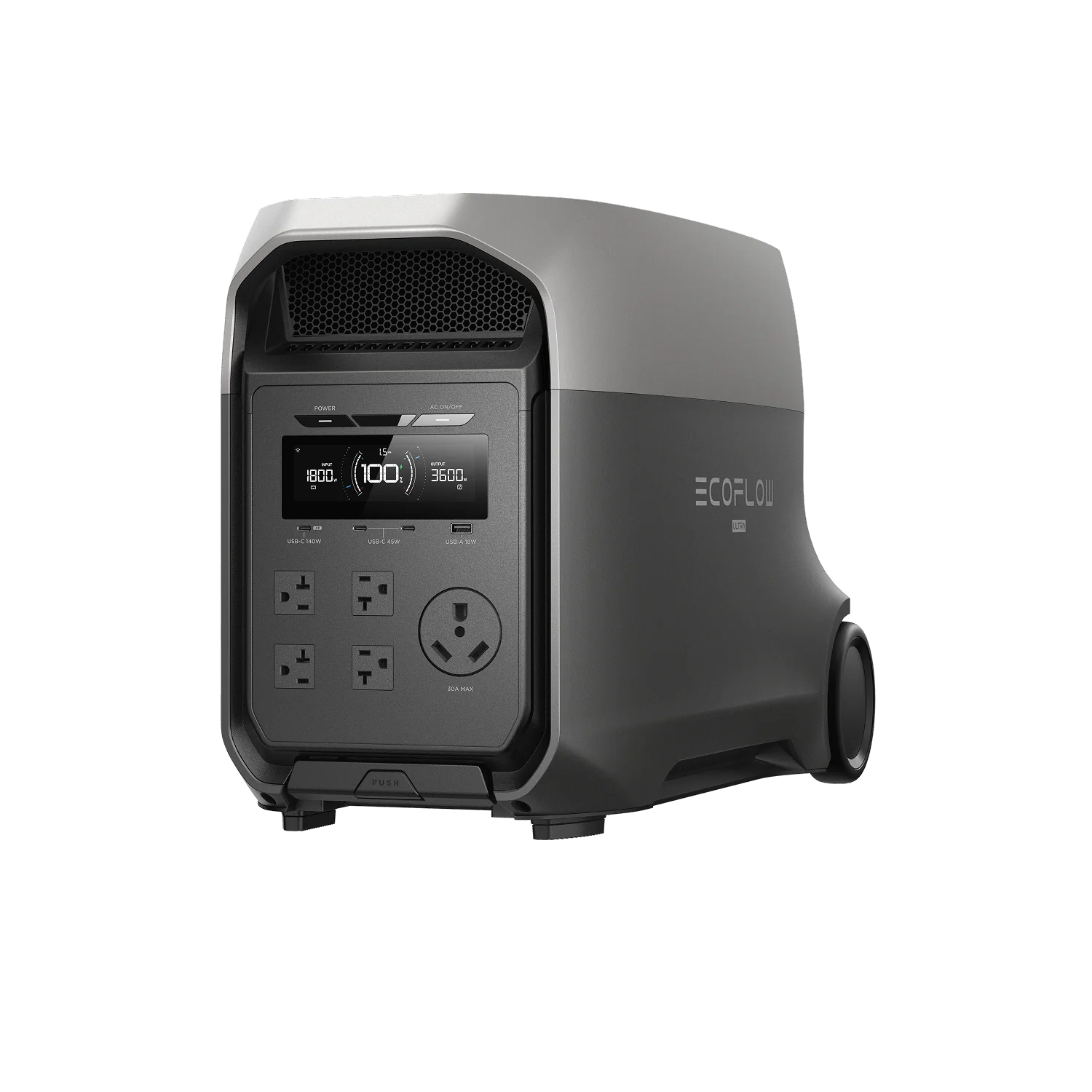
A larger portable power station like the EcoFlow DELTA 3 Ultra often includes a dedicated high-current input port for DC-DC charger output, simplifying this step rather than wiring directly to bare battery terminals.
What Is the D+ Ignition Trigger Wire, and Why Does It Matter for Smart Alternators?
The D+ ignition wire tells the charger the engine is running, preventing it from drawing down the starter battery while parked. A smart alternator varies in output, roughly between 12.5V and 15V, so voltage-only detection can misread “engine off” as “engine on”, but a D+ wire can solve this. Without it (or if wired incorrectly), the charger may fail to activate or remain charging after the engine shuts off.
How Do You Protect Your Alternator from Overheating and Overload?
A DC-DC charger protects your alternator by drawing a fixed, limited current instead of letting a low-resistance battery pull as much as it wants. Size the draw to around 20–40% of the alternator’s rated output to stay conservative.
Watch for a hot smell, a slipping belt, or a reduced output after long highway driving, as these signal that the alternator is running beyond a safe point.
How Does Cold Weather Affect DC-to-DC Charging in Canadian Winters?
Canada’s cold winter weather can make it risky to charge lithium batteries below 0ºC, because lithium plating can occur and permanently degrade capacity and safety. Cold temperatures also raise internal resistance in both starter and house batteries, slowing charge acceptance and extending charge time.
Reduce charge current or choose a DC-to-DC charger with low-temperature cutoffs or BMS communication to add a layer of protection for cold-weather use.
Frequently Asked Questions
Do You Need a DC-to-DC Charger with a Smart Alternator?
Voltage-sensing relays and direct connections can’t reliably charge from an ECU-controlled, variable-voltage alternator, but a DC-to-DC charger regulates the fluctuating input into a proper multi-stage charge profile regardless of alternator swings.
What Size Wire Do You Need for a 40A DC-to-DC Charger?
The appropriate size depends on cable run length and acceptable voltage drop, not just amperage. A short run under about 3 feet commonly uses 6–8 AWG, but longer runs need a heavier gauge to stay within safe drop limits.
Can a DC-to-DC Charger Damage Your Vehicle's Alternator?
When sized correctly, a DC-DC charger protects the alternator by limiting current draw compared to a direct high-acceptance lithium connection. The primary risks are oversizing the charger beyond the alternator’s continuous rating, poor cooling, or improper wiring.
Does Cold Weather Affect DC-to-DC Charger Performance in Canada?
Yes, freezing temperatures drop charge acceptance and can restrict lithium battery charging when below 0ºC. A charger with battery heating or temperature compensation can help maintain reliable charging through winters.
A Properly Sized DC-to-DC Charger Keeps Your Camper's Battery Bank Charged and Your Alternator Safe
The most important aspects of keeping your charger reliable and your alternator safe over time are sizing the DC-to-DC charger correctly, choosing the proper wire gauge, fusing the system safely, and using a D+ ignition trigger wire.
In cold Canadian winters, you’ll also want to use extra charge-current caution, particularly if your battery bank uses lithium chemistry. A system like the EcoFlow DELTA 3 Ultra pairs well with a properly installed DC-to-DC charger for dependable alternator-based charging on road trips, even in cold-weather conditions.