Rooftop Tent Camping: Setup, Safety, Comfort, and Power Essentials
Rooftop camping elevates your sleep platform above mud, insects, and uneven ground, but it demands rigorous safety, comfort, and power planning. When you camp with tent mounted on vehicle crossbars, you trade ground-level hazards for height-related risks like wind load and weight limits. This article maps four essentials: a disciplined setup sequence, non-negotiable safety rules, targeted comfort upgrades, and portable power comparisons for off-grid tent camping across diverse Canadian landscapes.
How to Camp With Tent Rooftop: Setup and Pre-Trip Steps
A methodical setup sequence prevents equipment damage and ensures a stable sleeping platform on any terrain. Follow these steps in order every time you camp with tent on a rooftop.
Verify your vehicle's dynamic and static roof load ratings directly from the owner's manual, and confirm that both your roof rack and crossbars are approved for rooftop tent use. Crossbar spacing should match the tent manufacturer's mounting specifications to help prevent excessive stress during transit. When different limits are published, always follow the lower rated capacity and the instructions provided by the vehicle, roof rack, and tent manufacturers.
Assemble the tent base and attach it to the crossbars using the supplied mounting brackets and locking nuts; orient the entrance away from the prevailing wind to reduce drafts and rain ingress.
Level the vehicle with recovery boards or leveling blocks placed under the tires, then deploy the telescoping ladder and adjust its length until it rests firmly on the ground without wobble.
Distribute interior weight by stowing heavy gear inside the vehicle cabin, not solely in the tent, to maintain a low center of gravity and avoid exceeding the roof's dynamic rating.
Conduct a stability test by shaking the tent from the ladder and both corners; tighten any loose hardware before sleeping to eliminate dangerous sway.
Attach the annex or awning last, ensuring guylines are firmly staked at an optimal angle (often around 45 degrees, depending on terrain) to improve wind resistance and reduce fabric flutter.
Executing these steps methodically ensures a secure mounting and, with practice, significantly reduces setup time while mitigating the risk of stability issues.
Comfort Upgrades for Your Rooftop Camp
Superior comfort transforms a rooftop camp into a restful shelter; three targeted upgrades address mattress support, insulation, and condensation control.
Choosing the Right Mattress for Rooftop Camping
High-density foam mattresses distribute weight evenly and prevent pressure points better than standard air pads, while self-inflating pads offer adjustable firmness. For three-season rooftop camping, many campers find a sleeping pad with an R-value around 3 or higher sufficient, while winter trips often benefit from R-values above 4 or 5. The ideal insulation level depends on expected temperatures, humidity, sleeping bag performance, and the mattress manufacturer's specifications rather than a single universal threshold.
Mattress thickness affects interior headroom: a 6.3 cm (2.5 in) pad leaves more sitting space inside a low-profile rooftop tent, whereas a 10 cm (4 in) foam mattress improves warmth but reduces vertical clearance. A dedicated mattress also absorbs condensation that would otherwise pool under a sleeping bag.
Insulation and Temperature Control for Four-Season Comfort
Reflective underlays placed beneath the mattress bounce body heat back upward, helping to retain warmth without adding bulk. Four-season tent fabrics with a 3000mm hydrostatic head rating and thermal liners shield against windchill during cold-weather camp with tent setups. Pair a sleeping bag rated 5–6°C (10°F) below the expected low to compensate for convective heat loss from the elevated floor.
Ventilation and Condensation Management
Open mesh windows on opposite sides and a roof vent create a crossflow that expels humid exhaled air before it condenses on fabric walls. Portable USB fans accelerate this airflow, typically drawing under 5 watts of power (consuming less than 5Wh per hour). Wipe down interior walls each morning with a microfiber cloth to prevent mold and mildew - critical for sealing a rooftop camp against morning dew.
A purpose-built mattress, proper insulation, and consistent airflow eliminate the discomfort that often plagues elevated sleeping. Next, learn the non-negotiable safety measures that protect both people and gear.
Safety Essentials for Every Rooftop Camp
Height introduces structural and environmental risks distinct from ground camping; a short checklist of safety rules can prevent accidents when you camp with tent on a vehicle.
Anchor the tent to crossbars with locking nuts and check torque specifications before every trip to prevent wind lift at highway speeds, which can shear mounting bolts suddenly.
Never exceed the vehicle and roof rack weight limits. Ensure your tent and roof accessories do not exceed the dynamic load rating (while driving). When parked, the higher static load rating must safely support the tent, occupants, and gear.
Monitor local weather forecasts and be prepared to pack down the tent whenever strong winds are expected. Some rooftop tent manufacturers recommend avoiding use once gusts approach or exceed about 50 km/h (30 mph), but the safe operating limit varies by tent design, roof rack system, and site exposure. Always follow your tent manufacturer's guidance.
If you use an externally vented diesel heater, install a carbon monoxide detector inside the tent as an additional safety precaution. Never operate unvented fuel-burning heaters or cooking appliances inside the tent, and always follow the heater manufacturer's installation, ventilation, and exhaust clearance requirements.
Carry a fire extinguisher rated for electrical and grease fires, and store it within immediate reach of the ladder, not buried under cargo.
Always deploy the ladder fully and lock every rung before climbing; a partially extended ladder can collapse under dynamic weight, causing severe falls.
Consistent hardware checks, weight discipline, and hazard-specific gear make a rooftop camp as safe as any ground site.
Note: Because vehicle roof ratings, roof rack systems, and rooftop tent designs vary considerably, always use the vehicle owner's manual, roof rack documentation, and tent manufacturer's instructions as the primary reference whenever specifications differ.
Power Essentials for Tent Camping on a Rooftop
Reliable power keeps lights, phones, and medical devices running during extended tent camping trips. The table below compares four off-grid options by output, weight, and recharging speed.
Power Source | Typical Output | Weight | Recharge Time | Best Use Case |
|---|---|---|---|---|
1000-3600W | 11–36 kg (25–80 lbs) | 4-8 hrs (AC), 3-6 hrs (solar) | Quiet overnight power for multiple devices | |
Folding solar panel (200-400W) | 200-400W (DC) | 7–14 kg (15–30 lbs) | Sun-dependent, 5-8 hrs for station recharge | Daytime topping-off, paired with station |
Dual battery system | 100-200Ah | 27–54 kg (60–120 lbs) | Alternator charges while driving | Engine-dependent, high-capacity 12V |
Inverter generator | 1600-3500W | 18–36 kg (40–80 lbs) | Immediate (fuel) | High-wattage appliances, noisy |
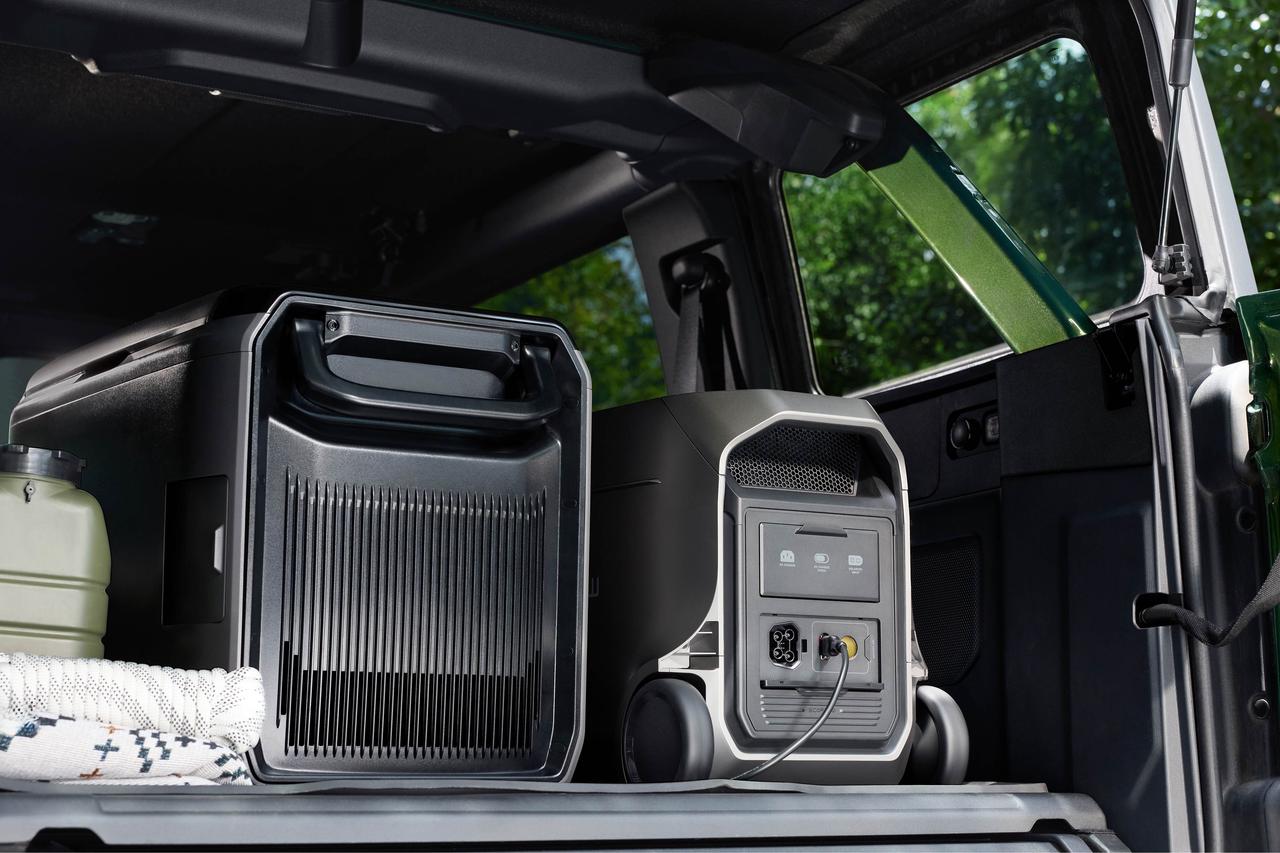
For Canadian campers who need high-capacity, silent power in unpredictable weather, the EcoFlow DELTA 3 Ultra Plus with 400W Solar Panel integrates fast charging and expandable storage. The DELTA 3 Ultra Plus (3072Wh) features smart output priority, 3-11kWh expandable capacity, and six charging methods - reaching 0-80% in 48 minutes via dual solar and generator input to effortlessly run heavy-duty gear and sensitive electronics.
A combination of a portable power station and a folding solar panel delivers maximum versatility for extended tent camping with zero noise.
Elevate Your Camp With Tent Confidence
Mastering elevated camping comes down to three steps: execute a disciplined setup sequence, enforce core safety protocols, and select power tailored to your off-grid energy demands. Download our pre-trip checklist, practice setting up in your driveway, or gear up with solutions like the EcoFlow DELTA 3 Ultra Plus to plan a short shakeout trip this weekend—then confidently heading out to camp with tent setups built for Canadian safety and comfort.
FAQs
Q1. How Long Does It Take to Set up a Rooftop Camp Tent?
Most first-time rooftop camp setups take 20–30 minutes; experienced users can pitch the tent and deploy the ladder in under 10 minutes. Leveling the vehicle adds extra time on uneven terrain.
Q2. Can You Camp With a Rooftop Tent in Winter Safely?
Yes, especially during Canadian winters, when paired with an insulated mattress, four-season tent fabric, and a carbon monoxide detector if using a diesel heater. Condensation management becomes critical to prevent frost buildup inside the tent walls.
Q3. What Weight Capacity Is Needed for a Rooftop Tent on a Car?
Check your vehicle's dynamic roof rating, not just static rating. Crossbars must support the tent's weight plus occupants. Roof load ratings vary widely between vehicles and roof rack systems. Always verify the published dynamic roof load, static roof load (if provided), and rooftop tent compatibility in your vehicle owner's manual and roof rack manufacturer's documentation before installation.
Q4. Do You Need a Special Mattress for a Rooftop Tent?
Not a special mattress, but a high-density foam or self-inflating pad designed to fit the tent's footprint prevents pressure points and absorbs condensation better than standard air mattresses. A minimum R-value of 3.0 is recommended for three-season camping.
Q5. How Does Rooftop Camping Differ From Traditional Tent Camping on the Ground?
Rooftop tent camping keeps you above mud, insects, and uneven rocks. Setup is faster, but safety demands more attention to vehicle stability, load limits, and wind exposure. Ground tent camping offers more pitch-location flexibility.
Disclaimer:
The information in this article is provided for general educational purposes only and should not replace the instructions or safety guidance supplied by your vehicle, roof rack, rooftop tent, heater, or portable power manufacturer. Vehicle roof load ratings, tent designs, weather conditions, and equipment specifications vary between models. Always consult the applicable owner's manuals and product documentation before installation or use, and adjust your setup according to current site conditions. EcoFlow product specifications, charging times, and performance figures referenced in this article are based on the manufacturer's published information and may vary depending on configuration, environmental conditions, and actual use. Always follow local laws, campground regulations, and safety requirements when camping with a rooftop tent.